Mastering Mindful Media: Navigating Information Overload in 2026
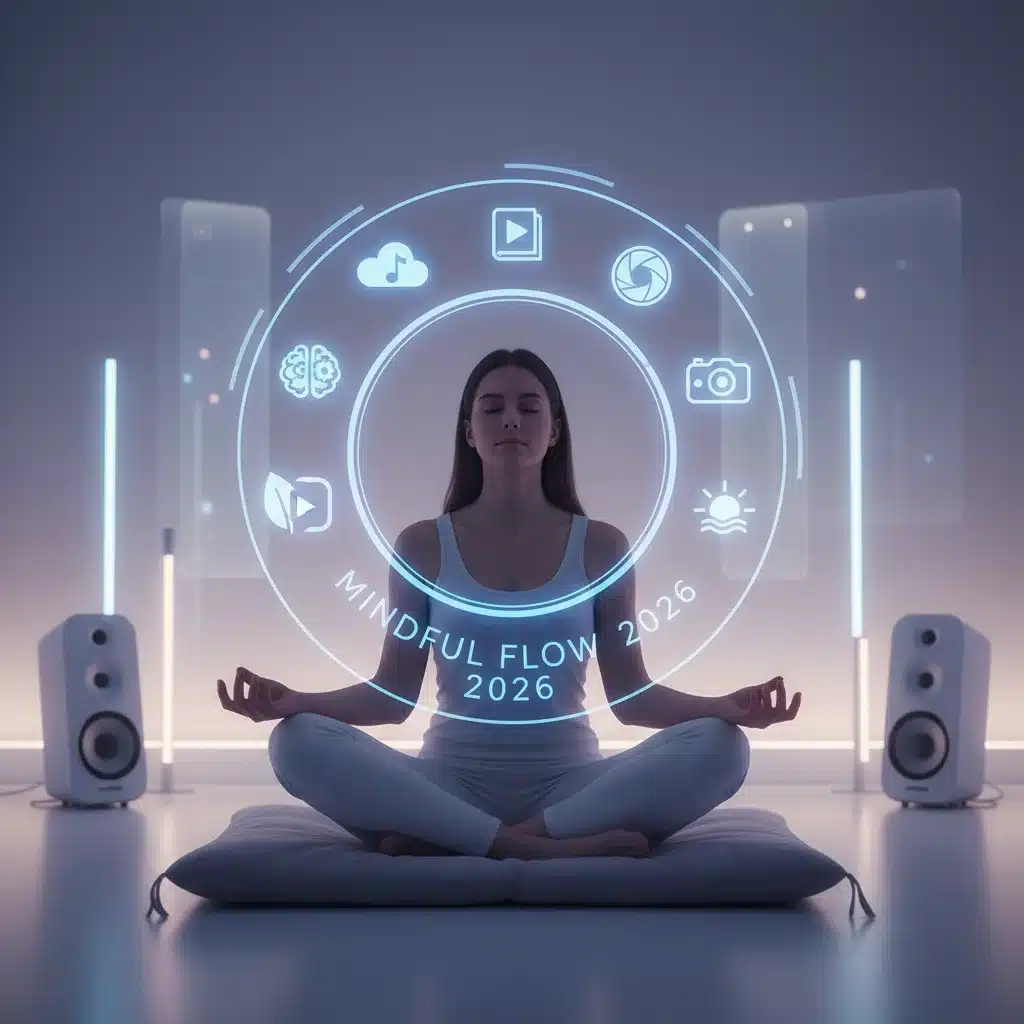
In the relentless current of the 21st century, particularly as we navigate the complexities of 2026, the concept of Mindful Media Consumption has transitioned from a niche philosophy to an essential survival skill. We are living in an era defined by unprecedented access to information, a constant barrage of news, social updates, and entertainment flowing directly into our pockets and homes. While this connectivity offers immense benefits, it also presents a significant challenge: information overload. This pervasive issue is not merely a minor inconvenience; it has profound implications for our mental well-being, productivity, and overall quality of life. The digital landscape of 2026, with its ever-evolving AI-driven content, hyper-personalized feeds, and immersive virtual experiences, intensifies the need for deliberate and conscious engagement with media.
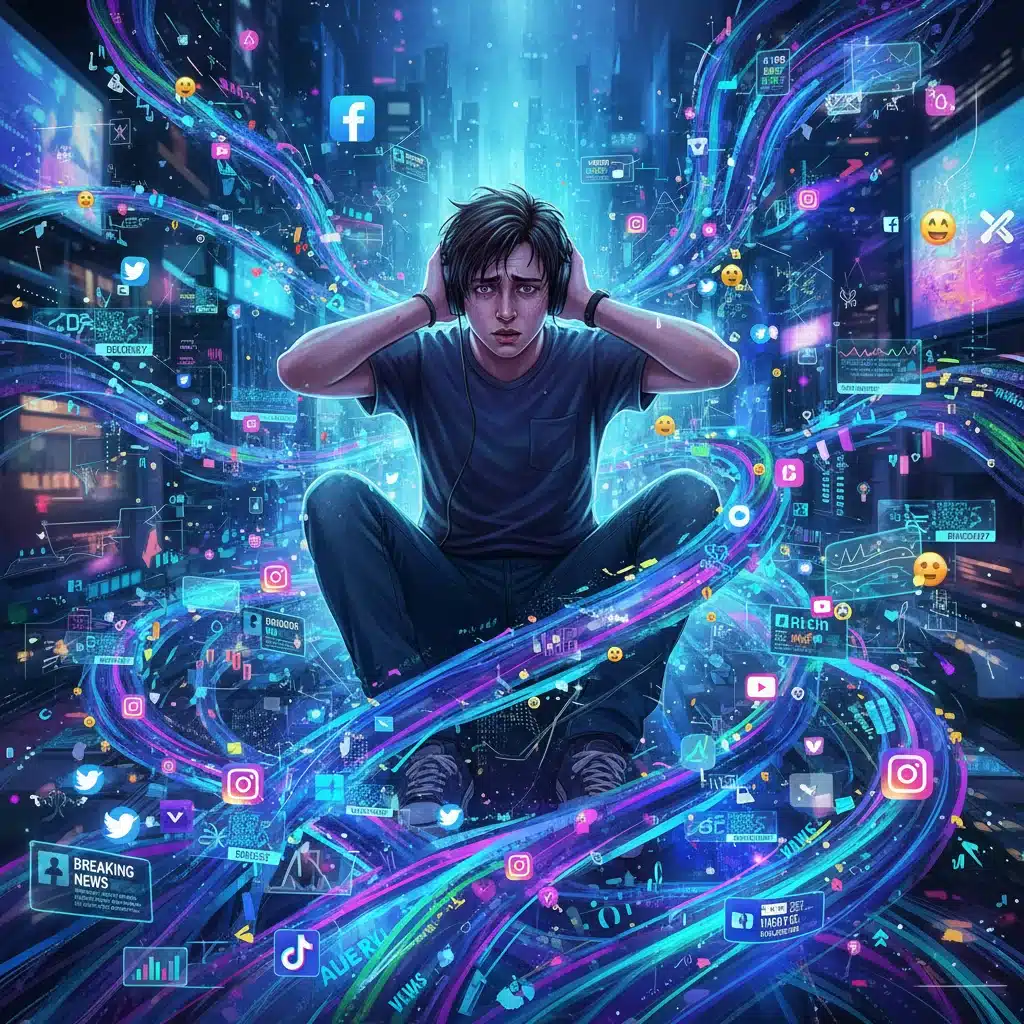
The average individual in 2026 is exposed to more data in a single day than their ancestors were in a lifetime. This constant influx of stimuli can lead to cognitive fatigue, anxiety, decreased attention spans, and a feeling of being perpetually overwhelmed. The lines between work and personal life blur, and the pressure to stay ‘always on’ becomes immense. This article delves into practical solutions and actionable strategies for cultivating Mindful Media Consumption, empowering you to navigate the digital deluge of 2026 with grace, protect your mental health, and reclaim your cognitive bandwidth. It’s about more than just limiting screen time; it’s about fostering a healthier, more intentional relationship with the information ecosystem that surrounds us.
Understanding the Current Landscape: Why Mindful Media Consumption is Critical in 2026
The year 2026 marks a pivotal point in our relationship with technology. The advancements in artificial intelligence have made content creation and dissemination more efficient and personalized than ever before. Algorithms are incredibly sophisticated, designed to understand our preferences, predict our behaviors, and keep us engaged for as long as possible. While this can provide tailored experiences, it also creates an echo chamber effect, potentially reinforcing biases and limiting exposure to diverse perspectives. Furthermore, the rise of deepfakes and increasingly convincing AI-generated content necessitates a heightened sense of media literacy and critical thinking. The sheer volume and velocity of information, coupled with its often sensationalist nature, can trigger a constant state of alert, contributing to chronic stress and anxiety.
Beyond the news cycle, social media platforms continue to evolve, offering more immersive and interactive experiences. Virtual reality and augmented reality are becoming more mainstream, blurring the lines between the digital and physical worlds. While these technologies promise exciting new ways to connect and learn, they also demand more of our attention and cognitive resources. The pressure to maintain a curated online persona, to constantly compare ourselves to others, and to respond to notifications immediately can be detrimental to self-esteem and foster feelings of inadequacy. Therefore, understanding these dynamics is the first step towards implementing effective strategies for Mindful Media Consumption.
The Psychological Impact of Information Overload
The human brain was not designed to process the sheer volume of information it encounters daily in 2026. This constant cognitive load can manifest in several ways:
- Decision Fatigue: With endless choices for content, entertainment, and even news sources, making simple decisions can become exhausting.
- Reduced Attention Span: The habit of constantly switching between tabs, apps, and notifications trains our brains to crave novelty, making sustained focus difficult.
- Increased Anxiety and Stress: The fear of missing out (FOMO), the constant exposure to negative news, and the pressure to be constantly available contribute to heightened anxiety levels.
- Sleep Disturbances: Blue light from screens interferes with melatonin production, and the mental stimulation from media consumption close to bedtime can disrupt sleep patterns.
- Erosion of Critical Thinking: Rapid consumption often prioritizes speed over depth, making it harder to critically evaluate information and form well-reasoned opinions.
Recognizing these impacts is crucial for motivating a shift towards Mindful Media Consumption. It’s about protecting our most valuable resource: our minds.
Practical Solutions for Mindful Media Consumption in 2026
Shifting towards a more mindful approach doesn’t mean abandoning technology entirely. Instead, it involves developing intentional habits and setting boundaries that align with your values and well-being. Here are actionable strategies you can implement in 2026:
1. Conduct a Digital Audit: Understand Your Habits
Before you can change your media consumption habits, you need to understand them. Many smartphones and operating systems now offer built-in ‘Digital Well-being’ or ‘Screen Time’ features. Use these tools to track:
- Total Screen Time: How much time do you spend on your devices daily?
- App Usage: Which apps consume most of your time? Are these essential or merely time-fillers?
- Pick-ups: How often do you pick up your phone? This indicates habitual checking.
Beyond the numbers, reflect on why you engage with certain media. Is it for information, connection, entertainment, or simply out of habit or boredom? This self-awareness is the cornerstone of effective Mindful Media Consumption.
2. Establish Clear Boundaries and Digital-Free Zones
Setting physical and temporal boundaries is incredibly effective. Consider implementing:
- No-Phone Zones: Designate certain areas of your home as digital-free, such as the dining table, bedroom, or bathroom. This allows for uninterrupted conversations, relaxation, and better sleep.
- Digital Curfews: Set a specific time each evening after which all non-essential screens are turned off. This promotes better sleep hygiene and allows your mind to unwind.
- Morning Media Fast: Resist the urge to check your phone immediately upon waking. Give yourself at least 30-60 minutes to engage in other activities like meditation, exercise, or reading a physical book. This sets a more intentional tone for your day.
- Scheduled Breaks: Instead of constant, fragmented media use, schedule specific times for checking emails, social media, or news. This prevents your attention from being constantly pulled away from tasks.
3. Curate Your Digital Environment
Take control of what you see and hear. Your digital environment should serve you, not the other way around.
- Unfollow/Unsubscribe Ruthlessly: Declutter your social media feeds by unfollowing accounts that don’t add value, make you feel inadequate, or spread negativity. Unsubscribe from newsletters you no longer read.
- Turn Off Notifications: This is one of the most impactful steps. Disable all non-essential notifications from social media, news apps, and even some messaging apps. Only allow notifications for truly urgent communications.
- Organize Your Apps: Place distracting apps in folders or off your home screen, making them less accessible and reducing the urge to mindlessly open them.
- Utilize ‘Do Not Disturb’ Modes: Leverage the ‘Do Not Disturb’ or ‘Focus’ modes on your devices during work, study, or family time.
4. Practice Intentional Consumption
Rather than passively absorbing content, become an active participant in your media choices.
- Ask ‘Why?’: Before opening an app or clicking a link, pause and ask yourself: ‘Why am I doing this? What value will this bring?’ If the answer isn’t clear, reconsider.
- Seek Out Quality Over Quantity: Prioritize reputable news sources, well-researched articles, and thoughtful content creators. Avoid clickbait and sensationalism.
- Engage Actively: When you do consume media, engage with it mindfully. Read articles thoroughly, think critically about the information, and reflect on your emotional response.
- Diverse Perspectives: Actively seek out content that challenges your existing views and exposes you to different perspectives. This combats echo chambers and fosters intellectual growth.
5. Embrace Digital Detoxes and Mini-Breaks
Occasional breaks from digital devices can be incredibly rejuvenating. These don’t have to be week-long retreats; even short periods can make a difference.
- Hourly Mini-Breaks: Step away from your screen for 5-10 minutes every hour. Stretch, look out a window, or grab a drink of water.
- Weekend Digital Detox: Dedicate a portion of your weekend, or even an entire day, to being completely offline. Engage in hobbies, spend time in nature, or connect with loved ones face-to-face.
- Vacation Disconnect: Make a conscious effort to limit media consumption during holidays. True rest and rejuvenation often require a break from digital demands.
These practices reinforce your ability to engage in Mindful Media Consumption by demonstrating that you can thrive without constant digital connection.
Leveraging Technology for Mindful Media Consumption
Ironically, technology itself can be a powerful ally in our quest for mindful consumption. Several tools and features can assist you:
- Website Blockers/Productivity Apps: Use browser extensions or apps that block distracting websites during specific hours or for set durations.
- Grayscale Mode: Switching your phone to grayscale can make it less appealing and reduce the addictive nature of colorful apps.
- Mindfulness Apps: Meditation and mindfulness apps can help train your attention and reduce the urge for constant digital engagement.
- E-readers: Dedicated e-readers provide a distraction-free reading experience, devoid of notifications and the endless temptations of a multi-purpose device.
By consciously choosing and utilizing these tools, you can create a digital environment that supports your goals for Mindful Media Consumption rather than sabotaging them.
The Role of Media Literacy in 2026
In an age where information is abundant and often manipulated, developing strong media literacy skills is paramount. This involves:
- Fact-Checking: Always question the source and veracity of information. Utilize reputable fact-checking websites.
- Understanding Algorithms: Be aware that algorithms personalize your feed, potentially creating filter bubbles. Actively seek out diverse sources to counteract this.
- Identifying Bias: Recognize that all media has a perspective. Learn to identify overt and subtle biases in reporting.
- Recognizing Manipulation: Be alert to emotional appeals, sensational headlines, and attempts to provoke strong reactions without providing substantive information.
Cultivating media literacy is an intellectual act of self-defense, enabling you to engage with the digital world of 2026 as an informed and discerning citizen, rather than a passive recipient of information. This is a core component of true Mindful Media Consumption.
Protecting Your Mental Well-being in the Digital Age of 2026
The ultimate goal of Mindful Media Consumption is to safeguard and enhance your mental well-being. This extends beyond merely reducing screen time; it’s about cultivating a healthier relationship with technology that supports your overall health.
Prioritizing Real-World Connections
While digital platforms offer ways to connect, they cannot fully replace the richness of in-person interactions. Make a conscious effort to prioritize:
- Face-to-Face Meetings: Schedule regular meetups with friends and family.
- Community Engagement: Participate in local groups, volunteer, or join clubs that align with your interests.
- Deep Conversations: Engage in meaningful discussions without the distraction of devices.
These real-world connections provide genuine social support, reduce feelings of isolation, and offer a powerful antidote to the often superficial interactions found online.
Embracing Hobbies and Offline Activities
Fill the void left by reduced screen time with enriching offline activities. This could include:
- Reading Physical Books: Engage in deep, focused reading without digital distractions.
- Creative Pursuits: Take up painting, writing, playing an instrument, or any activity that allows for creative expression.
- Physical Activity: Exercise, spend time in nature, or practice yoga. These activities are proven stress reducers.
- Learning New Skills: Enroll in a class or learn a new language offline.
These activities not only provide alternative sources of stimulation and satisfaction but also contribute significantly to mental well-being, reinforcing the benefits of Mindful Media Consumption.

The Long-Term Benefits of Mindful Media Consumption
Adopting strategies for Mindful Media Consumption isn’t just about immediate relief from digital overwhelm; it’s an investment in your long-term cognitive health and emotional resilience. Over time, you can expect to experience:
- Improved Focus and Concentration: By reducing constant distractions, your ability to concentrate on tasks will naturally improve.
- Reduced Stress and Anxiety: Less exposure to sensational news and social comparison leads to a calmer, more balanced emotional state.
- Better Sleep Quality: Limiting screen time before bed and reducing mental stimulation fosters deeper, more restorative sleep.
- Enhanced Creativity: Giving your mind space to wander and engage in novel experiences can spark new ideas and creative solutions.
- Stronger Real-World Relationships: By being more present, you can cultivate deeper and more meaningful connections with others.
- Increased Self-Awareness: Understanding your media habits and their impact allows for greater control over your digital life.
These benefits collectively contribute to a more fulfilling and balanced life, making the effort towards Mindful Media Consumption profoundly worthwhile.
Conclusion: Embracing a Balanced Digital Future in 2026
As we navigate the increasingly complex digital landscape of 2026, the power to shape our relationship with media lies firmly in our hands. Mindful Media Consumption is not about rejecting technology; it’s about mastering it. It’s about being intentional, discerning, and proactive in how we engage with the vast ocean of information available to us. By understanding the psychological impacts of information overload, establishing clear boundaries, curating our digital environments, practicing intentional consumption, embracing digital detoxes, and leveraging media literacy, we can transform our digital experience from one of overwhelm to one of empowerment.
Protecting our mental well-being in this hyper-connected era requires a conscious commitment to prioritizing real-world connections, engaging in enriching offline activities, and recognizing the profound long-term benefits of a balanced digital life. The journey towards mindful media consumption is ongoing, requiring continuous self-assessment and adaptation. However, by taking these practical steps, you can reclaim your focus, reduce stress, enhance your creativity, and ultimately, live a more present and fulfilling life in 2026 and beyond. Make the choice today to be a conscious consumer of media, and witness the transformative impact it has on your overall well-being.