Digital Well-being: 3 Tech Habits U.S. Adults Should Adopt by March 2026

Digital Well-being: 3 Tech Habits U.S. Adults Should Adopt by March 2026
In an increasingly connected world, the lines between our physical and digital lives have blurred. While technology offers unparalleled convenience and connectivity, its pervasive presence can often lead to digital overload, diminished focus, and even mental fatigue. For U.S. adults, the challenge isn’t just about using technology, but about using it wisely and intentionally to foster genuine digital well-being habits. The clock is ticking, and by March 2026, embracing proactive strategies for a healthier digital life will no longer be an option, but a necessity.
This article delves into three critical tech habits that every U.S. adult should integrate into their daily routine. These aren’t just suggestions; they are actionable steps designed to reclaim your attention, reduce screen-induced stress, and cultivate a more balanced relationship with your devices. We’ll explore the ‘why’ behind each habit, provide practical ‘how-to’ guides, and discuss the profound impact these changes can have on your overall well-being. The goal is to empower you to take control of your digital landscape, ensuring that technology serves you, rather than the other way around. Let’s embark on this journey to enhanced digital well-being habits.
The Urgent Need for Digital Well-being Habits in the Modern Era
The digital revolution has brought about incredible advancements, transforming how we work, communicate, and entertain ourselves. However, this constant connectivity comes with a hidden cost. Research consistently shows a rise in anxiety, sleep disturbances, and decreased attention spans linked to excessive screen time and digital device reliance. A 2023 study by Pew Research Center indicated that a significant percentage of U.S. adults feel overwhelmed by the sheer volume of digital information and notifications they receive daily. This phenomenon, often termed ‘digital overload,’ directly impacts productivity, personal relationships, and mental health.
The urgency to adopt robust digital well-being habits stems from several factors. Firstly, the accelerating pace of technological innovation means that devices are becoming even more integrated into our lives, making mindful usage more challenging without intentional effort. Secondly, the pandemic years significantly increased our reliance on digital platforms for work, education, and social connection, cementing habits that may not be conducive to long-term well-being. Thirdly, the psychological impact of constant digital engagement, from the fear of missing out (FOMO) to the addictive nature of social media algorithms, demands a proactive approach to protect our mental and emotional health.
By March 2026, the landscape of work and social interaction will likely be even more digitized. Those who fail to establish healthy boundaries and mindful tech practices risk falling behind in terms of focus, mental clarity, and overall life satisfaction. This isn’t about rejecting technology; it’s about mastering it. It’s about cultivating a relationship with our devices that is healthy, productive, and sustainable. The three habits we are about to explore are not quick fixes, but foundational changes that, when consistently practiced, will profoundly reshape your digital experience and enhance your overall well-being.
Understanding the ‘why’ is the first step toward commitment. Acknowledging the pervasive influence of technology and its potential downsides is crucial for motivating change. Let’s move from awareness to action, starting with the first essential habit.
Habit 1: Implement Daily ‘Digital-Free Zones’ and ‘Unplugged Hours’
One of the most effective strategies for fostering digital well-being habits is creating intentional periods and spaces free from digital devices. This isn’t about going off-grid entirely, but rather about carving out specific times and locations where screens are not permitted. Think of it as creating a sanctuary for your mind, allowing it to rest, wander, and engage with the real world without constant digital interruptions.
Why is this habit crucial?
- Reduces Cognitive Load: Our brains are constantly processing information, and digital devices bombard us with a relentless stream of data. Digital-free zones give your brain a much-needed break, allowing it to recharge and improve focus when you *do* engage with technology.
- Enhances Real-World Engagement: When we’re constantly checking our phones, we miss out on the richness of our immediate environment. Unplugged hours encourage deeper conversations, more attentive experiences, and a greater appreciation for the present moment.
- Improves Sleep Quality: The blue light emitted by screens disrupts melatonin production, making it harder to fall asleep and reducing sleep quality. Designating your bedroom as a digital-free zone, especially an hour or two before bed, can significantly improve your rest.
- Strengthens Relationships: Nothing signals disinterest faster than someone checking their phone during a conversation. Dedicated unplugged times, especially during meals or family activities, foster genuine connection and demonstrate respect for those around you.
How to implement this habit by March 2026:
- Start Small, Be Consistent: Don’t aim for a full digital detox overnight. Begin with 30-minute blocks. For example, make your dinner table a ‘no-phone-in-the-bedroom’ every evening. Gradually extend these periods as you become more comfortable.
- Designate Physical Spaces: Identify specific areas in your home where devices are not allowed. The bedroom is an excellent starting point. Consider also the dining table, or perhaps a specific reading nook.
- Schedule Unplugged Hours: Use your calendar or a simple reminder to block out specific times for being offline. This could be the first hour after waking up, the last hour before bed, or a dedicated hour during your workday for focused, uninterrupted tasks.
- Communicate Your Intentions: Inform family, friends, and even colleagues about your digital-free zones and unplugged hours. This sets expectations and helps them understand why you might not respond immediately. You might even inspire them to adopt similar digital well-being habits.
- Find Analog Replacements: What will you do during these unplugged times? Plan activities like reading a physical book, journaling, taking a walk, listening to music, or engaging in a hobby. Having alternatives makes the transition easier and more enjoyable.
- Use Tech to Help You Unplug: Ironically, some apps can help. Features like ‘Do Not Disturb’ mode, scheduled screen time limits, or even simply turning off notifications for certain apps can facilitate your unplugged hours.
By consistently implementing daily digital-free zones and unplugged hours, you’ll begin to notice a significant shift in your focus, stress levels, and overall presence. It’s a powerful step towards building resilient digital well-being habits.
Habit 2: Master Notification Management and Intentional App Usage
Notifications are the digital equivalent of someone constantly tapping you on the shoulder. Each ping, buzz, or pop-up pulls your attention away from the task at hand, fragments your focus, and contributes to a feeling of being perpetually overwhelmed. Mastering notification management and cultivating intentional app usage are critical digital well-being habits that empower you to decide when and how you engage with your devices, rather than being dictated by them.
Why is this habit crucial?
- Reclaims Focus and Productivity: Constant interruptions from notifications break your concentration, making it harder to get into a state of deep work or flow. Reducing these distractions significantly boosts productivity and the quality of your output.
- Reduces Stress and Anxiety: The constant feeling of needing to check your phone or respond immediately can be a major source of stress. By controlling notifications, you reduce this pressure and create a calmer digital environment.
- Prevents ‘Phantom Vibrations’: Many people experience the sensation of their phone vibrating or ringing when it hasn’t. This psychological phenomenon illustrates how deeply ingrained the expectation of notifications has become. Managing them helps break this cycle.
- Promotes Intentional Engagement: Instead of mindlessly scrolling, intentional app usage means you open an app with a specific purpose in mind, complete that task, and then close it. This prevents endless browsing and wasted time.
How to implement this habit by March 2026:
- Audit Your Notifications: Go through your phone’s settings (both system-wide and within individual apps) and critically evaluate every app. Ask yourself: ‘Do I truly need an immediate notification from this app?’ For most apps, the answer is likely no. Turn off all non-essential notifications.
- Prioritize Visual Over Audible: If you absolutely need a notification, consider changing it from an audible alert to a silent visual alert (e.g., a badge icon or a banner that disappears quickly). This allows you to see it when you choose to look, without being startled.
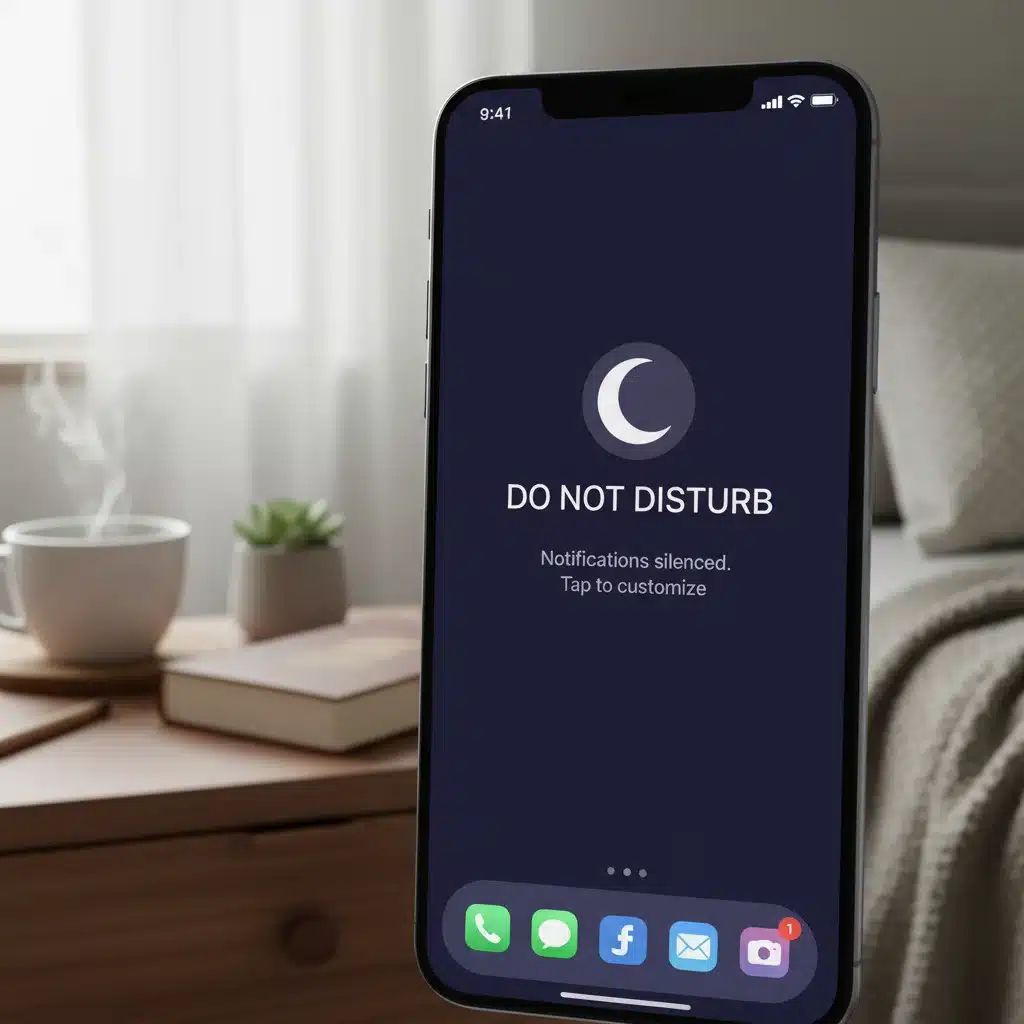
- Utilize ‘Do Not Disturb’ and Focus Modes: Learn to use your phone’s ‘Do Not Disturb’ or ‘Focus’ features. Schedule them to activate during work hours, sleep, or designated unplugged times. Many phones allow you to customize who can break through for urgent calls.
- Group Notifications: Some operating systems allow you to group notifications from the same app, reducing clutter. Enable this feature where available.
- Curate Your Home Screen: Remove distracting apps from your home screen. Place them in folders or on secondary screens. This adds a small barrier to mindless opening, encouraging intentional use.
- Practice ‘Batch Checking’: Instead of checking social media or email sporadically throughout the day, designate specific times (e.g., once in the morning, once at midday, once in the evening) to engage with these apps.
- Delete Unused Apps: If an app isn’t serving a valuable purpose or is a constant source of distraction, delete it. Less clutter on your phone means less temptation.
- Disable Autoplay: For streaming services or social media, disable autoplay features for videos. This gives you a moment to decide if you truly want to watch the next piece of content, rather than being passively drawn in.
By taking a proactive stance on notification management and cultivating intentional app usage, you’ll regain control over your digital interactions, leading to a calmer mind and greater personal agency. These are vital digital well-being habits for anyone navigating the modern digital landscape.
Habit 3: Cultivate a Mindful Approach to Content Consumption
The internet is a vast ocean of information and entertainment, but not all content is created equal. Mindless scrolling, doomscrolling, and passive consumption can leave us feeling drained, anxious, and unfulfilled. The third essential habit for U.S. adults by March 2026 is to cultivate a mindful approach to content consumption, actively choosing what we engage with and understanding its impact on our mental state. This is about being the curator of your digital diet, ensuring it nourishes rather than depletes you.
Why is this habit crucial?
- Protects Mental Health: Exposure to negative news, sensationalized content, or unrealistic portrayals of life on social media can significantly impact mood, self-esteem, and overall mental well-being. Mindful consumption helps filter out detrimental content.
- Enhances Learning and Growth: When you intentionally seek out high-quality, informative, or inspiring content, your digital time becomes an opportunity for personal and intellectual growth, rather than a time sink.
- Reduces Information Overload: The sheer volume of content available can be overwhelming. A mindful approach helps you prioritize and focus on what truly matters, preventing mental fatigue.
- Fosters Critical Thinking: Instead of passively absorbing information, mindful consumption encourages you to critically evaluate sources, question narratives, and form your own informed opinions.
- Boosts Self-Awareness: Paying attention to how certain content makes you feel (e.g., anxious, inspired, irritated) helps you understand your emotional triggers and make better choices about what to consume in the future. This is a cornerstone of strong digital well-being habits.
How to implement this habit by March 2026:
- Define Your Content Goals: Before opening an app or browser, ask yourself: ‘What am I hoping to gain from this interaction?’ Is it to learn something new, connect with a loved one, or simply relax? Having a purpose guides your choices.
- Curate Your Feeds: Be ruthless in unfollowing, muting, or unsubscribing from accounts, pages, and newsletters that don’t add value, make you feel bad, or are simply noise. Actively seek out sources that align with your interests, values, and goals.
- Set Time Limits for ‘Fun’ Apps: Use built-in screen time features on your phone or third-party apps to set daily limits for social media, entertainment, and news apps. When the limit is reached, respect it.
- Practice ‘Digital Check-ins’: Periodically throughout your digital consumption, pause and ask yourself: ‘How is this content making me feel?’ If it’s negative, disengage. If it’s positive or informative, continue with awareness.
- Diversify Your Content Sources: Don’t rely on a single platform or algorithm for all your information. Seek out diverse perspectives, read long-form articles, listen to podcasts, and engage with content that challenges your thinking in a healthy way.
- Engage Actively, Not Passively: Instead of just scrolling, try to engage with content in a more meaningful way. Leave thoughtful comments, share insights, or use what you’ve learned.
- Schedule ‘News Breaks’: Instead of constant news consumption, designate specific times of the day to catch up on current events. This prevents doomscrolling and allows you to process information more effectively.
- Prioritize Offline Information: Remember physical books, magazines, and in-person conversations. These are excellent sources of information and connection that don’t involve screens and contribute significantly to overall digital well-being habits.
By becoming a conscious consumer of digital content, you transform your online experience from a passive drain into an active source of growth, connection, and peace. This mindful approach is fundamental to cultivating lasting digital well-being habits.

Integrating These Habits into Your Lifestyle by March 2026
Adopting new habits, especially those that challenge deeply ingrained behaviors, requires consistency, patience, and self-compassion. The deadline of March 2026 isn’t meant to induce panic, but rather to serve as a tangible goal to motivate meaningful change. Here’s how you can effectively integrate these three digital well-being habits into your daily life:
Start with One Habit at a Time:
Trying to overhaul all your digital behaviors at once can be overwhelming and lead to burnout. Choose one habit that resonates most with you or seems easiest to implement first. Master it for a few weeks, then introduce the next. For instance, begin by establishing a ‘no-phone-in-the-bedroom’ rule, then move on to managing notifications.
Be Mindful of Your Triggers:
What prompts you to pick up your phone or endlessly scroll? Is it boredom, stress, loneliness, or a specific notification? Identifying these triggers is crucial for developing alternative, healthier responses. If boredom is a trigger, have a physical book or a journal ready. If stress, try a quick mindfulness exercise or a walk.
Leverage Technology to Your Advantage:
Ironically, technology itself can be a powerful tool for building better digital well-being habits. Utilize your phone’s built-in features for screen time tracking, app limits, and ‘Do Not Disturb’ modes. There are also many third-party apps designed to help you focus, block distracting websites, or guide you through digital detoxes.
Create a Supportive Environment:
Communicate your goals with family and friends. When those around you understand and support your efforts, it becomes much easier to stick to your new habits. You might even find accountability partners who want to embark on their own digital well-being journeys.
Celebrate Small Victories:
Acknowledge and celebrate every step forward, no matter how small. Successfully going an hour without checking your phone, having a distraction-free meal, or intentionally choosing a high-quality article over a clickbait headline are all wins. Positive reinforcement helps solidify these new digital well-being habits.
Expect Setbacks and Learn from Them:
No one is perfect, and you will inevitably slip up. Don’t let a single instance of mindless scrolling or checking your phone during an unplugged hour derail your progress. Instead, view it as a learning opportunity. What led to the setback? How can you prevent it next time? Resilience is key.
Regularly Re-evaluate Your Digital Habits:
The digital landscape is constantly evolving, and so should your approach to it. Periodically assess how your digital well-being habits are serving you. Are there new distractions? Do you need to adjust your rules? This ongoing reflection ensures your strategies remain effective.
The Long-Term Benefits of Prioritizing Digital Well-being
The effort you invest in cultivating these digital well-being habits by March 2026 will yield profound and lasting benefits for every aspect of your life. Imagine a future where you:
- Experience Enhanced Focus and Productivity: With fewer distractions and a clearer mind, you’ll be able to concentrate more deeply on tasks, leading to higher quality work and a greater sense of accomplishment.
- Enjoy Improved Mental Clarity and Reduced Stress: By creating boundaries and intentionally engaging with technology, you’ll reduce the constant mental fatigue and anxiety associated with digital overload.
- Cultivate Stronger Relationships: Being present and engaged with the people in your life, free from the pull of your devices, will deepen your connections and foster more meaningful interactions.
- Achieve Better Sleep Quality: Removing screens from your wind-down routine will significantly improve your ability to fall asleep faster and experience more restorative rest.
- Increase Self-Awareness and Emotional Regulation: Understanding how digital content affects your mood and making conscious choices about your consumption will empower you to manage your emotions more effectively.
- Reclaim Time for Hobbies and Personal Growth: The hours previously lost to mindless scrolling can be redirected towards activities that truly enrich your life, whether it’s reading, pursuing a creative hobby, exercising, or spending time in nature.
- Feel a Greater Sense of Control and Agency: Instead of feeling like a slave to your devices, you’ll become the master, using technology as a tool to enhance your life rather than detract from it.
These aren’t just abstract ideals; they are tangible outcomes that are well within your reach. The journey to better digital well-being habits is a continuous one, but the initial steps you take now, leading up to March 2026, will lay a robust foundation for a healthier, more balanced, and fulfilling life in the digital age.
Conclusion: A Call to Action for a Healthier Digital Future
The call to adopt strong digital well-being habits is not a fleeting trend; it’s a fundamental necessity for navigating the complexities of modern life. For U.S. adults, the period leading up to March 2026 presents a critical window to proactively integrate these transformative practices into daily routines. By committing to implementing daily ‘digital-free zones’ and ‘unplugged hours,’ mastering notification management and intentional app usage, and cultivating a mindful approach to content consumption, you are not just changing your tech habits; you are investing in your long-term mental, emotional, and physical health.
Remember, this journey is about progress, not perfection. Start small, be consistent, and be kind to yourself. The benefits of these shifts extend far beyond simply reducing screen time; they empower you to reclaim your focus, strengthen your relationships, improve your sleep, and ultimately live a more intentional and fulfilling life. The future is digital, but your well-being doesn’t have to be compromised by it. Take control, embrace these essential digital well-being habits, and step into March 2026 with a healthier, more balanced relationship with technology.
Your digital life is yours to define. Make it a conscious choice, starting today.