Web3 & Creator Economy: 25% Revenue Growth for US Platforms by 2026
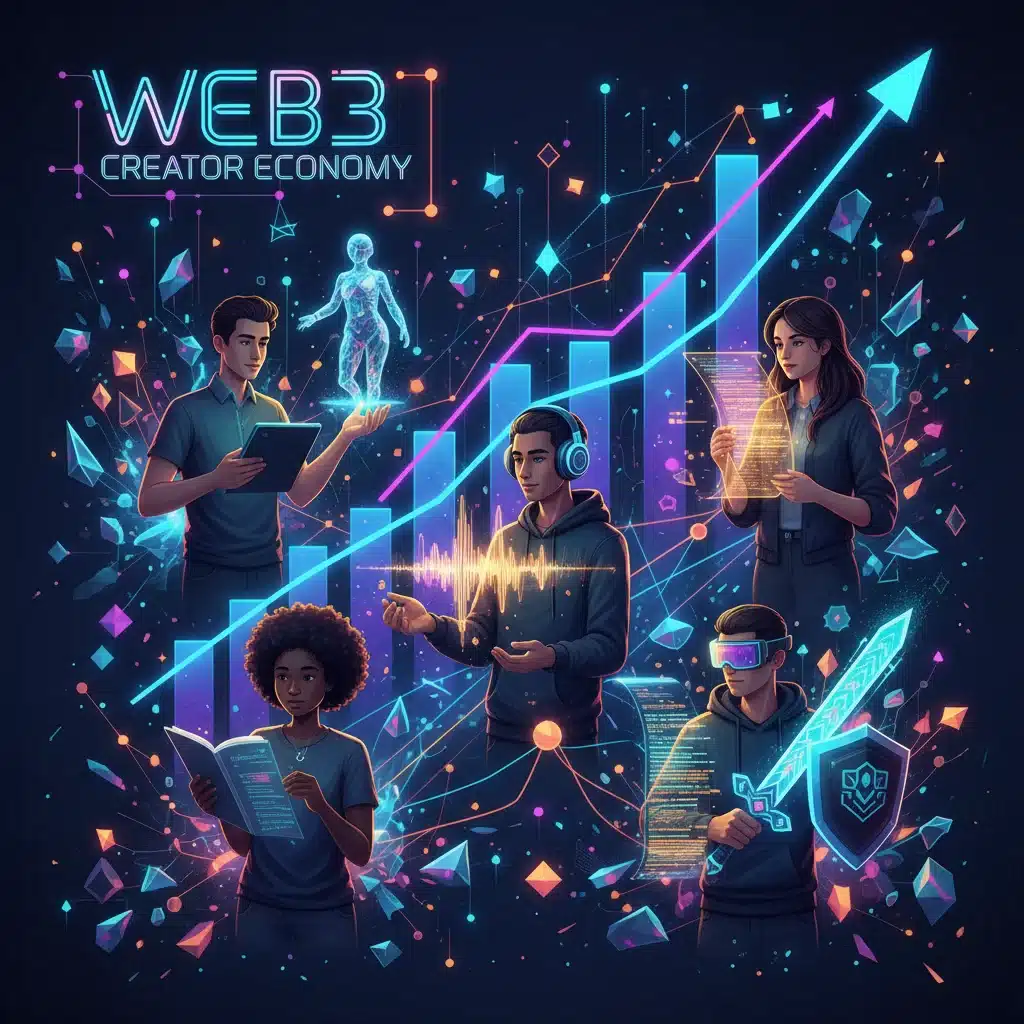
The Creator Economy in 2026: How U.S. Platforms Are Leveraging Web3 for 25% More Revenue
The creator economy, a dynamic and rapidly expanding sector, is on the cusp of a profound transformation, driven largely by the innovative power of Web3 technologies. From independent artists to established influencers, creators are constantly seeking new avenues to monetize their work, engage with their audience, and retain greater control over their intellectual property. Traditional platforms, while instrumental in the initial boom of the creator economy, often come with limitations: high commission fees, opaque revenue sharing models, and centralized control over content and data. Enter Web3 – a decentralized internet built on blockchain technology – promising a paradigm shift that empowers creators and offers unprecedented opportunities for platforms to innovate and grow.
By 2026, it is projected that U.S. platforms actively integrating Web3 principles and technologies will see an average revenue increase of 25% within the creator economy. This isn’t merely a speculative forecast; it’s a calculated expectation based on the inherent advantages Web3 offers, such as direct monetization through NFTs, enhanced community engagement via tokenization, and transparent, creator-centric governance models. This article delves deep into the mechanisms through which Web3 is catalyzing this growth, examining the financial impact, recent updates, and the strategic shifts U.S. platforms are making to capitalize on this burgeoning trend. Understanding the evolving landscape of the Web3 Creator Economy is crucial for anyone looking to thrive in the digital future.
The Core Promise of Web3 for Creators and Platforms
At its heart, Web3 aims to decentralize the internet, shifting power from large corporations to individual users and creators. For the creator economy, this translates into several key benefits:
- Ownership and Control: Through non-fungible tokens (NFTs), creators can tokenize their unique digital assets, granting verifiable ownership to their fans and establishing new methods of direct monetization. This bypasses intermediaries that traditionally take a significant cut of earnings.
- Direct Monetization: Web3 enables creators to connect directly with their audience for transactions, subscriptions, and patronage, often with lower fees and greater transparency than traditional platforms.
- Community Building: Token-gated communities, decentralized autonomous organizations (DAOs), and social tokens foster deeper, more invested fan bases, where community members have a stake in the creator’s success.
- Transparency and Fairness: Blockchain’s immutable ledger provides unparalleled transparency in transactions and revenue distribution, ensuring creators receive their fair share and understand exactly how their content is valued.
- Interoperability: Digital assets and identities on Web3 are often interoperable across different platforms, giving creators more freedom and reducing platform lock-in.
For U.S. platforms, embracing these principles means evolving from mere content hosts to ecosystem facilitators. Instead of simply providing a space for content, they are building infrastructure that empowers creators with tools for self-sovereignty, direct engagement, and novel monetization strategies, ultimately attracting more creators and users to their platforms.
Financial Impact: The 25% Revenue Boost Explained
The projection of a 25% revenue increase by 2026 for U.S. platforms embracing the Web3 Creator Economy is not an arbitrary figure. It stems from a combination of factors that fundamentally alter the economic model:
New Revenue Streams Through NFTs
NFTs have already proven to be a monumental shift in how digital art, music, and collectibles are valued and traded. Platforms that successfully integrate NFT marketplaces, provide minting services, or facilitate fractional ownership of digital assets unlock entirely new revenue streams. They can earn through transaction fees, primary sales, and royalties on secondary market sales. Furthermore, NFTs allow for programmable royalties, meaning creators (and by extension, platforms facilitating these sales) can earn a percentage every time their work is resold, creating a perpetual income stream that was previously impossible in the digital realm.
Enhanced Subscription and Membership Models
Web3 enhances traditional subscription models by introducing token-gated access. Platforms can offer premium content or exclusive community access only to holders of specific social tokens or NFTs. This not only creates a stronger sense of exclusivity and value for subscribers but also provides platforms with new monetization avenues through the creation and trading of these tokens. The scarcity and utility of these tokens can drive demand and value, benefiting both creators and the platforms hosting them.
Reduced Fees and Operational Costs
While the initial investment in Web3 infrastructure can be significant, the long-term potential for reduced operational costs is substantial. Decentralized storage solutions, automated smart contracts for royalty distribution, and peer-to-peer transactions can minimize the need for costly intermediaries and manual reconciliation. Platforms can pass some of these savings onto creators, making their offerings more attractive, or retain them as increased profit margins.
Increased Creator and User Retention
Platforms that offer more creator-friendly economic models and greater control will naturally attract and retain more top-tier talent. A larger, more engaged creator base directly translates to increased user traffic, content consumption, and overall platform activity, which are all crucial drivers of revenue through advertising, premium features, and transaction volumes. The network effect of a thriving Web3 Creator Economy ecosystem is a powerful revenue multiplier.
Data Monetization with Privacy
Web3 offers new models for data ownership and monetization, where users can control their data and opt-in to share it for compensation. Platforms can facilitate these privacy-preserving data marketplaces, creating another revenue stream while respecting user autonomy, a stark contrast to the often-criticized data practices of Web2 platforms.
Recent Updates and Success Stories in the U.S.
The U.S. is a hotbed of innovation in the Web3 Creator Economy, with numerous platforms and startups making significant strides. Here are some notable advancements:
NFT Marketplaces and Creator Tools
Platforms like OpenSea, SuperRare, and Foundation (though global, with a strong U.S. presence and creator base) have been instrumental in popularizing NFTs. Their success has inspired traditional platforms to explore similar integrations. For instance, Reddit’s foray into collectible avatars (NFTs) demonstrated the mainstream appeal and potential for digital ownership on a massive scale, generating millions in revenue and onboarding millions of new users into Web3 concepts without them even realizing it.
Social Tokens and Community Platforms
Platforms focusing on social tokens, such as Roll and Rally (though Rally has faced recent challenges, the concept remains strong), have enabled creators to launch their own branded cryptocurrencies. These tokens grant holders access to exclusive content, voting rights in creator DAOs, or special perks. This fosters a deeper connection between creators and their most ardent fans, creating a micro-economy around the creator’s brand. Platforms facilitating these social token economies stand to benefit from transaction fees and increased engagement.
Decentralized Autonomous Organizations (DAOs) for Content
DAOs are emerging as a powerful model for collective content creation, curation, and ownership. Platforms are experimenting with tools that allow creators to form DAOs around shared projects, where members contribute, own, and govern the intellectual property collectively. This model could revolutionize media production, game development, and collaborative art projects, with platforms providing the infrastructure and taking a share of the collective success.
Creator-Centric Funding Mechanisms
Web3 enables novel funding mechanisms beyond traditional advertising and subscriptions. Decentralized crowdfunding, grants from community treasuries, and even ‘creator bonds’ (where fans invest in a creator’s future earnings) are becoming viable. Platforms that facilitate these mechanisms become indispensable to creators seeking alternative funding, creating a value proposition that goes beyond simple content hosting.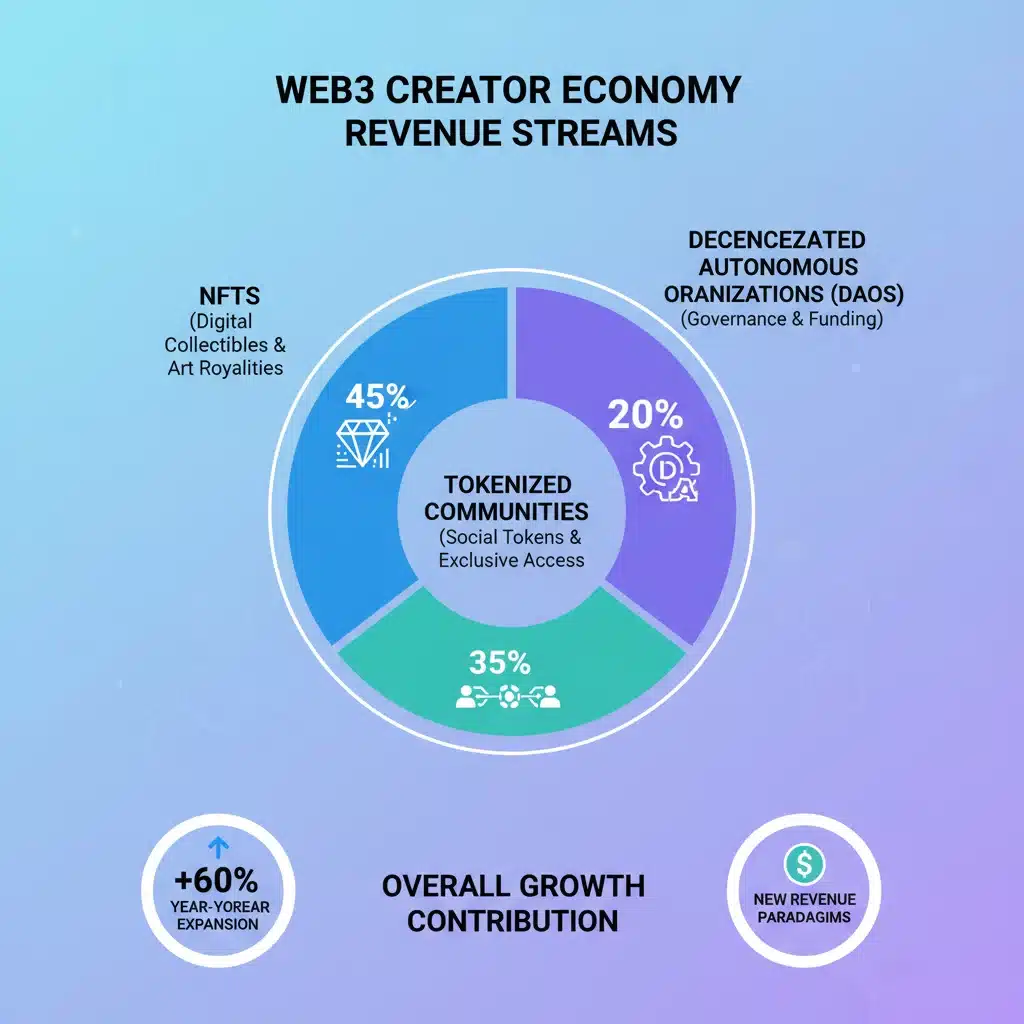
Challenges and Opportunities for U.S. Platforms
While the potential is immense, the transition to a Web3-powered creator economy is not without its challenges. Platforms must navigate regulatory uncertainties, educate their user base on new technologies, and address scalability and user experience issues inherent in nascent blockchain infrastructure.
Regulatory Landscape
The regulatory environment for cryptocurrencies and NFTs in the U.S. is still evolving. Platforms must stay agile and compliant with changing laws regarding digital assets, securities, and consumer protection. Clear regulations, when they arrive, could provide much-needed stability and encourage broader adoption.
User Education and Onboarding
Many creators and consumers are still unfamiliar with blockchain wallets, gas fees, and the intricacies of Web3. Platforms have a crucial role in simplifying the user experience and providing robust educational resources to lower the barrier to entry, making Web3 tools as intuitive as their Web2 counterparts.
Scalability and Infrastructure
Current blockchain networks can sometimes suffer from scalability issues (transaction speed and cost). As the Web3 Creator Economy grows, platforms will need to leverage or build upon scalable solutions like Layer 2 networks or alternative blockchains to ensure a smooth and efficient experience for millions of users.
Security and Fraud Prevention
The decentralized nature of Web3 also presents new security challenges, including smart contract vulnerabilities and phishing scams. Platforms must invest heavily in robust security measures and user protection protocols to build trust within the ecosystem.
Despite these hurdles, the opportunities for U.S. platforms are substantial. Those that strategically invest in Web3 infrastructure, prioritize creator empowerment, and focus on seamless user experiences are poised to capture a significant share of this growing market. The 25% revenue growth projection is a testament to the transformative power of these technologies when applied thoughtfully.
Key Strategies for Platforms to Leverage Web3
To achieve the projected revenue growth and solidify their position in the creator economy, U.S. platforms should consider the following strategic imperatives:
1. Integrate NFT Functionality Seamlessly
Platforms should look beyond simply hosting NFTs and aim for deep integration. This includes:
- Easy Minting Tools: Providing intuitive interfaces for creators to mint their own NFTs without needing extensive blockchain knowledge.
- Curated Marketplaces: Developing specialized marketplaces that cater to specific niches within their platform (e.g., music NFTs for a music streaming platform, gaming NFTs for a gaming platform).
- Royalty Management: Implementing automated systems for collecting and distributing secondary sale royalties to creators.
- Utility Integration: Exploring ways to give NFTs utility within the platform, such as access to exclusive content, features, or events.
2. Foster Token-Gated Communities
Building vibrant, token-gated communities can significantly enhance engagement and create new value. Platforms can:
- Support Social Token Launches: Provide tools and guidance for creators to launch their own social tokens.
- Develop Gating Mechanisms: Implement features that allow creators to restrict access to content, forums, or live streams based on token ownership.
- Incentivize Participation: Reward active community members with platform-specific tokens or NFTs, further gamifying engagement.
3. Explore Decentralized Governance Models (DAOs)
While full decentralization might be a long-term goal, platforms can start by experimenting with DAO-like structures for certain aspects of their ecosystem:
- Content Curation DAOs: Allow token holders to vote on content moderation, trending topics, or featured creators.
- Grant DAOs: Establish community-driven funds to support promising creators on the platform.
- Feature Proposal DAOs: Give token holders a say in the development of new platform features.
4. Prioritize Interoperability and Open Standards
Instead of building walled gardens, platforms should embrace interoperability. This means:
- Supporting Multiple Blockchains: Being flexible in supporting various blockchain networks to cater to different creator needs and reduce reliance on a single ecosystem.
- Adopting Open Standards: Utilizing open standards for digital assets and identities to ensure creators’ work and fan relationships are not locked into one platform.
- API Access: Providing robust APIs that allow third-party developers to build tools and services on top of their Web3 infrastructure.
5. Invest in Education and User Experience
The success of Web3 integration hinges on user adoption. Platforms must:
- Simplify Onboarding: Streamline the process of setting up crypto wallets, acquiring tokens, and understanding Web3 concepts.
- Provide Clear Documentation: Offer comprehensive guides, tutorials, and FAQs.
- Prioritize UX/UI: Design user interfaces that are as intuitive and seamless as Web2 applications, abstracting away the underlying complexity of blockchain technology.
6. Partner with Web3 Infrastructure Providers
Building Web3 infrastructure from scratch can be resource-intensive. Platforms can accelerate their adoption by partnering with existing Web3 service providers for:
- Wallet Integration: Leveraging established wallet providers.
- NFT Marketplace Solutions: Using white-label NFT marketplace services.
- Analytics and Security: Collaborating with Web3-specific analytics and security firms.
The Long-Term Vision: A Decentralized Future for the Creator Economy
The 25% revenue growth by 2026 is just the beginning. As Web3 technologies mature and become more accessible, the creator economy is poised for even more significant shifts. We could see a future where:
- Creators are True Owners: Every piece of content, every interaction, and every fan relationship is verifiably owned by the creator, not the platform.
- Algorithmic Transparency: Recommendation algorithms, often a black box on Web2 platforms, could become transparent and auditable on Web3, ensuring fairness and reducing bias.
- Global Reach with Local Impact: Web3 facilitates global transactions and communities, allowing creators to reach audiences worldwide while maintaining a strong connection with their local fan base.
- New Forms of Value Creation: Beyond traditional content, creators might tokenize experiences, intellectual property rights, or even their future creative output, opening up entirely new markets.
U.S. platforms that proactively embrace the principles of Web3 – decentralization, ownership, transparency, and community – will not only thrive financially but also play a pivotal role in shaping a more equitable and empowering digital landscape for creators globally. The journey will require continuous innovation, a willingness to experiment, and a deep understanding of both technology and human behavior.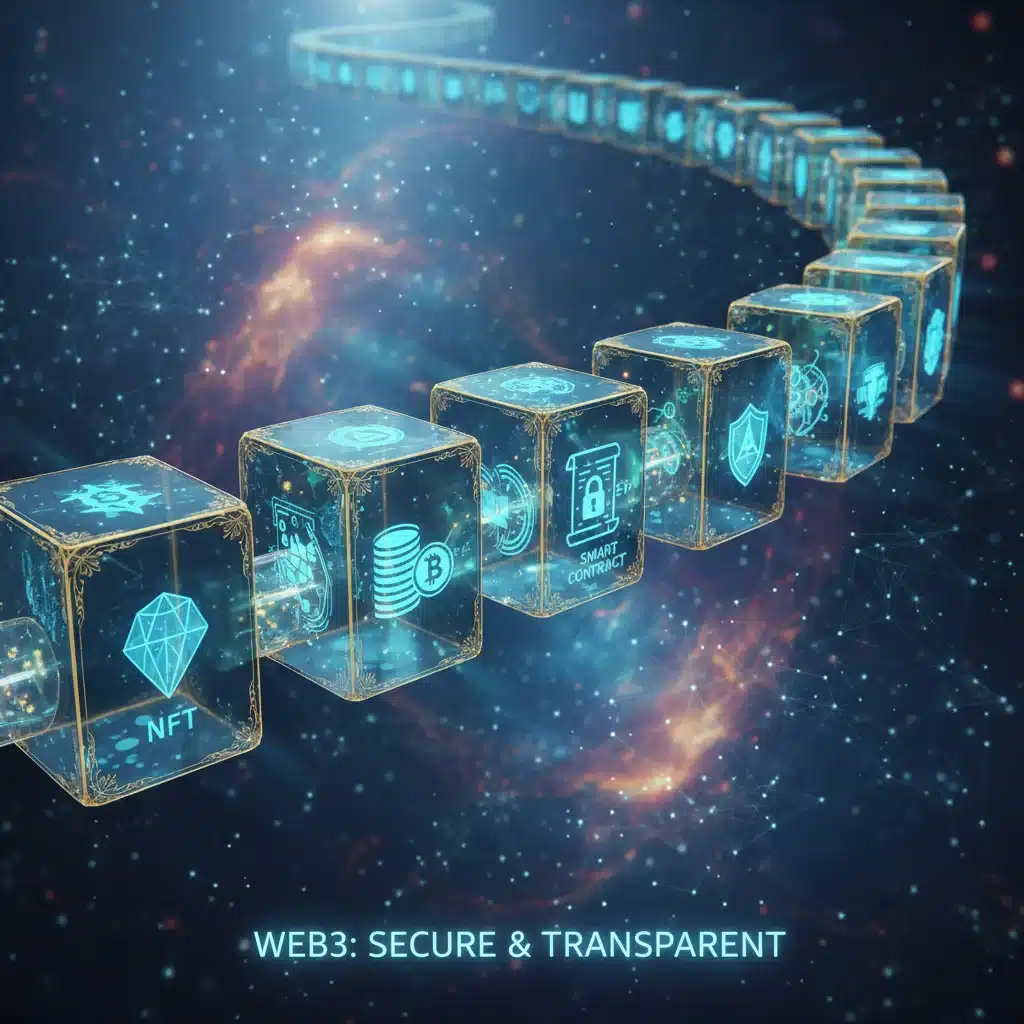
Conclusion
The convergence of Web3 and the creator economy represents one of the most exciting and financially promising trends of our time. For U.S. platforms, the opportunity to leverage blockchain, NFTs, and decentralized governance to boost revenue by an estimated 25% by 2026 is a compelling call to action. This growth will not come from incremental improvements to existing models but from a fundamental rethinking of how value is created, distributed, and owned in the digital realm.
Platforms that prioritize creator empowerment, enable direct monetization, foster active communities, and simplify the adoption of Web3 tools will emerge as leaders. While challenges remain, the clear financial incentives and the promise of a more equitable internet for creators make the investment in the Web3 Creator Economy an undeniable strategic imperative. The future of digital creativity is decentralized, and the platforms that pave the way will reap significant rewards.