Deepfakes in US Politics 2026: Identifying, Mitigating, and Protecting Democracy
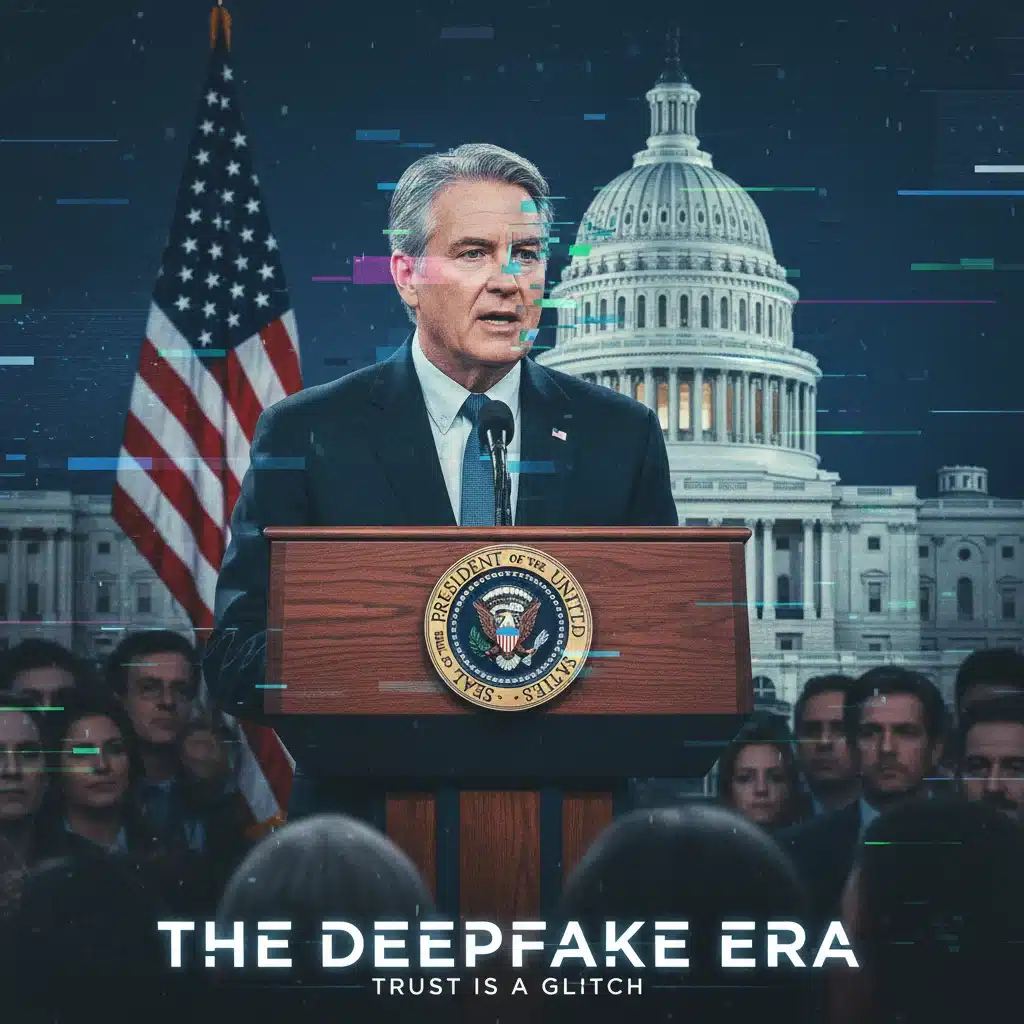
The landscape of modern politics is relentlessly evolving, driven by technological advancements that bring both unprecedented opportunities and formidable challenges. Among these challenges, the rise of deepfakes stands out as a particularly insidious threat, especially as we look towards the crucial 2026 U.S. political cycle. Deepfakes, synthetic media in which a person in an existing image or video is replaced with someone else’s likeness, are becoming increasingly sophisticated, making their detection more difficult and their potential for political disruption more profound. This article delves into the critical issue of deepfakes in US politics, exploring how to identify them, strategies for mitigation, and the urgent need to protect our democratic processes from their corrosive influence.
The Rise of Deepfakes in U.S. Politics: Identifying and Mitigating Risks in 2026 (TIME-SENSITIVE)
The year 2026 is not merely another election cycle; it represents a critical juncture where the maturity of deepfake technology could intersect with political campaigning to create unprecedented levels of disinformation. The stakes are incredibly high. The ability to convincingly fabricate audio, video, and images of political figures saying or doing things they never did could sway public opinion, undermine trust in institutions, and even incite social unrest. Understanding this threat is the first step towards effectively combating it.
Understanding the Evolution of Deepfake Technology
Deepfake technology has advanced rapidly since its inception. Initially characterized by noticeable artifacts and inconsistencies, modern deepfakes are often nearly indistinguishable from genuine content to the untrained eye. This evolution is primarily due to advancements in generative adversarial networks (GANs) and other machine learning techniques. These sophisticated algorithms can learn from vast datasets of real media to produce highly convincing fakes, capable of mimicking not just appearance but also speech patterns, mannerisms, and emotional expressions.
From Novelty to Weapon: How Deepfakes Threaten Democracy
What began as a novelty for entertainment or malicious non-political purposes has quickly morphed into a potent tool for political manipulation. The democratic process relies heavily on informed public discourse and trust in verifiable information. Deepfakes directly attack these foundational pillars by:
- Spreading Misinformation and Disinformation: Falsely attributing statements or actions to political candidates or officials can rapidly spread harmful narratives, erode public trust, and influence voter behavior.
- Creating Political Scandals: Fabricated videos or audio clips depicting scandalous behavior or controversial statements can be weaponized to damage reputations and derail campaigns.
- Inciting Social Division: Deepfakes can be used to exacerbate existing social tensions by creating false narratives that polarize communities and fuel animosity.
- Undermining Elections: Timed strategically, deepfakes can be released just before an election, leaving little time for fact-checking and rebuttal, thereby directly impacting electoral outcomes.
- Eroding Trust in Media: The proliferation of deepfakes makes it harder for the public to discern truth from fiction, leading to a general distrust of all media, including legitimate news sources.
The 2026 political landscape will likely see a significant uptick in the deployment of such tactics, not just from state-sponsored actors but also from domestic groups seeking to influence political outcomes. The accessibility of deepfake creation tools, even if rudimentary, means that the barrier to entry for producing deceptive content is lowering, making the threat more widespread.
Identifying Deepfakes: A Critical Skill for 2026 and Beyond
As deepfakes become more sophisticated, identifying them requires a combination of vigilance, critical thinking, and an understanding of the tell-tale signs. While no single method is foolproof, a multi-faceted approach can significantly improve detection rates.
Visual Cues and Anomalies
Even the most advanced deepfakes often leave subtle visual traces. Look for:
- Inconsistent Lighting and Shadows: The lighting on the manipulated face might not match the lighting in the rest of the scene, or shadows may fall unnaturally.
- Unusual Blinking Patterns: Deepfake algorithms sometimes struggle with realistic blinking. Look for infrequent blinking, or blinks that are too rapid or unnatural.
- Asymmetrical Features: While human faces are not perfectly symmetrical, deepfakes can sometimes exaggerate asymmetry or introduce unnatural distortions in features like eyes, ears, or mouth.
- Skin Tone and Texture Irregularities: The skin tone or texture of the manipulated face might appear too smooth, too grainy, or inconsistent with the rest of the body or environment.
- Distorted Backgrounds or Edges: The boundaries between the manipulated face and the original video’s head/neck area can sometimes show blurring, pixelation, or other artifacts.
- Unnatural Head or Body Movement: The head might appear detached from the body, or movements might seem stiff, jerky, or unnaturally smooth.
- Missing or Distorted Accessories: Glasses, earrings, or other accessories might disappear, change shape, or have unnatural reflections.
Audio Cues and Speech Patterns
Deepfake audio can also betray signs of manipulation:
- Monotone or Robotic Voice: The voice might lack natural inflection, emotion, or variations in pitch and rhythm.
- Inconsistent Background Noise: The background audio might cut out abruptly, change in volume, or not match the visual environment.
- Lip-Sync Issues: The audio might not perfectly synchronize with the mouth movements of the speaker, or the movements might appear unnatural.
- Unusual Word Emphasis or Pronunciation: Certain words or phrases might be emphasized oddly, or pronunciation might be slightly off compared to the known speaker.
Contextual and Source Verification
Beyond technical analysis, critical thinking and source verification are paramount:
- Consider the Source: Is the content coming from a reputable news organization or an unknown, unverified account? Be wary of content shared by anonymous or newly created profiles.
- Cross-Reference with Other Sources: Check if the alleged event or statement is reported by multiple, credible news outlets. If only one obscure source is reporting it, proceed with extreme caution.
- Look for Official Statements: Has the person or organization allegedly involved issued a statement or denial?
- Examine the Narrative: Does the content align with a known agenda or narrative that might benefit from its dissemination?
- Reverse Image/Video Search: Tools like Google Reverse Image Search or InVid/WeVerify can help trace the origin of an image or video and identify if it has been used out of context or manipulated.
Mitigation Strategies: Countering the Deepfake Threat in 2026
Successfully mitigating the risks posed by deepfakes in US politics requires a multi-pronged approach involving technology, legislation, education, and collective action. No single solution will suffice, but a combination of these strategies can create a robust defense.
Technological Solutions and Digital Forensics
The arms race between deepfake creators and detectors is ongoing. Advances in AI are being leveraged to develop sophisticated detection tools:
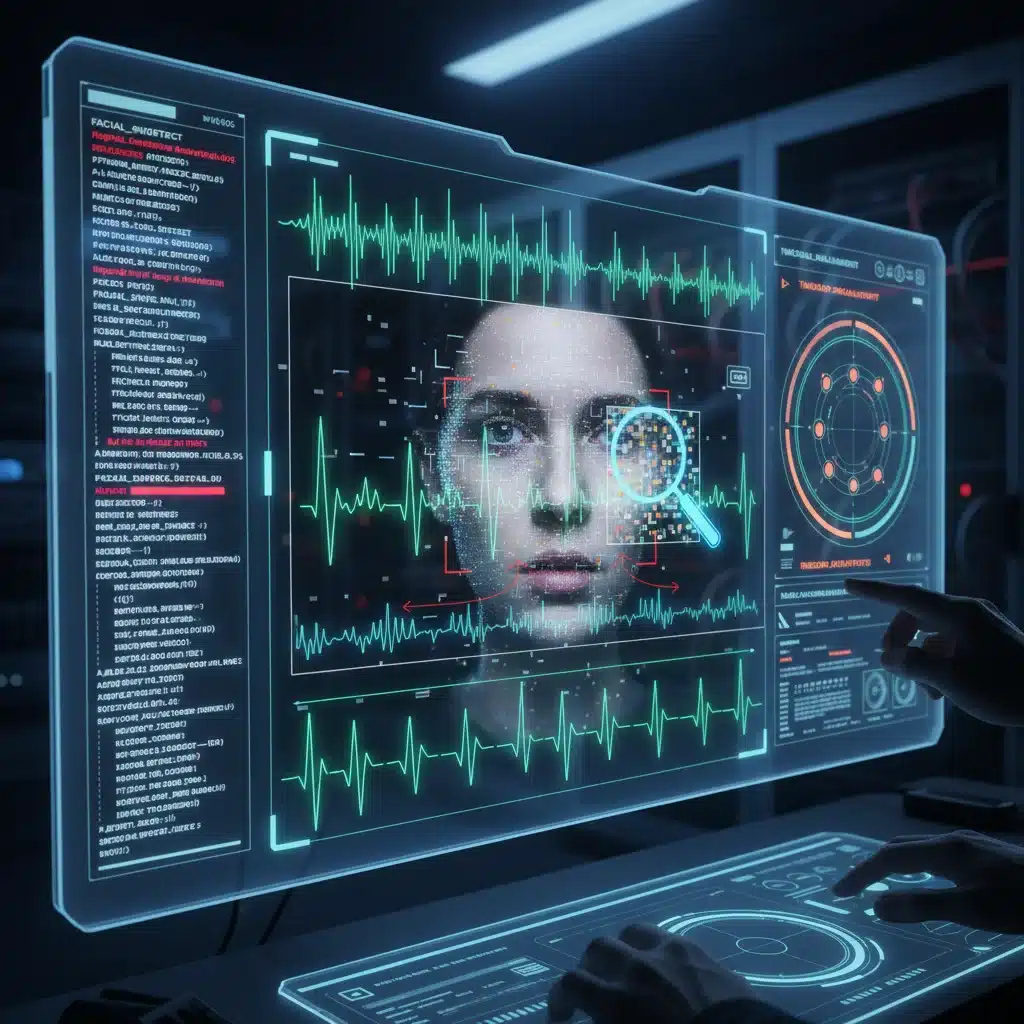
- AI-Powered Detection Software: Researchers are developing AI models specifically trained to identify deepfake artifacts, often outperforming human detection. These tools analyze subtle inconsistencies in facial expressions, head movements, and physiological signals like pulse.
- Digital Watermarking and Provenance: Implementing technologies that digitally watermark legitimate media or create an immutable chain of custody for digital content (e.g., using blockchain) can help verify authenticity. The Coalition for Content Provenance and Authenticity (C2PA) is a notable effort in this direction.
- Metadata Analysis: Examining the metadata of files can sometimes reveal inconsistencies, such as different creation dates or software used, that suggest manipulation.
- Biometric Analysis: Future detection might involve more advanced biometric analysis, looking for inconsistencies in unique human characteristics that are difficult for AI to replicate perfectly.
Legislative and Regulatory Frameworks
Governments and regulatory bodies have a crucial role to play in establishing legal deterrents and frameworks:
- Criminalizing Malicious Deepfakes: Legislation that specifically criminalizes the creation and dissemination of deepfakes with intent to deceive, defame, or interfere with elections is vital. Several U.S. states have already begun to enact such laws.
- Transparency Requirements: Mandating disclosure for AI-generated content, especially in political advertising, could help inform the public. Labels like ‘AI-generated’ or ‘synthetic media’ could become standard.
- Platform Accountability: Holding social media platforms accountable for the rapid spread of deepfakes and requiring them to implement robust detection and removal policies can significantly curb their impact.
- International Cooperation: Given the global nature of disinformation campaigns, international collaboration on standards and enforcement mechanisms is essential.
Media Literacy and Public Education
Perhaps the most powerful defense against deepfakes is an informed and critical citizenry:
- Public Awareness Campaigns: Governments, NGOs, and educational institutions should launch extensive campaigns to educate the public about what deepfakes are, how they work, and how to identify them.
- Critical Thinking Skills: Promoting critical thinking and media literacy from an early age is crucial. Teaching individuals to question sources, evaluate evidence, and understand the motivations behind information dissemination builds resilience against manipulation.
- Fact-Checking Initiatives: Supporting and expanding independent fact-checking organizations is vital. These organizations play a crucial role in debunking false narratives and providing reliable information.
- Training for Journalists and Educators: Equipping journalists with tools and training to detect deepfakes, and empowering educators to teach media literacy effectively, are key components of a robust defense.
Ethical AI Development and Responsible Use
The developers of AI technology also bear a responsibility:
- Ethical Guidelines: Promoting ethical guidelines for AI development, emphasizing the prevention of misuse, can guide researchers and developers.
- Built-in Safeguards: Encouraging the integration of safeguards into AI generation tools that prevent the creation of malicious deepfakes or embed invisible watermarks can be a proactive measure.
- Research into Robustness: Investing in research that makes AI models more robust against adversarial attacks and manipulation can strengthen detection capabilities.
The Role of Social Media Platforms in Combating Deepfakes
Social media platforms are the primary conduits for the rapid dissemination of deepfakes, making their role in mitigation absolutely critical. Their responsibilities include:
- Proactive Detection and Removal: Implementing advanced AI-powered systems to proactively detect deepfakes and remove them before they go viral.
- Content Moderation at Scale: Investing heavily in human content moderators trained to identify sophisticated deepfakes and contextual disinformation.
- Transparency and Labeling: Clearly labeling synthetic media and providing context to users when content is identified as manipulated.
- Partnerships with Fact-Checkers: Collaborating closely with independent fact-checking organizations to verify content and flag misinformation.
- Demoting or Restricting Harmful Content: Adjusting algorithms to demote or restrict the reach of deepfakes and other harmful synthetic media.
- User Reporting Mechanisms: Providing easy-to-use and effective reporting mechanisms for users to flag suspicious content.
The pressure on these platforms will intensify significantly by 2026. Their ability to adapt and implement effective strategies will be a major determinant in how well democracies can withstand the deepfake onslaught.
Case Studies and Precedents: Learning from Past Incidents
While the full impact of deepfakes in a major U.S. election is yet to be seen, several incidents have highlighted their potential:
- Belgium’s Deepfake of Prime Minister: In 2020, a deepfake video of Belgian Prime Minister Sophie Wilmès was created, seemingly calling for action against climate change but actually promoting a political agenda. This demonstrated how deepfakes could be used to put words into leaders’ mouths.
- Ukrainian President Zelenskyy Deepfake: Early in the 2022 Russian invasion of Ukraine, a deepfake video of President Volodymyr Zelenskyy surfaced, appearing to tell his soldiers to surrender. This was quickly debunked but showed the potential for deepfakes in wartime propaganda.
- Voice Deepfakes for Financial Fraud: Beyond politics, there have been numerous instances of voice deepfakes used in financial scams, where fraudsters impersonate CEOs or family members to trick victims into transferring money. These underscore the growing sophistication of audio manipulation.
These examples serve as stark warnings of what could become commonplace in the 2026 U.S. political cycle if robust defenses are not in place.
Protecting the Integrity of the 2026 Elections and Beyond
The integrity of the 2026 elections hinges on our collective ability to identify and mitigate the risks posed by deepfakes in US politics. This is not merely a technological problem; it is a societal challenge that demands a coordinated response from policymakers, tech companies, media organizations, educators, and individual citizens.
A Call to Action for Voters
As voters, our responsibility is paramount. We must cultivate a healthy skepticism towards all digital content, especially that which evokes strong emotions or confirms existing biases. Before sharing, ask:
- Is this too good (or too bad) to be true?
- Where did this content originate?
- Are there other reputable sources reporting the same information?
- Does anything about the audio or video seem unnatural?
Government and Policy Response
Governments must accelerate efforts to:
- Enact comprehensive legislation against malicious deepfakes.
- Fund research into advanced deepfake detection and provenance technologies.
- Collaborate with international partners to combat cross-border disinformation.
- Support and empower election officials with resources and training to address deepfake threats.
Tech Industry’s Imperative
Tech companies, especially social media platforms, must prioritize democratic integrity over engagement metrics by:
- Investing more in AI detection and human moderation.
- Implementing clear labeling for synthetic content.
- Enforcing strict policies against the spread of harmful deepfakes.
- Developing and adopting open standards for content authenticity and provenance.

Conclusion: A Collective Defense Against Digital Deception
The threat of deepfakes in US politics in 2026 is real, imminent, and requires immediate attention. The sophistication of these AI-generated deceptions means that traditional methods of fact-checking may no longer be sufficient. Instead, a robust, multi-layered defense mechanism is needed, one that integrates cutting-edge technology with proactive legislation, widespread media literacy education, and ethical commitments from AI developers.
Protecting our democratic processes is a shared responsibility. By understanding the nature of the threat, developing critical identification skills, and advocating for comprehensive mitigation strategies, we can collectively build a more resilient information ecosystem. The time to act is now, ensuring that the integrity of our elections and the trust in our institutions remain uncompromised in the face of evolving digital deception. The future of U.S. politics, and indeed global democracy, depends on our ability to navigate this complex and challenging technological landscape with foresight and determination.