Bio-Integrated Technologies: 6 Breakthroughs Redefining Healthcare in 2026
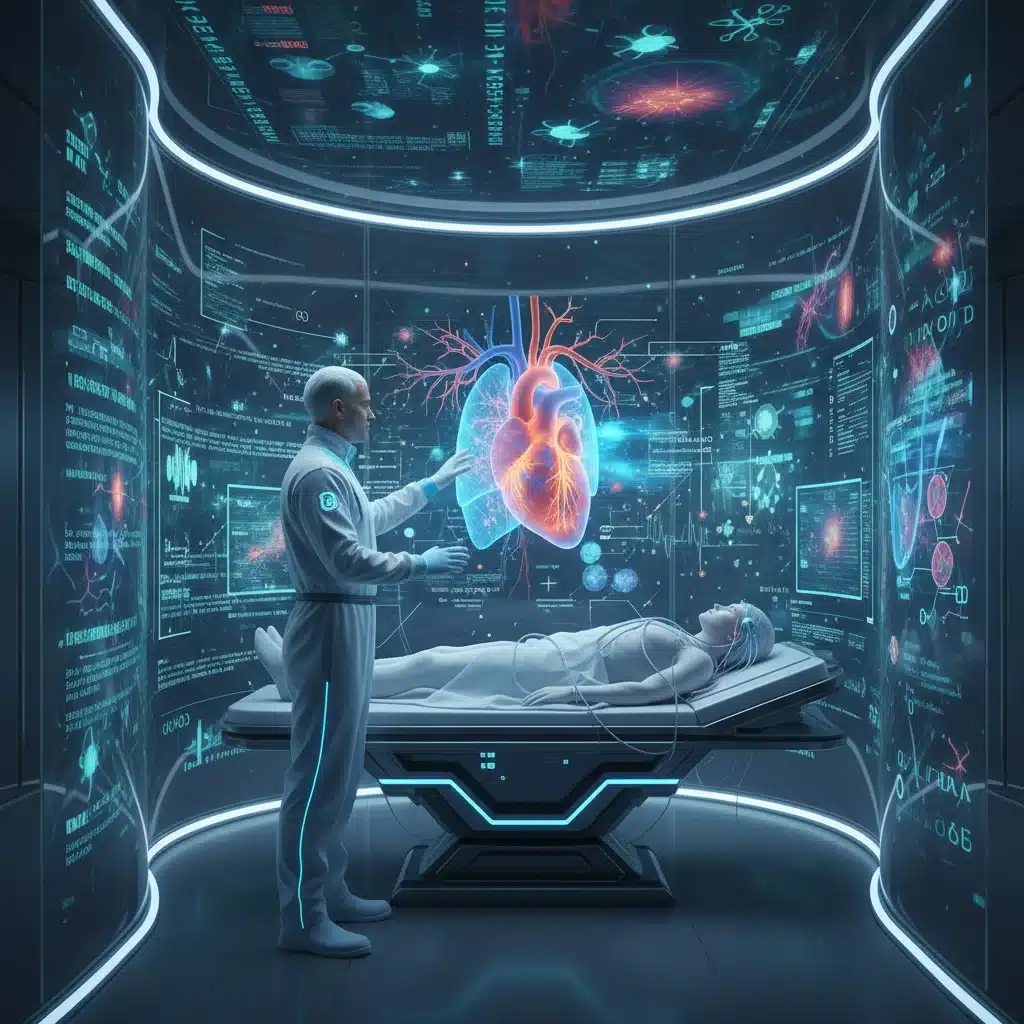
The landscape of healthcare is on the brink of an unprecedented transformation, driven by the relentless march of technological innovation. As we approach 2026, a new generation of Bio-Integrated Healthcare Technologies is emerging, promising to revolutionize how we diagnose, treat, and prevent diseases. These breakthroughs are not just incremental improvements; they represent fundamental shifts in our approach to health, moving towards more personalized, predictive, preventive, and participatory (P4) medicine.
From intelligent implants that monitor our internal chemistry to advanced bioprinting creating custom organs, the integration of biology and technology is creating a synergy that was once confined to the realm of science fiction. This article will explore six of the most impactful Bio-Integrated Healthcare Technologies poised to redefine healthcare in the coming years, offering a glimpse into a future where health is not just about reacting to illness, but proactively nurturing well-being.
1. Advanced Wearable Biosensors and "Smart" Implants
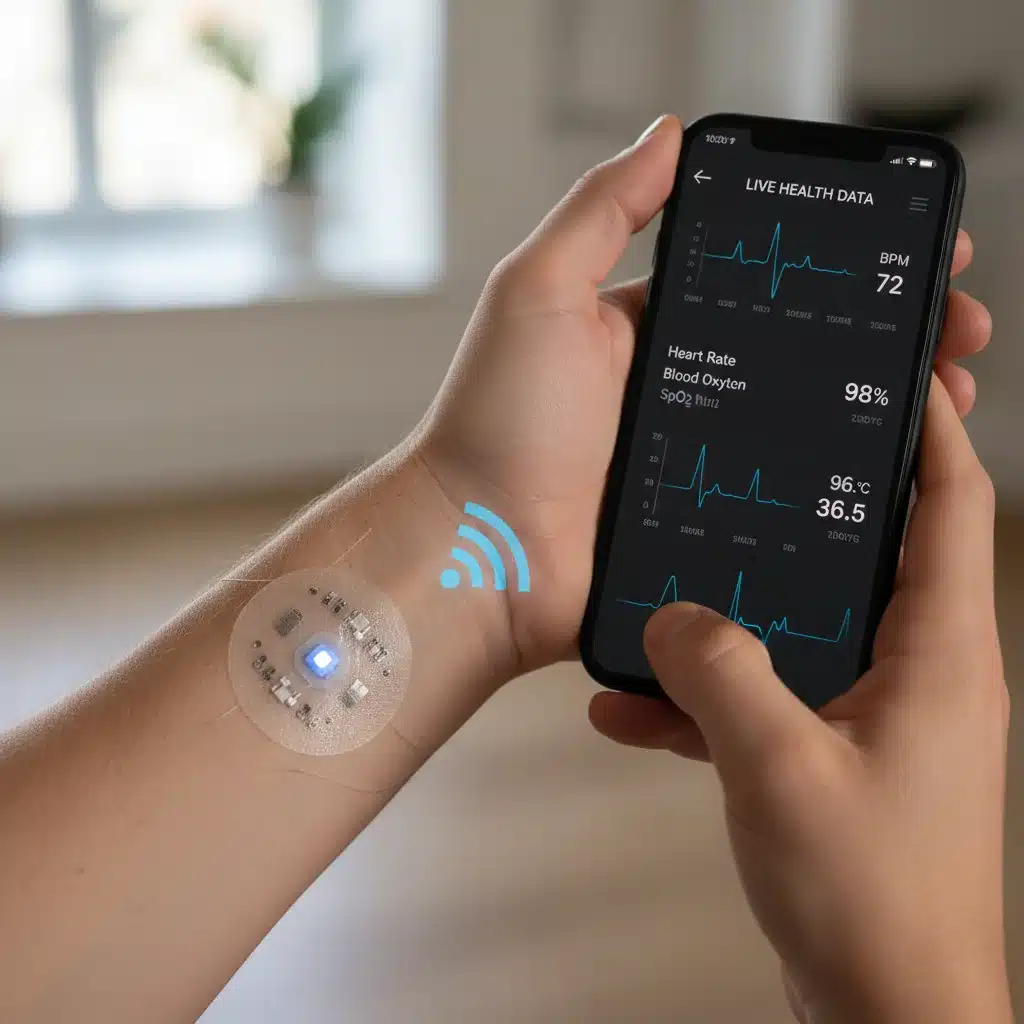
The concept of wearable technology has evolved far beyond simple fitness trackers. Today, advanced wearable biosensors are becoming sophisticated diagnostic tools, capable of continuously monitoring a vast array of physiological parameters with unprecedented accuracy. These devices, often seamlessly integrated into everyday items like patches, rings, or even contact lenses, can track heart rate variability, glucose levels, oxygen saturation, hydration, and even specific biomarkers indicative of disease onset.
By 2026, we anticipate these biosensors will be even more ubiquitous and integrated, providing real-time data streams directly to healthcare providers and AI-powered platforms. This continuous monitoring will enable early detection of health deviations, allowing for prompt intervention and personalized treatment adjustments. Imagine a sensor that can detect the early signs of a viral infection days before symptoms appear, or one that precisely predicts a diabetic patient’s insulin needs based on their activity and diet in real-time.
Beyond wearables, "smart" implants are pushing the boundaries of internal monitoring and therapeutic delivery. These miniature, biocompatible devices can be surgically placed to monitor chronic conditions, administer medications on demand, or even stimulate nerves to alleviate pain or restore function. For example, neural implants are showing promise in managing neurological disorders like Parkinson’s disease and epilepsy, while glucose-monitoring implants are providing precise, continuous data for diabetes management, far surpassing traditional finger-prick methods. The data generated by these advanced Bio-Integrated Healthcare Technologies will form the backbone of truly personalized medicine, moving away from one-size-fits-all approaches.
2. AI-Powered Precision Diagnostics and Predictive Analytics
The sheer volume of data generated by advanced biosensors and genomic sequencing requires sophisticated analytical tools. This is where Artificial Intelligence (AI) shines, acting as the brain behind the brawn of Bio-Integrated Healthcare Technologies. AI algorithms are becoming incredibly adept at sifting through complex biological datasets, identifying patterns and correlations that are imperceptible to the human eye.
By 2026, AI-powered precision diagnostics will be a cornerstone of healthcare. Imagine a system that can analyze a patient’s genetic profile, lifestyle data from wearables, and environmental factors to predict their susceptibility to certain diseases years in advance. This predictive capability allows for proactive lifestyle modifications and preventive interventions, significantly reducing the burden of chronic illness.
Furthermore, AI will enhance diagnostic accuracy by analyzing medical images (X-rays, MRIs, CT scans) and pathology slides with unparalleled speed and precision, often surpassing human capabilities in detecting subtle anomalies. Machine learning models, trained on vast datasets of patient outcomes, will assist clinicians in making more informed treatment decisions, tailoring therapies to individual patient responses. This integration of AI with biological data is not just about efficiency; it’s about unlocking deeper insights into human health and disease, making healthcare smarter and more effective. The future of diagnostics is intrinsically linked to these intelligent Bio-Integrated Healthcare Technologies.
3. Gene Editing with CRISPR-Cas9 for Therapeutic Applications
CRISPR-Cas9, often hailed as one of the most significant scientific breakthroughs of our time, continues to rapidly advance in its therapeutic applications. This revolutionary gene-editing technology allows scientists to precisely cut and paste DNA sequences, effectively correcting genetic mutations responsible for a vast array of diseases. While still in relatively early stages for widespread clinical use, the progress towards therapeutic application by 2026 is astounding.
Currently, clinical trials are underway for using CRISPR to treat genetic blood disorders like sickle cell anemia and beta-thalassemia, as well as certain forms of cancer and inherited eye diseases. The promise of CRISPR extends to potentially curing thousands of monogenic diseases, where a single gene defect is responsible for the condition. Beyond inherited disorders, researchers are exploring its use in developing new antiviral therapies and even enhancing immune responses against cancer.
The ethical considerations surrounding gene editing are complex and actively debated, but the scientific community is making significant strides in ensuring responsible development. As the technology matures and delivery methods become more efficient and targeted, CRISPR-based therapies will become an integral part of Bio-Integrated Healthcare Technologies, offering curative options for conditions previously deemed untreatable. The ability to directly manipulate the human genome opens up a new frontier in medicine, moving beyond symptom management to addressing the root cause of disease.
4. Organ-on-a-Chip and Advanced Bioprinting
The development of "organ-on-a-chip" technology and advanced bioprinting represents a paradigm shift in drug discovery, disease modeling, and regenerative medicine. These Bio-Integrated Healthcare Technologies are designed to mimic human physiology outside the body with remarkable accuracy.
Organ-on-a-chip devices are microfluidic systems that contain living human cells engineered to simulate the functions and mechanical properties of entire organs. These tiny, transparent chips can replicate the complex physiological responses of lungs, hearts, livers, kidneys, and even brains. By 2026, these systems will be routinely used in pharmaceutical research to test drug efficacy and toxicity, significantly reducing the reliance on animal testing and accelerating the development of new medications. They also offer a personalized approach, allowing drug responses to be tested on a patient’s own cells, paving the way for truly individualized pharmacotherapy.
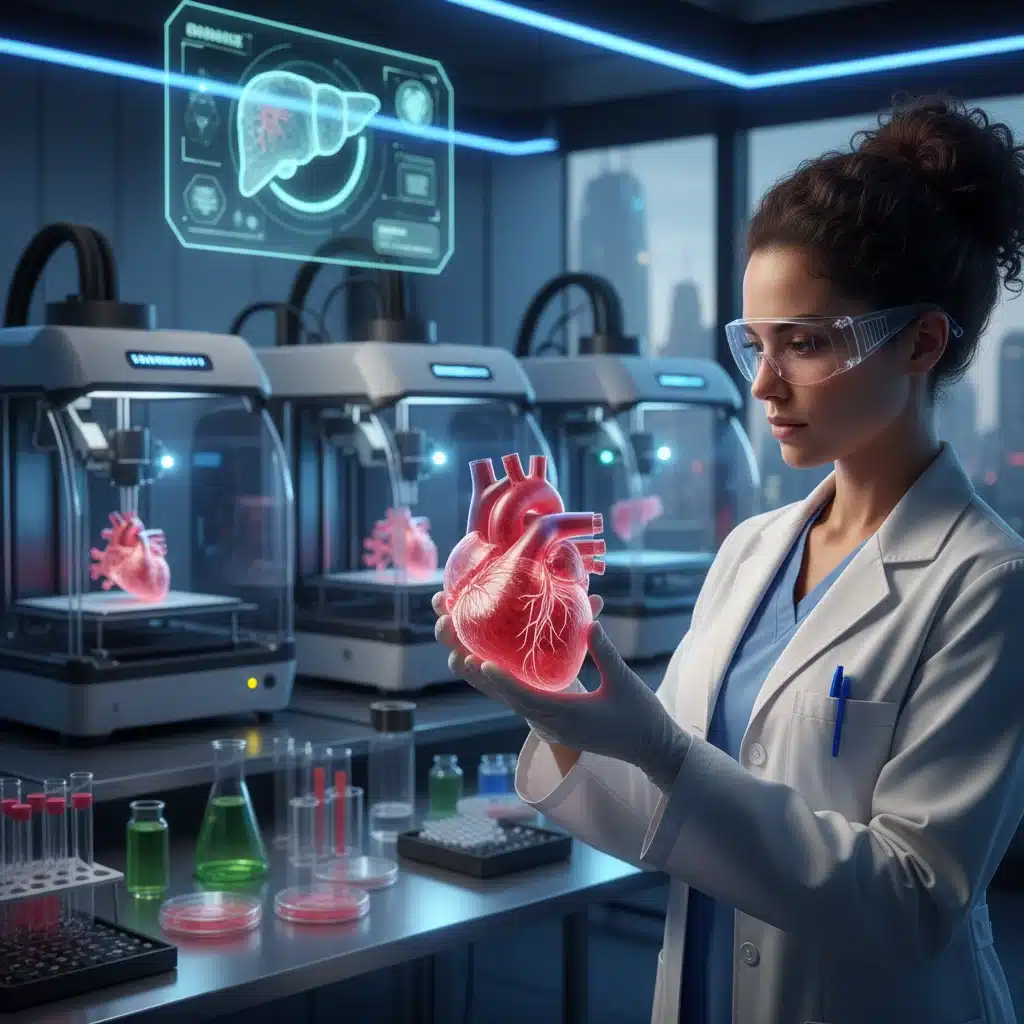
Advanced bioprinting, on the other hand, involves using 3D printing techniques to create biological tissues and organs layer by layer, using "bio-inks" composed of living cells and biocompatible materials. While printing fully functional, complex organs for transplantation is still a long-term goal, significant progress is expected by 2026 in printing simpler tissues for repair and replacement, such as skin grafts for burn victims, cartilage for joint repair, and even vascularized tissue patches for cardiac applications.
These technologies hold immense promise for addressing the critical shortage of donor organs and for personalized regenerative medicine. Imagine a future where damaged organs can be repaired or replaced with custom-made biological constructs, perfectly matched to the patient’s own body, minimizing rejection and improving outcomes. The synergy between organ-on-a-chip for testing and bioprinting for creation will unlock new possibilities in medical treatment, fundamentally changing how we approach organ failure and tissue damage, making these truly transformative Bio-Integrated Healthcare Technologies.
5. Nanobots and Targeted Drug Delivery Systems
The concept of microscopic robots navigating the human body to deliver drugs or perform intricate tasks has long been a staple of science fiction. However, with advancements in nanotechnology and bio-integration, nanobots and highly targeted drug delivery systems are rapidly moving from fiction to reality. These Bio-Integrated Healthcare Technologies promise unprecedented precision in medicine.
By 2026, we can expect to see significant clinical applications of nanoscale drug delivery systems. These systems often involve nanoparticles engineered to encapsulate therapeutic agents and deliver them directly to diseased cells or tissues, minimizing collateral damage to healthy cells. This approach is particularly transformative in cancer treatment, where traditional chemotherapy often harms healthy cells alongside cancerous ones. Targeted nanoparticles can be designed to recognize specific biomarkers on cancer cells, releasing their payload only where it’s needed, leading to fewer side effects and higher treatment efficacy.
Beyond passive targeting, active nanobots are under development that can be guided by external fields (magnetic, acoustic) or respond to internal bodily cues (pH changes, enzyme activity) to navigate to specific sites. While fully autonomous nanobots performing complex surgical tasks are still further off, simpler "theranostic" nanobots that combine diagnostic imaging with therapeutic delivery are becoming a reality. These tiny agents can detect early-stage tumors and simultaneously deliver a potent anticancer drug, offering a powerful one-two punch against disease. The precision offered by these nanotechnological Bio-Integrated Healthcare Technologies will revolutionize how we administer medicine, making treatments far more effective and less invasive.
6. Neuroprosthetics and Brain-Computer Interfaces (BCIs)
For individuals living with neurological disorders, paralysis, or limb loss, neuroprosthetics and Brain-Computer Interfaces (BCIs) offer a beacon of hope, promising to restore function and enhance quality of life. These advanced Bio-Integrated Healthcare Technologies create direct communication pathways between the brain and external devices, or even between different parts of the nervous system.
By 2026, significant strides are anticipated in the development and clinical deployment of more sophisticated neuroprosthetics. Already, cochlear implants have restored hearing to millions, and retinal implants are helping to restore sight. The next generation will see more intuitive and functional prosthetic limbs that can be controlled directly by thought, offering a level of dexterity and sensory feedback previously unimaginable. These advanced prostheses are integrated with neural interfaces that allow users to "feel" what their prosthetic hand touches, providing a more natural and intuitive experience.
Brain-Computer Interfaces (BCIs) are perhaps the most exciting and rapidly advancing area. Non-invasive BCIs are already used for controlling wheelchairs or communicating through thought. Invasive BCIs, which involve surgically implanted electrodes, are demonstrating remarkable success in allowing paralyzed individuals to control robotic arms, operate computers, and even communicate through synthesized speech, purely by thinking. The goal is to restore independent function and communication for those with severe motor impairments.
Furthermore, BCIs are being explored for their therapeutic potential in treating conditions like chronic pain, depression, and even memory loss. The ability to directly modulate brain activity offers a powerful new avenue for neurological and psychiatric treatment. While ethical considerations and long-term safety are paramount, the rapid progress in neuroprosthetics and BCIs promises to redefine human potential and dramatically improve the lives of millions, solidifying their place as critical Bio-Integrated Healthcare Technologies.
The Ethical and Societal Implications of Bio-Integrated Technologies
As with any transformative technological advancement, the rise of Bio-Integrated Healthcare Technologies brings with it a host of ethical and societal considerations that demand careful thought and proactive planning. While the benefits in terms of disease prevention, treatment, and quality of life are immense, we must also grapple with the potential challenges. These include issues of data privacy and security, as continuous monitoring systems collect highly sensitive personal health information. Who owns this data, how is it protected, and who has access to it?
Another significant concern revolves around equity and access. Will these cutting-edge technologies, often initially expensive, exacerbate existing healthcare disparities, creating a divide between those who can afford advanced bio-integrated solutions and those who cannot? Ensuring equitable access to these life-changing advancements will be crucial to avoid a two-tiered healthcare system.
Furthermore, the very definition of human enhancement comes into question. As neuroprosthetics become more sophisticated and gene editing more precise, where do we draw the line between therapy and enhancement? The ability to augment human capabilities through technology raises profound philosophical and societal questions about identity, fairness, and the very nature of humanity. Public discourse, informed by scientific understanding and ethical frameworks, will be essential in navigating these complex issues responsibly.
The regulatory landscape also needs to evolve rapidly to keep pace with these innovations. Traditional regulatory pathways may not be adequate for complex bio-integrated systems that combine hardware, software, and biological components. Striking the right balance between fostering innovation and ensuring patient safety will be a continuous challenge for governments and healthcare authorities worldwide. Addressing these ethical and societal implications proactively will be key to harnessing the full potential of Bio-Integrated Healthcare Technologies for the benefit of all.
Conclusion: A Healthier Future Driven by Bio-Integration
The year 2026 is poised to be a landmark period for healthcare, characterized by the widespread adoption and further development of these six groundbreaking Bio-Integrated Healthcare Technologies. From the continuous, personalized insights provided by advanced biosensors and AI, to the curative potential of gene editing and bioprinting, and the life-changing capabilities of neuroprosthetics, the future of medicine is undeniably integrated.
These innovations promise a future where healthcare is not just reactive but proactive, personalized, and profoundly more effective. Patients will have greater control over their health data and treatment choices, while clinicians will be empowered with unprecedented tools for diagnosis and intervention. The synergy between biology and technology is creating an ecosystem where human health is understood and managed with a level of precision and foresight that was once unimaginable.
While challenges related to ethics, access, and regulation remain, the trajectory of Bio-Integrated Healthcare Technologies points towards a healthier, more resilient, and more equitable future for all. As these breakthroughs continue to mature, they will not only transform medical practice but also redefine our very understanding of health, wellness, and human potential. The coming years will undoubtedly be an exciting time for anyone invested in the future of healthcare.