Data Breach Costs 2026: Financial Impact & Consumer Trust in the U.S.

The Hidden Costs of Data Breaches in 2026: A Look at U.S. Consumer Trust and Financial Impact
In an increasingly interconnected world, the threat of cyberattacks looms larger than ever. For businesses across the United States, data breaches are not just an inconvenience; they represent a catastrophic blow to finances, reputation, and, crucially, consumer trust. As we look towards 2026, the landscape of cyber threats is evolving rapidly, making it imperative for organizations to understand the multifaceted and escalating Data Breach Financial Impact. This article delves deep into the projected costs, the erosion of consumer confidence, and the strategic measures businesses must adopt to navigate this perilous digital environment.
The Escalating Financial Impact of Data Breaches
The immediate and direct costs of a data breach are often the most visible, yet they are merely the tip of the iceberg. By 2026, these costs are projected to soar, driven by several factors including increased regulatory scrutiny, sophisticated attack methods, and the sheer volume of data being processed. The average cost of a data breach in the U.S. already far surpasses that of other regions globally, and this trend is expected to continue upwards. This significant Data Breach Financial Impact encompasses a wide array of expenditures.
Direct Financial Losses: A Comprehensive Breakdown
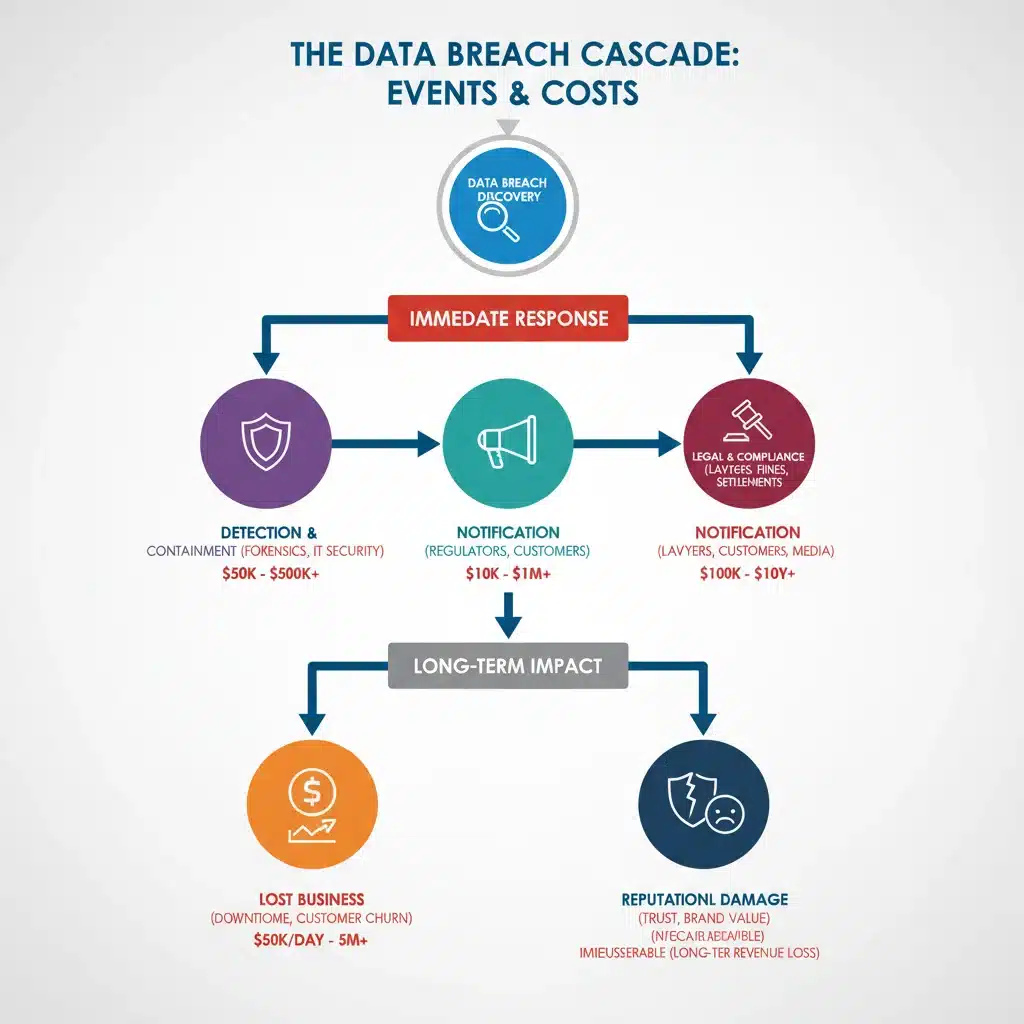
When a data breach occurs, companies face an immediate financial drain from various sources. These direct costs are meticulously calculated and can quickly cripple even well-established organizations. Understanding each component is crucial for developing robust financial preparedness plans.
- Investigation and Forensics: Immediately following a breach, companies must invest heavily in identifying the source, scope, and nature of the attack. This involves hiring cybersecurity forensics experts, often at premium rates, to conduct thorough investigations. These experts analyze compromised systems, recover data, and patch vulnerabilities, all while the clock is ticking and potential further damage looms.
- Notification Costs: Depending on the number of affected individuals and the states they reside in, companies are legally obligated to notify them of the breach. This involves postal mail, email campaigns, and sometimes even public announcements, all of which incur significant costs. Each notification letter, call center operation, and website update adds to the overall expense, directly contributing to the Data Breach Financial Impact.
- Regulatory Fines and Penalties: The regulatory landscape for data privacy is becoming increasingly stringent. Laws like the California Consumer Privacy Act (CCPA), and potential federal privacy laws, impose hefty fines for non-compliance and data mishandling. The European Union’s GDPR, while not directly U.S. law, often influences global companies and sets a precedent for severe penalties. These fines can range from millions to billions of dollars, depending on the severity and scope of the breach, making regulatory compliance a critical factor in mitigating Data Breach Financial Impact.
- Legal Fees and Litigation: Data breaches frequently lead to class-action lawsuits from affected individuals, business partners, and even shareholders. The legal costs associated with defending these lawsuits, settlements, and potential judgments can be astronomical, stretching over years and consuming vast corporate resources.
- Credit Monitoring and Identity Theft Protection: To mitigate harm to affected individuals, companies often offer free credit monitoring and identity theft protection services for a period of time. While a necessary step to rebuild trust, these services come with a substantial price tag, especially when thousands or millions of records are compromised.
- System Remediation and Upgrades: After a breach, companies must not only fix the immediate vulnerability but also invest in significant upgrades to their security infrastructure. This includes implementing new software, hardware, training staff, and overhauling existing systems to prevent future attacks. These long-term investments, while vital, add considerably to the immediate post-breach expenses.
The Erosion of Consumer Trust: An Immeasurable Cost
Beyond the quantifiable financial figures, the most insidious and long-lasting consequence of a data breach is the erosion of consumer trust. Trust is the bedrock of any successful business relationship, and once shattered, it is incredibly difficult to rebuild. This intangible cost has a profound Data Breach Financial Impact, albeit indirectly.
Loss of Reputation and Brand Value
A data breach can severely tarnish a company’s reputation. News of a breach spreads rapidly, often amplified by social media, leading to negative public perception. Consumers may view the company as careless, incompetent, or untrustworthy, leading to a significant drop in brand value. This reputational damage can take years to repair, even with substantial marketing and public relations efforts.
Customer Churn and Lost Business
When customers lose trust, they often take their business elsewhere. This direct customer churn translates into lost revenue and market share. Potential new customers, wary of the company’s security track record, may also opt for competitors. The long-term impact on customer acquisition and retention significantly contributes to the overall Data Breach Financial Impact, making it harder for businesses to grow and thrive.
Impact on Employee Morale and Productivity
A data breach doesn’t just affect external stakeholders; it also has a detrimental effect on internal teams. Employees may feel demoralized, questioning the company’s ability to protect their own data and that of their customers. This can lead to decreased productivity, higher employee turnover, and difficulty attracting top talent, further exacerbating the Data Breach Financial Impact through operational inefficiencies.
Regulatory Landscape in 2026: A Tightening Grip
By 2026, the regulatory environment surrounding data privacy and security in the U.S. is expected to be even more stringent. While a comprehensive federal privacy law remains a topic of debate, individual states are likely to continue enacting their own robust regulations, creating a complex patchwork of compliance requirements for businesses operating nationwide. This evolving landscape directly influences the potential Data Breach Financial Impact.
State-Specific Privacy Laws
States like California, Virginia, and Colorado have already set precedents with their consumer privacy acts. We can anticipate more states following suit, each with unique requirements for data collection, processing, and breach notification. Companies must navigate these varied regulations, ensuring compliance across all jurisdictions where their customers reside. Failure to do so significantly increases the risk of fines and legal action, adding to the Data Breach Financial Impact.
Increased Enforcement and Accountability
Regulatory bodies are expected to intensify their enforcement efforts. This means not only higher fines but also greater scrutiny of a company’s cybersecurity practices before, during, and after a breach. Executives and board members may face increased personal accountability, pushing cybersecurity further up the corporate agenda.
Mitigating the Data Breach Financial Impact: Strategies for 2026
Given the severe consequences, proactive measures are paramount for businesses looking to protect themselves from the escalating Data Breach Financial Impact. A multi-layered approach to cybersecurity, coupled with a robust incident response plan, is no longer optional but essential for survival in the digital age.
1. Robust Cybersecurity Infrastructure
Investment in advanced cybersecurity technologies is foundational. This includes:
- AI-Powered Threat Detection: Leveraging artificial intelligence and machine learning to detect anomalous behavior and potential threats in real-time, often before they escalate into full-blown breaches.
- Multi-Factor Authentication (MFA): Implementing MFA across all systems and applications to add an extra layer of security beyond just passwords.
- Encryption: Encrypting sensitive data both in transit and at rest, making it unreadable to unauthorized parties even if it is compromised.
- Regular Security Audits and Penetration Testing: Continuously assessing vulnerabilities through independent audits and simulated attacks to identify and address weaknesses before malicious actors exploit them.
2. Comprehensive Employee Training
Human error remains a leading cause of data breaches. Therefore, ongoing and comprehensive employee training is critical. This should cover:
- Phishing Awareness: Educating employees to recognize and report phishing attempts, which are a common entry point for attackers.
- Data Handling Best Practices: Training on how to properly handle, store, and transmit sensitive data, adhering to company policies and regulatory requirements.
- Incident Reporting Procedures: Ensuring all employees know how to identify and report potential security incidents immediately, enabling a swift response that can minimize Data Breach Financial Impact.
3. Incident Response Planning (IRP)
A well-defined and regularly tested Incident Response Plan is crucial for minimizing the damage and Data Breach Financial Impact of a breach. An IRP should include:
- Clear Roles and Responsibilities: Defining who does what during a breach, from IT security to legal, communications, and executive leadership.
- Communication Strategy: Preparing templates and protocols for communicating with affected individuals, regulators, media, and internal stakeholders. Transparency and timely communication can help mitigate reputational damage.
- Containment and Eradication Procedures: Step-by-step guides for isolating compromised systems, eradicating malware, and restoring operations securely.
- Post-Incident Review: A process for analyzing the breach, identifying lessons learned, and implementing improvements to prevent recurrence.
4. Data Minimization and Governance
The less data an organization holds, the less there is to lose in a breach. Implementing data minimization principles involves:
- Collecting Only Necessary Data: Limiting the collection of personal and sensitive information to only what is absolutely required for business operations.
- Data Retention Policies: Establishing and adhering to clear policies for how long data is stored, ensuring that outdated or unnecessary data is securely deleted.
- Data Mapping: Understanding where all sensitive data resides within the organization’s systems, making it easier to protect and respond in case of an incident.

5. Cyber Insurance
While preventative measures are essential, cyber insurance can provide a financial safety net to help cover some of the direct costs associated with a data breach. Policies vary widely, but they can cover expenses such as legal fees, forensic investigation, notification costs, and even business interruption. However, it’s crucial to understand the policy’s limits and exclusions, and cyber insurance should be viewed as a component of a broader risk management strategy, not a standalone solution.
The Future of Data Security and Trust in the U.S.
As we move towards 2026, the interplay between technological advancements, evolving cyber threats, and public perception will continue to shape the landscape of data security. The onus is increasingly on businesses to not only protect data but also to actively demonstrate their commitment to privacy and security to their customers. Those who prioritize robust cybersecurity and transparent communication will be better positioned to weather the storm of potential breaches and maintain consumer loyalty.
The concept of ‘privacy by design’ will become more ingrained in product development and service delivery, ensuring that security is not an afterthought but an integral part of the business model from inception. Furthermore, collaborative efforts between government agencies, industry leaders, and cybersecurity researchers will be vital in sharing threat intelligence and developing collective defense strategies against sophisticated adversaries.
The competitive advantage will increasingly shift towards companies that can genuinely assure their customers of data safety. This means not just meeting compliance requirements but exceeding them, fostering a culture of security throughout the entire organization. Businesses that fail to adapt and invest adequately in their cybersecurity posture will find themselves facing not only significant regulatory penalties but also an irreversible loss of market standing and customer goodwill.
Conclusion
The Data Breach Financial Impact in 2026 for U.S. businesses will be more profound and far-reaching than ever before. From direct costs like investigations, fines, and legal battles to the less tangible but equally damaging erosion of consumer trust and brand reputation, the stakes are incredibly high. Proactive investment in advanced cybersecurity technologies, continuous employee training, comprehensive incident response planning, and adherence to data minimization principles are no longer luxuries but necessities.
Organizations that prioritize data protection, embrace transparency, and build resilience into their operations will be better equipped to safeguard their assets, maintain customer loyalty, and thrive in an increasingly challenging digital world. The future of business success in the U.S. will undoubtedly be intertwined with the ability to effectively manage cyber risks and protect the invaluable trust placed in them by their consumers.