Decoding 2026 Slow Living: Mindful Practices for American Life
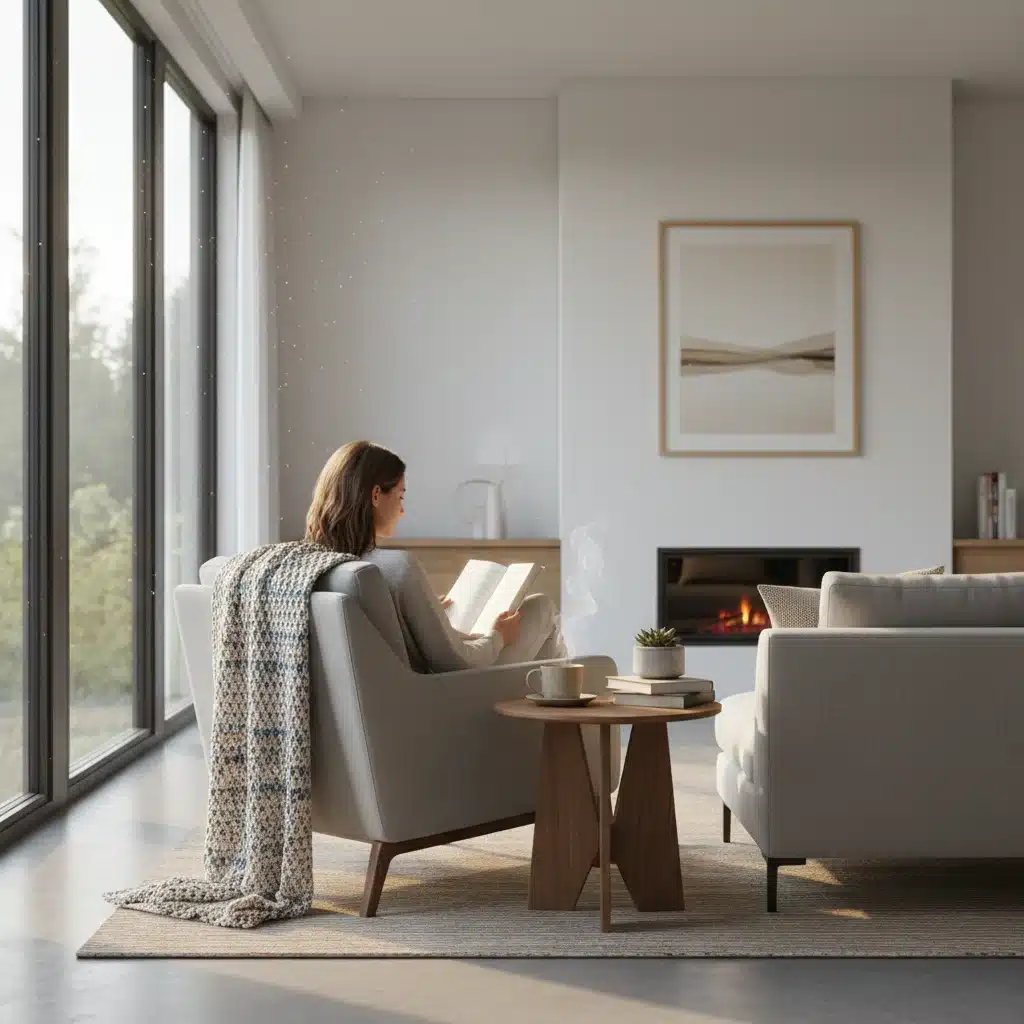
In a world that constantly demands more, faster, and bigger, a quiet revolution is gaining momentum. It’s not about rejecting progress, but about redefining success. Welcome to the 2026 slow living movement, a philosophy that encourages a more intentional, mindful, and deliberate approach to daily life. For many Americans, caught in the relentless pace of work, technology, and societal expectations, the concept of ‘slow living’ might seem like an unattainable luxury. However, as we delve into 2026, it’s becoming increasingly clear that embracing the principles of the slow living movement is not just desirable, but essential for our collective well-being and mental health. This comprehensive guide will decode the essence of slow living in the American context, providing practical solutions and actionable strategies to weave mindful practices into your everyday routine, ultimately leading to a richer, more fulfilling existence.
Understanding the 2026 Slow Living Movement: A Paradigm Shift
Before we explore practical applications, let’s establish what the slow living movement truly entails in 2026. It’s not about doing everything at a snail’s pace or abandoning all modern conveniences. Rather, it’s a conscious decision to be present, to savor moments, to prioritize quality over quantity, and to align your actions with your values. It’s a rejection of the ‘always-on’ culture and an embrace of intentionality. In the American landscape, where productivity is often equated with self-worth, this shift is profound. It challenges us to reconsider our relationship with time, consumption, technology, and even our own aspirations.
The roots of the slow living movement can be traced back to the ‘slow food’ movement of the 1980s, which championed local, traditional, and sustainable food practices. Over time, this philosophy expanded to encompass various aspects of life, including slow travel, slow fashion, and ultimately, slow living as a holistic lifestyle. By 2026, the movement has matured, offering a nuanced and adaptable framework that can be tailored to individual needs and circumstances, even within the bustling American lifestyle.
Why is the Slow Living Movement Resonating Now?
Several factors contribute to the escalating appeal of the slow living movement in 2026:
- Digital Overload: The constant barrage of notifications, emails, and social media updates has led to widespread digital fatigue. Slow living offers a much-needed digital detox, allowing for greater focus and peace.
- Burnout Epidemic: The relentless pursuit of career success and material possessions has resulted in an alarming rate of burnout. People are seeking ways to reduce stress and prioritize their mental and physical health.
- Environmental Concerns: A growing awareness of climate change and unsustainable consumption patterns is driving a desire for more mindful and eco-friendly lifestyles. Slow living naturally aligns with these values, encouraging conscious consumption and reduced waste.
- Search for Meaning and Connection: In an increasingly fragmented society, individuals are yearning for deeper connections – with themselves, their loved ones, and their communities. Slow living facilitates these connections by creating space for meaningful interactions and self-reflection.
- Post-Pandemic Reflection: The global events of recent years prompted many to re-evaluate their priorities, leading to a greater appreciation for simplicity, home life, and personal well-being.
Practical Solutions for Embracing the Slow Living Movement in American Daily Life
Integrating the principles of the slow living movement into a fast-paced American life might seem daunting, but it’s entirely achievable through small, consistent changes. Here are actionable solutions:
1. Reclaiming Your Time: The Art of Intentional Scheduling
One of the core tenets of the slow living movement is taking control of your time rather than letting time control you. This involves a conscious shift from reactive scheduling to proactive, intentional planning.
- Digital Decluttering and Time Blocking: Start by assessing where your time currently goes, especially on digital devices. Use time-tracking apps if necessary. Then, implement time blocking for specific activities. Dedicate blocks for focused work, creative pursuits, family time, and crucially, for unstructured leisure. This means scheduling ‘doing nothing’ or ‘contemplation’ just as you would a meeting.
- The Power of ‘No’: Learn to politely decline commitments that don’t align with your values or that overextend your capacity. Saying ‘no’ is a powerful tool for protecting your time and energy, essential for the slow living movement.
- Batching Tasks: Group similar tasks together (e.g., answering emails, running errands) to improve efficiency and reduce context switching. This frees up larger blocks of uninterrupted time for more meaningful activities.
- Prioritize Sleep: Adequate sleep is non-negotiable for a mindful existence. Make sleep a priority by establishing a consistent sleep schedule and creating a relaxing bedtime routine.
2. Mindful Consumption: Quality Over Quantity
The American consumer culture often promotes accumulation. The slow living movement encourages a thoughtful approach to consumption, focusing on durability, ethical sourcing, and genuine need.
- Capsule Wardrobe: Instead of chasing trends, invest in a smaller collection of versatile, high-quality clothing items that can be mixed and matched. This reduces decision fatigue and promotes sustainability.
- Conscious Eating: Embrace the principles of slow food. Cook more meals at home using fresh, local ingredients. Savor your meals, paying attention to flavors and textures, and eat without distractions. Support local farmers’ markets.
- Decluttering and Minimalism: Regularly declutter your living spaces. Let go of items that don’t serve a purpose or bring you joy. A less cluttered environment often leads to a less cluttered mind, a key aspect of the slow living movement.
- Experiences Over Possessions: Prioritize spending on experiences (travel, classes, concerts) rather than material goods. These create lasting memories and often foster deeper connections.
3. Cultivating Presence: Engaging with the Now
In a world of constant distractions, being truly present is a superpower. The slow living movement emphasizes cultivating mindfulness in everyday moments.
- Mindful Moments: Integrate short mindfulness exercises throughout your day. This could be a few deep breaths before starting a task, paying full attention while drinking your morning coffee, or observing nature during a walk.
- Digital Detox Practices: Designate specific ‘no-phone’ zones or times in your home (e.g., during meals, an hour before bed). Consider a weekly or monthly digital detox day to truly disconnect and recharge.
- Engage Your Senses: Actively use your senses to experience the world around you. Notice the sounds, sights, smells, and textures of your environment. This practice grounds you in the present.
- Journaling: Regular journaling can help you process thoughts, reflect on your day, and gain clarity, fostering a deeper connection with yourself.
4. Nurturing Relationships: Deepening Connections
The slow living movement recognizes the profound importance of human connection. It encourages investing time and energy in nurturing meaningful relationships.
- Dedicated Connection Time: Schedule regular, uninterrupted time with loved ones. This could be a weekly family dinner, a phone call with a distant friend, or a date night with your partner. Ensure these times are free from digital distractions.
- Active Listening: When conversing, practice active listening – truly hearing and understanding what the other person is saying, without formulating your response.
- Community Engagement: Get involved in your local community. Volunteer, join a club, or participate in local events. Building community ties is a vital component of a fulfilling slow life.
- Thoughtful Communication: Opt for more meaningful forms of communication. Instead of a quick text, consider a phone call or a heartfelt letter.
5. Embracing Nature: Connecting with the Outdoors
Spending time in nature has profound benefits for mental and physical well-being. The slow living movement encourages regular engagement with the natural world.
- Daily Nature Dose: Make it a habit to spend at least 15-30 minutes outdoors each day. This could be a walk in a park, sitting in your backyard, or even just opening a window to let in fresh air.
- Forest Bathing (Shinrin-Yoku): Practice ‘forest bathing,’ a Japanese practice of mindfully immersing yourself in the atmosphere of the forest. Engage all your senses – listen to the rustling leaves, smell the earth, feel the texture of tree bark.
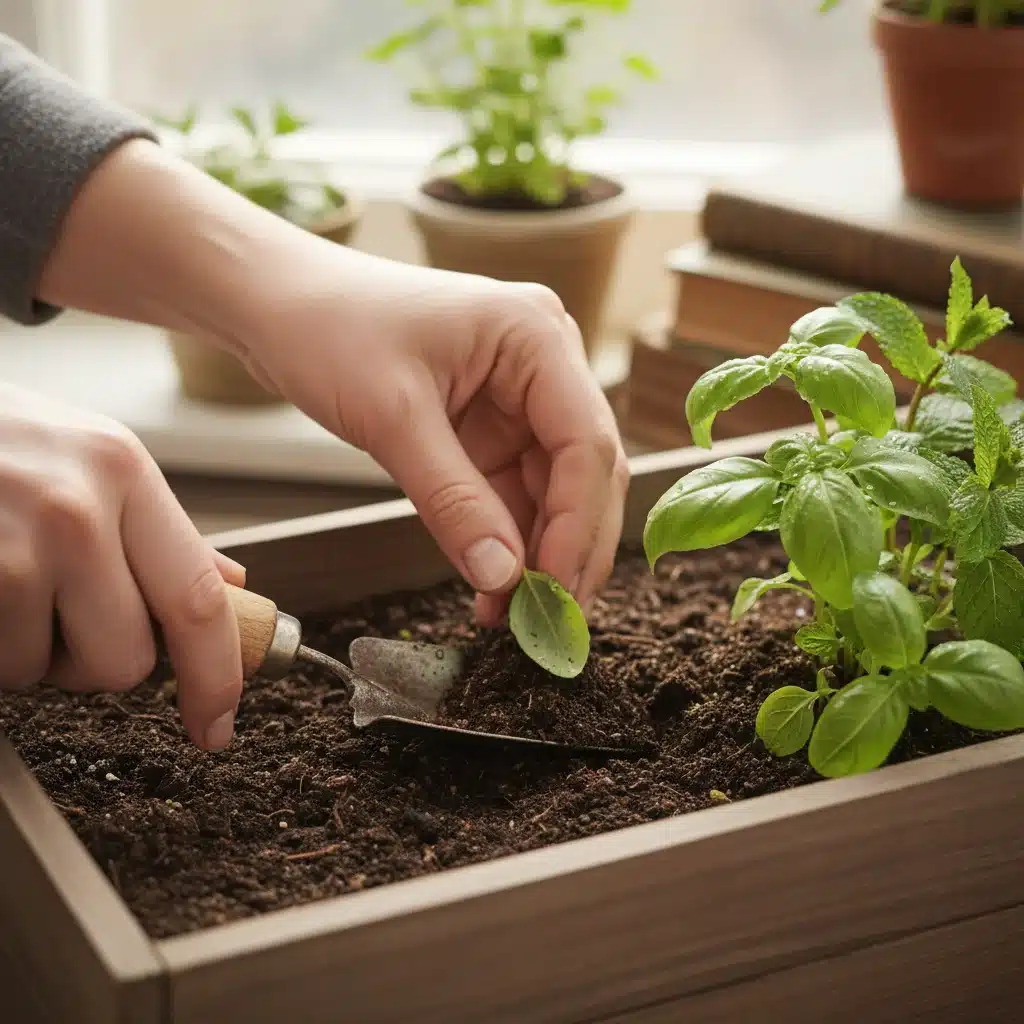
- Gardening: Cultivating a garden, whether a small herb patch or a larger vegetable plot, is a deeply grounding and rewarding slow living activity. It connects you to the cycles of nature and provides fresh produce.
- Outdoor Hobbies: Explore outdoor hobbies like hiking, birdwatching, or photography. These activities encourage presence and appreciation for the natural world.
6. Mindful Work: Redefining Productivity
For many Americans, work occupies a significant portion of their lives. The slow living movement doesn’t advocate for quitting your job, but for adopting a more mindful and sustainable approach to work.
- Setting Boundaries: Establish clear boundaries between work and personal life. Avoid checking emails after hours or during weekends. Create a dedicated workspace that can be closed off at the end of the day.
- Focused Work Blocks: Utilize techniques like the Pomodoro Technique (25 minutes of focused work followed by a 5-minute break) to improve concentration and prevent burnout.
- Prioritizing Tasks: Focus on completing your most important tasks first. Learn to distinguish between urgent and important, and delegate when possible.
- Taking Regular Breaks: Step away from your desk regularly. Take short walks, stretch, or engage in a brief mindful activity to refresh your mind.
- Re-evaluating Career Goals: Consider if your current career path aligns with your values. The slow living movement might inspire you to pursue work that is more meaningful or less demanding, even if it means a different trajectory.

Overcoming Challenges in the American Context
Adopting the slow living movement in the American context comes with its unique challenges. The ingrained culture of busyness, consumerism, and instant gratification can be powerful adversaries. However, recognizing these hurdles is the first step to overcoming them.
- Societal Pressure: It can be challenging to resist the pressure to constantly be busy or to keep up with societal expectations of success. Remember that your definition of success is personal and valid.
- Financial Constraints: Some aspects of slow living, like investing in high-quality items or organic food, might seem expensive. However, many slow living practices, like cooking at home or decluttering, can actually save money in the long run. Focus on what you can control.
- Time Scarcity: For many, especially those juggling multiple responsibilities, finding ‘extra’ time for slow living practices seems impossible. Start small. Even five minutes of mindful breathing or a short walk can make a difference.
- Digital Addiction: Breaking free from the grip of digital devices requires discipline. Utilize apps that monitor screen time and provide tools for digital detox.
- Lack of Support: Your friends and family might not immediately understand your shift towards the slow living movement. Communicate your intentions clearly and, if possible, find like-minded individuals or communities for support.
The Long-Term Benefits of Embracing the Slow Living Movement
The commitment to the slow living movement is an investment in your long-term well-being. The benefits are far-reaching and transformative:
- Reduced Stress and Anxiety: By slowing down and being more present, you can significantly lower stress levels and manage anxiety more effectively.
- Improved Mental Clarity and Focus: Less digital noise and more intentional living lead to a clearer mind and enhanced ability to concentrate.
- Enhanced Creativity: Space and downtime allow your mind to wander and connect ideas, fostering greater creativity.
- Deeper Relationships: Investing quality time and attention in your relationships strengthens bonds and creates more meaningful connections.
- Greater Self-Awareness: Slow living encourages introspection and self-reflection, leading to a deeper understanding of yourself and your values.
- Increased Joy and Contentment: By savoring moments and appreciating the simple things, you cultivate a greater sense of joy and contentment in your daily life.
- Improved Physical Health: Reduced stress, better sleep, and more time for physical activity contribute to overall better physical health.
- Sustainable Living: The mindful consumption practices inherent in the slow living movement contribute to a more sustainable and environmentally friendly lifestyle.
Conclusion: Your Journey to a More Intentional 2026
The 2026 slow living movement is not a trend to be followed blindly, but a philosophy to be embraced thoughtfully. It’s an invitation to step off the hamster wheel of relentless busyness and reclaim your life with intention and purpose. While the American landscape presents unique challenges, the practical solutions outlined above demonstrate that integrating mindful practices into your daily routine is not only possible but deeply rewarding. Start small, be patient with yourself, and celebrate every step you take towards a more deliberate and fulfilling existence. By choosing quality over quantity, presence over distraction, and connection over isolation, you can truly decode the power of the slow living movement and create a life that resonates with your deepest values, here in 2026 and beyond.