The Unfolding Tapestry: Global Events and American Cultural Shifts in Early 2026
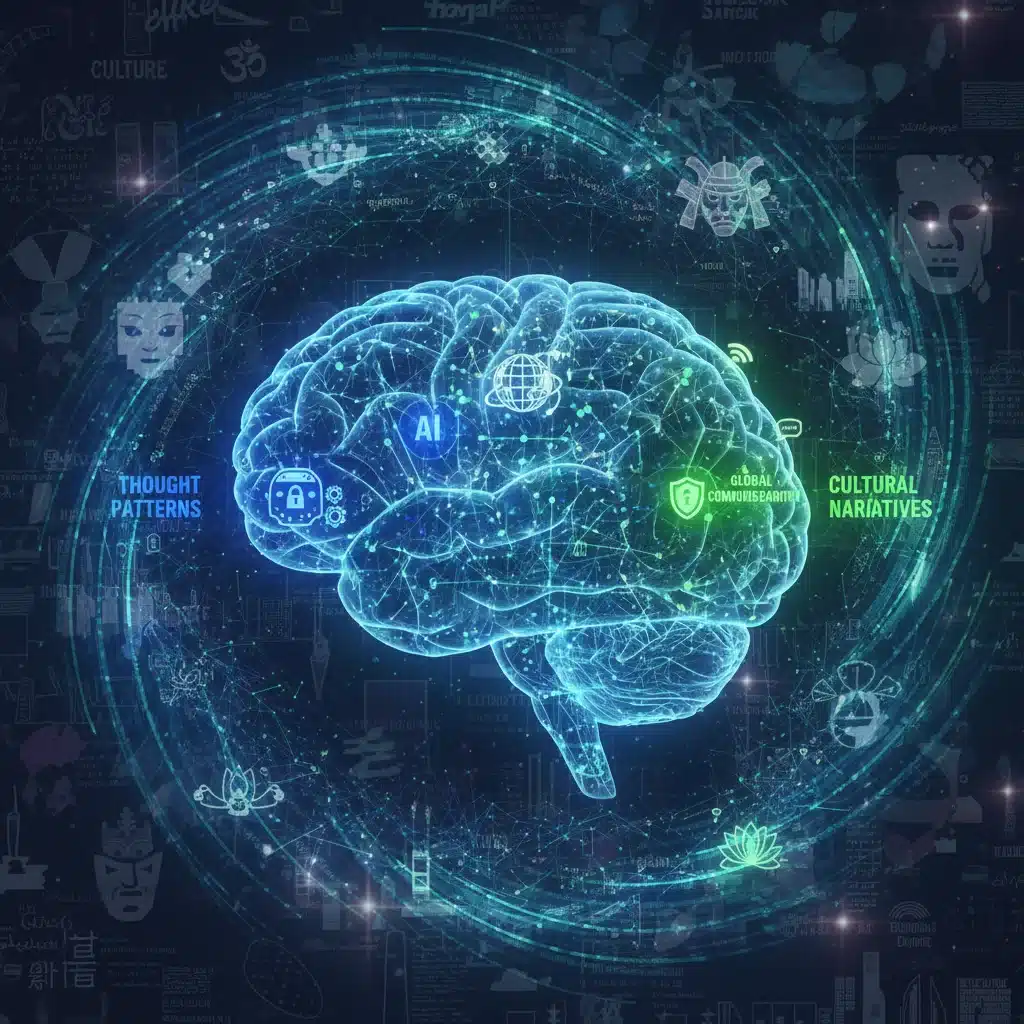
The dawn of 2026 has brought with it a complex interplay of global events, each ripple extending far beyond its point of origin to touch the shores of American society. From geopolitical realignments to technological breakthroughs and environmental challenges, the world stage is an ever-shifting landscape. But what does this mean for the very fabric of American culture? How are these external forces shaping our values, beliefs, and daily lives? This comprehensive analysis delves into the first three months of 2026, examining the profound and often subtle ways in which global dynamics are influencing American cultural shifts.
Understanding American cultural shifts is not merely an academic exercise; it’s a vital endeavor for policymakers, businesses, and indeed, every citizen. Culture is not static; it’s a living entity, constantly evolving in response to internal pressures and external stimuli. In an increasingly interconnected world, the latter holds immense sway. This article will explore key global events of early 2026 and dissect their impact on various facets of American culture, including national identity, social norms, economic perspectives, and individual freedoms.
Geopolitical Tensions and the Redefinition of National Identity
The early months of 2026 have been marked by significant geopolitical tremors. Renewed tensions in Eastern Europe, escalating conflicts in the Middle East, and shifting alliances in the Indo-Pacific have dominated international headlines. For Americans, these distant struggles are not just abstract news items; they directly influence perceptions of global security, national interest, and ultimately, American identity. The concept of ‘America’s role in the world’ is being actively debated and redefined.
One prominent American cultural shift observed is a renewed focus on national security and preparedness. Discussions around defense spending, military readiness, and international partnerships have permeated public discourse, leading to a subtle yet noticeable shift in collective priorities. This isn’t just about policy; it’s about a cultural re-evaluation of what it means to be a global power and the responsibilities that come with it. There’s a growing awareness of the fragility of peace and the interconnectedness of global stability.
Furthermore, these geopolitical events have spurred a re-examination of alliances and allegiances. Debates surrounding multilateralism versus unilateralism, and the balance between global cooperation and national sovereignty, are gaining traction. This intellectual ferment is contributing to a more nuanced and perhaps more introspective understanding of American exceptionalism and its practical implications in a multipolar world. The younger generation, in particular, is engaging with these complex issues, often bringing fresh perspectives that challenge traditional viewpoints on foreign policy and national identity.
The influx of refugees and displaced persons stemming from various global conflicts also presents a direct impact on American cultural shifts. While the United States has historically been a melting pot, each new wave of immigration brings with it both challenges and opportunities for cultural integration and diversification. Debates around immigration policies, humanitarian aid, and the assimilation process are intensified, prompting communities to grapple with questions of inclusivity, compassion, and resource allocation. This dynamic process reshapes local communities and contributes to the broader evolution of American identity.
Economic Volatility and Evolving Consumer Values
The global economy in early 2026 has been characterized by a delicate balance of recovery and uncertainty. Inflationary pressures, supply chain disruptions, and the fluctuating prices of essential commodities continue to be significant concerns. These economic realities, often triggered or exacerbated by international events, have a tangible impact on the daily lives of Americans and are driving substantial American cultural shifts in consumer behavior and financial values.
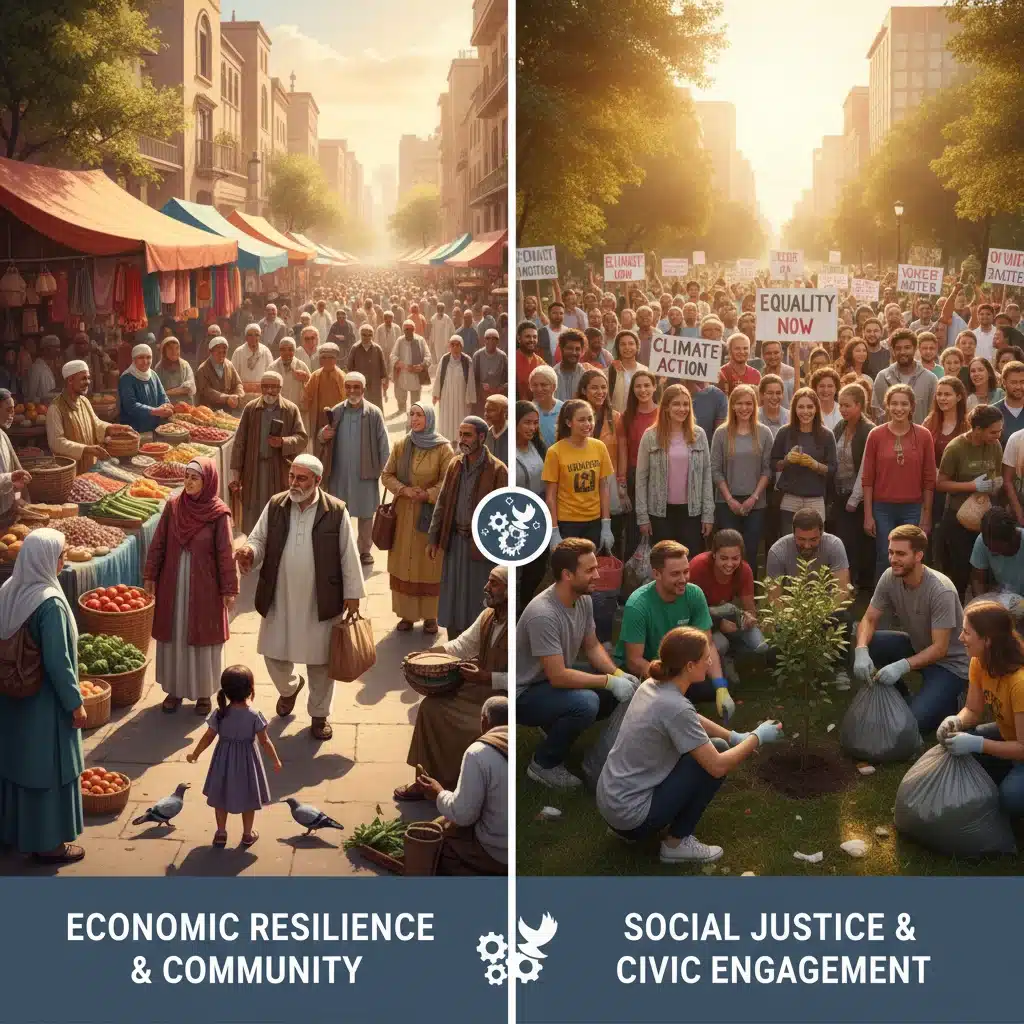
One of the most noticeable shifts is a heightened emphasis on frugality and financial prudence. After years of consumerism, a growing segment of the population is prioritizing saving, investing, and making more conscious purchasing decisions. This isn’t just about necessity; it’s becoming a cultural value. The ‘buy local’ movement, already gaining momentum, has accelerated as consumers seek to support their communities and reduce reliance on fragile global supply chains. There’s a renewed appreciation for durability and utility over fleeting trends.
The rise of the gig economy and remote work, further solidified by global health events in previous years, continues to reshape traditional employment structures. This has profound cultural implications, fostering a greater demand for flexibility, work-life balance, and entrepreneurial spirit. The traditional 9-to-5 office job is no longer the sole ideal, and this shift is influencing everything from urban planning to family dynamics. Educational institutions are also adapting, recognizing the need to prepare students for a more fluid and adaptable workforce.
Furthermore, economic anxieties often fuel political polarization, as different groups propose varying solutions to complex financial problems. This can lead to cultural divisions, where economic ideologies become intertwined with social identities. Understanding these underlying economic drivers is crucial for comprehending the broader landscape of American cultural shifts. The pursuit of economic stability and opportunity remains a core American value, but the strategies and philosophies to achieve it are constantly being re-evaluated in light of global economic headwinds.
Technological Advancements and the Digital Cultural Divide
Technological innovation continues its relentless pace in early 2026, with breakthroughs in artificial intelligence, biotechnology, and sustainable energy sources. While these advancements promise a brighter future, their integration into daily life is also precipitating significant American cultural shifts, creating new opportunities while simultaneously widening existing divides.
The pervasive influence of AI, for instance, is not just transforming industries; it’s altering how Americans interact with information, make decisions, and even perceive intelligence itself. The cultural conversation around AI ethics, job displacement, and the future of work is intensifying. There’s a growing awareness of the need for digital literacy and critical thinking skills to navigate a world increasingly shaped by algorithms. This has led to a cultural push for education and regulation in the tech sector, reflecting a collective desire to harness technology responsibly.
The digital divide, both in terms of access and proficiency, remains a critical cultural challenge. While many Americans embrace new technologies, significant portions of the population, particularly in rural areas or among older demographics, struggle with access or adaptation. This creates a cultural stratification, where access to information, services, and even social connection can be uneven. Bridging this gap is not just a policy issue; it’s a cultural imperative to ensure equitable participation in the digital age.
Social media platforms continue to evolve, becoming even more integrated into social and political discourse. The early months of 2026 have seen renewed debates about online censorship, misinformation, and the mental health impacts of constant digital connectivity. These discussions are shaping cultural norms around privacy, free speech, and the nature of community in a hyper-connected world. The quest for authenticity and genuine connection in an increasingly virtual landscape is a defining feature of contemporary American cultural shifts.
Environmental Consciousness and Sustainable Living
Global climate events, including extreme weather patterns and ongoing discussions at international climate summits, have solidified environmental consciousness as a cornerstone of American cultural shifts in early 2026. The urgency of climate change is no longer a fringe concern; it’s a mainstream cultural value, influencing everything from consumer choices to political priorities.
There’s a palpable shift towards sustainable living practices. This includes a growing interest in renewable energy, electric vehicles, plant-based diets, and waste reduction. Businesses are responding to this cultural demand by offering more eco-friendly products and services, and sustainability is increasingly becoming a factor in brand loyalty. This isn’t just about individual actions; it’s about a collective cultural embrace of environmental stewardship.
Community-level initiatives focused on environmental protection are flourishing. From local recycling programs to community gardens and conservation efforts, Americans are actively engaging in grassroots movements to address climate concerns. This reflects a cultural recognition that environmental challenges require collective action and local solutions, alongside global policy changes. The connection to local ecosystems and the desire to protect them for future generations is a powerful cultural motivator.
The discourse around environmental justice is also gaining significant cultural traction. There’s a growing awareness of how environmental degradation disproportionately affects marginalized communities, leading to a more inclusive and equitable approach to environmental activism. This intersection of environmentalism and social justice is a critical aspect of contemporary American cultural shifts, highlighting the interconnectedness of various societal challenges.
Social Justice Movements and Evolving Social Norms
The momentum of social justice movements, fueled by global conversations around human rights, equity, and inclusion, continues to drive significant American cultural shifts in early 2026. Issues of racial equality, gender identity, LGBTQ+ rights, and disability inclusion are at the forefront of public consciousness, leading to profound re-evaluations of long-held social norms and institutions.
One key cultural shift is a heightened emphasis on diversity, equity, and inclusion (DEI) across all sectors of society. From corporate boardrooms to educational curricula, there’s a concerted effort to foster more inclusive environments and amplify marginalized voices. This isn’t just about compliance; it’s about a cultural recognition of the value of diverse perspectives and the importance of creating a society where everyone feels a sense of belonging and opportunity.
The language we use and the way we interact are also undergoing significant cultural evolution. There’s a greater awareness of microaggressions, unconscious bias, and the impact of language on identity. This has led to a more mindful approach to communication and a greater willingness to engage in difficult but necessary conversations about social justice. While these conversations can sometimes be challenging, they are essential for fostering a more empathetic and understanding society.
The role of activism and civic engagement in shaping social norms is more pronounced than ever. Younger generations, in particular, are demonstrating a strong commitment to advocating for change, leveraging digital platforms and traditional forms of protest to make their voices heard. This active participation in shaping public discourse is a defining characteristic of contemporary American cultural shifts, signaling a desire for greater accountability and progress on social issues.
Global Health Dynamics and Individual Well-being
While the immediate crisis of previous global health events may have receded, their long-term effects on individual well-being and public health infrastructure continue to shape American cultural shifts in early 2026. The world remains interconnected in terms of health, with new variants and emerging diseases serving as constant reminders of our shared vulnerability.
There’s a sustained cultural emphasis on mental health and well-being. The stress and uncertainty of recent years have brought mental health discussions to the forefront, destigmatizing therapy and promoting self-care practices. Employers are increasingly recognizing the importance of supporting employee mental health, and educational institutions are integrating mental wellness programs into their offerings. This represents a significant cultural shift towards a more holistic understanding of health.
Public health preparedness has also become a more prominent cultural concern. Americans are more aware of the importance of robust healthcare systems, scientific research, and global cooperation in addressing health crises. This has led to increased support for public health initiatives and a greater appreciation for the role of science in safeguarding collective well-being. The lessons learned from past pandemics are actively shaping future cultural responses to health challenges.
The way Americans work, socialize, and commute has been permanently altered by global health dynamics. Hybrid work models, increased reliance on digital communication, and a heightened awareness of personal space and hygiene are now integrated into daily cultural practices. These shifts, while initially driven by necessity, have become ingrained cultural habits, reshaping urban landscapes, social interactions, and the very rhythm of American life. The pursuit of a healthy and balanced lifestyle, both individually and collectively, has become a core cultural aspiration.
The Interplay of Global Events and Local Realities
It’s crucial to understand that these global events don’t impact American culture in a vacuum. Instead, they interact with existing local realities, regional differences, and diverse community values. The American cultural shifts we’ve discussed are not monolithic; their manifestations vary across different demographics, geographies, and socio-economic strata. For example, the impact of economic volatility might be felt differently in a bustling urban center compared to a rural agricultural community.
The media landscape plays a pivotal role in mediating these impacts. The way global events are reported, interpreted, and discussed influences public perception and shapes cultural narratives. The proliferation of diverse news sources, from traditional media to social media influencers, means that Americans are exposed to a wide array of perspectives, which can either foster understanding or exacerbate divisions within the cultural fabric. Critical media literacy is more important than ever in navigating this complex information environment.
Moreover, the resilience of American institutions and the adaptability of its people are key factors in how these global events are absorbed and processed. The ability to innovate, to debate constructively, and to organize for collective action are enduring cultural strengths that help navigate periods of rapid change. While challenges abound, there’s also a demonstrable capacity for growth and positive transformation within American society.
The early months of 2026 serve as a powerful reminder of the interconnectedness of our world. No nation, however powerful, is immune to the ripple effects of global events. For the United States, these external forces are not merely shaping policy; they are actively molding the very essence of American cultural shifts, influencing our values, our identities, and our collective future. Understanding these dynamics is the first step towards navigating them effectively and fostering a resilient, adaptable, and inclusive society.
Looking Ahead: Sustaining Cultural Evolution
As we move beyond the initial three months of 2026, the trajectory of American cultural shifts will continue to be influenced by both anticipated and unforeseen global events. The long-term implications of current geopolitical realignments, economic restructuring, technological integration, and environmental responses will undoubtedly become more apparent. It is a period of dynamic evolution, requiring constant observation and adaptation from individuals and institutions alike.
One critical aspect to consider is the generational divide in how these shifts are perceived and embraced. Younger generations, often dubbed digital natives, tend to be more adaptable to rapid technological changes and more vocal about social and environmental justice. Their values and priorities are significantly shaping the future cultural landscape, pushing for greater transparency, authenticity, and collective responsibility. Understanding these generational differences is key to fostering intergenerational dialogue and ensuring a cohesive cultural progression.
The role of education in navigating these cultural shifts cannot be overstated. Educational systems, from K-12 to higher learning, are tasked with preparing future generations not just with knowledge, but with critical thinking skills, global awareness, and cultural competence. Curricula are evolving to incorporate topics like AI ethics, climate literacy, and diverse historical perspectives, reflecting a societal recognition of the need for an informed and adaptable citizenry.
Furthermore, the arts and humanities continue to play a crucial role in reflecting, interpreting, and shaping American cultural shifts. Literature, film, music, and visual arts provide platforms for expressing anxieties, celebrating diversity, and envisioning alternative futures. They serve as cultural mirrors, allowing society to engage with complex issues on an emotional and intellectual level, fostering empathy and understanding across different viewpoints.
In conclusion, the first three months of 2026 have underscored the profound and multifaceted impact of global events on American cultural shifts. From the geopolitical stage to the intimate details of daily life, external forces are continually reshaping national identity, economic values, social norms, environmental consciousness, and individual well-being. This ongoing cultural evolution is a testament to the dynamic nature of American society, its resilience, and its continuous engagement with the broader world. As citizens, understanding these shifts allows us to participate more consciously in the ongoing conversation about who we are and who we aspire to be in an ever-changing global landscape.