Navigating Cancel Culture: Solutions for Public Figures & Brands in 2026
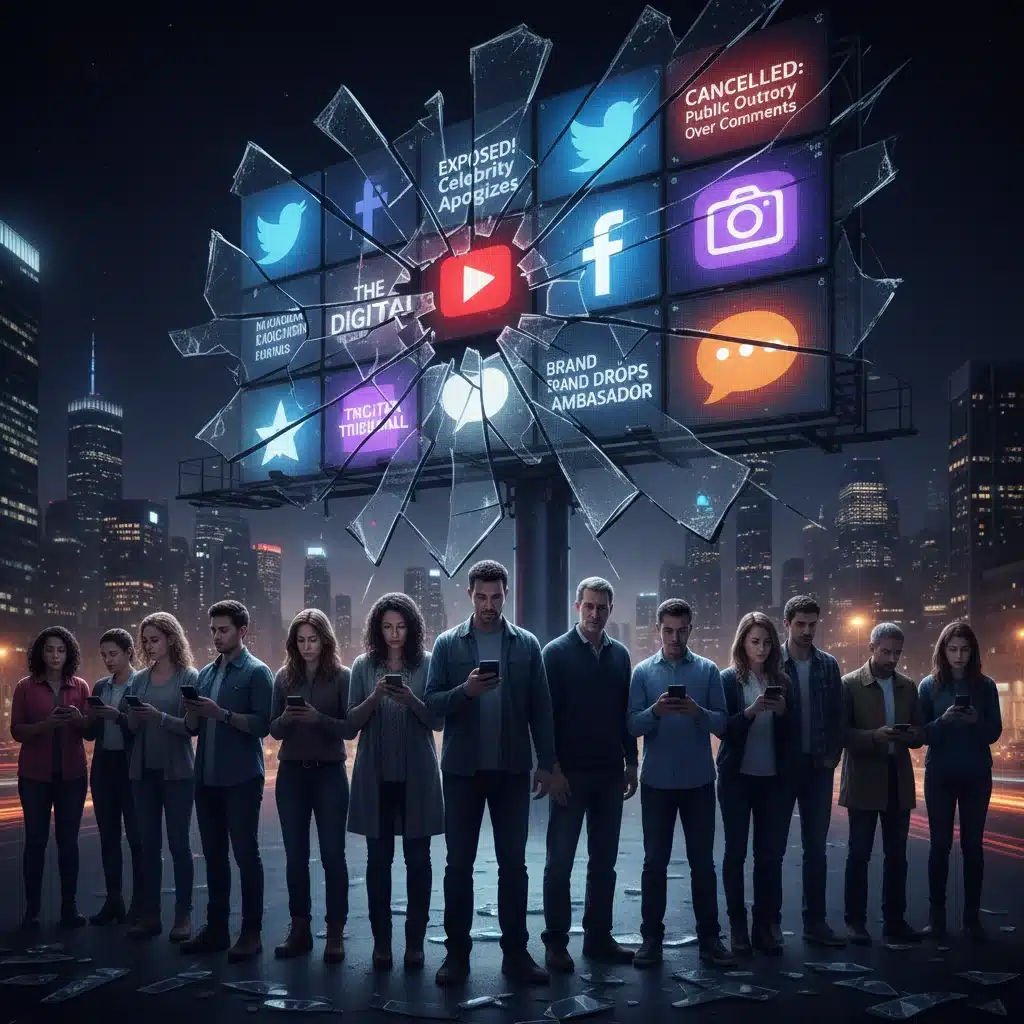
In the dynamic and often unforgiving landscape of 2026, the phenomenon known as ‘cancel culture’ continues to shape public perception, brand reputation, and individual careers. What began as a grassroots movement to hold powerful figures accountable for their actions has evolved into a complex, multifaceted challenge that demands strategic foresight and robust preparedness from public figures and brands alike. The speed at which information (and misinformation) travels, coupled with the amplified voices of digital communities, means that missteps, past or present, can rapidly escalate into full-blown crises. For those operating in the public eye, understanding and effectively responding to this cultural force is no longer optional; it is an imperative for survival and sustained relevance. This comprehensive guide delves into the nuances of cancel culture in the modern era and, more importantly, provides four practical, actionable cancel culture solutions designed to help public figures and brands not just weather the storm, but emerge stronger and more resilient. We will explore how to cultivate authentic connections, implement proactive communication strategies, embrace ethical leadership, and foster genuine community engagement to safeguard reputations and build enduring trust.
The Evolving Landscape of Cancel Culture in 2026
Before diving into specific cancel culture solutions, it’s crucial to understand how cancel culture has evolved. In 2026, it’s less about a single, unified mob and more about a confluence of factors: heightened social consciousness, increased demand for corporate and individual accountability, the pervasive nature of social media algorithms, and the blurring lines between personal and professional conduct. What might have been a private gaffe a decade ago can now become a global controversy overnight. The stakes are higher, the scrutiny is more intense, and the public’s tolerance for perceived hypocrisy or injustice is at an all-time low. This environment necessitates a fundamental shift in how public figures and brands approach their public image and operational ethics.
The digital echo chambers and filter bubbles created by social media platforms mean that narratives can solidify quickly, making it difficult to introduce nuanced perspectives once a ‘cancellation’ narrative takes hold. Furthermore, the concept of restorative justice often gets lost in the fervor, with calls for punitive measures often overshadowing opportunities for genuine learning and growth. This isn’t to say that all ‘cancellations’ are unwarranted; indeed, many have brought about necessary accountability for harmful behaviors. However, the speed and scale of these events demand a strategic, rather than reactive, approach. Public figures and brands must recognize that their past statements, actions, and associations are all fair game for public review, and that silence or perceived indifference can be as damaging as an ill-conceived apology. The challenge, therefore, lies in navigating this complex terrain with integrity, agility, and a deep understanding of public sentiment. Our exploration of cancel culture solutions begins with establishing a strong, authentic foundation.
1. Cultivating Radical Authenticity and Transparency
One of the most potent cancel culture solutions is to proactively build a foundation of radical authenticity and transparency. In an era where every action is scrutinized, genuine character and consistent values are invaluable assets. Public figures and brands must move beyond superficial branding and engage in deep introspection to define their core values, mission, and purpose. This isn’t about crafting a perfect image, but rather about presenting a truthful and consistent one, even when it involves acknowledging imperfections or past mistakes. Authenticity fosters trust, and trust is the strongest shield against the weaponization of perceived inconsistencies.
For individuals, this means living your values openly and consistently. If you advocate for social justice, your actions, investments, and associations should reflect that commitment. If you champion environmental causes, your personal and professional footprint should align. Any significant deviation can be quickly exposed, leading to accusations of hypocrisy. Transparency extends to admitting when you don’t know something, when you’ve made a mistake, or when you’re still learning. This vulnerability, when genuine, can humanize a public figure and make them more relatable, fostering empathy rather than condemnation.
For brands, radical authenticity translates into genuine corporate social responsibility (CSR) initiatives that are integrated into the business model, not just marketing ploys. It means transparent supply chains, ethical labor practices, and clear communication about product origins and environmental impact. Brands that attempt to ‘woke-wash’ their image without genuine commitment are quickly identified and often face severe backlash. Consumers in 2026 are savvy; they can discern between performative allyship and deeply embedded values. Therefore, a core strategy among effective cancel culture solutions involves ensuring that a brand’s actions consistently match its stated values. This internal alignment is crucial and forms the bedrock of a resilient public image.
Furthermore, transparency in communication is key. When issues arise, providing clear, factual information promptly, rather than attempting to obscure or deflect, can significantly mitigate damage. This doesn’t mean revealing proprietary secrets, but it does mean being forthcoming about processes, intentions, and any corrective actions being taken. In a world craving honesty, radical authenticity and transparency are not just ethical choices; they are strategic necessities for navigating the treacherous waters of cancel culture. They allow public figures and brands to build a loyal community that is more likely to offer grace and understanding in times of crisis, rather than joining the chorus of condemnation. It’s about building a reputation that precedes any potential controversy, making it harder for negative narratives to take root.

2. Proactive and Empathetic Communication Strategies
Another critical element in our arsenal of cancel culture solutions is the development and implementation of proactive and empathetic communication strategies. Waiting for a crisis to erupt before formulating a response is a recipe for disaster. In 2026, effective communication is about anticipating potential issues, preparing thoughtful responses, and engaging with audiences in a way that demonstrates genuine understanding and care. This involves active listening, strategic messaging, and the willingness to engage in difficult conversations.
Proactive communication starts with continuous monitoring of public sentiment and social media trends. Utilizing advanced AI-driven sentiment analysis tools can help public figures and brands identify nascent issues before they spiral. Understanding what topics are sensitive, what language is potentially offensive, and what historical contexts might be relevant can inform content creation and public statements, reducing the likelihood of inadvertent missteps. This foresight is a powerful preventative measure, allowing for adjustments before a full-blown controversy erupts. Part of being proactive also means having a crisis communication plan in place, complete with designated spokespersons, pre-approved statements for various scenarios, and clear internal protocols for response. This readiness ensures that when a situation does arise, the response is swift, coordinated, and consistent.
When a controversy does occur, the speed and tone of the initial response are paramount. A delayed or dismissive reaction can often exacerbate the situation. Empathetic communication means acknowledging the validity of people’s feelings, even if you don’t agree with the premise of the criticism. It means avoiding defensive language and instead focusing on understanding the impact of actions or words. An apology, when appropriate, should be sincere, specific, and accompanied by a clear plan for rectification or learning. Vague, boilerplate apologies are often perceived as insincere and can further inflame public anger. The goal is to demonstrate a willingness to listen, learn, and make amends, rather than to shut down criticism.
Furthermore, engaging with critics, where appropriate and constructive, can transform adversaries into allies or at least mitigate their hostility. This doesn’t mean engaging with every troll, but rather thoughtfully addressing legitimate concerns. Creating safe spaces for dialogue, whether through moderated online forums or community Q&A sessions, can provide avenues for feedback and demonstrate a commitment to ongoing improvement. The ability to communicate effectively, both proactively and reactively, with empathy at its core, is a cornerstone of navigating modern public scrutiny. These communication strategies are among the most effective cancel culture solutions because they prioritize human connection and understanding over defensiveness and denial, fostering an environment where dialogue can replace condemnation.
3. Embracing Ethical Leadership and Corporate Governance
The third crucial aspect of effective cancel culture solutions lies in embracing robust ethical leadership and corporate governance. For brands and public figures alike, a strong internal ethical compass provides guidance during uncertain times and acts as a powerful defense against external criticism. This isn’t merely about compliance with laws and regulations; it’s about cultivating a culture of integrity, social responsibility, and accountability from the top down.
Ethical leadership means that decision-makers, whether individuals or corporate boards, consistently prioritize moral principles and societal well-being alongside personal or financial gain. This involves making tough choices that might not always be popular but are aligned with deeply held values. When leaders demonstrate unwavering commitment to ethics, it trickles down, influencing organizational culture and employee behavior. For public figures, this translates into taking responsibility for their platforms and influence, using them for positive impact, and being mindful of the ripple effects of their words and actions. It means not just avoiding controversy, but actively contributing to a more just and equitable society.
For brands, strong corporate governance includes robust internal policies against discrimination, harassment, and unethical conduct. It means having clear channels for reporting misconduct and ensuring that allegations are investigated thoroughly and fairly, regardless of the individual’s position. Companies that are perceived as protecting wrongdoers or ignoring internal issues are prime targets for cancel culture. Conversely, brands that proactively address internal ethical lapses, even if painful, often gain respect for their integrity. This commitment to internal justice is a powerful statement and a key component of sustainable cancel culture solutions.
Moreover, ethical leadership involves a commitment to diversity, equity, and inclusion (DEI). True DEI is not just about meeting quotas; it’s about fostering an environment where all voices are valued, and diverse perspectives are integrated into decision-making processes. This broadens understanding, reduces blind spots, and makes organizations more resilient to criticism rooted in identity or social justice issues. Brands and public figures who genuinely champion DEI are less likely to stumble into controversies related to cultural insensitivity or systemic bias, as these considerations are baked into their operational DNA. By embedding strong ethical frameworks and fostering inclusive environments, public figures and brands can build a reputation for integrity that withstands the scrutiny of cancel culture, demonstrating that their commitment to doing good is not just external rhetoric but an internal reality.

4. Fostering Genuine Community Engagement and Restorative Justice
The final, yet equally vital, among our cancel culture solutions is the proactive fostering of genuine community engagement and a commitment to restorative justice. Cancel culture often thrives in a vacuum of disconnect, where individuals or brands are perceived as being out of touch with the communities they impact. By actively engaging with stakeholders and embracing principles of restorative justice, public figures and brands can transform potential conflicts into opportunities for growth and reconciliation.
Genuine community engagement goes beyond superficial marketing campaigns. It involves actively listening to the concerns, needs, and feedback of your audience, customers, employees, and the broader public. This can take many forms: regular town halls, open-door policies, advisory boards with diverse representation, or direct engagement on social media platforms. The key is to create two-way communication channels where stakeholders feel heard and valued. When a community feels a sense of ownership or connection to a public figure or brand, they are often more willing to offer constructive criticism and support during challenging times, rather than resorting to immediate condemnation. This proactive relationship building is a powerful prophylactic against the rapid escalation of negative sentiment.
When issues inevitably arise, embracing principles of restorative justice offers a path forward that focuses on repairing harm and learning, rather than solely on punishment. Instead of simply issuing an apology and disappearing, public figures and brands can proactively engage with those who have been harmed or offended. This might involve direct dialogue, educational initiatives, or concrete actions to address the root causes of the offense. For example, if a brand is accused of cultural appropriation, a restorative approach would involve not only apologizing but also collaborating with affected communities, investing in their initiatives, and educating employees on cultural sensitivity. This goes far beyond a simple PR fix; it aims to heal wounds and rebuild trust through meaningful action.
For individuals, this could mean engaging in personal reflection, seeking education or mentorship, and demonstrating a sustained commitment to personal growth and accountability. It’s about showing, rather than just telling, that one has learned from their mistakes and is committed to being a better, more responsible public voice. The concept of ‘un-cancelling’ is often met with skepticism, but it becomes more plausible when there’s clear evidence of genuine effort towards understanding, making amends, and contributing positively. By fostering these deep connections and committing to a restorative approach, public figures and brands can create a more resilient public image, one that is built on mutual respect and a shared commitment to progress. These community-focused actions are among the most impactful cancel culture solutions, demonstrating a commitment to human connection and continuous improvement.
Conclusion: Building Resilience in the Age of Scrutiny
The landscape of public discourse in 2026 is undeniably challenging, with cancel culture standing as a formidable force that can rapidly dismantle reputations and careers. However, it is not an insurmountable obstacle. By proactively adopting the four practical cancel culture solutions outlined in this guide – cultivating radical authenticity and transparency, implementing proactive and empathetic communication strategies, embracing ethical leadership and corporate governance, and fostering genuine community engagement and restorative justice – public figures and brands can build a robust defense against potential crises.
The common thread woven through all these strategies is a commitment to integrity, empathy, and continuous improvement. It’s about understanding that the public, in its collective wisdom (and sometimes its collective anger), demands accountability and genuine effort. Superficial gestures and reactive damage control are no longer sufficient. Instead, success in this environment hinges on a deep-seated commitment to values, a willingness to engage in difficult conversations, and a genuine desire to contribute positively to society.
The future of public engagement for individuals and organizations lies in building resilient relationships based on trust, respect, and mutual understanding. By integrating these cancel culture solutions into their core operating principles, public figures and brands can navigate the complexities of 2026 and beyond, not just surviving the storms of public scrutiny, but emerging as stronger, more respected, and truly impactful entities. The goal is not to avoid all criticism, which is an impossible task, but to build a foundation so strong that when criticism arises, it can be met with grace, accountability, and a clear path toward resolution and growth. This proactive and principled approach is the ultimate strategy for thriving in an increasingly interconnected and opinionated world.