Gen Z Digital Activism: Redefining Social Justice in 2026 US
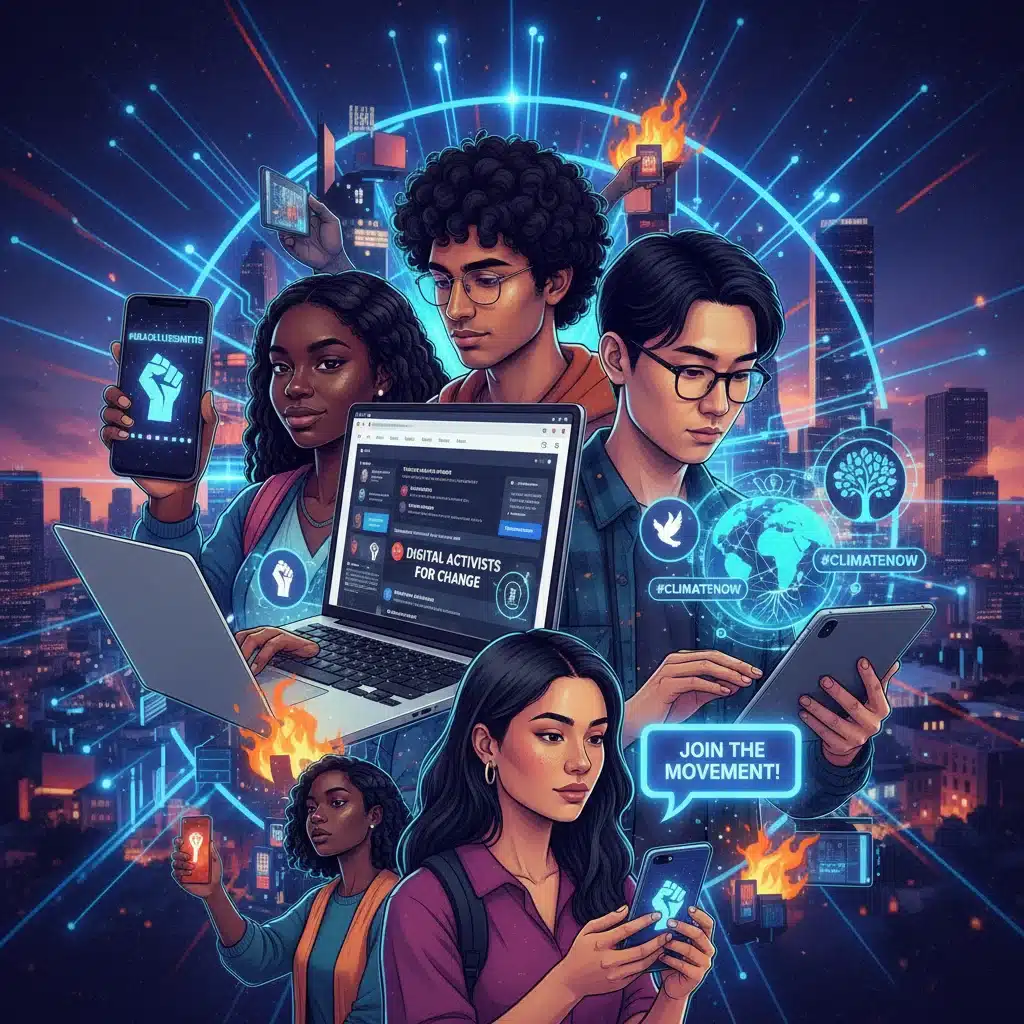
The landscape of social justice movements in the United States is in constant flux, but perhaps no generation has wielded a more transformative influence than Gen Z. As we approach 2026, the indelible mark of Gen Z digital activism is not just visible; it’s foundational to how advocacy operates. This generation, born into a world saturated with digital connectivity, has seamlessly integrated online platforms into the very fabric of their social and political engagement. Their methods are innovative, their reach is global, and their commitment to systemic change is unwavering. Understanding this shift is crucial for anyone seeking to comprehend the future of activism.
Gone are the days when activism was primarily confined to street protests and traditional lobbying. While these remain vital components, Gen Z digital activism has introduced a multi-faceted approach, leveraging the power of social media, online communities, and viral content to amplify voices, organize actions, and apply pressure on institutions. This article delves deep into the core trends defining this evolution, offering insider knowledge on how this digitally native generation is not just participating in, but actively redefining, social justice movements.
Our focus today is on three pivotal trends that exemplify the power and direction of Gen Z digital activism. These trends are not isolated phenomena but interconnected facets of a larger, more dynamic movement. From the strategic use of viral content to fostering inclusive online communities and demanding accountability through digital means, Gen Z is setting a new standard for effective advocacy. Prepare to gain a comprehensive understanding of the forces shaping the future of social justice.
The Rise of Hyper-Visual & Viral Storytelling: Trend 1 in Gen Z Digital Activism
One of the most striking characteristics of Gen Z digital activism is its mastery of hyper-visual and viral storytelling. This generation grew up with platforms like Instagram, TikTok, and YouTube, where visual narratives are king. They intuitively understand that a powerful image, a compelling short video, or a well-designed infographic can convey complex messages more effectively and rapidly than traditional long-form text. This isn’t just about aesthetics; it’s a strategic choice to maximize reach and emotional impact.
From Hashtags to TikTok Trends: The Mechanics of Virality
The journey from a local issue to a global conversation often begins with a single, potent piece of content. Gen Z activists are adept at crafting messages that are not only informative but also shareable and emotionally resonant. They utilize trending sounds, meme formats, and concise video explanations to break down intricate social justice issues into digestible, engaging pieces. For instance, a complex policy debate around environmental justice might be condensed into a 60-second TikTok video explaining its impact on a specific community, complete with compelling visuals and a call to action. This approach bypasses traditional media gatekeepers and allows narratives to spread organically at an unprecedented pace.
Hashtag campaigns, while not new, have been perfected by Gen Z. They understand the nuances of hashtag usage – from creating unique, memorable tags that encapsulate a movement’s essence to strategically using broader, trending tags to gain visibility. This often leads to a phenomenon where an issue gains critical mass online, forcing mainstream media and political figures to take notice. The power of a trending hashtag lies not just in its visibility but in its ability to coalesce disparate voices under a unified banner, creating a sense of collective action even when individuals are geographically dispersed.
Emotional Resonance and Authenticity as Drivers
Beyond the technical aspects of virality, Gen Z digital activism thrives on authenticity and emotional resonance. This generation values genuine expression and often shies away from overly polished or corporate-sounding messaging. Activists frequently share personal stories, raw emotions, and unfiltered perspectives, which resonate deeply with their peers. This authenticity fosters trust and encourages deeper engagement, transforming passive viewers into active participants.
The emphasis on emotional connection also means that content often highlights the human impact of social injustices. Rather than relying solely on statistics, Gen Z activists bring faces and voices to the issues, making them more relatable and urgent. This approach is incredibly effective in mobilizing support, especially among those who might not have previously considered themselves activists. The shared experience of witnessing injustice, even through a screen, can be a powerful catalyst for collective action.
Case Studies in Viral Success
Consider the numerous instances where local incidents have exploded into national conversations due to Gen Z’s digital prowess. A video of an injustice, initially shared by a single individual, can be reposted, remixed, and discussed by millions within hours. This rapid dissemination of information creates immediate public pressure and often compels institutions to respond. The speed at which these narratives develop and spread is a testament to the effectiveness of hyper-visual, viral storytelling as a cornerstone of Gen Z digital activism. By 2026, we anticipate even more sophisticated uses of augmented reality (AR) and virtual reality (VR) in storytelling, further immersing audiences in the realities of social justice issues and driving empathy to new heights.
Building Decentralized & Inclusive Online Communities: Trend 2 in Gen Z Digital Activism
The second major trend in Gen Z digital activism is the deliberate construction of decentralized and highly inclusive online communities. Unlike previous generations that might have relied on established organizations or hierarchical structures, Gen Z often builds movements from the ground up, utilizing platforms like Discord, Reddit, and various niche forums to organize, strategize, and support one another. These communities are characterized by their flat hierarchies, emphasis on intersectionality, and a strong sense of mutual aid.
Beyond the Echo Chamber: Fostering Diverse Dialogues
While critics sometimes accuse online spaces of being echo chambers, Gen Z activists are actively working to create inclusive environments that welcome diverse perspectives and experiences. They understand that true social justice requires addressing issues through an intersectional lens, recognizing how different forms of oppression intersect and compound. This means that discussions within these communities often encompass race, gender, sexuality, class, disability, and other identity markers, ensuring that solutions are holistic and equitable.
Platforms like Discord, with their ability to create multiple channels for specific topics and moderated discussions, have become invaluable tools for this. Activists can form groups centered around specific campaigns, share resources, coordinate actions, and provide emotional support, all within a relatively private and controlled environment. This allows for more nuanced conversations and strategic planning than might be possible on more public-facing platforms.
The decentralized nature of these communities also means that leadership can emerge organically from within the group, rather than being appointed. This fosters a sense of collective ownership and empowers a wider range of individuals to take initiative. Decision-making processes often involve consensus-building and direct participation, reflecting a democratic ethos that resonates deeply with Gen Z’s values.
Digital Spaces for Mutual Aid and Support
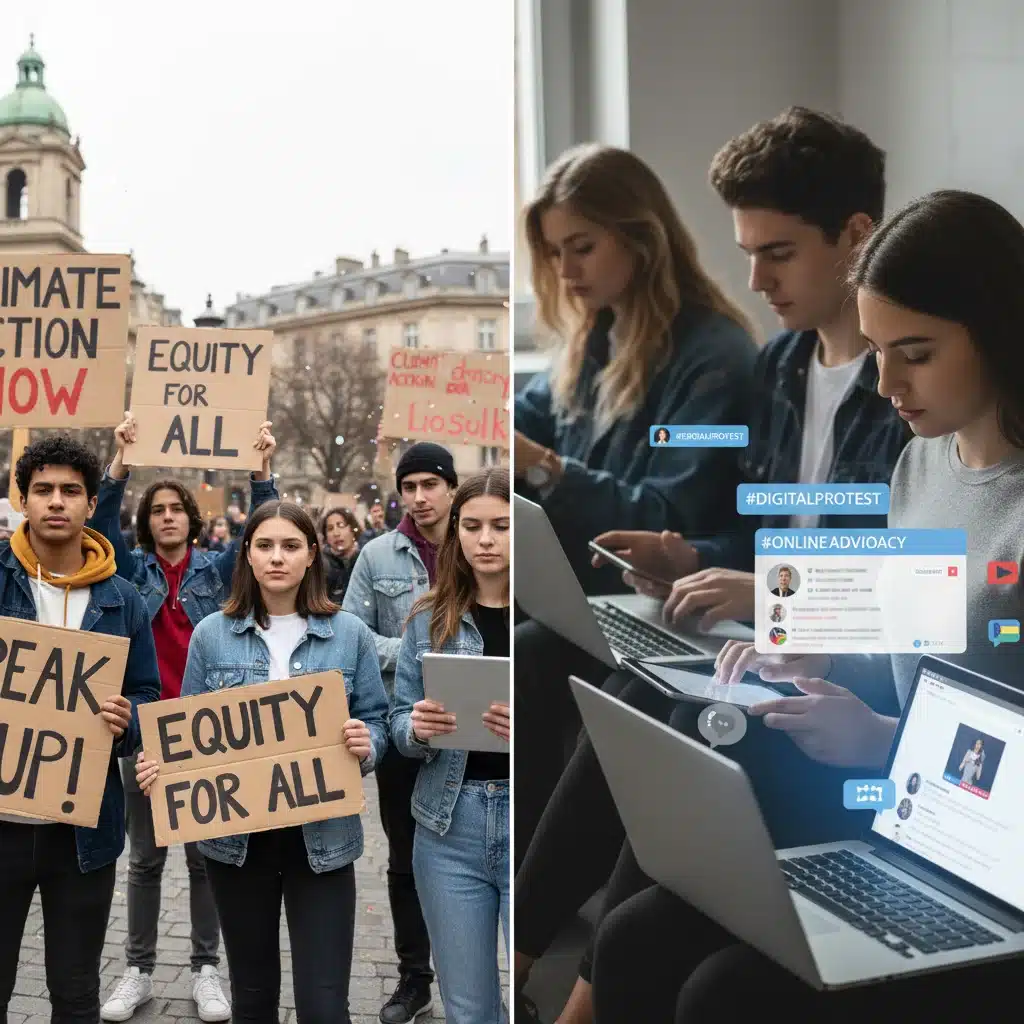
A significant aspect of these online communities is their function as spaces for mutual aid and support. When traditional systems fail, or when individuals face unique challenges related to their activism, these digital networks step in. This can range from sharing information about legal aid and mental health resources to organizing crowdfunding campaigns for activists in need. The sense of solidarity forged within these online communities strengthens the movement as a whole, providing a safety net and fostering resilience among its members.
For example, during periods of heightened social unrest or specific advocacy campaigns, these communities can quickly disseminate information about safety protocols, legal rights, and de-escalation techniques. They also serve as vital spaces for debriefing and processing traumatic events, offering peer support that might not be readily available elsewhere. This focus on well-being and collective care is a hallmark of Gen Z digital activism, recognizing that sustainable activism requires supporting the individuals at its core.
By 2026, we anticipate these decentralized communities will become even more sophisticated, potentially leveraging blockchain technologies for transparent funding and decision-making, and utilizing AI-powered tools for content moderation and resource allocation, further enhancing their efficiency and reach while maintaining their inclusive ethos.
Demanding Accountability Through Digital Pressure: Trend 3 in Gen Z Digital Activism
The third defining trend in Gen Z digital activism is its relentless pursuit of accountability, often achieved through targeted digital pressure campaigns. This generation is not content with mere awareness; they demand tangible change and are exceptionally skilled at using online tools to hold individuals, corporations, and political entities responsible for their actions or inactions. Their strategies are often swift, coordinated, and highly effective in generating real-world consequences.
Targeted Campaigns and Corporate Accountability
Gen Z activists are masters of identifying pressure points. When a company or individual acts in a way that contradicts social justice principles, these activists are quick to mobilize. This can involve organized boycotts, mass emailing campaigns, social media storms, and direct digital confrontation. The goal is often to hit where it hurts most: reputation and financial bottom line. A single misstep can lead to widespread public condemnation, investor pressure, and significant economic repercussions.
For example, if a corporation is found to be engaging in environmentally harmful practices, Gen Z digital activism can quickly expose these actions, circulate evidence, and call for consumer action. This can lead to a rapid decline in sales, a public relations crisis, and ultimately, a forced change in corporate policy. The speed at which these campaigns can escalate is a direct result of Gen Z’s digital fluency and their ability to quickly disseminate information and coordinate action across vast networks.
Moreover, Gen Z often focuses on transparency. They demand that institutions not only make promises but also demonstrate concrete steps towards fulfilling them. This means scrutinizing corporate social responsibility reports, fact-checking public statements, and using data to expose discrepancies. The digital age has provided them with an unprecedented ability to access and analyze information, turning every social media user into a potential watchdog.
Holding Political Figures and Institutions Accountable
Beyond corporations, Gen Z digital activism also extends to holding political figures and governmental institutions accountable. This manifests in various ways, from organizing digital protests and petitions that directly address lawmakers to fact-checking political rhetoric and exposing misinformation. They are adept at using social media to highlight inconsistencies in political stances, challenge narratives, and demand responses to pressing social issues.
The ability to instantly share clips of political speeches, analyze voting records, and disseminate news from diverse sources empowers Gen Z to form informed opinions and challenge established power structures. They are less likely to accept information at face value and more inclined to seek out multiple perspectives, often through their online networks. This critical engagement with political discourse is a powerful tool for promoting transparency and demanding better governance.
The Future of Digital Accountability
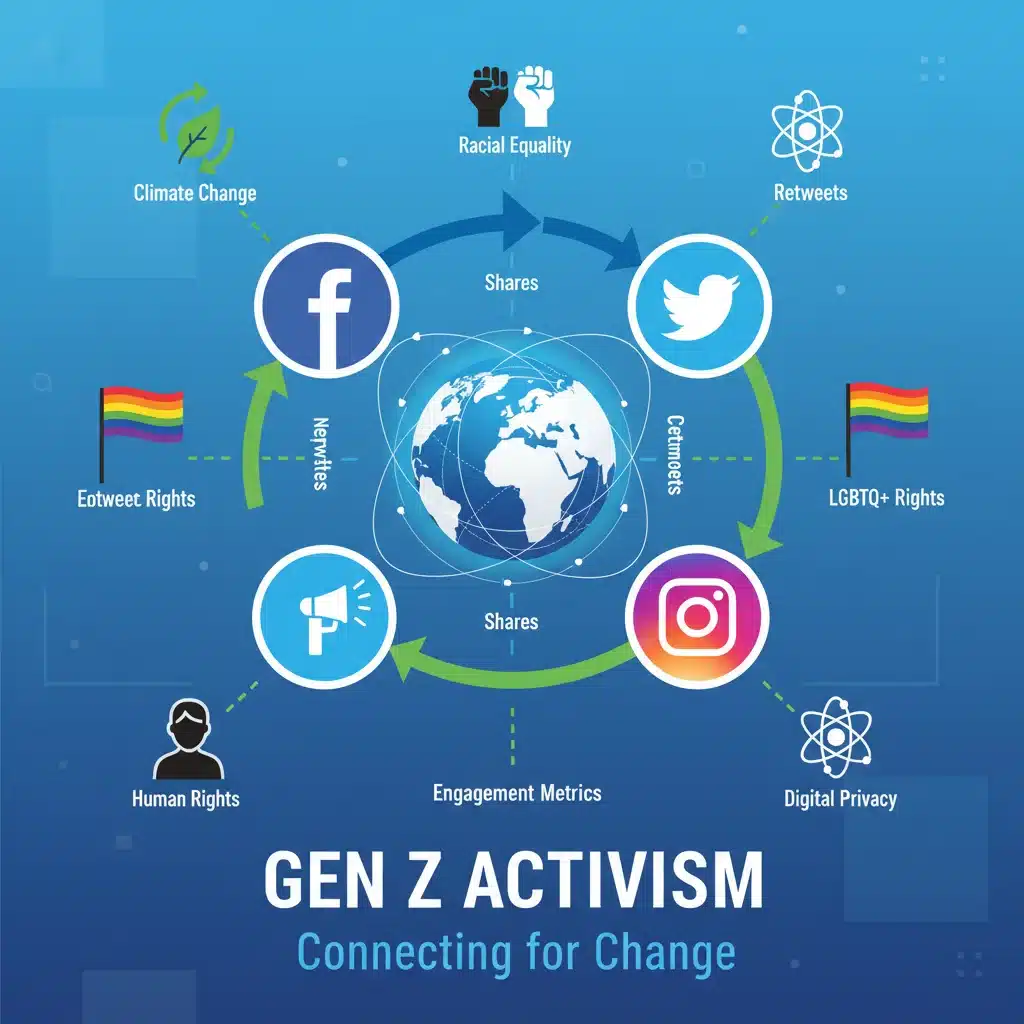
As we look to 2026 and beyond, the methods of digital accountability are likely to become even more sophisticated. Expect to see increased use of data analytics to track and report on institutional performance, blockchain technology for transparent voting and funding mechanisms within activist groups, and even AI-powered tools to monitor and flag instances of injustice or misinformation. The continuous evolution of technology will undoubtedly provide Gen Z with new and powerful avenues to demand and enforce accountability, making it harder for those in power to ignore their calls for justice.
The Broader Impact of Gen Z Digital Activism on Social Justice
The three trends discussed – hyper-visual storytelling, decentralized communities, and digital accountability – are not merely isolated tactics but interconnected pillars that collectively redefine social justice movements. Gen Z digital activism has fundamentally altered the speed, scale, and nature of advocacy, creating a more responsive and interconnected ecosystem for change.
Accelerated Information Flow and Global Reach
One of the most significant impacts is the acceleration of information flow. News of injustices, calls to action, and strategic updates can now traverse the globe in seconds, mobilizing support and resources far more efficiently than ever before. This rapid dissemination means that movements are no longer confined by geographical boundaries; an issue in one corner of the world can quickly garner international attention and solidarity, thanks to the interconnectedness fostered by Gen Z digital activism.
This global reach also means that activists can learn from and support each other across borders, sharing tactics, resources, and insights. The shared experience of fighting for justice, regardless of location, builds a stronger, more resilient global movement. By 2026, we anticipate an even greater integration of global campaigns, with technologies facilitating seamless cross-border collaboration on issues like climate change and human rights.
Democratization of Activism
Gen Z digital activism has also democratized activism, lowering the barrier to entry for participation. One no longer needs to join a formal organization or attend a physical protest to contribute to a cause. Liking a post, sharing a video, signing an online petition, or participating in a digital discussion are all forms of engagement that, when aggregated, can create significant impact. This inclusivity ensures that a wider range of voices and perspectives can contribute to social justice efforts, enriching the movement with diverse ideas and experiences.
This democratization also extends to leadership. As mentioned, decentralized communities allow for organic leadership to emerge, empowering individuals who might not traditionally have access to positions of influence. This fosters a more dynamic and adaptable movement, less reliant on a few prominent figures and more reflective of the collective will.
Challenges and the Path Forward
While the power of Gen Z digital activism is undeniable, it is not without its challenges. Issues such as digital fatigue, the spread of misinformation, online harassment, and the constant battle against algorithmic biases are real concerns that activists must navigate. The ephemeral nature of viral content can also mean that attention on an issue fades quickly, requiring continuous effort to maintain momentum.
However, Gen Z is also demonstrating remarkable resilience and adaptability in addressing these challenges. They are developing sophisticated strategies for fact-checking, promoting digital well-being, and building robust support networks to counter online negativity. The ongoing evolution of digital tools and strategies suggests that by 2026, many of these challenges will be met with innovative solutions, further solidifying the role of digital activism.
Conclusion: The Enduring Legacy of Gen Z’s Digital Revolution
The year 2026 will undoubtedly mark a pivotal point in the ongoing narrative of social justice in the US, largely shaped by the innovative and relentless spirit of Gen Z digital activism. Through their masterful use of hyper-visual storytelling, their commitment to building decentralized and inclusive online communities, and their unwavering demand for accountability through digital pressure, this generation has fundamentally redefined what it means to advocate for change.
Their approach is not just about leveraging technology; it’s about embedding social justice into the very fabric of digital interaction. It’s about creating a world where awareness translates into action, where voices are amplified, and where power structures are constantly challenged. The digital realm, once seen by some as a superficial space, has been transformed by Gen Z into a formidable arena for serious social and political engagement.
For businesses, policymakers, and established organizations, understanding these trends is no longer optional; it is imperative. Ignoring the power of Gen Z digital activism is to ignore the future of social change. Engaging with these movements, understanding their methodologies, and recognizing their legitimate demands will be crucial for navigating the evolving social and political landscape of the United States. Gen Z is not just participating in the conversation; they are leading it, and their digital revolution is here to stay.