Experience Economy 2026: Financial Impact of Immersive Cultural Activities
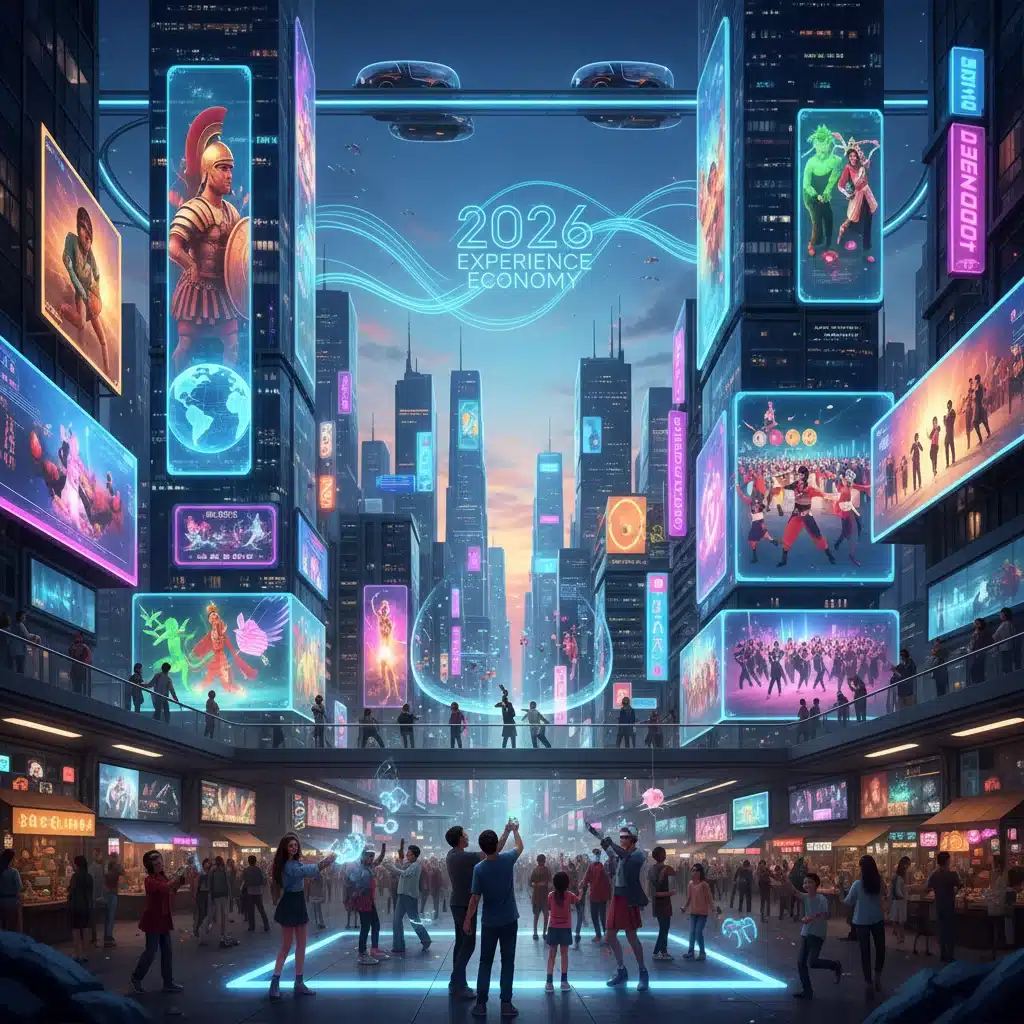
The 2026 ‘Experience Economy’: Financial Impact of Shifting Consumer Values Towards Immersive Cultural Activities
The dawn of 2026 brings with it a profound evolution in consumer behavior, signaling a definitive shift from mere consumption of goods to an insatiable demand for memorable and meaningful experiences. This phenomenon, widely recognized as the Experience Economy, is not merely a buzzword but a fundamental reshaping of economic landscapes. At its core, the Experience Economy 2026 is characterized by consumers prioritizing immersive cultural activities, personal growth, and authentic connections over traditional material possessions. This article delves deep into the financial impact of this paradigm shift, exploring how businesses must adapt, innovate, and strategically position themselves to thrive in a world where memories are the new currency.
For decades, economic models have largely hinged on the production and consumption of tangible goods and services. However, as societies mature and basic needs are met, consumer aspirations naturally gravitate towards higher-order needs, such as self-actualization, social connection, and personal enrichment. The digital age, far from alienating individuals, has paradoxically amplified the desire for real-world, deeply engaging interactions, often facilitated or enhanced by technology. This dynamic interplay between digital convenience and physical immersion is a defining characteristic of the Experience Economy 2026.
The financial implications of this shift are far-reaching, affecting diverse sectors from tourism and entertainment to education, retail, and even healthcare. Companies that once focused solely on product features or service efficiency are now compelled to design entire ecosystems of engagement, offering narratives, interactive elements, and opportunities for co-creation. Those that fail to recognize and adapt to this evolving consumer psychology risk obsolescence, while those that embrace it stand to unlock unprecedented growth and market loyalty. Understanding the nuances of this transformation is paramount for any forward-thinking enterprise.
The Genesis and Evolution of the Experience Economy
To truly grasp the significance of the Experience Economy 2026, it’s essential to trace its conceptual roots. The term ‘Experience Economy’ was first coined by B. Joseph Pine II and James H. Gilmore in a 1998 Harvard Business Review article, and later expanded upon in their book, ‘The Experience Economy: Work Is Theater & Every Business a Stage.’ They argued that businesses must intentionally design engaging experiences for their customers, much like a theatrical production. This concept built upon earlier economic stages: commodities, goods, and services, each evolving to offer greater value and differentiation.
In the commodity economy, value was derived from raw materials. The industrial revolution ushered in the goods economy, where manufactured products held sway. The service economy followed, emphasizing intangible labor and expertise. The Experience Economy represents the fourth stage, where the offering is not just a service, but a memorable event that engages individuals in a personal and meaningful way. In 2026, this concept has matured, becoming the dominant force in many consumer markets, driven by technological advancements and a generational shift in values.
The early iterations of the Experience Economy often focused on obvious sectors like theme parks, coffee shops (Starbucks being a prime example of selling an ‘experience’ rather than just coffee), and entertainment venues. However, by 2026, the principles of experience design have permeated virtually every industry. Consumers no longer just buy a car; they seek a driving experience, often enhanced by smart technology and personalized services. They don’t just enroll in a course; they seek an immersive learning journey that fosters community and practical application.
This evolution is also deeply intertwined with societal changes. The rise of social media, while sometimes criticized for fostering superficial connections, has also amplified the desire to share unique, brag-worthy experiences. People are increasingly investing in ‘doing’ rather than ‘having,’ understanding that experiences contribute more significantly to happiness and personal identity than material possessions. This psychological shift is a powerful engine behind the growth of the Experience Economy 2026.
Defining Immersive Cultural Activities in 2026
Central to the Experience Economy 2026 is the emphasis on ‘immersive cultural activities.’ But what exactly does this entail in the modern context? It goes far beyond traditional museum visits or concerts. Immersive cultural activities in 2026 are characterized by their ability to completely engross participants, often leveraging cutting-edge technology, interactive elements, and personalized narratives to create a profound and memorable engagement.
Key Characteristics of Immersive Cultural Activities:
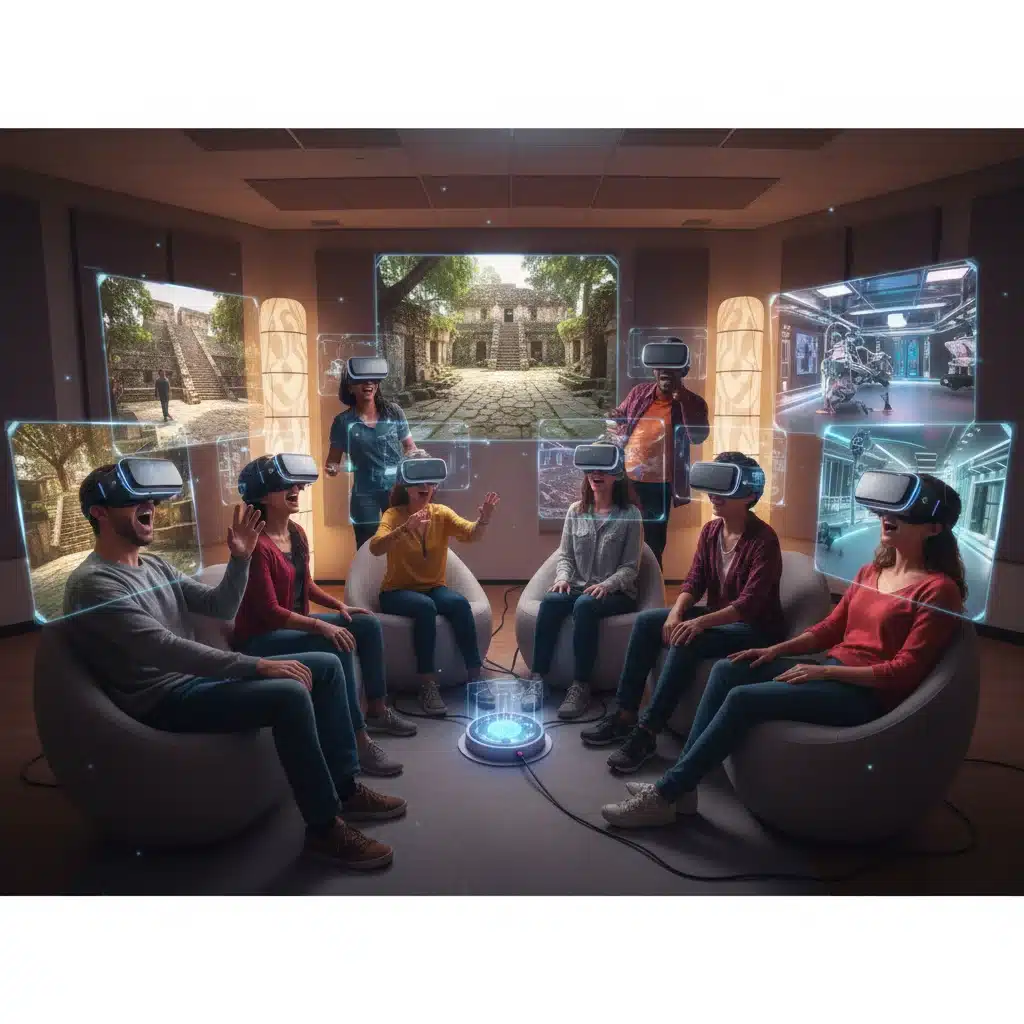
- Technological Integration: Virtual reality (VR), augmented reality (AR), mixed reality (MR), and holographic projections are no longer niche technologies but integral components of many cultural experiences. Imagine exploring an ancient Roman city through a VR headset, interacting with historical figures, or witnessing a digital reconstruction of a lost masterpiece in AR overlaying a physical space.
- Personalization and Customization: Experiences are increasingly tailored to individual preferences, learning styles, and interests. AI-driven algorithms might suggest personalized itineraries for a cultural festival or adapt the narrative of an interactive exhibit based on user input, making each encounter unique.
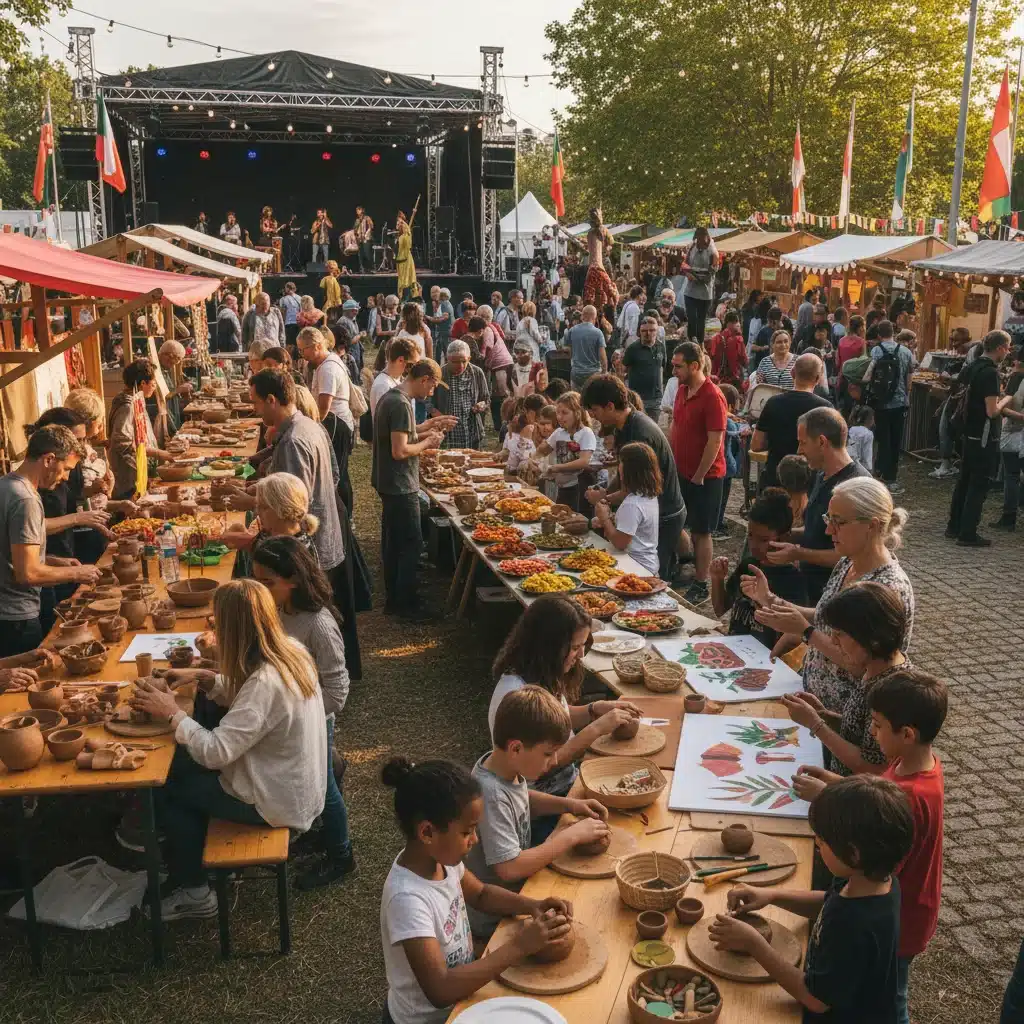
- Multi-Sensory Engagement: Beyond sight and sound, immersive experiences engage touch, smell, and even taste. A historical reenactment might include period-specific aromas, while a culinary workshop could explore the cultural significance of certain flavors.
- Interactive and Participatory: Consumers are no longer passive observers. They are active participants, co-creators, and agents within the experience. This could involve solving puzzles in an escape room themed around a historical event, contributing to a collaborative art installation, or engaging in a role-playing scenario that brings a cultural narrative to life.
- Narrative-Driven: Strong storytelling underpins successful immersive experiences. Whether it’s a journey through a historical epoch, an exploration of an artistic movement, or an encounter with an indigenous culture, a compelling narrative provides context, emotional resonance, and a framework for understanding.
- Community and Connection: While individual immersion is key, many cultural experiences also foster a sense of community. Group workshops, collaborative projects, and shared virtual spaces allow participants to connect with like-minded individuals, enriching the overall experience.
Examples abound: from VR tours of inaccessible archaeological sites to AR-enhanced city walks that bring historical events to life on the streets. Interactive art installations that respond to viewer movement, culinary journeys that teach traditional cooking methods in a digital-physical hybrid space, and music festivals that integrate biometric feedback to personalize the auditory and visual experience are all hallmarks of the evolving cultural landscape within the Experience Economy 2026. These experiences are not just about entertainment; they are about education, personal growth, emotional connection, and a deeper understanding of the world and oneself.
Financial Impact: A Deep Dive into Market Dynamics
The financial ramifications of the Experience Economy 2026 are substantial and multifaceted. Businesses, investors, and policymakers must grasp these shifts to navigate the evolving economic terrain successfully.
Increased Consumer Spending on Experiences:
One of the most direct financial impacts is the re-allocation of consumer discretionary spending. Data from various market research firms consistently indicate a growing proportion of household budgets being dedicated to experiences rather than goods. This trend, accelerated by the pandemic’s emphasis on quality time and meaningful engagement, is projected to intensify by 2026. Sectors like travel, live entertainment, educational workshops, wellness retreats, and specialized cultural tours are seeing significant growth, often at the expense of traditional retail sectors.
Premium Pricing and Value Perception:
Immersive cultural activities often command premium pricing. Consumers are willing to pay more for experiences that are unique, personalized, and offer high emotional or intellectual value. This allows businesses to achieve higher profit margins compared to product-based offerings, provided they deliver on the promise of a truly exceptional experience. The perceived value shifts from the cost of materials or labor to the richness of the memory created and the personal transformation achieved.
Investment in Experiential Infrastructure:
The growth of the Experience Economy 2026 necessitates significant investment in new infrastructure. This includes state-of-the-art VR/AR facilities, interactive museum exhibits, flexible event spaces, and digital platforms capable of delivering seamless, personalized experiences. Real estate developers are re-imagining commercial spaces, moving away from traditional retail fronts to ‘experience centers’ that blend shopping with entertainment, learning, and cultural engagement. Cities are also investing in smart tourism initiatives and cultural districts designed to attract experience-seeking visitors.
Job Market Transformation:
The demand for experience designers, narrative architects, virtual reality developers, cultural curators, data analysts specializing in consumer behavior, and personalized service providers is surging. This creates new job opportunities but also requires a significant upskilling of the workforce in traditional sectors. The gig economy also plays a crucial role, with many artists, performers, and specialized educators finding new avenues to offer their unique skills as part of curated experiences.
New Revenue Streams and Business Models:
Businesses are exploring innovative revenue models beyond direct ticket sales. Subscription services for curated cultural content, personalized experience memberships, merchandise tied to immersive narratives, and corporate experience packages are becoming increasingly common. The blending of physical and digital also opens doors for hybrid models, where a physical event might be complemented by exclusive digital content or a virtual experience could lead to a real-world follow-up.
Impact on Tourism and Hospitality:
The tourism sector is profoundly affected. Travelers are no longer content with sightseeing; they seek authentic cultural immersion, local interactions, and experiences that tell a story. This drives demand for niche tourism, eco-tourism, cultural exchange programs, and personalized travel itineraries that prioritize unique experiences over standard tourist traps. Hotels are transforming into experiential hubs, offering local cultural programs, wellness activities, and bespoke services that cater to the experience-driven traveler.
Challenges and Opportunities for Businesses
While the Experience Economy 2026 presents immense opportunities, it also comes with its share of challenges. Businesses must be agile, innovative, and deeply attuned to consumer desires to succeed.
Challenges:
- High Expectations: Consumers in the Experience Economy have very high expectations. A mediocre experience can lead to swift dissatisfaction and negative word-of-mouth, especially in the age of social media.
- Scalability Issues: Highly personalized and immersive experiences can be difficult to scale without diluting their quality or authenticity. Balancing personalization with profitability is a constant tightrope walk.
- Technological Investment and Obsolescence: Keeping pace with rapidly evolving technologies (VR, AR, AI) requires continuous investment and foresight to avoid technological obsolescence.
- Measuring ROI: Quantifying the return on investment for experiences, particularly those focused on emotional or intellectual enrichment, can be more complex than for tangible products.
- Authenticity and Gimmickry: There’s a fine line between genuinely immersive experiences and superficial gimmicks. Consumers are increasingly discerning and value authenticity.
- Intellectual Property and Content Creation: Developing unique cultural content and protecting intellectual property in a digitally shareable world is a significant challenge.
Opportunities:
- Brand Differentiation: Crafting unique, compelling experiences is a powerful way to differentiate a brand in a crowded marketplace, fostering loyalty and advocacy.
- Higher Customer Lifetime Value (CLV): Positive experiences build emotional connections, leading to repeat business, referrals, and a higher CLV.
- New Market Creation: The focus on experiences opens up entirely new market segments and product categories that were previously unimaginable.
- Collaborations and Partnerships: The complex nature of experience design often necessitates collaborations between technology providers, artists, cultural institutions, and businesses, fostering innovative partnerships.
- Data-Driven Personalization: The digital component of many experiences generates valuable data, allowing businesses to refine their offerings, personalize interactions, and anticipate future consumer needs.
- Global Reach with Digital Immersion: Digital immersive experiences can transcend geographical boundaries, allowing cultural institutions and businesses to reach a global audience, democratizing access to unique cultural content.
Strategies for Thriving in the 2026 Experience Economy
Businesses looking to capitalize on the Experience Economy 2026 must adopt a strategic framework centered around experience design and consumer engagement. Here are key strategies:
1. Embrace Experience Design Thinking:
Shift from a product-centric or service-centric mindset to an experience-centric one. This involves understanding the entire customer journey, identifying pain points, and designing every touchpoint to be meaningful, engaging, and emotionally resonant. Employ methodologies like journey mapping, persona development, and rapid prototyping to test and refine experience concepts.
2. Invest in Immersive Technologies:
Strategic adoption of VR, AR, and AI is crucial. This doesn’t mean blindly integrating technology, but rather using it thoughtfully to enhance immersion, personalization, and interaction. For example, a museum might use AR to bring ancient artifacts to life, or a retail brand might offer a VR fitting room experience.
3. Cultivate Co-Creation and Participation:
Empower consumers to be active participants rather than passive recipients. This could involve workshops where they create their own cultural artifacts, interactive narratives where their choices influence the outcome, or platforms where they can contribute their own stories and perspectives. Co-creation fosters a deeper sense of ownership and connection.
4. Focus on Storytelling and Narrative:
Every experience should tell a compelling story. Whether it’s the history of a place, the evolution of an art form, or the journey of a product, a strong narrative provides context, evokes emotion, and makes the experience more memorable. Businesses should hire or partner with narrative experts to craft engaging storylines.
5. Prioritize Personalization and Customization:
Leverage data and AI to offer tailored experiences. This could range from personalized recommendations for cultural events to customized learning paths within an educational experience. The goal is to make each individual feel seen, understood, and uniquely catered to.
6. Build Communities Around Experiences:
Facilitate connections among participants. This can be through online forums, exclusive member events, or opportunities for group collaboration within an experience. A sense of belonging and shared purpose amplifies the value of the experience and fosters loyalty.
7. Measure and Adapt:
Develop robust metrics to measure the success of experiences, going beyond traditional financial KPIs to include emotional engagement, satisfaction, and long-term behavioral changes. Continuously gather feedback, iterate, and adapt offerings based on consumer response and evolving trends.
8. Forge Cross-Industry Partnerships:
The complexity of creating truly immersive cultural experiences often requires collaboration across diverse sectors. A tourism company might partner with a local artist collective, a tech firm, and a culinary school to create a multi-sensory cultural tour. These partnerships can unlock new creative possibilities and reach broader audiences.
Case Studies: Exemplars of the 2026 Experience Economy
To illustrate these concepts, let’s look at hypothetical (but plausible) examples of businesses thriving in the Experience Economy 2026:
The ‘Chrono-Voyager’ Historical Immersion Center:
This center uses advanced VR and haptic feedback suits to transport visitors to historically accurate reconstructions of ancient civilizations. Participants can ‘walk’ through the streets of Rome, interact with AI-driven historical figures, and even ‘feel’ the texture of period clothing. Each visit is personalized based on pre-selected interests, and post-experience, users receive a digital journal of their unique journey, complete with contextual information and AR overlays for real-world historical sites. Their revenue comes from tiered access passes, educational partnerships, and premium ‘co-creator’ experiences where users help design future historical scenarios.
‘Art Resonance’: AI-Curated Interactive Galleries:
Art Resonance operates a network of physical galleries augmented with AI. As visitors move through the space, their biometric data (e.g., gaze tracking, heart rate variability) and past preferences (from an optional profile) influence the presentation of art. A painting might subtly shift its color palette to match a viewer’s mood, or a sculpture might project a holographic narrative explaining its creation based on the viewer’s interest in the artist’s life. The gallery also hosts workshops where participants use AI tools to co-create digital art, which can then be displayed alongside established pieces. Revenue streams include memberships, personalized art commissions, and licensing their AI curation technology to other cultural institutions.
‘Terra Savora’: Global Culinary Expeditions (Hybrid Model):
Terra Savora offers hybrid culinary experiences. Participants first receive a curated box of rare, ethically sourced ingredients from a specific global region. Then, they join a live, interactive online cooking class led by a local chef, often streamed from an authentic kitchen in that region, complete with AR overlays to identify ingredients and techniques. For those seeking deeper immersion, Terra Savora offers exclusive ‘Expedition Passes’ that include a physical trip to the region, where participants engage in hands-on farming, foraging, and cooking with local communities. This blended approach caters to different levels of immersion and financial commitment, creating a rich cultural dialogue around food.
The Future Outlook: Sustainability and Ethics in the Experience Economy
As the Experience Economy 2026 continues to mature, critical considerations around sustainability and ethics will become increasingly prominent. The drive for unique experiences must be balanced with responsible practices.
Environmental Sustainability:
The environmental footprint of immersive experiences, particularly those involving travel or extensive technological infrastructure, needs careful management. Businesses must prioritize sustainable sourcing, energy-efficient technologies, and minimize waste. Virtual and hybrid experiences can offer more environmentally friendly alternatives, reducing the need for physical travel.
Ethical AI and Data Privacy:
The use of AI for personalization raises questions about data privacy and algorithmic bias. Companies must be transparent about data collection and usage, ensuring robust privacy safeguards and ethical AI development that avoids reinforcing stereotypes or creating echo chambers within cultural experiences.
Cultural Sensitivity and Authenticity:
When curating cultural activities, it is paramount to ensure authenticity and respect for the cultures being represented. This involves working closely with indigenous communities and cultural experts, avoiding cultural appropriation, and ensuring that narratives are told from diverse and respectful perspectives. The goal is to foster genuine understanding, not superficial exoticism.
Accessibility and Inclusivity:
Experiences must be designed to be accessible to all, regardless of physical ability, socioeconomic status, or geographical location. This means considering universal design principles for physical spaces, offering varied pricing tiers, and leveraging digital platforms to broaden access to cultural content for underserved communities.
The Blurring Lines Between Reality and Simulation:
As immersive technologies become more sophisticated, the lines between real and simulated experiences will blur. This presents philosophical and ethical questions about the nature of reality, authenticity, and the potential for digital experiences to replace or devalue real-world interactions. Businesses have a responsibility to foster a healthy balance and ensure that technology enhances, rather than detracts from, genuine human connection.
Conclusion: Navigating the Experiential Tides of 2026
The Experience Economy 2026 is not a fleeting trend but a fundamental shift in how consumers derive value and meaning. The financial impact is profound, redirecting significant capital towards immersive cultural activities and compelling businesses to redefine their strategies. Success in this new landscape hinges on an unwavering commitment to understanding consumer psychology, embracing innovative technologies, and designing experiences that are not just engaging but also authentic, personalized, and deeply meaningful.
For entrepreneurs, this era offers fertile ground for innovation and the creation of entirely new market segments. For established corporations, it demands a fresh look at core competencies and a willingness to disrupt existing business models. Investors will find lucrative opportunities in companies that master experience design and build resilient, experience-centric ecosystems. Policymakers have a role to play in fostering an environment that supports cultural innovation, technological development, and ethical practices.
Ultimately, the Experience Economy 2026 is about selling transformation – the transformation of perspectives, skills, emotions, and memories. Businesses that can consistently deliver these transformative experiences will not only capture market share but also contribute to a richer, more engaged, and culturally vibrant society. The future belongs to those who understand that in 2026, the greatest value lies not in what people own, but in what they feel, learn, and become through the experiences they choose.
What is the Experience Economy?
The Experience Economy is an economic stage where businesses intentionally design and stage memorable events for their customers, moving beyond the traditional offerings of commodities, goods, and services. In this economy, the ‘experience’ itself becomes the primary product, engaging customers in a personal and meaningful way. It’s about creating value through emotions, intellectual stimulation, and sensory engagement, rather than just delivering a functional product or service. This concept has evolved significantly, particularly by 2026, to encompass highly immersive, personalized, and technologically integrated cultural activities.