Wellness Culture Boom: Lifestyles, Spending & 2026 Trends
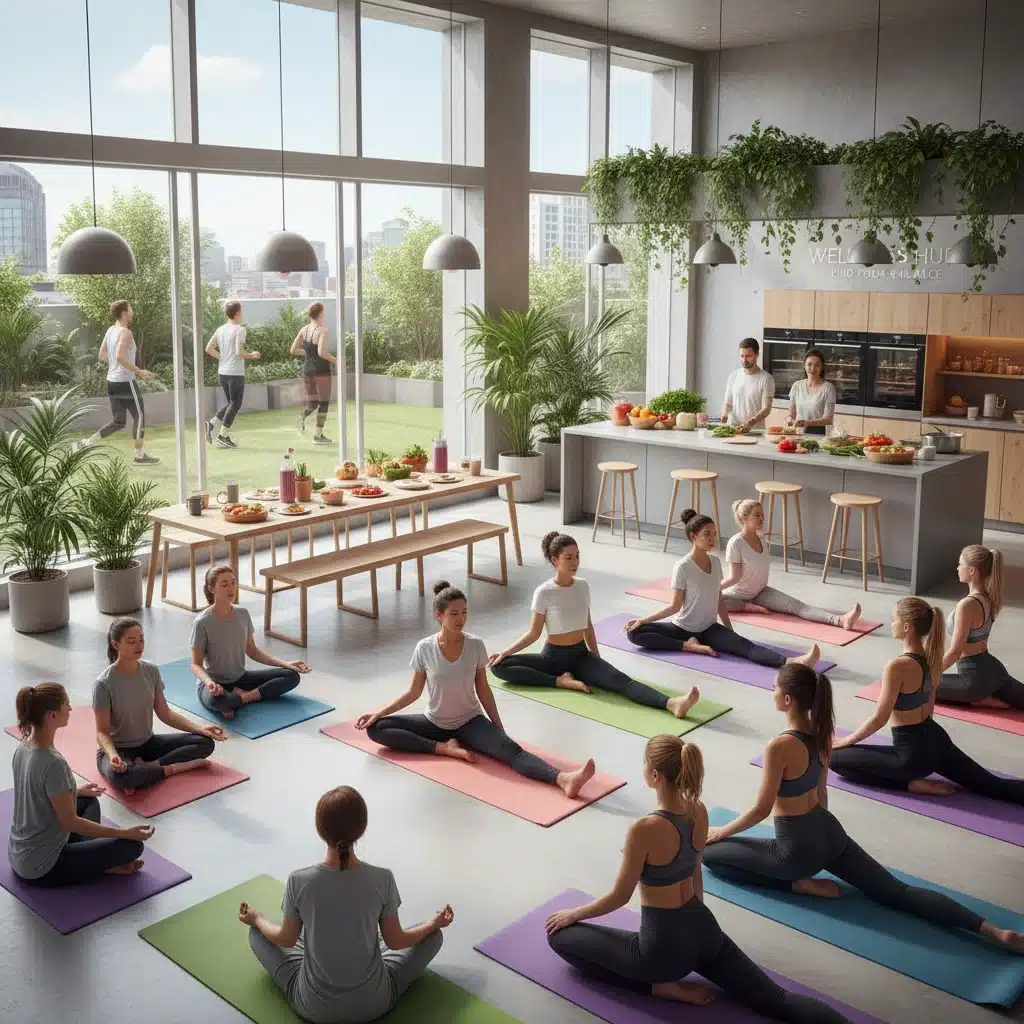
The ‘Wellness Culture’ Boom: Recent Updates on Its Influence on American Lifestyles and 2026 Consumer Spending Patterns
The concept of wellness culture trends has transcended mere fad status to become a deeply ingrained aspect of American life. What began as a niche interest in health and well-being has blossomed into a multi-trillion-dollar global industry, profoundly influencing how Americans live, work, and spend their money. This comprehensive exploration delves into the recent updates surrounding this ubiquitous phenomenon, examining its far-reaching impact on lifestyles and projecting its trajectory, particularly in terms of consumer spending, through 2026.
At its core, wellness culture encompasses a holistic approach to health, extending beyond the absence of illness to include physical, mental, emotional, social, and spiritual well-being. This broad definition has allowed the industry to infiltrate countless sectors, from fitness and nutrition to mindfulness, beauty, sleep, and even financial health. The pandemic, in particular, served as a powerful catalyst, accelerating an already growing interest in personal well-being as individuals sought greater control over their health amidst unprecedented uncertainty.
Understanding these wellness culture trends is not merely an academic exercise; it’s crucial for businesses, policymakers, and individuals alike. For businesses, it represents a dynamic market ripe with innovation and consumer demand. For policymakers, it highlights evolving societal needs and potential areas for public health initiatives. And for individuals, it offers insights into the prevailing ethos shaping modern living and consumption choices. As we look towards 2026, the influence of wellness culture is only expected to intensify, making a detailed analysis imperative.
Defining the Modern Wellness Landscape: Beyond Gyms and Green Smoothies
While gyms and green smoothies remain iconic symbols, the modern wellness landscape is far more expansive and nuanced. The current iteration of wellness culture trends emphasizes personalization, technology integration, and a deeper connection between physical and mental health. Consumers are no longer satisfied with one-size-fits-all solutions; they seek tailored experiences that align with their individual needs, preferences, and values.
The Rise of Personalized Wellness
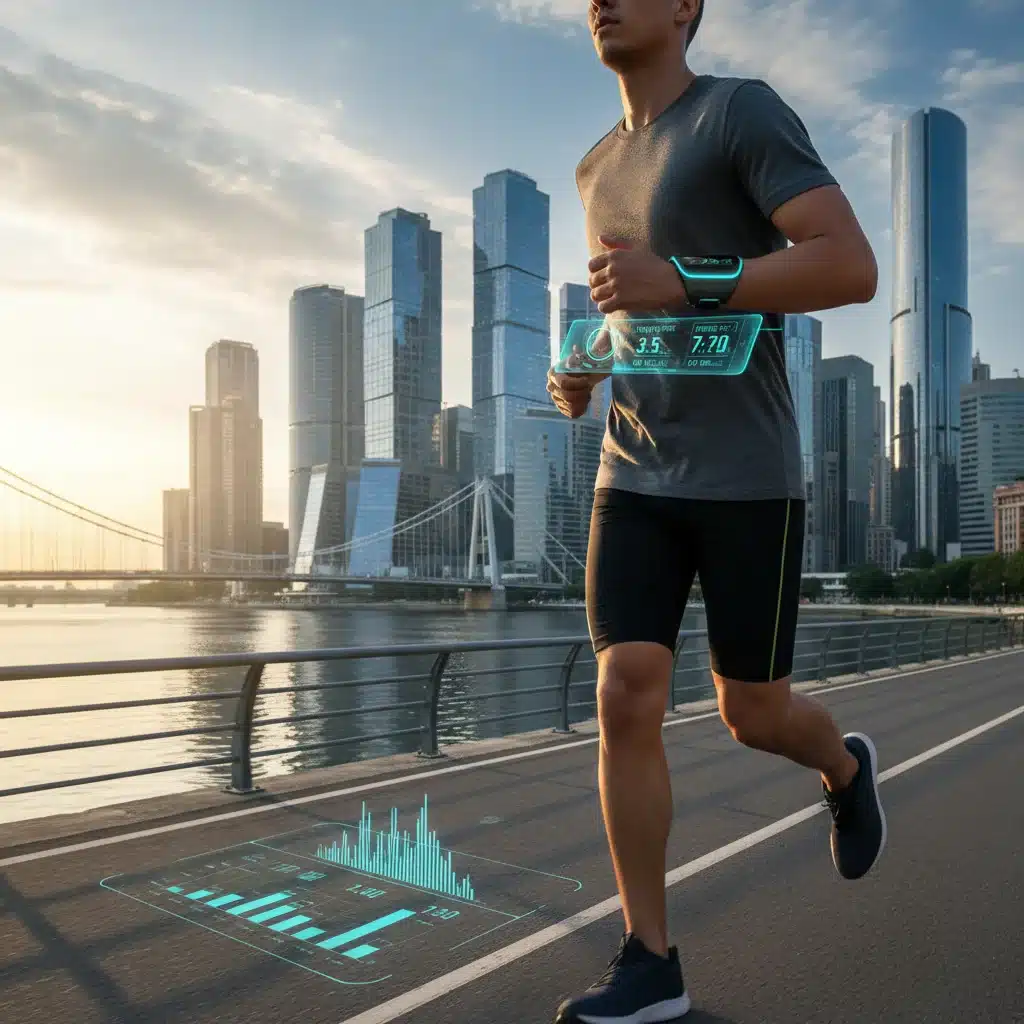
Personalization is a dominant theme. This ranges from customized diet plans based on genetic testing and gut microbiome analysis to bespoke fitness routines designed by AI-powered apps. Wearable technology, a cornerstone of this trend, provides real-time data on everything from heart rate and sleep patterns to stress levels, empowering individuals to make informed decisions about their health. This data-driven approach allows for a level of precision in wellness hitherto unimaginable, moving away from generic advice to highly specific, actionable insights. The allure of personalized wellness lies in its promise of optimal results and a sense of individual agency, making it a powerful driver of consumer engagement and spending within the wellness culture trends.
Mental Well-being Takes Center Stage
Perhaps one of the most significant shifts in recent years is the mainstreaming of mental health. Once a stigmatized topic, mental well-being is now recognized as an integral component of overall wellness. This has led to an explosion in demand for mindfulness apps, meditation retreats, therapy services (both in-person and virtual), and products designed to reduce stress and improve sleep. Companies are increasingly incorporating mental health support into employee benefits packages, acknowledging its critical role in productivity and overall quality of life. The destigmatization of mental health discussions has opened up vast new markets for products and services, contributing substantially to the economic footprint of wellness culture trends.
The Blurring Lines: Wellness and Lifestyle Integration
Wellness is no longer confined to specific activities or locations; it’s seamlessly integrating into everyday life. This means wellness considerations are influencing choices in housing (e.g., smart homes designed for better sleep and air quality), travel (e.g., wellness tourism, detox retreats), fashion (e.g., athleisure wear, functional fabrics), and even urban planning (e.g., walkable cities, green spaces). This holistic integration signifies a deeper, more pervasive impact of wellness culture trends on American lifestyles, transforming how individuals perceive and interact with their environments.
Economic Impact: Consumer Spending and Market Growth
The economic footprint of the wellness industry is staggering, and it continues to grow at an impressive pace. Global estimates place the industry’s value in the trillions of dollars, with significant contributions from the American market. Consumer spending in this sector reflects a fundamental shift in priorities, where health and well-being are increasingly viewed as essential investments rather than discretionary expenses.
Key Spending Categories
Several categories dominate consumer spending within the wellness culture trends:
- Physical Activity: This includes gym memberships, boutique fitness classes (e.g., CrossFit, Pilates, yoga), personal trainers, outdoor adventure gear, and at-home fitness equipment. The rise of virtual fitness platforms and connected fitness devices has further fueled this segment.
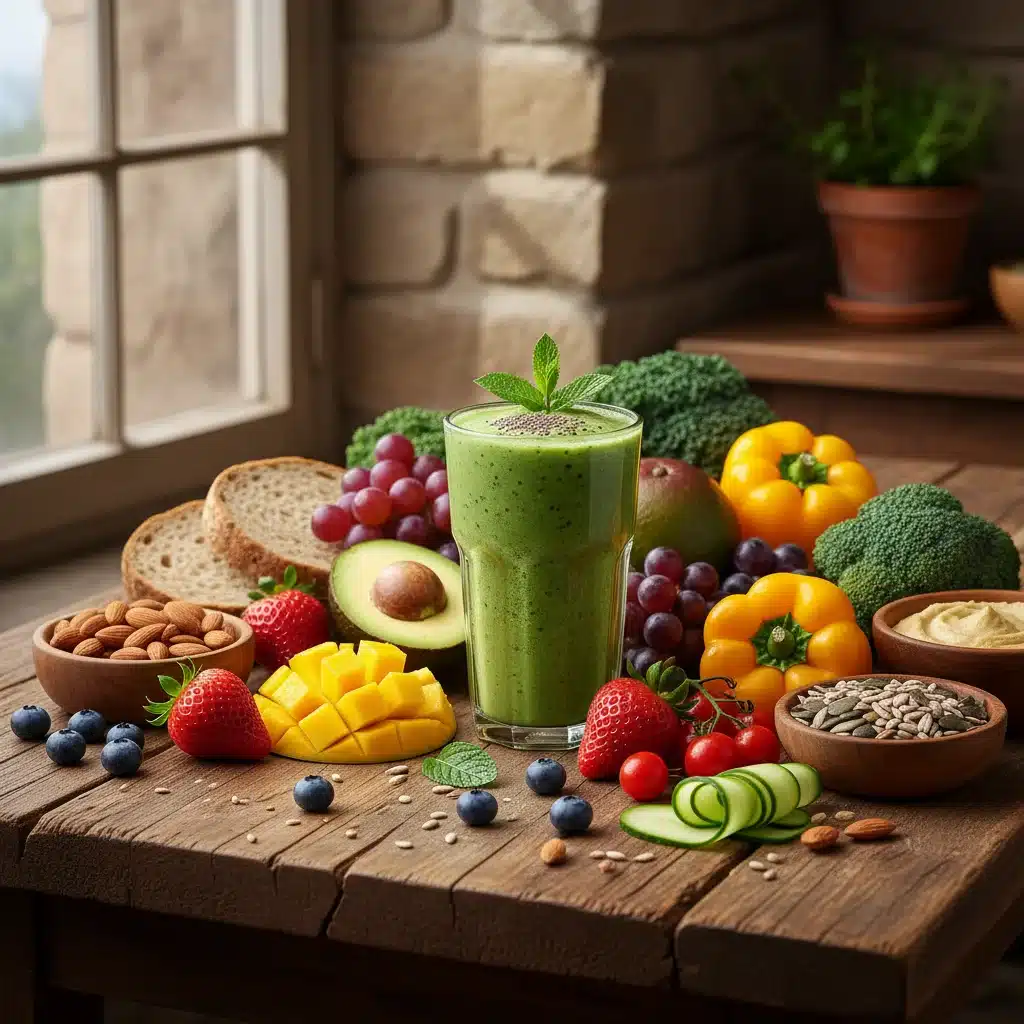
- Healthy Eating, Nutrition & Weight Loss: Organic foods, plant-based diets, dietary supplements, meal delivery services, functional foods, and weight management programs constitute a massive portion of wellness spending. Consumers are increasingly scrutinizing ingredient lists and seeking out products that offer specific health benefits.
- Personal Care, Beauty & Anti-Aging: This segment extends beyond traditional cosmetics to include ‘clean beauty’ products, ingestible beauty supplements, advanced skincare technologies, and treatments focused on longevity and anti-aging. The emphasis is on natural ingredients and ethical sourcing.
- Mind & Body: Meditation apps, yoga studios, spa services, mindfulness coaching, and sleep aids are experiencing robust growth. The recognition of stress as a major health concern drives demand in this area.
- Wellness Tourism: Travel focused on health and well-being, including spa resorts, retreats, medical tourism, and adventure travel, is a rapidly expanding niche.
Projections for 2026: Continued Expansion
Looking ahead to 2026, experts predict sustained and accelerated growth in the wellness industry. Several factors underpin this optimistic outlook. An aging population, increasingly proactive about maintaining health and vitality, will continue to drive demand. Millennials and Gen Z, who prioritize well-being and purpose-driven consumption, are also powerful market forces. Technological advancements, particularly in AI, biotech, and personalized medicine, will unlock new products and services, further expanding the market. The integration of virtual reality and augmented reality into fitness and mindfulness practices, for instance, could create entirely new immersive wellness experiences. Moreover, corporate wellness programs are anticipated to become even more sophisticated, extending beyond basic health screenings to comprehensive well-being support, thus expanding the B2B segment of the wellness culture trends market.
Impact on American Lifestyles: A Cultural Transformation
The pervasive nature of wellness culture trends has led to a noticeable transformation in American lifestyles. This shift is evident in daily routines, consumer choices, and even social interactions.
Daily Routines and Habits
From morning rituals to evening wind-downs, wellness principles are subtly (and sometimes overtly) shaping daily habits. More Americans are incorporating meditation or mindfulness practices into their mornings, prioritizing nutrient-dense breakfasts, scheduling workouts, and actively seeking ways to manage stress throughout their day. Evening routines are increasingly focused on optimizing sleep, with investments in smart mattresses, blackout curtains, and blue-light-blocking glasses becoming commonplace. This deliberate structuring of daily life around wellness goals reflects a proactive approach to health that was less prevalent in previous generations.
Consumer Choices and Values
Consumers are becoming more discerning, prioritizing brands that align with their wellness values. This includes a demand for transparency in product sourcing, ethical manufacturing practices, and sustainable ingredients. The ‘clean label’ movement, for instance, is a direct response to consumers’ desire for products free from artificial additives and chemicals. Furthermore, there’s a growing preference for experiences over material possessions, with many opting to spend on wellness retreats, fitness classes, or healthy cooking workshops rather than traditional consumer goods. This shift in values is a powerful indicator of the enduring influence of wellness culture trends.
Social and Community Aspects
Wellness has also fostered new forms of social connection and community. Group fitness classes, wellness challenges, and online communities centered around specific health goals provide platforms for individuals to connect, support each other, and share experiences. The rise of ‘wellness influencers’ on social media further amplifies this communal aspect, creating virtual spaces for inspiration and education. While some critics argue that this can lead to an ‘echo chamber’ effect, it undeniably strengthens the social fabric of the wellness movement, making it more sticky and resilient.
Challenges and Critiques of the Wellness Movement
Despite its undeniable benefits and widespread appeal, the wellness culture is not without its challenges and criticisms. A balanced perspective requires acknowledging these nuances.
Accessibility and Inclusivity
One of the primary critiques leveled against the wellness industry is its perceived lack of accessibility and inclusivity. Many high-end wellness products, services, and experiences come with hefty price tags, effectively pricing out large segments of the population. Boutique fitness classes, organic groceries, and luxury spa treatments are often out of reach for lower-income individuals, exacerbating health disparities. This raises questions about whether wellness is truly for everyone or if it risks becoming an exclusive luxury for the affluent. Addressing this challenge will be crucial for the sustained, equitable growth of wellness culture trends.
The Pitfalls of Performative Wellness and ‘Toxic Positivity’
Another concern is the rise of ‘performative wellness,’ where individuals feel pressured to constantly display their healthy habits on social media, often leading to comparison and anxiety rather than genuine well-being. This can also manifest as ‘toxic positivity,’ where individuals are encouraged to suppress negative emotions in favor of an always-optimistic outlook, which can be detrimental to mental health. The constant barrage of ‘perfect’ wellness routines can create unrealistic expectations and feelings of inadequacy, undermining the very goal of holistic well-being. Navigating these social pressures is a growing challenge within the broader wellness culture trends.
Misinformation and Unregulated Claims
The rapid expansion of the wellness market has also led to a proliferation of products and services making unsubstantiated health claims. From miracle cures to dubious dietary supplements, consumers are often bombarded with misinformation, making it difficult to discern legitimate, evidence-based practices from fads or even harmful products. The lack of stringent regulation in some segments of the industry poses a significant risk to consumer safety and trust. Educating consumers and promoting critical thinking are vital in this evolving landscape of wellness culture trends.
Future Outlook: Navigating the Evolution Towards 2026 and Beyond
As we project towards 2026, the wellness culture trends are expected to evolve further, shaped by technological innovation, shifting consumer values, and a growing emphasis on sustainability and societal impact.
Technological Advancements and Hyper-Personalization
The integration of AI, machine learning, and biotechnology will lead to even more sophisticated and hyper-personalized wellness solutions. Imagine AI coaches that adapt workouts in real-time based on your body’s recovery data, or nutrition plans generated from continuous glucose monitoring and genetic predispositions. Smart homes will proactively adjust environments for optimal sleep and reduced stress. Wearable technology will become increasingly invisible and integrated, offering seamless health monitoring. This relentless pursuit of data-driven, individualized wellness will be a major driver of innovation and spending.
Sustainability and Ethical Wellness
Beyond personal well-being, there will be a stronger emphasis on planetary well-being. Consumers are increasingly linking their health to the health of the environment, leading to a demand for sustainable, ethically sourced, and eco-friendly wellness products and services. Businesses that demonstrate a genuine commitment to environmental stewardship and social responsibility will gain a competitive edge. This includes everything from sustainable packaging in beauty products to carbon-neutral wellness retreats and fair-trade ingredients in supplements. The intersection of personal and planetary health will define the next wave of wellness culture trends.
The Role of Preventative Health and Longevity
The focus will continue to shift from reactive healthcare to proactive preventative health and longevity. Investments in preventative screenings, early detection technologies, and lifestyle interventions designed to extend healthspan will become more common. Genetic testing for disease risk, advanced nutritional science for optimal cellular function, and even biohacking techniques aimed at enhancing human performance and lifespan will move further into the mainstream. This long-term perspective on health will drive significant research and development within the wellness sector.
Bridging the Accessibility Gap
Addressing the accessibility gap will be a critical challenge and opportunity. Companies that can develop affordable, inclusive wellness solutions leveraging technology (e.g., free or low-cost mindfulness apps, community-based fitness programs, accessible nutritional education) will likely see significant growth. Public health initiatives may also play a larger role in promoting wellness for all, potentially through partnerships with private sector innovators. The future success of wellness culture trends hinges on its ability to serve a broader demographic.
Conclusion: A Resilient and Evolving Force
The ‘wellness culture’ boom is far more than a transient trend; it represents a fundamental shift in American values and priorities. Its influence on lifestyles is profound, encouraging a more proactive, holistic, and personalized approach to health. From the food we eat and the clothes we wear to the technology we use and the way we manage our stress, wellness principles are increasingly woven into the fabric of daily life. Consumer spending patterns reflect this deep commitment, with projections for 2026 indicating continued robust growth across various segments of the industry.
While challenges such as accessibility, misinformation, and the pressures of performative wellness need to be carefully navigated, the underlying momentum of wellness culture trends remains strong. As technology advances and societal understanding of health broadens, the industry will continue to innovate, offering increasingly sophisticated and integrated solutions. For businesses, understanding these evolving dynamics is key to unlocking future growth. For individuals, embracing a thoughtful and informed approach to wellness can lead to a more fulfilling and healthier life. The journey of wellness culture is an ongoing one, promising exciting developments and continued transformation in the years leading up to and beyond 2026.