Nostalgia Marketing: Boosting Sales with Throwback Trends in 2026
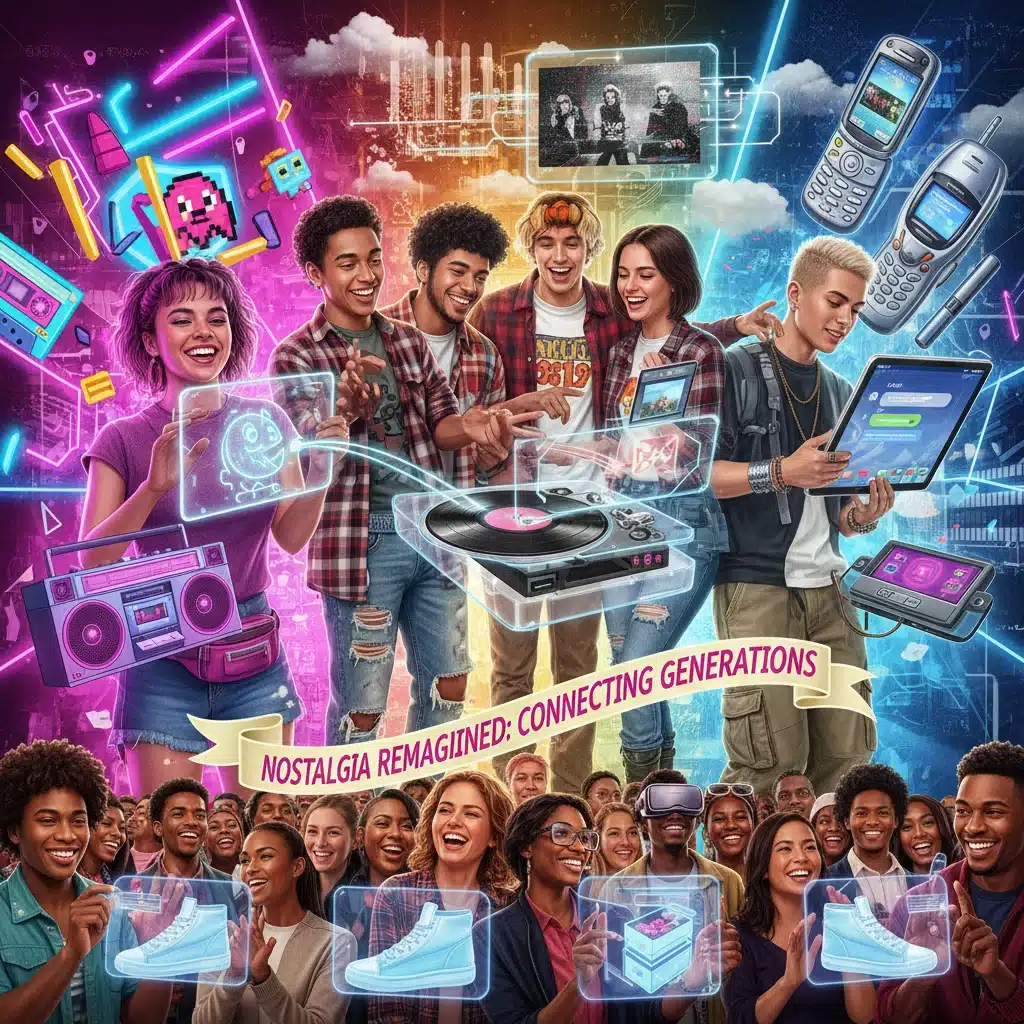
The Power of Nostalgia: How ‘Throwback’ Trends are Impacting Pop Culture and Spending Habits in 2026, Boosting Sales by 15%
In the ever-evolving landscape of consumer culture, certain phenomena consistently re-emerge, captivating audiences and driving economic shifts. One such powerful force, perhaps more potent now than ever before, is nostalgia. As we navigate 2026, the concept of ‘throwback’ trends has transcended mere fleeting fads, embedding itself deeply within the fabric of pop culture and fundamentally reshaping spending habits. This isn’t just about a fleeting moment of reminiscence; it’s a strategic and often unconscious return to the comforts of the past, significantly boosting sales across diverse industries. The impact of nostalgia marketing trends is projected to be profound, with businesses leveraging this emotional connection to achieve remarkable growth, potentially increasing sales by an average of 15%.
Why are consumers, particularly younger generations who may not have even experienced these eras firsthand, so drawn to the past? The answer lies in a complex interplay of psychological comfort, perceived simplicity, and the communal aspect of shared cultural touchstones. In a world characterized by rapid technological advancement and constant change, the past offers a sense of stability, familiarity, and often, a romanticized escape. Brands that understand and effectively harness these emotions are not just selling products; they are selling experiences, memories, and a connection to something larger than the present moment.
This comprehensive article delves into the multifaceted ways nostalgia marketing trends are influencing pop culture and consumer behavior in 2026. We will explore the psychological underpinnings of nostalgia, analyze key throwback trends dominating various sectors, examine the strategic approaches businesses are employing, and forecast the future trajectory of this compelling marketing phenomenon. Prepare to journey through time and discover why looking back is proving to be a highly profitable forward-thinking strategy.
The Psychology Behind the ‘Throwback’ Phenomenon: Why We Crave the Past
To truly grasp the commercial power of nostalgia marketing trends, one must first understand its psychological roots. Nostalgia, once considered a medical disease, is now recognized as a largely positive emotional state. It’s a bittersweet longing for the past, often associated with a sense of warmth, comfort, and belonging. Researchers have found that nostalgic experiences can combat loneliness, enhance social connectedness, and even boost self-esteem. In an increasingly complex and often isolating world, these emotional benefits are highly prized by consumers.
The human brain is wired to seek comfort and familiarity. When confronted with uncertainty or stress, our minds often drift to periods perceived as simpler or happier. For many, childhood and adolescence represent such times, characterized by fewer responsibilities and a greater sense of wonder. Businesses skillfully tap into these deep-seated desires, offering products and experiences that act as conduits to these cherished memories.
Moreover, the concept of "collective nostalgia" plays a significant role. Even if an individual didn’t personally experience a particular era, they can still feel a connection through cultural osmosis – stories from parents, media portrayals, or shared cultural artifacts. This is particularly true for younger generations who often romanticize periods like the 80s and 90s, seeing them as a "golden age" of creativity, fashion, and technology, even if their direct experience is limited to curated content on social media. This collective yearning creates a broad audience for throwback products and themes, expanding the reach of nostalgia marketing trends far beyond those who lived through the original era.
Furthermore, social media platforms have amplified the reach and impact of nostalgic content. Viral trends, memes, and curated feeds dedicated to retro aesthetics ensure that past eras are constantly re-introduced and re-interpreted for new audiences. This continuous cycle of discovery and rediscovery fuels the demand for throwback products and experiences, making 2026 a prime year for savvy marketers to capitalize on these enduring psychological drivers.
Dominant Throwback Trends Shaping Pop Culture in 2026
The year 2026 is witnessing a fascinating convergence of several distinct throwback trends, each leaving its indelible mark on pop culture. Understanding these specific currents is crucial for brands looking to effectively implement nostalgia marketing trends into their strategies.
The Resurgence of 90s and Early 2000s Aesthetics
The enduring appeal of the 90s and early 2000s continues to dominate fashion, music, and entertainment. From baggy jeans and crop tops to chunky sneakers and frosted tips, these styles are not just making a comeback; they are being reinterpreted with a modern twist. Music from these decades, particularly pop-punk, R&B, and hip-hop, is heavily sampled and referenced in new releases, and artists from the era are experiencing renewed popularity through tours and streaming. Video games, too, are seeing a significant revival, with remasters, reboots, and retro-inspired indie titles captivating both original fans and new players. This consistent presence ensures that the visual and auditory cues of these decades remain highly relevant for nostalgia marketing trends.
Retro Gaming and Analog Experiences
Beyond specific decades, there’s a broader yearning for "simpler" forms of entertainment. Retro gaming, encompassing everything from classic arcade cabinets to early console systems, is a booming industry. Companies are releasing mini-consoles pre-loaded with iconic games, and independent developers are creating new titles with pixel-art graphics and 8-bit soundtracks. This extends beyond gaming to other analog experiences: vinyl record sales continue to soar, instant cameras are popular, and even traditional board games are seeing a renaissance. These trends suggest a desire for tangible, slower-paced interactions, offering a counterpoint to our increasingly digital and fast-paced lives. Brands can leverage this by offering products that evoke these tactile and immersive experiences, reinforcing effective nostalgia marketing trends.
Reboots, Remakes, and "Legacy Sequels"
Hollywood and the entertainment industry have long understood the power of nostalgia. In 2026, the landscape is saturated with reboots of beloved TV shows, film remakes, and "legacy sequels" that continue stories from decades past. These projects often bring back original cast members, creating a powerful emotional connection for long-time fans, while also introducing the narratives to new audiences. The success of these ventures demonstrates a clear consumer appetite for familiar characters and storylines, albeit often updated for contemporary sensibilities. This strategy is a cornerstone of current nostalgia marketing trends within media.
Impact on Consumer Spending Habits: A 15% Sales Boost
The influence of nostalgia marketing trends on consumer spending in 2026 is undeniable and, for many businesses, significantly profitable. Market analyses suggest that companies effectively integrating nostalgic elements into their products and campaigns are experiencing an average sales boost of 15%. This substantial increase isn’t accidental; it’s a direct result of several key factors:
Emotional Connection Drives Purchase Decisions
Nostalgia is a powerful emotional trigger. When a product or advertisement evokes positive memories, it bypasses purely rational decision-making and taps into a deeper, more emotional connection. Consumers are often willing to pay a premium for items that offer this feeling of comfort, familiarity, or a link to a cherished past. This emotional resonance creates brand loyalty that is hard to achieve through other means, making it a cornerstone of successful nostalgia marketing trends.
Perceived Value and Collectibility
Many nostalgic products, especially limited-edition re-releases or collaborations, are perceived as having higher value and collectibility. This drives immediate purchases, as consumers fear missing out on a unique item that connects them to their past. The scarcity created around these "throwback" items further fuels demand, leading to rapid sales and often, secondary market activity. This perceived value directly contributes to the significant sales boost seen across various sectors.
Intergenerational Appeal
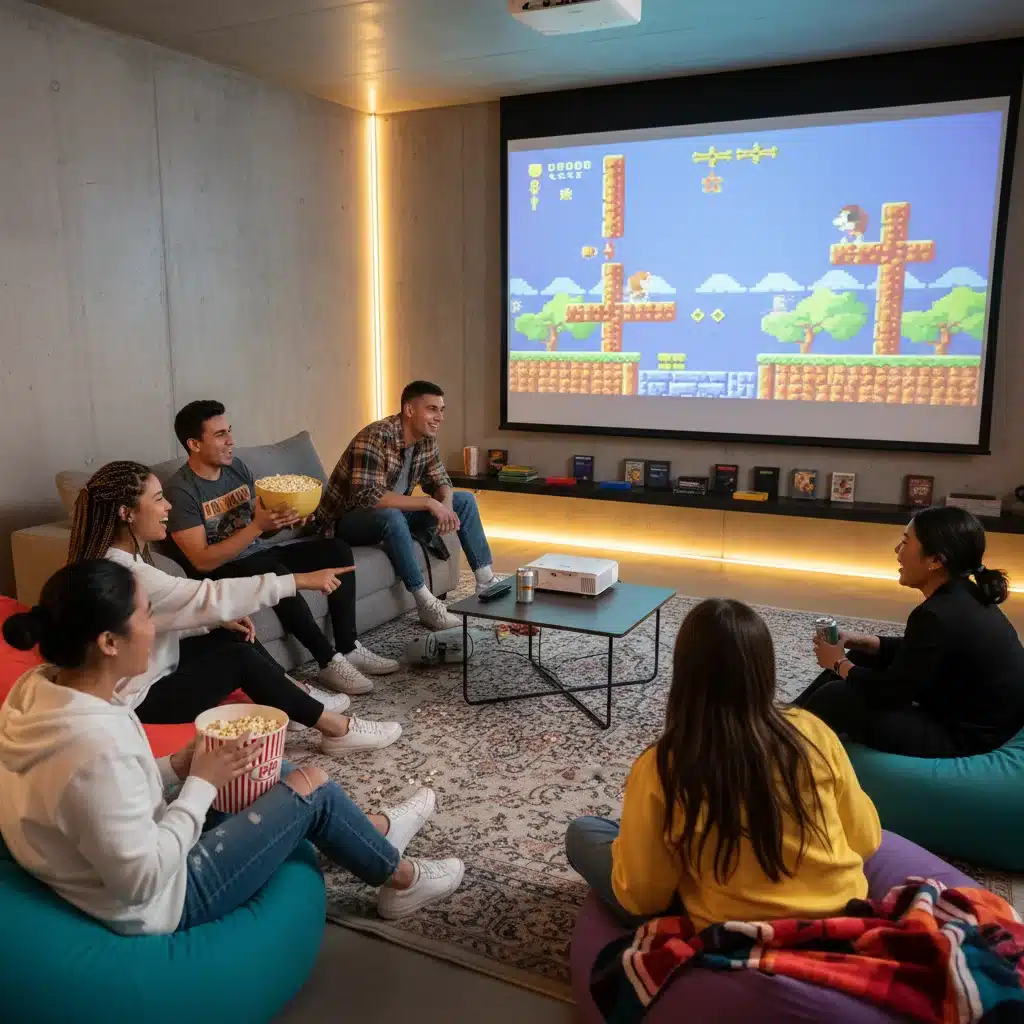
One of the most remarkable aspects of current nostalgia marketing trends is their ability to bridge generational gaps. Parents and grandparents often introduce their children to the music, movies, and toys of their youth, creating shared experiences and fostering a new generation of retro enthusiasts. This intergenerational appeal expands the target market significantly, allowing brands to reach a broader demographic with their nostalgic offerings. A classic example is the enduring popularity of certain cartoon characters or toy lines that appeal to both adults who remember them and children discovering them for the first time.
Social Sharing and Virality
Nostalgic content is inherently shareable. When consumers encounter a product or campaign that reminds them of their past, they are highly likely to share it on social media, sparking conversations and spreading brand awareness organically. This virality acts as a powerful, cost-effective marketing tool, amplifying the reach of nostalgia marketing trends and driving further consumer engagement and purchases. Hashtags like #ThrowbackThursday or #90sKids consistently trend, demonstrating the public’s appetite for this type of content.
Strategic Approaches for Brands Leveraging Nostalgia in 2026
For businesses looking to tap into the lucrative world of nostalgia marketing trends, a well-defined strategy is paramount. Simply slapping a retro logo on a new product isn’t enough; authenticity and thoughtful execution are key.
Authentic Re-releases and Collaborations
The most successful nostalgic products are often authentic re-releases or thoughtful collaborations. This means either bringing back original products with minimal changes or partnering with iconic brands, artists, or franchises from the past. Authenticity builds trust with consumers who are often discerning about how their cherished memories are re-packaged. Brands like Nintendo with their mini-consoles, or fashion labels re-issuing classic sneaker designs, exemplify this approach. These efforts resonate deeply, showcasing a genuine understanding of the target audience’s desires within the realm of nostalgia marketing trends.
Storytelling and Brand Narratives
Effective nostalgia marketing trends go beyond the product itself; they weave compelling stories. Brands can evoke nostalgia through their advertising campaigns, highlighting the cultural significance of their products from a bygone era. This might involve using retro aesthetics in commercials, featuring testimonials from long-time fans, or creating content that takes consumers on a journey back in time. The narrative should connect the product to positive memories, reinforcing the emotional appeal and making the brand more relatable.
Limited Editions and "Vault" Releases
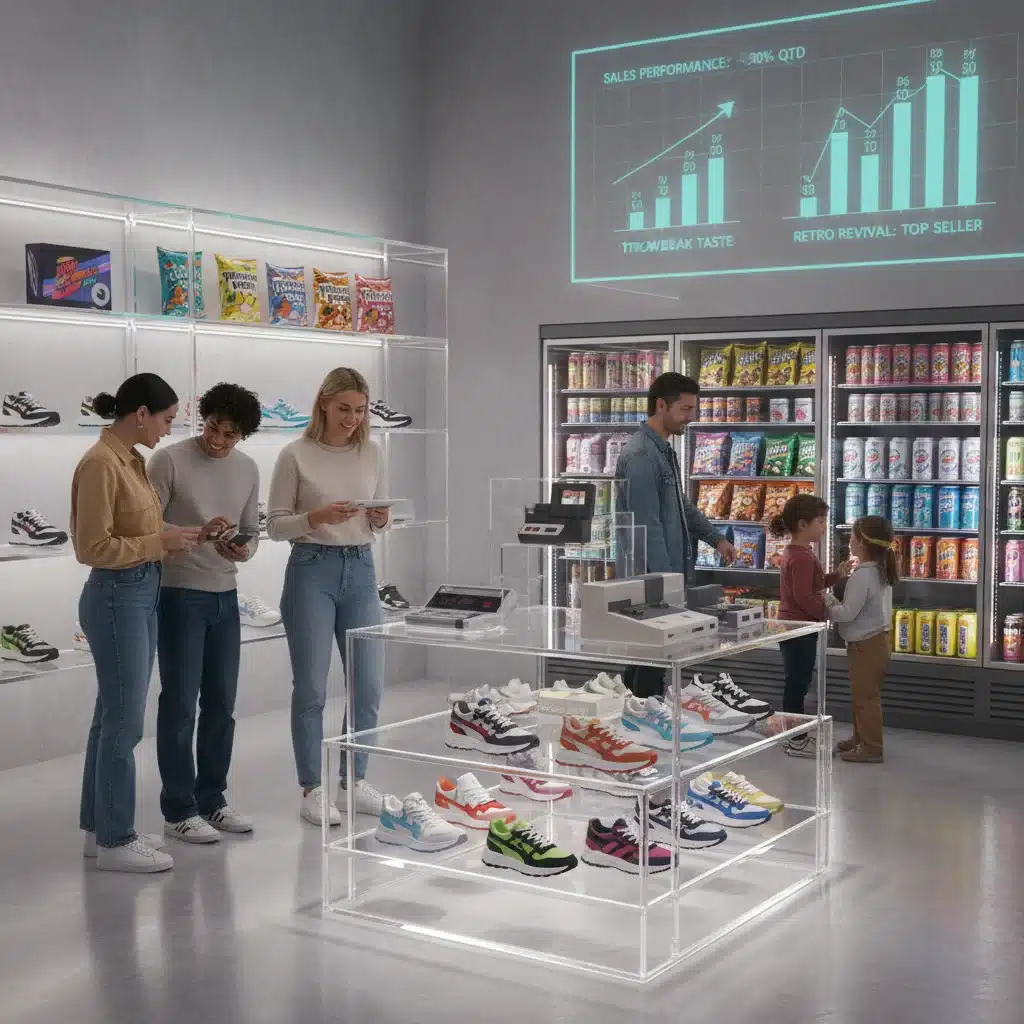
Creating a sense of exclusivity is a powerful tactic. Brands often release limited-edition "vault" items, bringing back beloved products for a short period. This scarcity drives urgency and demand, encouraging immediate purchases. This strategy is particularly effective for confectionery, toys, and apparel, where consumers are eager to relive specific tastes or styles that were once commonplace. Such scarcity tactics are a common and highly effective element of current nostalgia marketing trends.
Digital Integration with Retro Aesthetics
While nostalgia often harks back to analog times, modern nostalgia marketing trends seamlessly integrate digital platforms. This includes creating retro-themed websites, mobile apps with pixelated interfaces, or social media filters that mimic old camera effects. Interactive digital experiences that allow users to "play" with nostalgic elements can be incredibly engaging, fostering a deeper connection with the brand and its throwback offerings. Think of brands using 8-bit graphics in their online ads or creating interactive quizzes based on 90s pop culture.
Experiential Marketing and Pop-Ups
Beyond products, brands are investing in experiential marketing to bring nostalgia to life. Pop-up shops designed to resemble a 90s arcade, an 80s diner, or a retro video rental store create immersive environments where consumers can physically step back in time. These experiences generate significant buzz, media coverage, and user-generated content, further amplifying the brand’s message and reinforcing the power of nostalgia marketing trends. Such events provide memorable connections that translate into brand loyalty and sales.
The Future of Nostalgia: Beyond 2026
The question isn’t if nostalgia marketing trends will continue, but how they will evolve beyond 2026. Given the cyclical nature of trends and the enduring human desire for comfort and connection, nostalgia is unlikely to fade away. Instead, we can anticipate several key developments:
Faster Nostalgia Cycles
With the accelerating pace of pop culture and the constant archiving of information online, the "nostalgia cycle" is likely to shorten. What once took 20-30 years to become nostalgic might now take 10-15. This means brands will need to be even more agile in identifying emerging nostalgic opportunities and acting swiftly. The window for leveraging specific throwback trends might become narrower but more frequent.
Hyper-Personalized Nostalgia
As AI and data analytics become more sophisticated, brands will be able to offer hyper-personalized nostalgic experiences. Imagine advertising that knows your exact childhood cartoons or the specific console you owned, delivering tailored content that resonates deeply with your individual past. This level of personalization will make nostalgia marketing trends even more potent, moving beyond broad generational appeals to individual memory triggers.
Ethical Considerations and "Faux-stalgia"
As more brands jump on the nostalgia bandwagon, authenticity will become even more critical. Consumers are increasingly savvy and can spot inauthentic attempts to capitalize on their memories. "Faux-stalgia," where brands create a manufactured sense of nostalgia without genuine connection, will likely fall flat. Ethical considerations around intellectual property and respectful reinterpretation of past cultural artifacts will also gain importance. Brands will need to navigate these waters carefully to maintain consumer trust and ensure their nostalgia marketing trends are well-received.
The Rise of "Future Nostalgia"
A fascinating emerging concept is "future nostalgia," where contemporary creations are designed with the explicit intention of becoming nostalgic touchstones for future generations. This involves creating timeless designs, iconic characters, and memorable experiences that are built to last and to evoke fond memories years down the line. Brands that can master this will be able to cultivate long-term emotional connections with their audience, ensuring a continuous cycle of engagement and loyalty.
Conclusion: Embracing the Past for Future Success
The compelling influence of nostalgia marketing trends in 2026 is a testament to the enduring power of human emotion and memory. Far from being a fleeting trend, the embrace of throwback culture is a deeply rooted phenomenon that continues to shape pop culture, drive consumer spending, and offer significant opportunities for businesses. With an average sales boost of 15% for those who execute it well, the commercial benefits are clear and substantial.
Brands that understand the psychological drivers behind nostalgia, identify the dominant throwback currents, and implement thoughtful, authentic strategies are poised for remarkable success. By offering products and experiences that connect consumers to cherished memories, foster shared experiences, and provide a sense of comfort in a rapidly changing world, businesses can forge deeper relationships with their audience. As we look beyond 2026, the art of leveraging nostalgia will only become more sophisticated, personalized, and integral to effective marketing. The past, it seems, holds a powerful key to unlocking future prosperity.
Therefore, for any brand aiming to thrive in the contemporary market, understanding and strategically integrating nostalgia marketing trends is not just an option, but a necessity. It is about more than just selling a product; it is about selling a feeling, a memory, and a piece of a cherished past that consumers are increasingly eager to revisit and make their own.