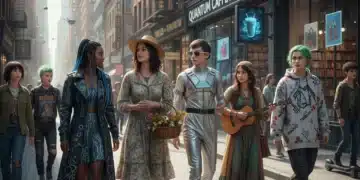
From Niche to Mainstream: How 4 Subcultures Are Redefining American Pop Culture in 2026
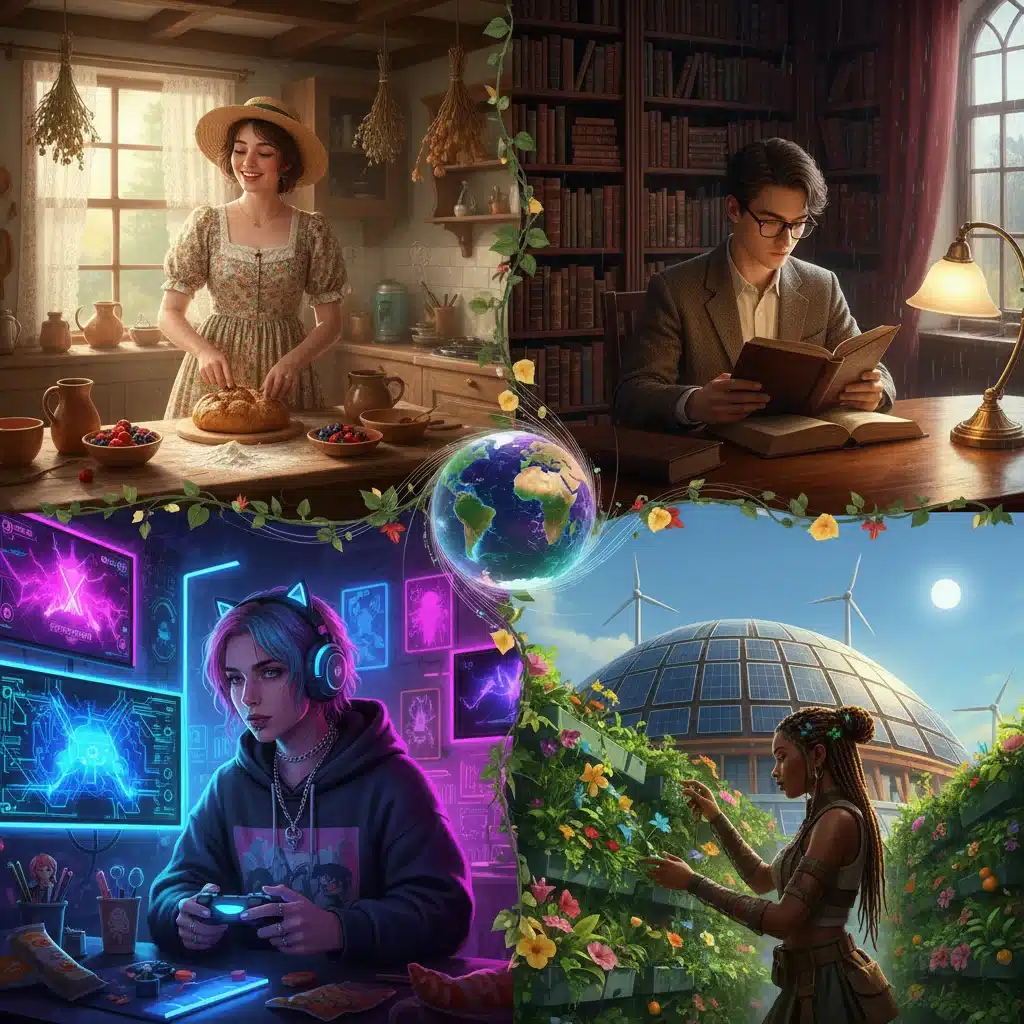
In the ever-evolving landscape of American society, subcultures have always played a pivotal role, often starting as fringe movements before seeping into the mainstream, influencing everything from fashion and music to technology and social norms. As we navigate 2026, the dynamic interplay between niche communities and broader cultural trends is more pronounced than ever. This article delves into four prominent subcultures – cottagecore, dark academia, e-girls/e-boys, and solarpunk – examining how they are not just surviving but thriving, actively reshaping the very fabric of American pop culture.
Understanding the trajectory of these subcultures pop culture influence requires a look beyond their superficial aesthetics. It necessitates an exploration of the underlying philosophies, aspirations, and anxieties that fuel their growth and appeal. Each of these subcultures offers a distinct vision, a response to contemporary challenges, and a source of identity for countless individuals. Their journey from the periphery to the forefront of popular consciousness is a testament to their resonance and adaptability.
The digital age has significantly accelerated this process. Social media platforms, online communities, and content creation tools have provided unprecedented avenues for subcultures to form, disseminate their ideas, and attract followers globally. No longer confined by geographical limitations or traditional media gatekeepers, these movements can organically grow and spread, reaching audiences that might never have encountered them in a pre-internet era. This democratization of culture has empowered niche groups to exert a disproportionate influence on the mainstream, leading to a vibrant and often surprising blend of styles and ideologies.
The Enduring Allure of Cottagecore: Romanticizing Rural Life
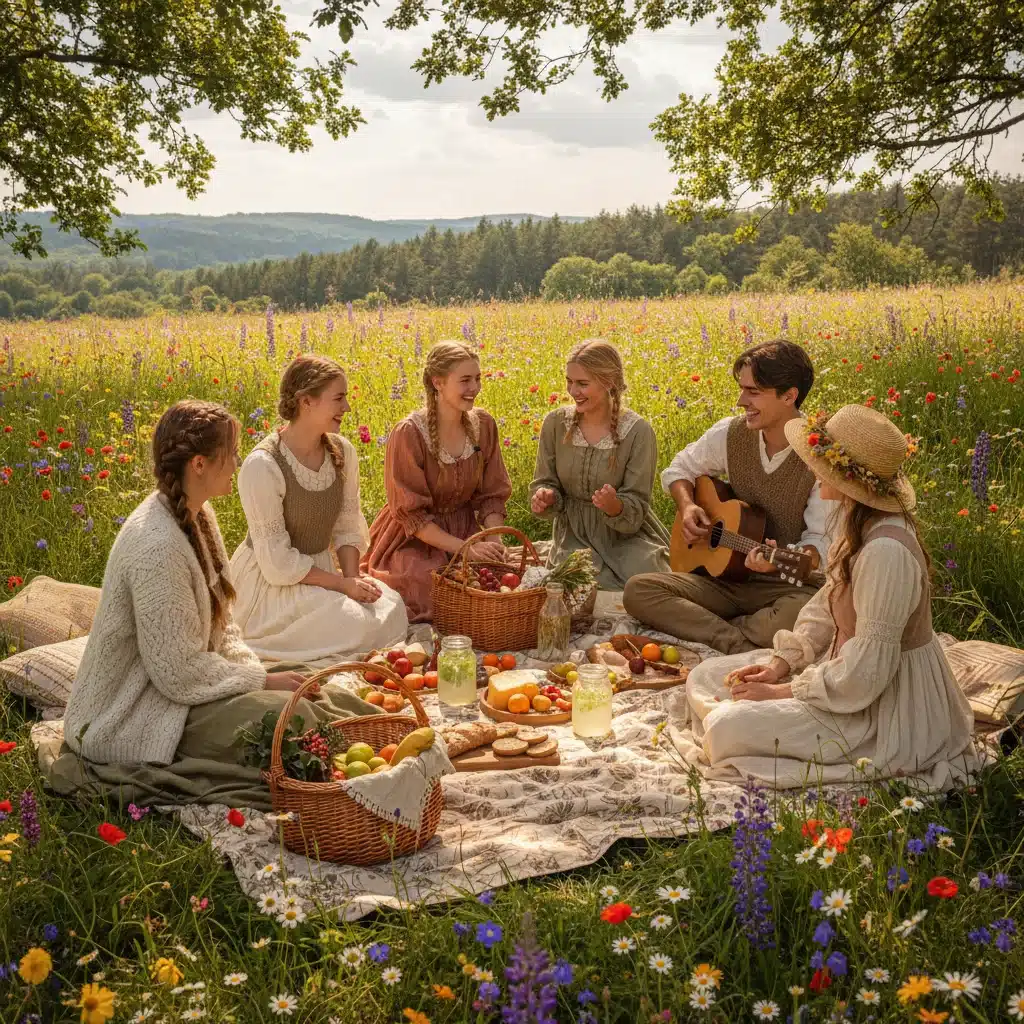
Cottagecore, a term that conjures images of pastoral bliss and simpler times, has blossomed from an online aesthetic into a significant lifestyle movement. At its heart, cottagecore is a romanticization of agricultural life and traditional rural aesthetics. It celebrates baking, gardening, foraging, handmade crafts, and a general appreciation for nature and domesticity. In 2026, its influence extends far beyond whimsical dresses and floral patterns, deeply impacting consumer choices, home decor, and even career paths.
The initial appeal of cottagecore emerged as a direct counter-narrative to the fast-paced, digital-heavy, and often stressful modern world. It offers an escape, a nostalgic yearning for an idealized past where life was slower, more intentional, and deeply connected to the natural environment. This yearning has only intensified, particularly in the wake of global uncertainties and a growing desire for self-sufficiency and mindful living.
Cottagecore’s Mainstream Manifestations:
- Fashion: Beyond the initial surge of prairie dresses and puff sleeves, cottagecore fashion in 2026 has become more nuanced. It emphasizes sustainable fabrics, ethical production, and a blend of vintage and handmade elements. Brands are increasingly incorporating elements like embroidery, natural dyes, and comfortable, flowing silhouettes into their mainstream collections. The focus has shifted from mere aesthetics to the practicalities of comfortable, durable, and environmentally conscious clothing.
- Home & Garden: The cottagecore aesthetic has revolutionized home decor. There’s a widespread embrace of natural materials, vintage furniture, indoor plants, and a ‘lived-in’ feel. Gardening, especially growing one’s own food, has become a popular hobby, propelled by social media influencers showcasing their bountiful harvests and aesthetically pleasing garden spaces. This has led to a boom in gardening supplies, heirloom seeds, and DIY home improvement projects.
- Media & Entertainment: From independent films and television series set in idyllic rural landscapes to popular video games featuring farming simulations and crafting mechanics, cottagecore themes are pervasive. Music genres incorporating folk elements, acoustic instruments, and nature-inspired lyrics have also seen a resurgence, appealing to a broad audience seeking tranquility and authenticity.
- Food & Lifestyle: The ‘slow living’ movement, with its emphasis on homemade meals, baking from scratch, and traditional culinary skills, is a direct offshoot of cottagecore. Farmers’ markets are flourishing, and there’s a growing demand for locally sourced, organic produce. This lifestyle choice reflects a conscious rejection of mass-produced goods in favor of quality, sustainability, and community connection.
The longevity of cottagecore lies in its adaptability and its core message of finding peace and purpose in simplicity. As subcultures pop culture continues to blend, cottagecore’s emphasis on sustainability, community, and well-being positions it not just as a trend, but as a potential blueprint for a more harmonious way of living.
Dark Academia: The Intellectual Rebellion
Emerging from online communities, dark academia is an aesthetic and subculture centered on higher education, the arts, literature, and a passion for learning. It romanticizes intellectual pursuits, classic literature, ancient history, and gothic architecture. In 2026, dark academia has transcended its origins as a mood board aesthetic, evolving into a lifestyle that champions critical thinking, deep knowledge, and a sophisticated, introspective approach to life.
The appeal of dark academia is multifaceted. It offers an escape from the perceived superficiality of modern life, a refuge in the timeless wisdom of the past, and a celebration of intellectual rigor. For many, it’s a response to an increasingly fragmented and information-overloaded world, providing a framework for meaningful engagement with complex ideas and a sense of belonging among like-minded individuals.
Dark Academia’s Mainstream Infiltration:
- Fashion: The dark academia wardrobe is characterized by tweed blazers, cardigans, turtlenecks, plaid skirts, tailored trousers, and earth-toned palettes. In 2026, these elements have been widely adopted by mainstream fashion, becoming staples in smart casual and professional wear. Brands are producing collections inspired by collegiate styles, vintage academic aesthetics, and sophisticated layering, appealing to a broader demographic seeking elegance and intellectual gravitas in their attire.
- Literature & Media: There’s been a noticeable surge in the popularity of classic literature, philosophy, and historical fiction. Book clubs, both online and offline, dedicated to exploring these themes are thriving. Television series and films featuring intricate plots, historical settings, and morally ambiguous characters engaged in intellectual dilemmas are finding significant mainstream success. Podcasts and documentaries exploring obscure historical events or philosophical concepts have also gained traction.
- Education & Personal Development: Dark academia has fueled a renewed interest in traditional learning methods, such as handwritten notes, physical books, and deep research. It encourages a multidisciplinary approach to knowledge, fostering a desire for lifelong learning. Online courses in humanities, classical languages, and philosophy have seen increased enrollment, driven by individuals seeking intellectual enrichment outside formal academic settings.
- Interior Design: The aesthetic influence extends to interior design, with a preference for vintage furniture, antique maps, bookshelves overflowing with classic tomes, and a cozy, contemplative atmosphere. Dark wood, leather, and brass accents are popular, creating spaces that evoke a sense of history and intellectual sanctuary.
As subcultures pop culture continues to intertwine, dark academia provides a powerful counterpoint to transient trends, emphasizing enduring values of knowledge, critical inquiry, and cultural heritage. It reminds us that intellectual pursuits can be both deeply personal and broadly influential.
E-girls and E-boys: The Digital Avant-Garde
The e-girl and e-boy subculture, born primarily on platforms like TikTok and Twitch, represents a unique blend of internet culture, gaming aesthetics, anime influence, and alternative fashion. Characterized by specific makeup styles (e.g., winged eyeliner, blush on the nose), dyed hair, oversized clothing, chains, and a playful, often ironic online persona, this subculture has become a defining force in youth culture in 2026.
Initially dismissed by some as merely a fleeting internet trend, the e-girl/e-boy aesthetic has proven to be incredibly resilient and influential. It embodies a generation’s fluency with digital self-expression, a rejection of traditional beauty standards, and a celebration of individuality through curated online identities. Their appeal lies in their accessibility, their embrace of digital native behaviors, and their ability to create a sense of community through shared aesthetics and content.
E-girl/E-boy’s Mainstream Impact:
- Fashion & Beauty: The distinctive makeup, hairstyles, and clothing choices of e-girls and e-boys have permeated mainstream fashion. Brands are now regularly releasing collections featuring oversized hoodies, graphic tees, cargo pants, chunky sneakers, and accessories like beanies and chains. The ‘soft grunge’ and ‘alt-girl’ aesthetics, heavily influenced by e-culture, are ubiquitous in fast fashion and even high-end streetwear. Makeup trends, such as exaggerated blush, drawn-on freckles, and bold eyeliner, have become common.
- Music & Entertainment: The rise of bedroom pop, hyperpop, and specific genres of electronic music is deeply intertwined with the e-girl/e-boy aesthetic. Artists within these genres often adopt similar visual styles and engage with their audiences through platforms favored by the subculture. Video games, streaming culture, and content creation are central to their identity, influencing how mainstream media approaches interactive entertainment and influencer marketing.
- Social Media & Online Persona: The e-girl/e-boy subculture has redefined what it means to have an online presence. Their mastery of short-form video content, viral trends, and direct engagement with followers has set a new standard for digital communication. Mainstream brands and celebrities are now attempting to emulate their authentic, often quirky, and highly stylized online personas to connect with younger audiences.
- Gender & Identity Expression: This subculture has played a significant role in blurring traditional gender lines and promoting fluid identity expression. Both e-girls and e-boys often experiment with makeup, clothing, and hairstyles that defy conventional gender norms, contributing to a broader cultural acceptance of diverse self-presentation.
The e-girl/e-boy phenomenon demonstrates the power of digital natives to create and disseminate culture at an unprecedented speed. As subcultures pop culture continue to merge, their influence on how we present ourselves online and interact with digital media will only grow, solidifying their place as a vanguard of modern expression.
Solarpunk: Envisioning a Sustainable Future
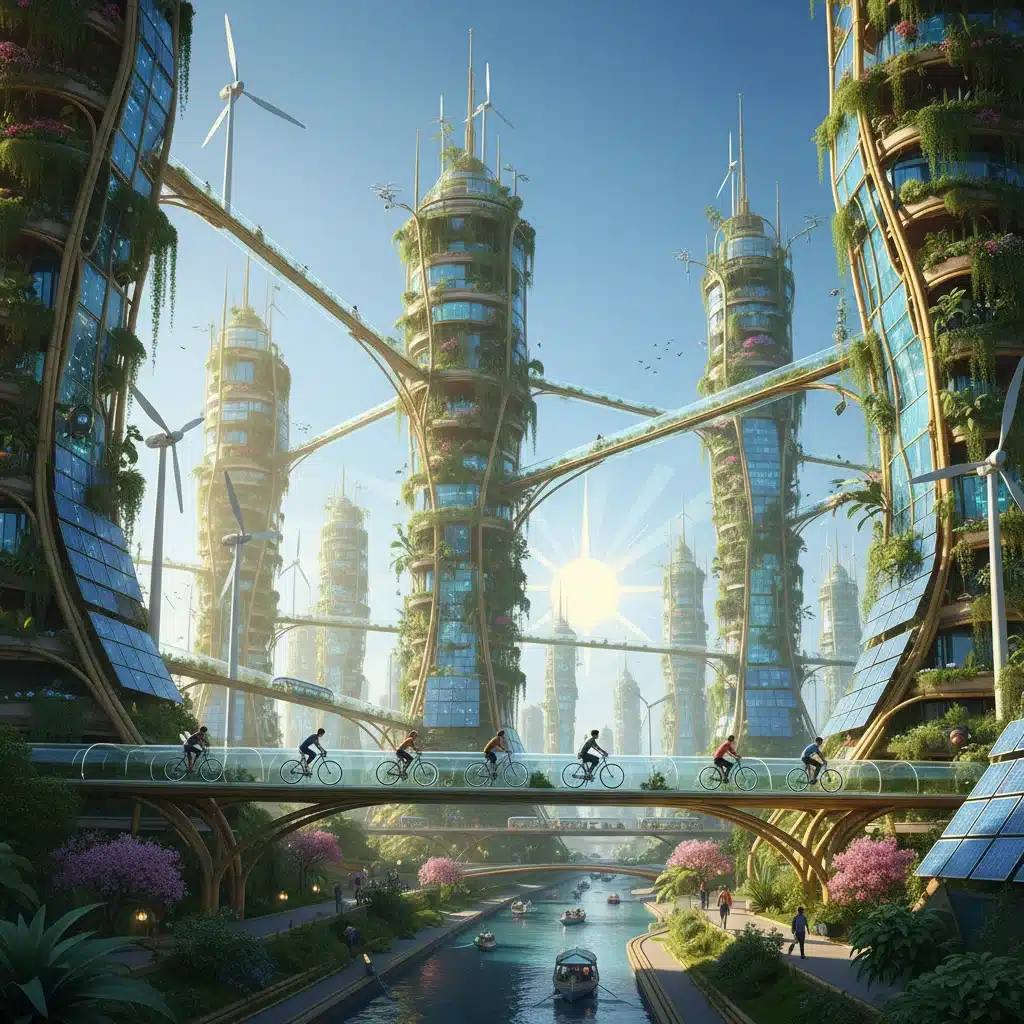
Solarpunk is perhaps the most optimistic and forward-looking of the subcultures discussed here. It’s an artistic movement, a philosophical stance, and a practical approach to building a sustainable, equitable, and beautiful future. Rejecting the dystopian narratives prevalent in much of science fiction, solarpunk imagines a world where humanity has successfully addressed climate change, embraced renewable energy, and integrated technology harmoniously with nature. In 2026, solarpunk is moving beyond theoretical ideals, inspiring tangible actions and design principles in the mainstream.
The core appeal of solarpunk lies in its hopeful vision. In an era dominated by environmental anxiety and political turmoil, solarpunk offers a compelling alternative: a future that is not only survivable but thriving, powered by ingenuity, community, and respect for the planet. It’s a call to action, encouraging creativity and collaboration to build a better world, rather than passively awaiting collapse.
Solarpunk’s Mainstream Impact:
- Architecture & Urban Planning: Solarpunk principles are increasingly influencing architectural design and urban planning. Concepts like vertical farms, green roofs, integrated solar panels, and pedestrian-friendly cities with abundant green spaces are moving from niche discussions to mainstream development projects. There’s a growing demand for buildings that are not only energy-efficient but also aesthetically pleasing and integrated with natural ecosystems.
- Technology & Innovation: The subculture champions open-source technology, DIY solutions, and sustainable innovation. This aligns with a broader societal shift towards ethical tech, repairability, and circular economy principles. Companies are investing in renewable energy solutions, sustainable materials, and technologies that support community resilience, often drawing inspiration from solarpunk’s optimistic futurism.
- Art & Design: Solarpunk aesthetics, characterized by vibrant colors, natural motifs, intricate botanical designs, and a blend of organic and technological elements, are appearing in mainstream art, graphic design, and even fashion. This aesthetic provides a refreshing contrast to the often grim or sterile depictions of the future.
- Activism & Community Building: Solarpunk inspires environmental activism that focuses on constructive solutions rather than just critique. It encourages community gardens, local energy cooperatives, skill-sharing workshops, and initiatives that foster self-sufficiency and mutual aid. This grassroots approach to change is gaining traction, demonstrating that collective action can lead to significant positive impact.
As subcultures pop culture continues to evolve, solarpunk stands out as a beacon of hope and a practical framework for addressing some of the most pressing challenges of our time. Its influence is not just about aesthetics; it’s about shifting mindsets towards a more sustainable and equitable future for everyone.
The Interconnectedness of Subcultures and Mainstream Pop Culture
What unites these disparate subcultures—cottagecore’s pastoral dreams, dark academia’s intellectual pursuits, e-girls/e-boys’ digital self-expression, and solarpunk’s sustainable futurism—is their ability to tap into deeper societal needs and desires. They offer alternatives, identities, and communities in a world that often feels overwhelming and alienating. Their journey from niche to mainstream is not a dilution of their core values but rather a testament to their universal appeal and relevance.
The internet, undoubtedly, has been the primary catalyst for this accelerated cultural diffusion. Social media platforms act as fertile ground where these subcultures pop culture trends can germinate, cross-pollinate, and rapidly spread. A viral TikTok showcasing a dark academia study setup can inspire thousands to redecorate their rooms, just as a cottagecore influencer’s baking video can spark a renewed interest in traditional crafts. This rapid dissemination means that cultural shifts are no longer slow, generational processes but can occur within a matter of months, or even weeks.
Furthermore, mainstream brands and media outlets are now actively looking to subcultures for inspiration, recognizing their power to predict and shape future trends. What starts as a niche aesthetic on Tumblr or Instagram can quickly become the basis for a fashion collection, a new music genre, or a popular television show. This symbiotic relationship ensures that subcultures remain vibrant and dynamic, constantly evolving as they interact with and influence the broader cultural landscape.
The blurring lines between these subcultures themselves also contribute to their mainstream appeal. It’s not uncommon to find individuals who appreciate elements of both dark academia and cottagecore, or who incorporate solarpunk principles into their e-girl/e-boy aesthetic. This fluidity and willingness to mix and match elements from different subcultures reflect a modern approach to identity—one that is less about rigid categorization and more about personal curation and authentic self-expression.
The Future is Subcultural: What’s Next?
As we look ahead, the influence of these subcultures pop culture is only set to deepen. They are not merely passing fads but rather indicators of deeper societal shifts and evolving values. Cottagecore speaks to a desire for authenticity and connection with nature; dark academia addresses a hunger for intellectual depth and historical grounding; e-girls/e-boys reflect the complexities of digital identity and self-expression; and solarpunk offers a hopeful blueprint for a sustainable future.
The continuous interaction between these niche communities and the mainstream will undoubtedly lead to new hybrid aesthetics and philosophies. We might see a ‘solarpunk academia’ emerging, blending sustainable living with intellectual pursuits, or a ‘cottagecore e-girl’ aesthetic that combines rustic charm with digital flair. The possibilities are endless, and this fluidity is precisely what makes the current cultural landscape so exciting.
For consumers, this means a richer, more diverse array of choices in fashion, entertainment, and lifestyle. For creators and businesses, it presents opportunities to innovate and cater to increasingly nuanced tastes. And for society at large, it signifies a more inclusive and dynamic cultural environment where diverse voices and visions can find expression and influence.
The journey of these four subcultures from niche corners of the internet to prominent positions in American pop culture in 2026 is a powerful reminder that true innovation and cultural change often begin at the margins. By paying attention to these evolving movements, we gain not only a glimpse into the future of pop culture but also a deeper understanding of the collective aspirations and transformations of our society.