Cultural Identity in Digital Age: 2026 Analysis of Online Platforms
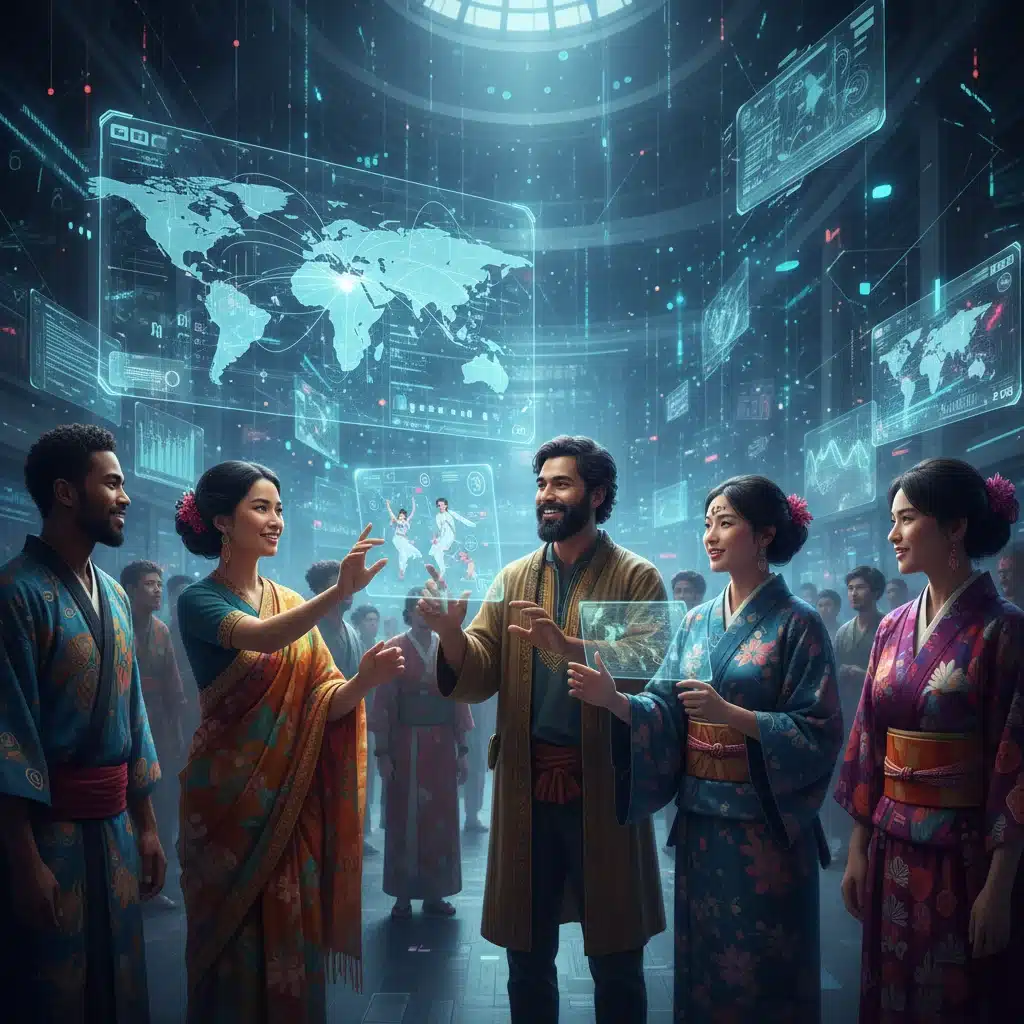
Cultural Identity in the Digital Age: A 2026 Analysis of How Online Platforms Shape Self-Perception and Community
In the rapidly evolving landscape of 2026, the concept of cultural identity is more fluid and multifaceted than ever before. The pervasive influence of online platforms has fundamentally reshaped how individuals perceive themselves, express their heritage, and forge communities. This comprehensive analysis delves into the intricate relationship between digital spaces and the formation of digital cultural identity, exploring the profound implications for both individuals and societies. We will examine the mechanisms through which social media, online forums, virtual worlds, and other digital interfaces contribute to the construction, negotiation, and transformation of cultural self-perception.
The digital revolution, far from being a mere technological shift, has instigated a profound cultural transformation. It has democratized access to information, facilitated cross-cultural exchange, and provided unprecedented avenues for self-expression. However, it has also introduced new complexities, challenges, and paradoxes in defining who we are in a world where our online personas often precede our physical presence. Understanding digital cultural identity in 2026 requires a nuanced perspective that acknowledges both the empowering and the potentially fragmenting aspects of our digital existence.
The Genesis of Digital Cultural Identity: A Historical Perspective in 2026
To truly grasp the current state of digital cultural identity in 2026, it’s essential to briefly rewind. The early days of the internet, characterized by static websites and nascent online communities, laid the groundwork. Forums, chat rooms, and early social networking sites like MySpace allowed individuals to connect based on shared interests, often transcending geographical boundaries. These early interactions, while rudimentary by today’s standards, were the first tremors of a seismic shift in how culture was experienced and shared.
The advent of Web 2.0, with its emphasis on user-generated content and interactive platforms, marked a significant turning point. Social media giants like Facebook, Twitter (now X), Instagram, and later TikTok, transformed the internet from a passive information repository into an active arena for social interaction and identity construction. Suddenly, individuals were not just consumers of culture but active producers and curators of their own narratives. This shift accelerated the formation of distinct online subcultures and provided platforms for minority groups to find voice and solidarity, directly contributing to the complex tapestry of digital cultural identity.
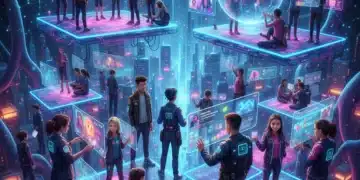
By 2026, the digital landscape has become even more sophisticated. Virtual reality (VR) and augmented reality (AR) technologies are seamlessly integrated into daily life, offering immersive experiences that blur the lines between the physical and digital. The metaverse, once a speculative concept, is now a burgeoning reality, providing new dimensions for cultural expression and community building. These advancements have exponentially amplified the ways in which our digital cultural identity is formed, perceived, and projected.
Online Platforms as Cultural Forges: Shaping Self-Perception
Online platforms are not merely tools; they are powerful cultural forges where self-perception is continuously hammered and refined. The curated nature of social media profiles, for instance, allows individuals to present an idealized or aspirational version of themselves. This act of self-presentation, while offering a degree of control, also introduces pressure to conform to certain online aesthetics or narratives, impacting one’s authentic digital cultural identity.
The feedback loop inherent in these platforms – likes, comments, shares – plays a crucial role in validating or challenging these self-perceptions. Positive affirmations can bolster self-esteem and reinforce chosen identities, while negative feedback can lead to self-doubt or a re-evaluation of one’s online persona. This constant negotiation between internal self-image and external digital validation is central to understanding how digital cultural identity evolves.
Furthermore, the algorithms that govern content delivery on these platforms significantly influence our exposure to different cultural perspectives. While they can connect us with like-minded individuals and reinforce existing cultural values, they can also create echo chambers, limiting exposure to diverse viewpoints and potentially solidifying narrow interpretations of digital cultural identity. In 2026, the sophistication of these algorithms means they are even more adept at predicting and shaping our preferences, making their impact on self-perception more profound.
The Role of Online Communities in Defining Digital Cultural Identity
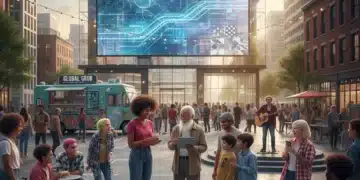
Beyond individual self-perception, online platforms are instrumental in the formation and sustenance of communities that contribute to digital cultural identity. These communities can be based on shared hobbies, professional interests, ethnic backgrounds, political ideologies, or even niche aesthetic preferences. The ability to connect with others who share similar experiences or outlooks, regardless of geographical proximity, has been transformative.
For individuals from marginalized or minority cultures, online communities offer a vital space for affirmation, solidarity, and the preservation of cultural heritage. They can find a sense of belonging that might be absent in their immediate physical environments. These platforms allow for the collective expression of cultural values, the sharing of traditions, and the organization of cultural events, albeit in a digital format. This collective engagement strengthens the sense of shared digital cultural identity among members.
However, the nature of online communities also presents challenges. The anonymity or semi-anonymity offered by some platforms can lead to the proliferation of hate speech, the formation of insular groups, or the reinforcement of harmful stereotypes. The ease with which misinformation can spread within these communities can also distort cultural narratives and contribute to a fractured understanding of digital cultural identity. The year 2026 sees continued efforts to moderate these spaces, but the inherent tension between free expression and community well-being remains a critical consideration.
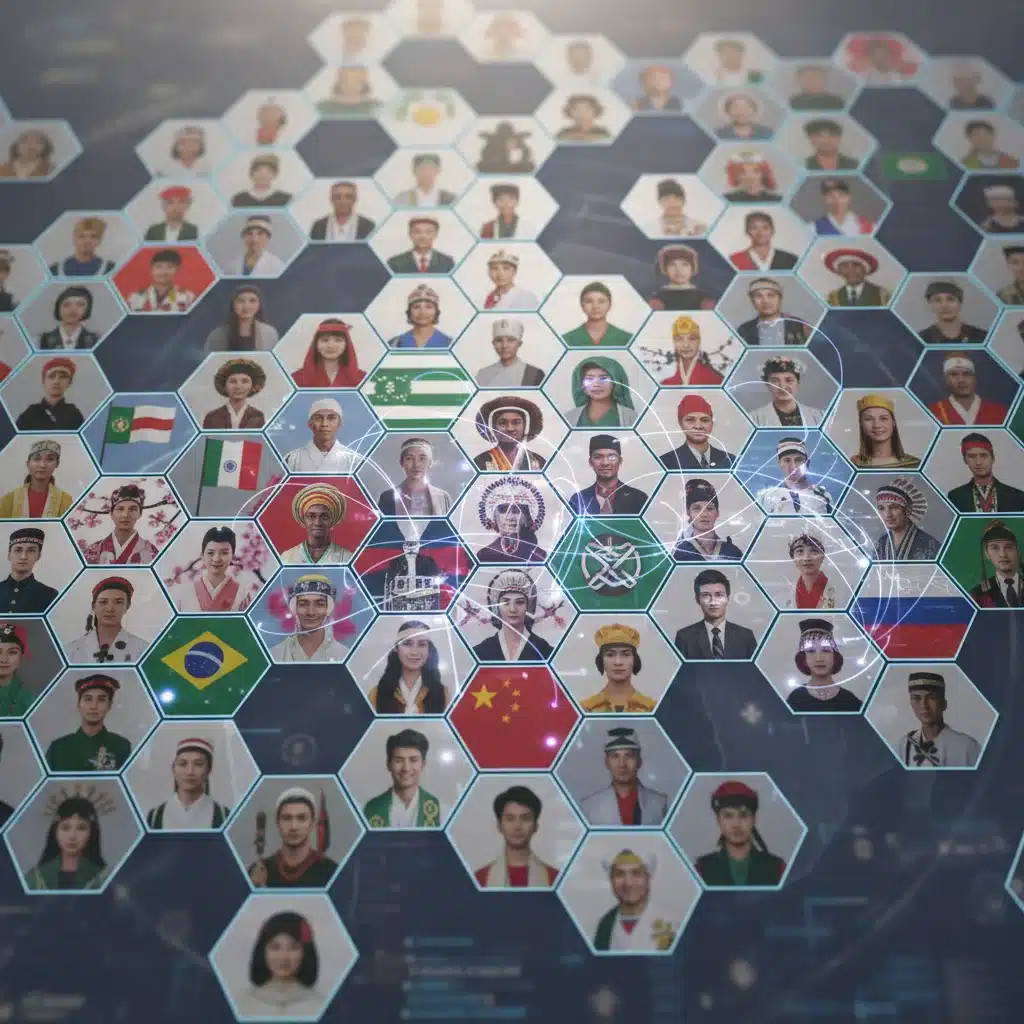
Hybrid Identities: Navigating the Physical and Digital Realms
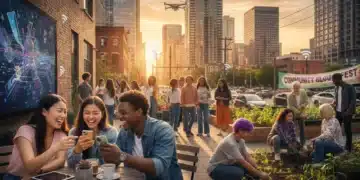
In 2026, it is increasingly rare to find an individual whose cultural identity is solely rooted in either the physical or the digital realm. Instead, most people navigate a complex interplay between their offline experiences and their online interactions, resulting in what can be termed ‘hybrid identities.’ This hybridity means that aspects of one’s digital cultural identity are constantly influencing and being influenced by their real-world cultural affiliations.
For example, a person might engage in traditional cultural practices offline while simultaneously participating in global online communities that celebrate or reinterpret those same traditions. This can lead to both a deeper appreciation of one’s heritage and an expanded understanding of its diverse manifestations worldwide. The digital realm provides a space for experimentation and exploration of different facets of cultural identity, which can then be integrated into one’s overall self-perception.
Conversely, experiences in the physical world often inform and shape our online expressions. A real-world cultural event might be documented and shared online, sparking discussions and fostering a sense of collective memory within a digital community. The challenge lies in maintaining a coherent sense of self amidst these fluid and often contradictory influences, ensuring that the development of digital cultural identity remains authentic and grounded.
The Commercialization and Commodification of Digital Cultural Identity
The digital age, particularly by 2026, has also witnessed the commercialization and commodification of cultural identity. Online platforms, driven by advertising revenue, often leverage user data to target individuals with culturally specific content and products. While this can lead to personalized experiences, it also raises concerns about the exploitation of cultural markers for commercial gain.
Influencers and brands frequently appropriate cultural symbols or practices, sometimes without a deep understanding of their significance, leading to debates around cultural authenticity and ownership. The pressure to present a certain digital cultural identity can also be influenced by market trends, where certain cultural aesthetics become fashionable and are then capitalized upon. This commercial aspect adds another layer of complexity to how individuals and groups perceive and express their cultural affiliations online.
The rise of NFTs (Non-Fungible Tokens) and digital collectibles further blurs these lines. Unique digital artifacts, often imbued with cultural meaning, can be bought, sold, and traded, creating new forms of cultural capital within the digital realm. This economic dimension profoundly impacts how value is assigned to and derived from various expressions of digital cultural identity.
Challenges and Opportunities for Digital Cultural Identity in 2026
As we navigate 2026, the landscape of digital cultural identity presents both significant challenges and unparalleled opportunities.
Challenges:
- Authenticity vs. Performance: The constant pressure to perform and curate an online persona can lead to a disconnect between one’s true self and their digital representation, potentially eroding authentic cultural expression.
- Cultural Appropriation: The ease of sharing and remixing content online can facilitate cultural appropriation, where elements of a culture are adopted by others without understanding or respecting their original context.
- Echo Chambers and Polarization: Algorithmic biases can create insular online communities, reinforcing existing beliefs and making it difficult for individuals to engage with diverse cultural perspectives, potentially leading to increased polarization.
- Digital Divide: Unequal access to technology and digital literacy can exacerbate existing inequalities, limiting the ability of certain cultural groups to participate fully in the formation and expression of digital cultural identity.
- Data Privacy and Surveillance: The collection and use of personal data by online platforms raise concerns about privacy and how this data might be used to categorize or even manipulate cultural identities.
Opportunities:
- Global Cultural Exchange: Online platforms facilitate unprecedented cross-cultural dialogue and understanding, allowing individuals to learn about and appreciate diverse cultural practices from around the world. This enriches individual digital cultural identity and fosters global citizenship.
- Empowerment of Marginalized Voices: Digital spaces provide platforms for minority and marginalized cultural groups to share their stories, challenge dominant narratives, and build supportive communities.
- Preservation of Heritage: Online archives, digital museums, and virtual reality experiences offer new ways to preserve and propagate cultural heritage for future generations, ensuring the longevity of diverse digital cultural identity expressions.
- Creative Expression: Digital tools and platforms empower individuals to express their cultural identity through new forms of art, music, storytelling, and performance, fostering innovation and creativity.
- Flexible Identity Formation: The digital realm offers a safe space for individuals to explore different facets of their cultural identity, experiment with various expressions, and ultimately form a more nuanced and personal understanding of themselves.
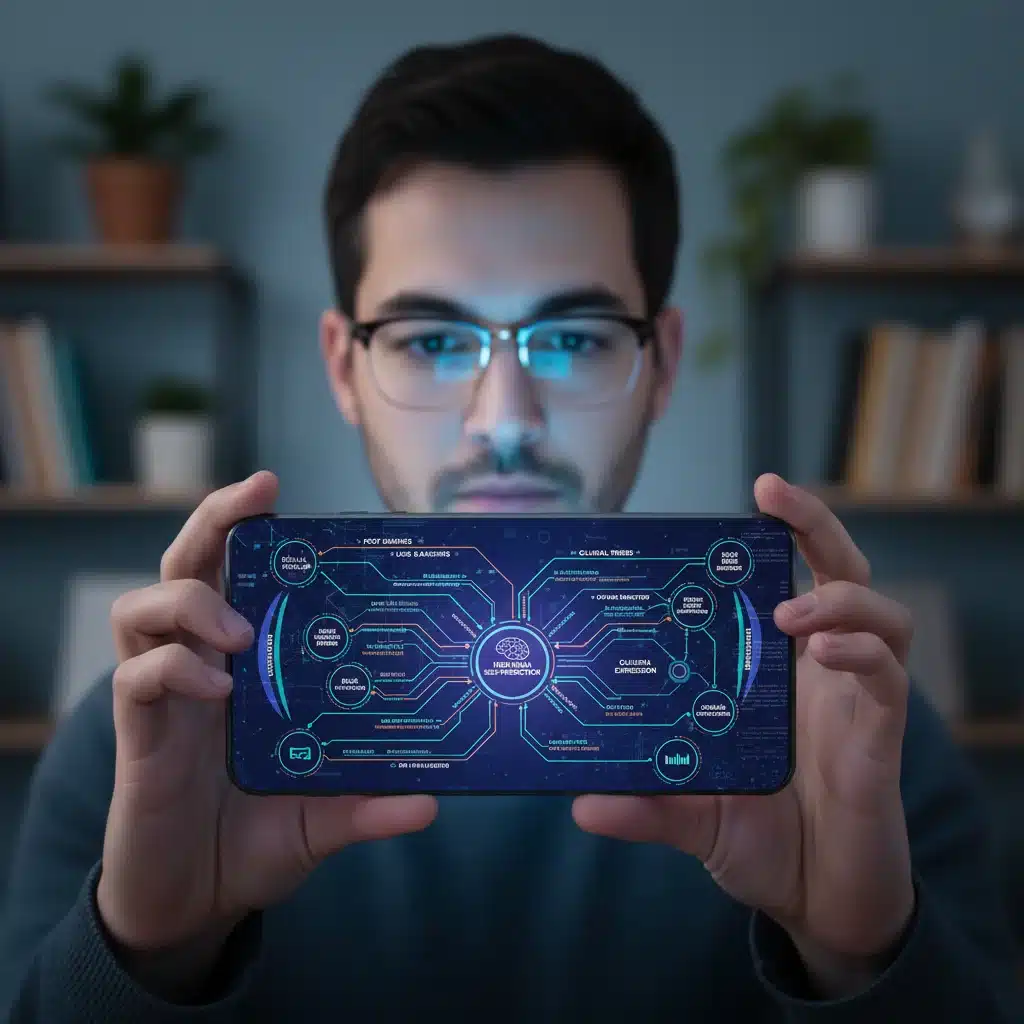
The Future of Digital Cultural Identity Beyond 2026
Looking beyond 2026, the evolution of digital cultural identity is poised for even more dramatic shifts. The continued integration of AI, advanced VR/AR, and potentially brain-computer interfaces will create increasingly immersive and personalized digital experiences. This could lead to a deeper intertwining of our physical and digital selves, blurring the boundaries of what it means to have a cultural identity.
The concept of digital citizenship will likely gain more prominence, with discussions around rights and responsibilities within virtual cultural spaces becoming central. As metaverses become more sophisticated, they will offer opportunities for entirely new forms of cultural expression and community building, potentially giving rise to ‘meta-cultures’ that exist primarily within these digital realms. The challenge will be to ensure these developments are inclusive, equitable, and genuinely enriching for human experience, rather than divisive or exploitative.
Furthermore, the ongoing debate around data ownership and digital sovereignty will undoubtedly impact how individuals and nations assert their digital cultural identity. As digital replicas and AI-generated content become more prevalent, questions of authenticity and the unique value of human cultural creation will become even more pressing. The ethical implications of these technological advancements will require careful consideration and proactive policy-making to safeguard the integrity of cultural identities in the digital future.
Conclusion: Embracing the Evolving Nature of Digital Cultural Identity
In conclusion, 2026 marks a pivotal moment in understanding digital cultural identity. Online platforms have irrevocably altered the landscape of self-perception and community formation, offering both unprecedented opportunities for connection and expression, as well as complex challenges related to authenticity, privacy, and cultural integrity. The individual’s journey through this digital terrain is one of constant negotiation, adaptation, and discovery.
As we move forward, fostering digital literacy, promoting ethical platform design, and encouraging critical engagement with online content will be paramount. The goal is not to resist the inevitable march of technology but to harness its power responsibly, ensuring that the evolution of digital cultural identity enriches human experience and promotes a more inclusive, understanding, and culturally vibrant global society. The ongoing dialogue about how technology shapes who we are will continue to be a defining characteristic of our digital age, requiring continuous reflection and adaptation from individuals, communities, and policymakers alike.