The Evolving American Family: Updates on Emerging Household Structures 2026
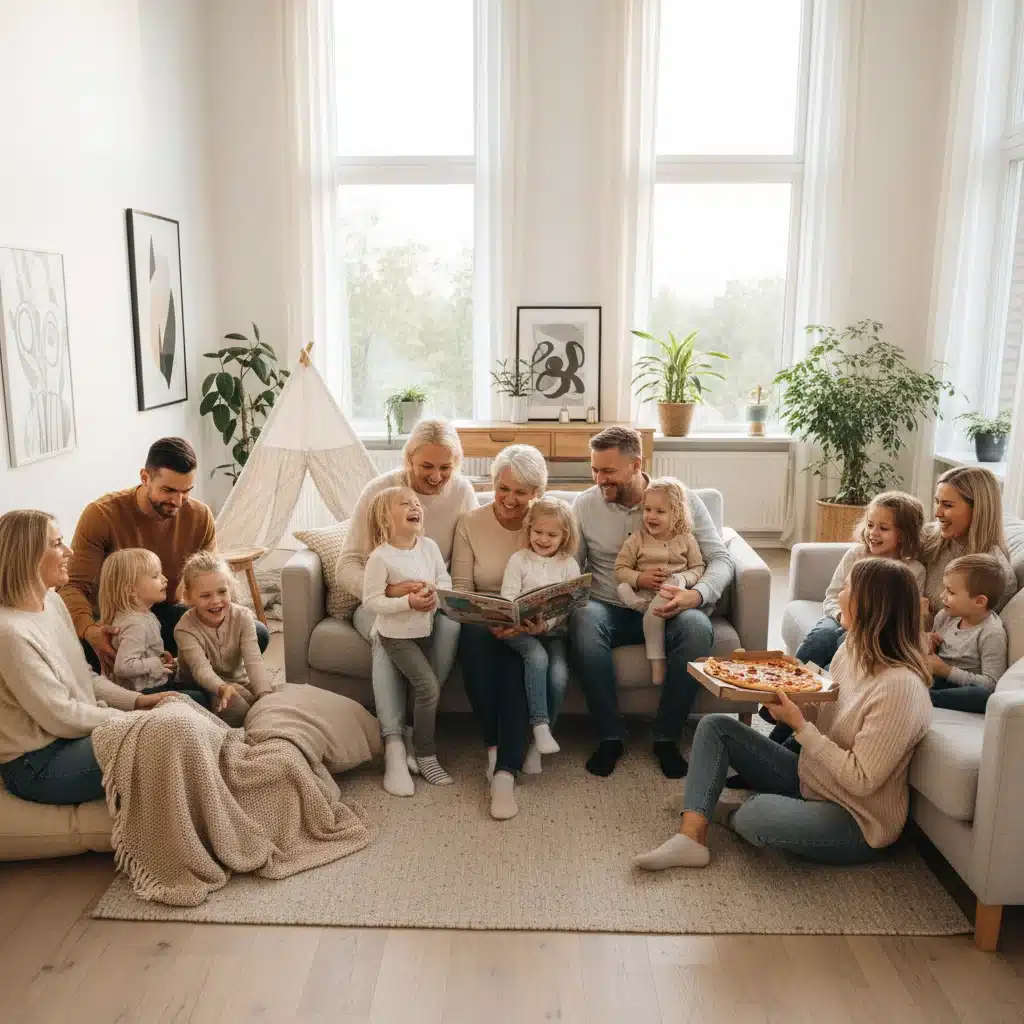
The concept of family, a cornerstone of human societies, has never been static. In the United States, the traditional nuclear family — a married man and woman with their biological children — has long been idealized, but reality has always been far more complex. As we navigate the mid-2020s, specifically looking towards 2026, the evolving American family landscape continues to diversify at an unprecedented rate. Socioeconomic shifts, cultural movements, technological advancements, and changing individual priorities are all contributing to the emergence and proliferation of new household structures. This comprehensive exploration delves into three significant emerging household structures, examining their characteristics, the factors driving their growth, and their profound cultural and societal implications.
Understanding these shifts is not merely an academic exercise; it’s crucial for policymakers, businesses, educators, and community leaders to effectively serve and support the populace. The way we define and experience family impacts everything from housing markets and healthcare policies to educational systems and social welfare programs. Ignoring these evolving family dynamics would be to ignore the lived realities of millions of Americans.
The Shifting Sands of Family: A Historical Context
Before diving into the contemporary, it’s essential to briefly acknowledge the historical trajectory of the American family. The post-World War II era saw the rise of the nuclear family ideal, bolstered by economic prosperity and suburbanization. However, even then, this ideal didn’t encompass all families. Single-parent households, extended families, and various other arrangements existed. The late 20th century brought significant changes, including increased divorce rates, women’s entry into the workforce, and greater acceptance of diverse sexual orientations. These factors laid the groundwork for the acceleration of family diversification we observe today. The evolving American family is a testament to resilience and adaptability.
Today, the forces at play are even more potent. Economic pressures, such as rising living costs and stagnant wages, often necessitate creative living arrangements. Cultural shifts, including a greater emphasis on individualism, personal fulfillment, and fluid identities, challenge traditional norms. Furthermore, advancements in reproductive technology and communication tools are opening up new possibilities for family formation and maintenance. The interplay of these forces creates a rich tapestry of family life, moving far beyond the binary of ‘traditional’ or ‘non-traditional.’
Emerging Household Structure 1: Intentional Communities and Co-Living Spaces
One of the most compelling and rapidly growing emerging household structures is the intentional community or co-living space. While communal living has historical roots in various counter-cultural movements, the modern iteration is often driven by pragmatic concerns, a desire for stronger social bonds, and a rejection of isolation. These communities can take many forms, from purpose-built co-housing developments where residents share common facilities and responsibilities to groups of unrelated adults pooling resources to share a large home.
Characteristics and Drivers
Intentional communities are characterized by a shared vision or set of values among their residents. This could be environmental sustainability, spiritual practice, artistic collaboration, or simply a desire for mutual support and companionship. Co-living spaces, while sometimes less ideologically driven, share the core principle of shared living with amenities and responsibilities distributed among residents. These often attract younger professionals seeking affordable housing in urban centers, but also appeal to older adults looking for companionship and support in retirement.
The drivers behind this trend are multifaceted:
- Affordability: In many urban and suburban areas, housing costs are prohibitive. Co-living offers a way to reduce individual rent or mortgage burdens, utility costs, and even food expenses through shared meals.
- Combating Loneliness: Despite being more connected digitally, many individuals report feeling increasingly isolated. Intentional communities provide built-in social networks, fostering a sense of belonging and mutual support.
- Sustainability: Many intentional communities prioritize eco-friendly living, sharing resources like cars, tools, and gardens, thereby reducing their environmental footprint.
- Flexibility and Mobility: For a generation that values experiences over possessions, and often faces job mobility, co-living can offer more flexible lease terms and a ready-made social circle upon relocation.
- Shared Responsibilities: Especially for single parents or individuals with demanding careers, sharing household chores, childcare, or eldercare responsibilities can significantly reduce stress and improve quality of life.
Cultural and Societal Implications
The rise of intentional communities has significant cultural and societal implications. Culturally, it challenges the deeply ingrained notion of the single-family home as the ultimate ideal. It promotes a more collectivist mindset, where interdependence is valued alongside individual autonomy. It also redefines ‘privacy,’ suggesting that a balance between personal space and shared living can lead to greater well-being.
Societally, these structures can lead to:
- Innovative Urban Planning: Cities may need to adapt zoning laws and housing policies to accommodate and encourage co-living developments.
- Strengthened Social Capital: By fostering closer ties among residents, these communities can build stronger local social capital, leading to safer neighborhoods and more engaged citizens.
- Redefinition of ‘Family’: For many residents, their co-living companions become a chosen family, providing emotional, practical, and financial support often associated with traditional kinship. This further broadens the definition of the evolving American family.
- Economic Resilience: Shared living can offer a buffer against economic shocks, as residents can collectively manage financial challenges.
Emerging Household Structure 2: Platonic Co-Parenting and Chosen Families
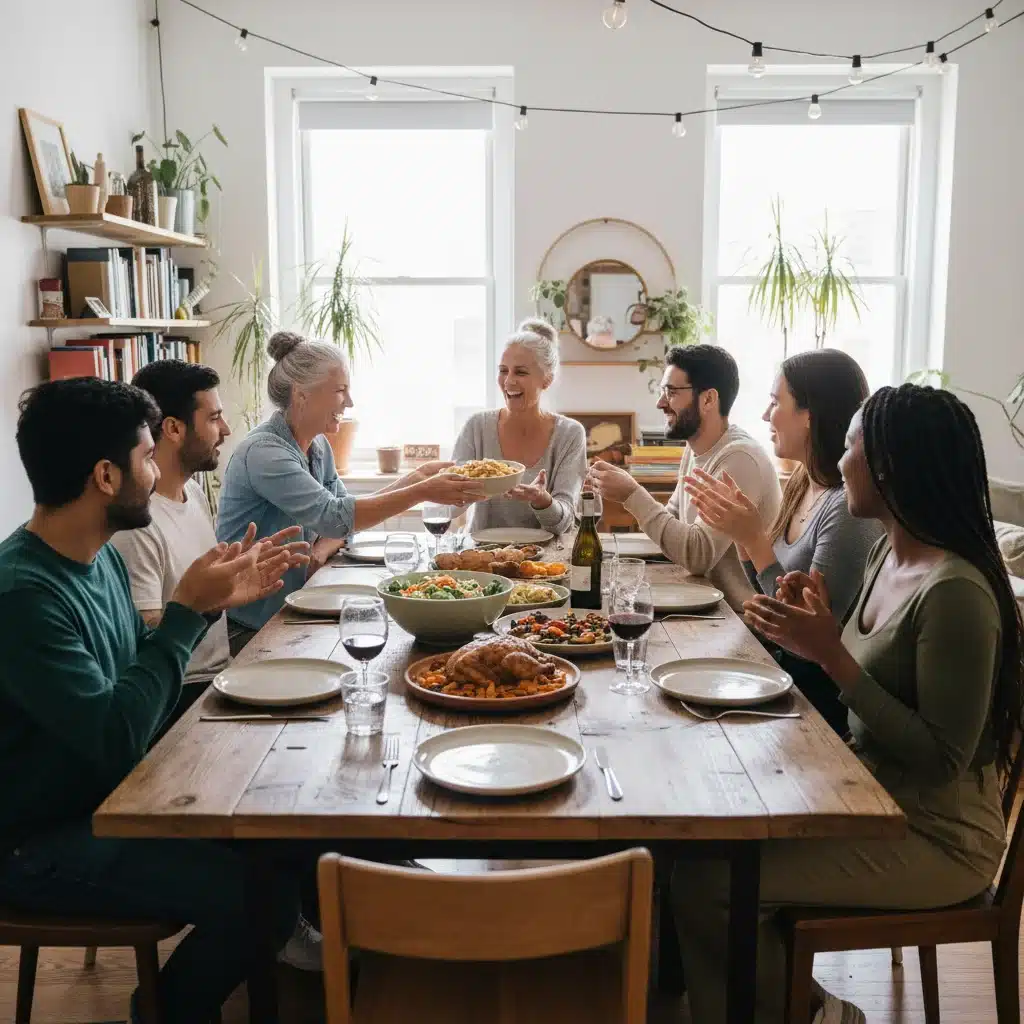
The concept of family is increasingly decoupled from romantic relationships. Platonic co-parenting and the broader idea of ‘chosen families’ represent a profound shift in how individuals form and sustain familial bonds. Platonic co-parenting involves two or more individuals who are not romantically involved deciding to raise children together. Chosen families, while not always involving co-parenting, refer to groups of individuals who commit to supporting each other like family, often filling roles traditionally held by biological relatives.
Characteristics and Drivers
Platonic co-parenting arrangements are often meticulously planned, sometimes involving legal agreements outlining responsibilities, finances, and childcare schedules. The individuals involved may be close friends, siblings, or even acquaintances who find a compatible partner for parenting. This model is particularly appealing to:
- Single individuals desiring children: For those who haven’t found a romantic partner but wish to become parents, platonic co-parenting offers a viable path.
- LGBTQ+ individuals: This model provides diverse family formation options beyond traditional heterosexual norms.
- Individuals prioritizing stability over romance: Some choose this path to ensure a stable, two-parent (or multi-parent) environment for children, believing that a strong platonic partnership can be more enduring than a romantic one.
Chosen families, on the other hand, often evolve organically. They are groups of friends, colleagues, or community members who provide each other with emotional support, practical assistance, and a sense of belonging. This is particularly prevalent in communities where traditional family ties may be strained or absent, such as among LGBTQ+ individuals, immigrants, or those who have moved far from their biological families. The evolving American family often finds its strength in these self-selected bonds.
The drivers behind these trends include:
- Changing Relationship Norms: The decline in marriage rates and increased acceptance of diverse relationship structures pave the way for non-romantic parenting and familial bonds.
- Desire for Support Systems: Modern life can be isolating. Chosen families provide essential emotional and practical support networks.
- Financial Prudence: Similar to co-living, chosen families can pool resources and provide mutual aid, alleviating financial burdens.
- Individual Autonomy: These models allow individuals to intentionally design their family life in a way that best suits their values and needs, rather than conforming to societal expectations.
Cultural and Societal Implications
The rise of platonic co-parenting and chosen families challenges the very definition of kinship. Culturally, it emphasizes that love, commitment, and responsibility can exist outside of romantic or biological ties. It promotes a more inclusive understanding of what constitutes a ‘family,’ validating diverse forms of caregiving and mutual support.
Societally, these trends have implications for:
- Legal Frameworks: Laws pertaining to parental rights, inheritance, and next-of-kin may need to adapt to recognize and protect these non-traditional family structures.
- Social Services: Healthcare providers, schools, and social workers will need to be increasingly aware and inclusive of these diverse family configurations.
- Workplace Policies: Family leave policies and benefits may need to expand to include chosen family members, reflecting the reality of modern support networks.
- Reduced Social Isolation: By actively building support networks, individuals in these family structures may experience lower rates of loneliness and improved mental health outcomes. This is a crucial aspect of the evolving American family‘s well-being.
Emerging Household Structure 3: Multi-Generational Households by Choice and Necessity
While multi-generational households were a norm in many historical and cultural contexts, they experienced a decline in the mid-20th century in the U.S. as a result of suburbanization and the nuclear family ideal. However, this trend is experiencing a significant resurgence, driven by a combination of economic necessity and conscious choice. These households typically involve three or more generations living under one roof, such as grandparents, parents, and children, or even aunts/uncles and cousins.
Characteristics and Drivers
The modern multi-generational household is often characterized by a pooling of resources and shared responsibilities. It can range from adult children moving back in with parents (the ‘boomerang generation’) to elderly parents moving in with their adult children, or even multiple adult siblings and their families cohabiting. The drivers are potent and varied:
- Economic Imperatives: This is arguably the strongest driver. Rising housing costs, student loan debt, and the increasing cost of childcare and eldercare make it financially advantageous, and often necessary, for multiple generations to combine resources. It allows for cost-sharing on rent/mortgage, utilities, and groceries.
- Childcare Support: Grandparents living with their grandchildren can provide invaluable childcare, saving families significant expenses and offering children stable, loving care.
- Elder Care: As the population ages, the need for elder care grows. Multi-generational living provides a way for families to care for aging parents at home, often delaying or avoiding costly institutional care.
- Cultural Values: For many immigrant families, multi-generational living has always been the norm and a deeply embedded cultural value. As these communities grow, so does the prevalence of this household structure.
- Emotional Support and Connection: Beyond financial benefits, multi-generational households foster stronger family bonds, provide emotional support, and allow for the transmission of cultural heritage and wisdom across generations.
Cultural and Societal Implications
The return of the multi-generational household has profound cultural and societal implications, challenging the individualistic ethos that has dominated American society for decades. It signals a shift towards greater family interdependence and mutual reliance.
Culturally, it revitalizes the role of elders within the family unit, valuing their experience and contributions. It also offers children the unique benefit of closer relationships with grandparents and other relatives, potentially leading to stronger identity formation and a deeper sense of family history. This re-entrenchment of intergenerational connection is a significant aspect of the evolving American family.
Societally, these implications include:
- Housing Market Adjustments: There’s a growing demand for homes with separate living suites, multiple master bedrooms, or accessory dwelling units (ADUs) to accommodate multi-generational living.
- Healthcare System Impact: While potentially reducing the burden on institutional elder care, it shifts some caregiving responsibilities to family members, necessitating more support for family caregivers.
- Policy and Planning: Urban planners and policymakers need to consider the unique needs of multi-generational households in terms of public services, transportation, and community design.
- Economic Benefits: By reducing housing and care costs, these households can free up disposable income, potentially stimulating local economies.

The Broader Cultural and Societal Implications of the Evolving American Family
The emergence and growth of these three household structures—intentional communities, platonic co-parenting/chosen families, and multi-generational households—are not isolated phenomena. They are interconnected and indicative of broader shifts in American culture and society. The evolving American family is a microcosm of these larger societal transformations.
Redefining ‘Normal’ and Inclusivity
Perhaps the most significant overarching implication is the continued broadening of what is considered ‘normal’ or ‘traditional’ when it comes to family. The increasing visibility and acceptance of diverse family forms challenge long-held biases and promote a more inclusive understanding of human relationships. This inclusivity is vital for creating a society where all individuals feel valued and supported, regardless of their family structure.
Increased Flexibility and Resilience
These emerging models demonstrate a remarkable degree of flexibility and resilience in the face of modern challenges. Whether it’s economic hardship, social isolation, or the complexities of caregiving, individuals are finding innovative ways to create supportive and functional family units. This adaptability is a strength, suggesting that the concept of family is robust and capable of evolving to meet changing needs.
Policy and Institutional Adaptation
As these family structures become more prevalent, institutions and policies must adapt. This includes:
- Legal Recognition: Ensuring that all family forms have appropriate legal protections and rights, from inheritance to visitation.
- Social Services: Tailoring support services to meet the diverse needs of different household compositions, rather than a one-size-fits-all approach.
- Housing and Urban Planning: Designing communities and housing options that accommodate a wider range of living arrangements.
- Workplace Benefits: Revisiting definitions of ‘family’ for benefits like health insurance, leave policies, and bereavement to reflect chosen families and other non-traditional structures.
Economic Impact
The economic implications are substantial. Shared living arrangements can alleviate poverty, reduce the burden of care costs, and potentially lead to more stable households. However, they also create new demands on the economy, such as the need for different types of housing or services tailored to these specific family units. The evolving American family is constantly reshaping economic patterns.
Mental Health and Well-being
The emphasis on strong social networks and mutual support within many of these emerging family structures can have positive impacts on mental health and well-being. By combating loneliness and providing reliable support systems, these families contribute to a healthier society. However, they also present unique challenges, such as navigating complex interpersonal dynamics and managing shared responsibilities, which may require new forms of conflict resolution and communication skills.
The Future of the American Family (2026 and Beyond)
Looking ahead to 2026 and beyond, it’s clear that the evolving American family will continue its trajectory of diversification. The trends highlighted here are likely to strengthen, and new forms of family and household structures may yet emerge. The increasing fluidity of gender roles, sexual identities, and relationship models will undoubtedly continue to shape family formation.
Technology will also play an increasingly significant role. Advancements in communication will make it easier for geographically dispersed chosen families to stay connected. Smart home technologies could further facilitate shared living, managing resources and chores more efficiently. Reproductive technologies will continue to expand the possibilities for parenthood, enabling more individuals to form families regardless of traditional biological constraints.
The challenge for society will be to embrace this diversity, moving away from prescriptive notions of what a family ‘should’ be and instead focusing on what makes a family functional, loving, and supportive. This means fostering environments where all family types are recognized, respected, and provided with the resources they need to thrive.
Conclusion: Embracing the Rich Tapestry of Family Life
The evolving American family in 2026 is a vibrant, multifaceted phenomenon. The rise of intentional communities, platonic co-parenting/chosen families, and multi-generational households are not anomalies but rather robust responses to the complex demands of modern life. They reflect a society that is increasingly adaptable, inclusive, and creative in its pursuit of connection, support, and well-being.
By understanding and supporting these emerging structures, we can build a more resilient and equitable society that truly reflects the diverse realities of its people. The strength of a nation lies not in the uniformity of its families, but in the collective well-being and flourishing of all its members, in whatever form their families may take. The future of the American family is not a single, monolithic entity, but a rich and ever-expanding tapestry woven from countless unique and meaningful relationships.