Metaverse Economy: Projecting a $500 Billion Market by Late 2026
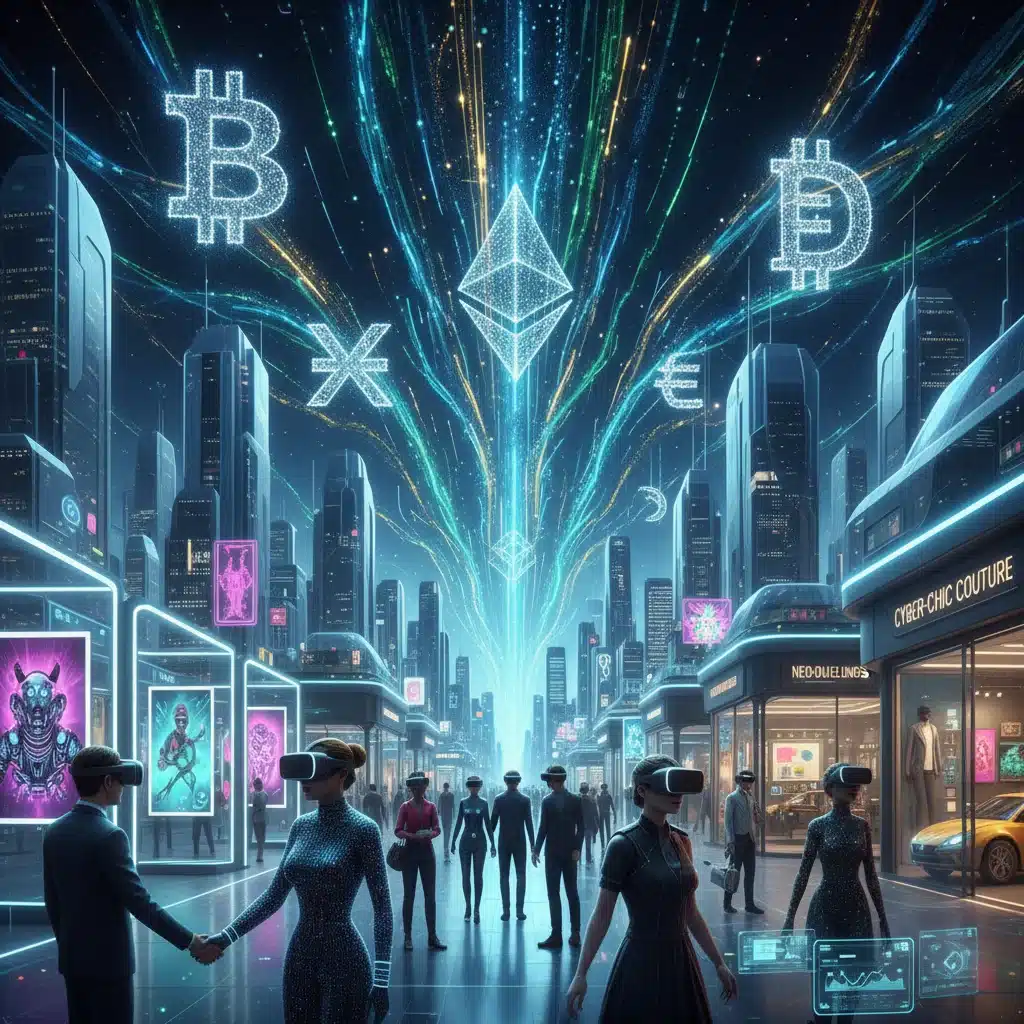
The digital frontier is expanding at an unprecedented pace, and at its heart lies the captivating and complex realm of the metaverse. More than just a buzzword, the metaverse represents a convergence of virtual reality, augmented reality, blockchain technology, and the internet, creating persistent, shared, and immersive virtual spaces where users can interact, socialize, work, and conduct business. This nascent yet rapidly evolving digital universe is not merely a technological marvel; it’s a burgeoning economic powerhouse, poised for explosive growth. Industry analysts and market researchers are projecting an astonishing trajectory, with the Metaverse Economic Growth expected to reach a staggering $500 billion market valuation by late 2026. This isn’t just a prediction; it’s a testament to the profound shifts occurring in how we perceive and interact with digital assets, services, and experiences.
Understanding the forces driving this monumental growth requires a deep dive into the underlying components that form the bedrock of the metaverse economy. From digital land ownership and non-fungible tokens (NFTs) to virtual fashion, gaming, and enterprise solutions, every facet contributes to its expanding value. This article will explore the intricate ecosystem of the metaverse, shedding light on the key drivers, investment opportunities, and the transformative impact it promises to have on industries worldwide. We will examine the technological innovations making this future possible, the challenges that lie ahead, and the strategic approaches businesses and individuals can take to thrive within this exciting new digital paradigm.
Defining the Metaverse: Beyond a Simple Game
Before delving into the economic projections, it’s crucial to establish a clear understanding of what the metaverse truly is. It’s often mistakenly equated with virtual reality games or simple online platforms. However, the metaverse is far more expansive. It envisions a persistent, interconnected network of 3D virtual worlds that are accessible in real-time by an unlimited number of users, each with a unique sense of presence. Think of it as the next iteration of the internet, a spatial web where you don’t just browse content, but you are inside it.
Key characteristics defining the metaverse include:
- Persistence: Unlike traditional games that reset or end, the metaverse continues to exist and evolve, even when you’re not logged in.
- Interoperability: Ideally, assets, avatars, and experiences should seamlessly transfer between different metaverse platforms, though this remains a significant development challenge.
- Real-time Interaction: Users engage with each other and the environment synchronously, fostering a sense of shared presence.
- Economic System: A fully functioning economy with digital currencies, ownership of assets (NFTs), and opportunities for creation, buying, and selling.
- User-Generated Content: A significant portion of the metaverse’s value and experience is expected to come from content created by its users.
The concept isn’t entirely new; precursors like Second Life have existed for decades. However, advancements in computing power, internet speeds, blockchain technology, and the increasing sophistication of VR/AR hardware have propelled the metaverse into the mainstream consciousness, making the ambitious projections for Metaverse Economic Growth seem increasingly attainable.
The Pillars of Metaverse Economic Growth: What Drives the $500 Billion Projection?
The projected $500 billion market valuation by late 2026 is not based on a single factor but a confluence of interconnected trends and technological advancements. Several key pillars underpin this expected explosion in Metaverse Economic Growth:
1. Digital Assets and NFTs: The New Frontier of Ownership
Non-fungible tokens (NFTs) are arguably one of the most significant disruptors enabling the metaverse economy. NFTs provide verifiable digital ownership of unique items, ranging from virtual land and fashion to art, music, and collectibles. This ability to own and trade digital assets securely has unlocked entirely new economic models within virtual worlds. Users can buy prime virtual real estate, develop it, and rent it out, or create unique digital clothing lines for avatars and sell them for real-world profit. The scarcity and uniqueness guaranteed by NFTs drive their value, creating a vibrant secondary market that fuels economic activity.
2. Virtual Real Estate and Infrastructure
Just as in the physical world, location matters in the metaverse. Virtual land plots in popular metaverse platforms like Decentraland, The Sandbox, and Otherside have seen astronomical price increases, with some parcels selling for millions of dollars. This virtual real estate is more than just digital space; it’s a platform for experiences, businesses, and social gatherings. Companies are investing in virtual headquarters, brands are setting up stores, and creators are building immersive experiences. The development of this digital infrastructure – from virtual buildings to interactive experiences – represents a massive investment and value creation opportunity.
3. Gaming and Entertainment: The Gateway to the Metaverse
Gaming has long been a precursor to the metaverse, offering immersive virtual worlds and digital economies. Titles like Roblox and Fortnite already embody many metaverse characteristics, allowing users to create, play, and monetize content. The metaverse takes this a step further, integrating more sophisticated economic models, interoperable assets, and a broader range of experiences beyond traditional gaming. Concerts, virtual events, and interactive storytelling within the metaverse are attracting massive audiences and generating significant revenue, propelling Metaverse Economic Growth.
4. Virtual Fashion and Avatars
Our digital identities, represented by avatars, are becoming increasingly important. Just as we express ourselves through physical fashion, virtual fashion allows for self-expression and status signaling in the metaverse. Brands like Gucci, Nike, and Adidas are already designing and selling digital apparel, sometimes for higher prices than their physical counterparts. The market for customizable avatars, digital accessories, and exclusive virtual fashion items is a rapidly expanding segment, contributing substantially to the overall economy.
5. Enterprise and Business Applications
Beyond consumer entertainment, the metaverse holds immense potential for businesses. Companies are exploring virtual workspaces, conducting remote meetings in immersive environments, and using digital twins for product design, prototyping, and training. The ability to collaborate in a shared 3D space, regardless of physical location, offers efficiency gains and new opportunities for innovation. This enterprise adoption is a critical, often underestimated, driver of Metaverse Economic Growth.
6. Advertising and Marketing
As user engagement in the metaverse grows, so too do the opportunities for advertising and marketing. Brands can create immersive ad experiences, host virtual product launches, and engage with consumers in novel ways. Programmatic advertising within virtual worlds, sponsored events, and in-metaverse product placements are emerging as powerful new revenue streams, attracting significant marketing budgets.
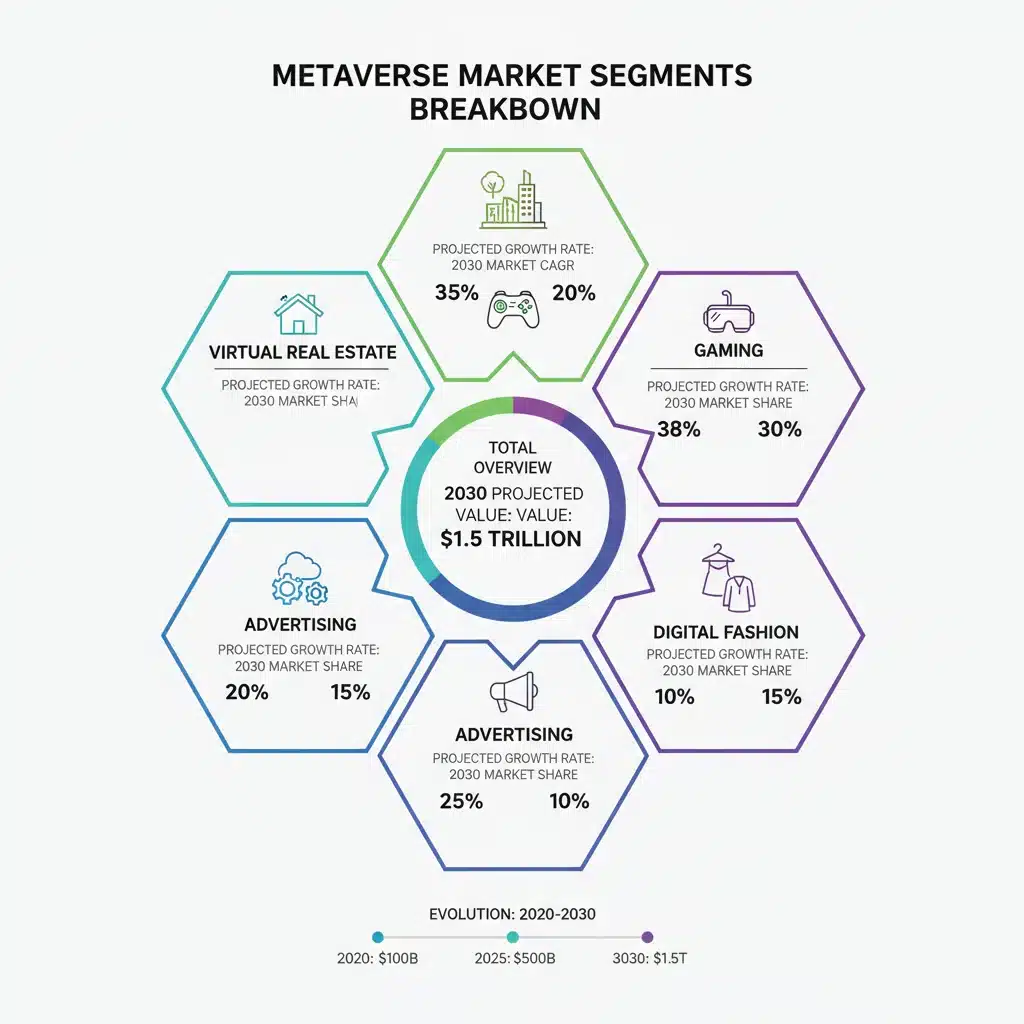
Investment Opportunities in the Metaverse Economy
The projected Metaverse Economic Growth to $500 billion by late 2026 presents a compelling landscape for investors. Opportunities exist across various layers of the metaverse stack:
Hardware and Infrastructure
The foundation of the metaverse relies on powerful hardware. Investing in companies developing VR/AR headsets, haptic feedback devices, high-speed networking solutions (5G/6G), and advanced graphics processing units (GPUs) is a direct way to capitalize on the metaverse’s expansion. These companies provide the essential tools that enable immersive experiences.
Platform and Software Development
Companies building the core metaverse platforms (e.g., Meta Platforms, Microsoft, Roblox, Epic Games), as well as those developing middleware, SDKs, and tools for metaverse creation, are crucial. This includes firms specializing in 3D content creation, avatar customization, and interoperability solutions.
Digital Assets and NFTs
Direct investment in NFTs, including virtual land, art, and collectibles, is a high-risk, high-reward strategy. Alternatively, investing in marketplaces that facilitate NFT trading or companies building tools for NFT creation and management offers a broader exposure to this segment of the Metaverse Economic Growth.
Experience and Content Creation
As the metaverse grows, there will be an insatiable demand for engaging content and experiences. Investing in studios developing metaverse games, virtual event organizers, digital fashion designers, and agencies specializing in creating immersive brand experiences offers significant potential. This also extends to companies building educational or training applications within virtual environments.
Blockchain and Cryptocurrency
Blockchain technology is integral to the metaverse, providing decentralization, security, and digital ownership. Investing in cryptocurrencies native to metaverse platforms (e.g., MANA, SAND, AXS) or in blockchain infrastructure providers that support metaverse development can be a strategic move. However, this area is highly volatile and requires careful due diligence.
Challenges and Considerations for Sustained Growth
While the projections for Metaverse Economic Growth are optimistic, several significant challenges must be addressed for this potential to be fully realized:
Interoperability and Standardization
Currently, many metaverse platforms operate as walled gardens. For a truly open and expansive metaverse, interoperability – the ability to seamlessly move assets, identities, and experiences between different virtual worlds – is paramount. This requires industry-wide collaboration and the development of open standards, which is a complex undertaking.
Technological Limitations
Achieving truly immersive and persistent metaverse experiences demands significant advancements in computing power, network bandwidth, and hardware (e.g., lighter, more affordable VR/AR headsets with higher fidelity). Latency, processing power, and battery life remain hurdles that need continuous innovation.
Security and Privacy
As users spend more time and conduct more transactions in the metaverse, security and privacy concerns become amplified. Protecting digital assets, personal data, and user identities from cyber threats is critical. Robust cybersecurity measures and clear privacy policies are essential for building trust and fostering widespread adoption.
User Adoption and Accessibility
While interest in the metaverse is high, mass adoption requires overcoming barriers like cost of hardware, ease of use, and a clear value proposition for everyday users. The metaverse needs to be accessible and intuitive for a broad demographic, not just tech enthusiasts.
Regulation and Governance
The decentralized nature of some metaverse components, coupled with the novelty of digital assets and virtual economies, presents complex regulatory challenges. Governments and international bodies are still grappling with how to regulate digital ownership, virtual currencies, intellectual property in virtual spaces, and user conduct. Clear and fair regulatory frameworks will be vital for long-term stability and growth.
The Transformative Impact on Industries and Society
The projected Metaverse Economic Growth is not just about financial figures; it signifies a profound transformation across various sectors of society and industry.
Retail and E-commerce
The metaverse is set to revolutionize retail. Imagine trying on clothes virtually with your avatar, stepping into a digital store that perfectly replicates a physical flagship, or attending a virtual product launch with exclusive digital items. Brands can create immersive shopping experiences that transcend the limitations of traditional e-commerce, blurring the lines between physical and digital consumption.
Education and Training
Immersive learning environments in the metaverse can offer unparalleled educational experiences. Students could virtually dissect a human body, explore ancient civilizations, or conduct complex scientific experiments in a risk-free environment. For corporate training, the metaverse provides realistic simulations for skill development, from surgical procedures to complex machinery operation, without the need for expensive physical setups.
Healthcare
Beyond training, the metaverse has applications in healthcare for remote diagnostics, therapy, and even surgical planning. Doctors could collaborate in virtual operating rooms, specialists could consult with patients across continents in immersive settings, and patients could engage in therapeutic exercises within calming virtual environments.
Tourism and Travel
While not replacing physical travel, the metaverse offers new forms of tourism. Users could explore historical sites, visit exotic locations, or attend virtual concerts and events in cities worldwide without leaving their homes. This opens up accessibility for those unable to travel physically and provides supplementary experiences for real-world destinations.
Work and Collaboration
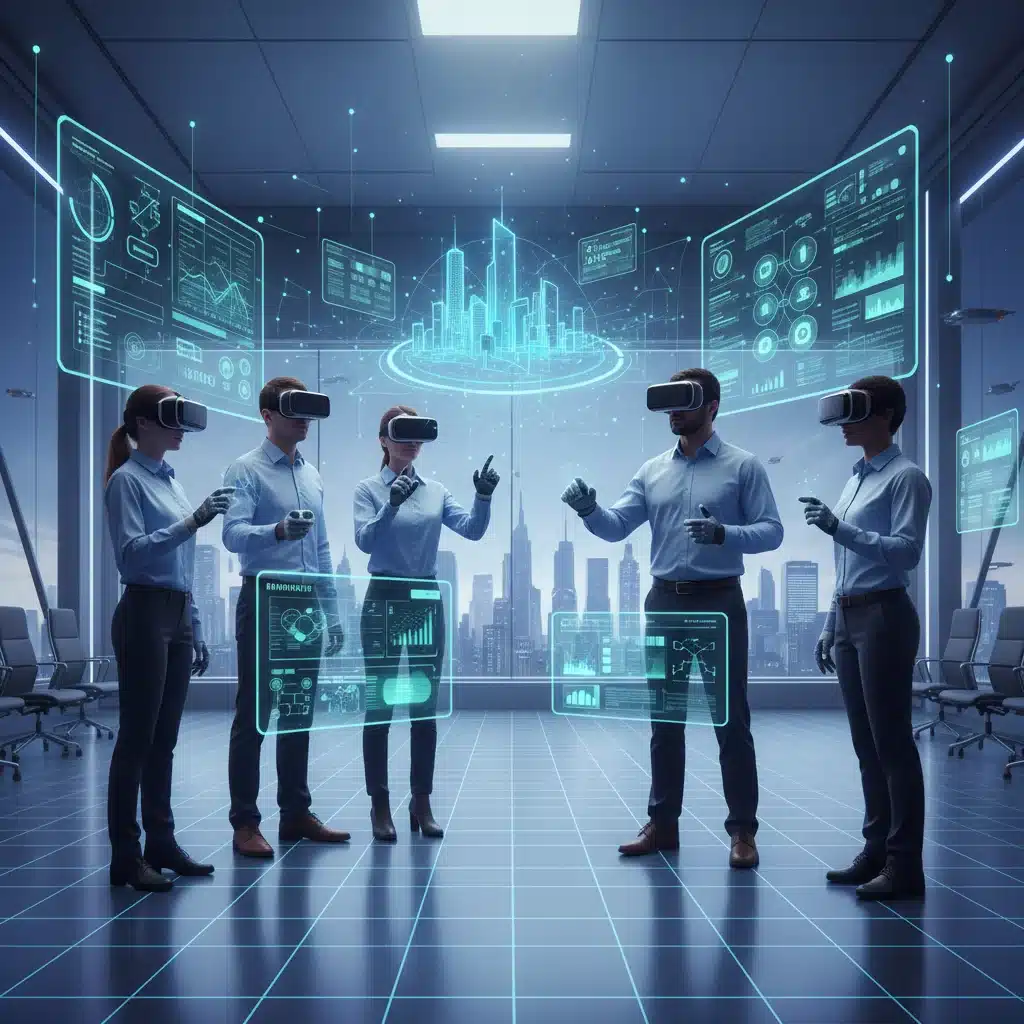
The shift to remote work has accelerated the need for better virtual collaboration tools. The metaverse provides an answer, offering persistent virtual offices, meeting rooms, and collaborative workspaces where teams can interact more naturally and effectively than with traditional video conferencing. This will redefine the future of work, fostering global collaboration and potentially reducing the need for physical commutes.
Navigating the Future: Strategies for Businesses and Individuals
To capitalize on the burgeoning Metaverse Economic Growth, both businesses and individuals need to adopt forward-thinking strategies.
For Businesses:
- Experiment and Innovate: Start by experimenting with metaverse platforms, understanding user behavior, and identifying opportunities for brand presence, product launches, or customer engagement.
- Build Digital Assets: Invest in creating unique digital assets, NFTs, and virtual experiences that align with your brand and resonate with metaverse users.
- Foster Community: The metaverse thrives on community. Brands should focus on building engaged communities around their virtual offerings, leveraging social interaction and co-creation.
- Strategic Partnerships: Collaborate with metaverse platform developers, content creators, and other brands to expand reach and create synergistic experiences.
- Prioritize Security and Ethics: As you enter the metaverse, ensure robust security measures for digital assets and user data, and adhere to ethical guidelines for user interaction and content.
For Individuals:
- Educate Yourself: Stay informed about the latest developments in metaverse technology, platforms, and economic models.
- Explore and Participate: Engage with various metaverse platforms, create avatars, and explore the different experiences available to understand the dynamics firsthand.
- Develop Digital Skills: Skills in 3D design, game development, blockchain programming, and content creation will be highly valuable in the metaverse economy.
- Consider Digital Ownership: Explore opportunities in digital asset ownership (NFTs) and virtual real estate, but proceed with caution and thorough research, recognizing the inherent risks.
- Network and Collaborate: Connect with other metaverse enthusiasts, creators, and professionals to share knowledge and explore collaborative opportunities.
The Road Ahead: Sustaining Metaverse Economic Growth
The journey to a fully realized metaverse is long and complex, but the current trajectory of Metaverse Economic Growth is undeniable. The projection of a $500 billion market by late 2026 is a strong indicator of the significant investment, innovation, and user adoption already underway. This growth will be fueled by ongoing technological advancements, increasing interoperability between platforms, and the continuous expansion of use cases beyond entertainment into enterprise, education, and social interaction.
The metaverse is not a singular destination but an evolving ecosystem. Its success hinges on collaboration between tech giants, independent developers, content creators, and, most importantly, its users. As the lines between our physical and digital lives continue to blur, the metaverse stands as a testament to human ingenuity and our ever-present desire for connection, creation, and commerce in new and exciting dimensions. Embracing this future, understanding its complexities, and strategically positioning ourselves within its unfolding narrative will be key to unlocking the full potential of this next digital frontier.
The coming years will undoubtedly bring further breakthroughs and challenges, but the foundational elements are in place for the metaverse to become a central pillar of the global economy. As we move closer to 2026, the $500 billion valuation will likely serve as a milestone, not a ceiling, for what promises to be one of the most transformative economic shifts of our generation. The metaverse is not just coming; it’s already here, building momentum and inviting us all to participate in its creation and its prosperity.