Cultural Literacy in American Schools: 2026 Diversity Initiatives
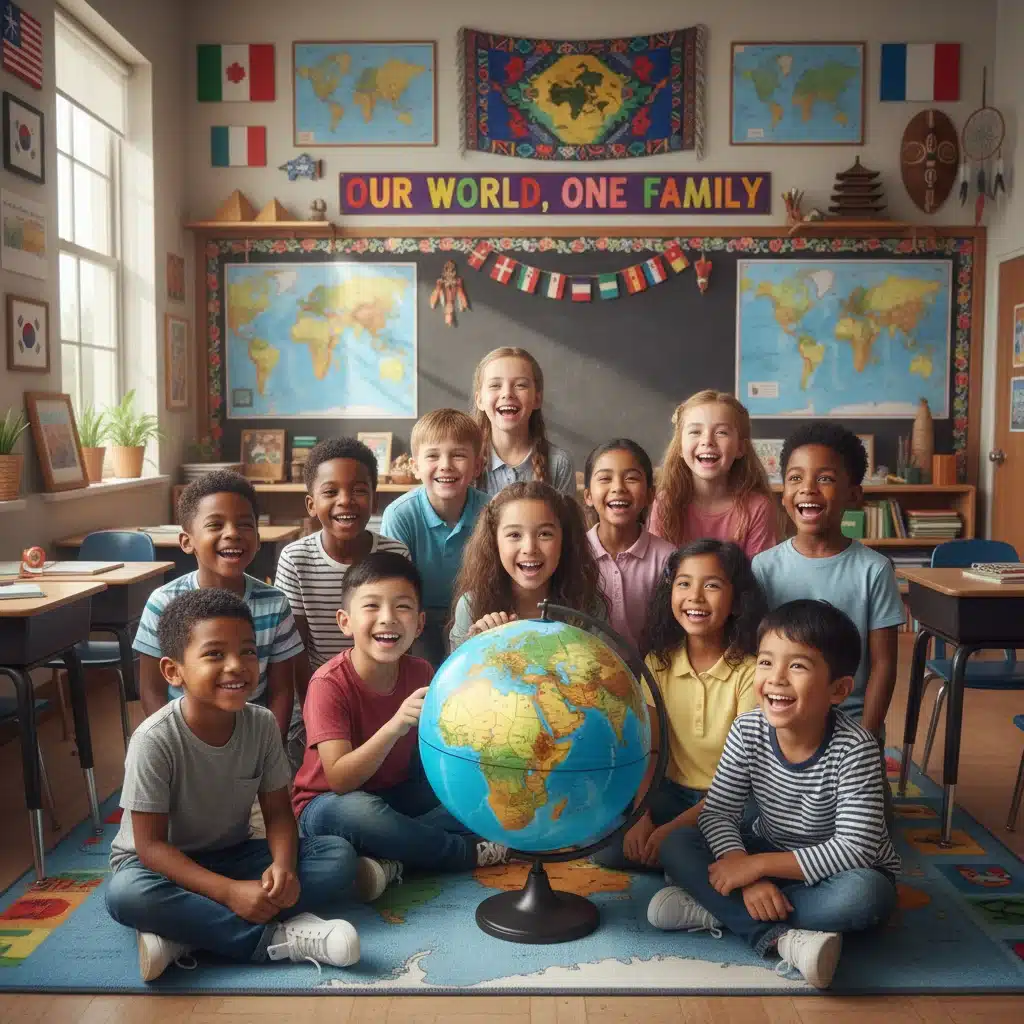
In an increasingly interconnected world, the ability to understand, appreciate, and interact effectively with people from diverse cultural backgrounds is no longer merely an advantage but a fundamental necessity. This crucial skill, known as cultural literacy education, has become a cornerstone of modern educational policy, particularly within American schools. As we approach 2026, the landscape of education is witnessing significant transformations, driven by a renewed commitment to fostering diversity, equity, and inclusion. These updates reflect a growing recognition that preparing students for a globalized society requires more than just academic proficiency; it demands a deep understanding of varied perspectives, histories, and traditions.
The United States, a melting pot of cultures, faces a unique challenge and opportunity in cultivating cultural literacy education. Its diverse population offers a rich tapestry of experiences that, if properly integrated into the educational system, can empower students to become more empathetic, critical thinkers, and effective global citizens. This article delves into the recent initiatives and updates specifically targeting cultural literacy and diversity in American schools, outlining the strategies being implemented, the challenges encountered, and the projected impact on future generations. We will explore how these programs are designed to move beyond superficial acknowledgments of diversity, aiming instead for profound, systemic changes that embed cultural understanding into the very fabric of learning.
The Imperative of Cultural Literacy in a Globalized World
The world of 2026 is one characterized by rapid information exchange, intricate global supply chains, and increasingly complex international relations. In such an environment, parochial views and ethnocentric biases can hinder progress and foster misunderstanding. Cultural literacy education equips students with the tools to navigate this complexity. It involves not just knowledge of different cultures, but also the critical thinking skills to analyze cultural phenomena, the empathy to understand diverse viewpoints, and the communication skills to bridge cultural divides. Without a robust foundation in cultural literacy, students risk being unprepared for the demands of higher education, the modern workforce, and active participation in a diverse democracy.
The push for enhanced cultural literacy education is also a response to historical shortcomings in educational systems that often prioritized a dominant cultural narrative, inadvertently marginalizing other voices and experiences. Rectifying these imbalances is not just about fairness; it’s about providing a more accurate, comprehensive, and enriching educational experience for all students. By exposing students to a broader range of perspectives, schools can foster a more inclusive learning environment where every student feels seen, valued, and understood, thereby improving engagement and academic outcomes.
Redefining Diversity: Beyond Surface-Level Recognition
Historically, diversity initiatives sometimes focused on superficial representations, such as celebrating holidays or showcasing ethnic foods. While these aspects have their place, the current movement in cultural literacy education aims for a deeper, more integrated approach. This involves embedding diverse perspectives into core curricula, challenging stereotypes, and promoting critical self-reflection about one’s own cultural lens. It means understanding the historical contexts that have shaped different cultures, acknowledging power dynamics, and addressing issues of social justice and equity. The goal is to cultivate a sustained, nuanced understanding of diversity that transcends tokenism and leads to genuine cross-cultural competence.
Key Educational Initiatives Promoting Cultural Literacy by 2026
Several significant initiatives are shaping the future of cultural literacy education in American schools. These efforts are multifaceted, encompassing curriculum reform, professional development for educators, and community engagement. They are often driven by a combination of federal guidelines, state mandates, and local school district commitments, reflecting a broad consensus on the importance of this educational objective.
1. Curriculum Integration and Redesign
One of the most impactful areas of reform is the integration of cultural literacy themes across all subjects, not just history or social studies. By 2026, many school districts are implementing curricula that weave diverse perspectives into literature, science, mathematics, and even physical education. For instance, literature classes are expanding their canons to include a wider array of voices from different cultures and backgrounds. Science classes might explore the contributions of scientists from various civilizations, challenging the traditional Eurocentric narrative. Math problems can be contextualized with real-world scenarios from diverse communities, making them more relevant and engaging for all students.
This comprehensive integration ensures that cultural literacy education is not treated as an add-on but as an intrinsic component of a well-rounded education. It encourages students to see the world through multiple lenses, fostering a more holistic understanding of knowledge and its origins. The development of these new curricula often involves collaboration between educators, cultural experts, and community members to ensure authenticity and relevance.
2. Culturally Responsive Teaching Practices
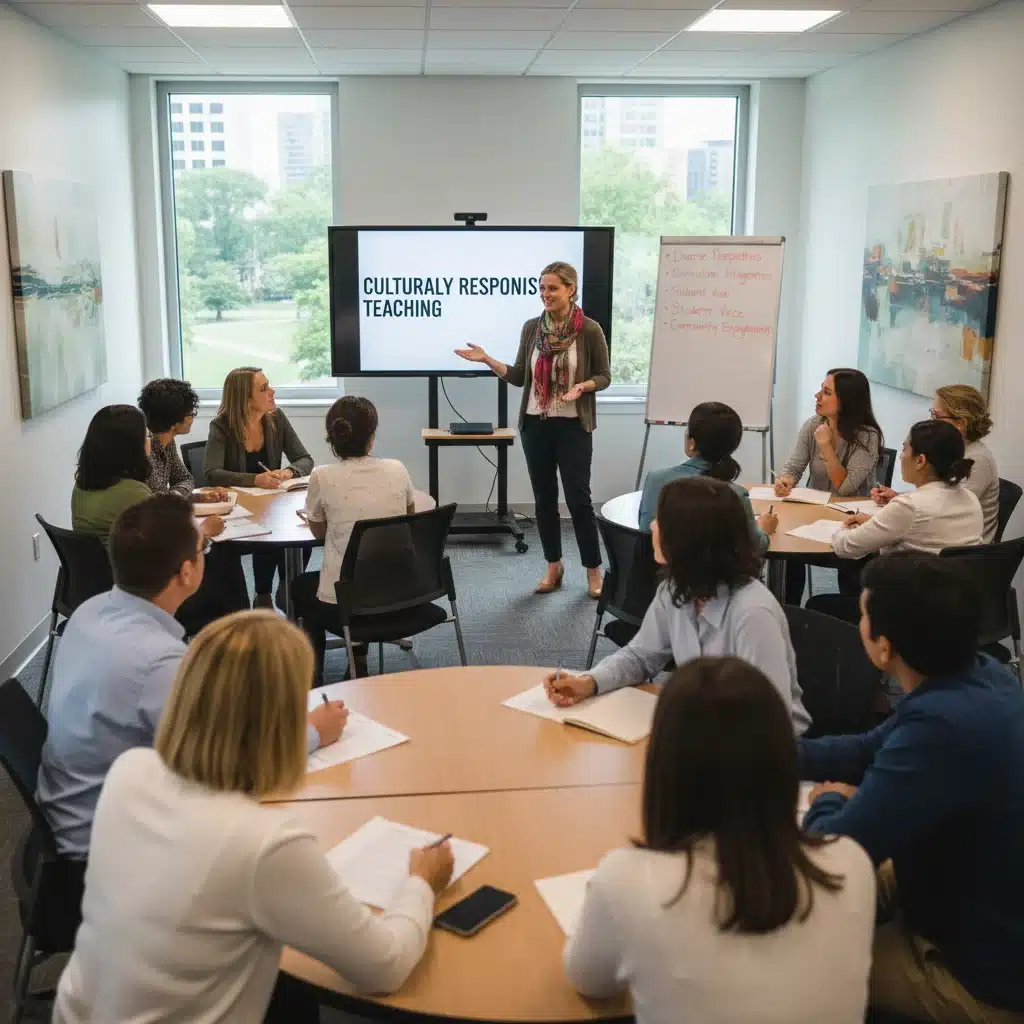
A crucial aspect of promoting cultural literacy education is equipping teachers with the skills and knowledge to implement culturally responsive teaching (CRT) practices. CRT acknowledges the importance of including students’ cultural references in all aspects of learning. This means understanding students’ backgrounds, communication styles, and learning preferences, and adapting teaching methods accordingly. By 2026, there’s a significant push for mandatory professional development programs focused on CRT for all educators.
These programs aim to help teachers recognize and challenge their own biases, develop culturally relevant instructional materials, and create inclusive classroom environments where all students feel empowered to learn and contribute. The goal is to move away from a one-size-fits-all approach to education, embracing the idea that effective teaching must be responsive to the diverse cultural assets that students bring to the classroom. This shift in pedagogical approach is vital for ensuring that cultural literacy initiatives translate into meaningful learning experiences for every student.
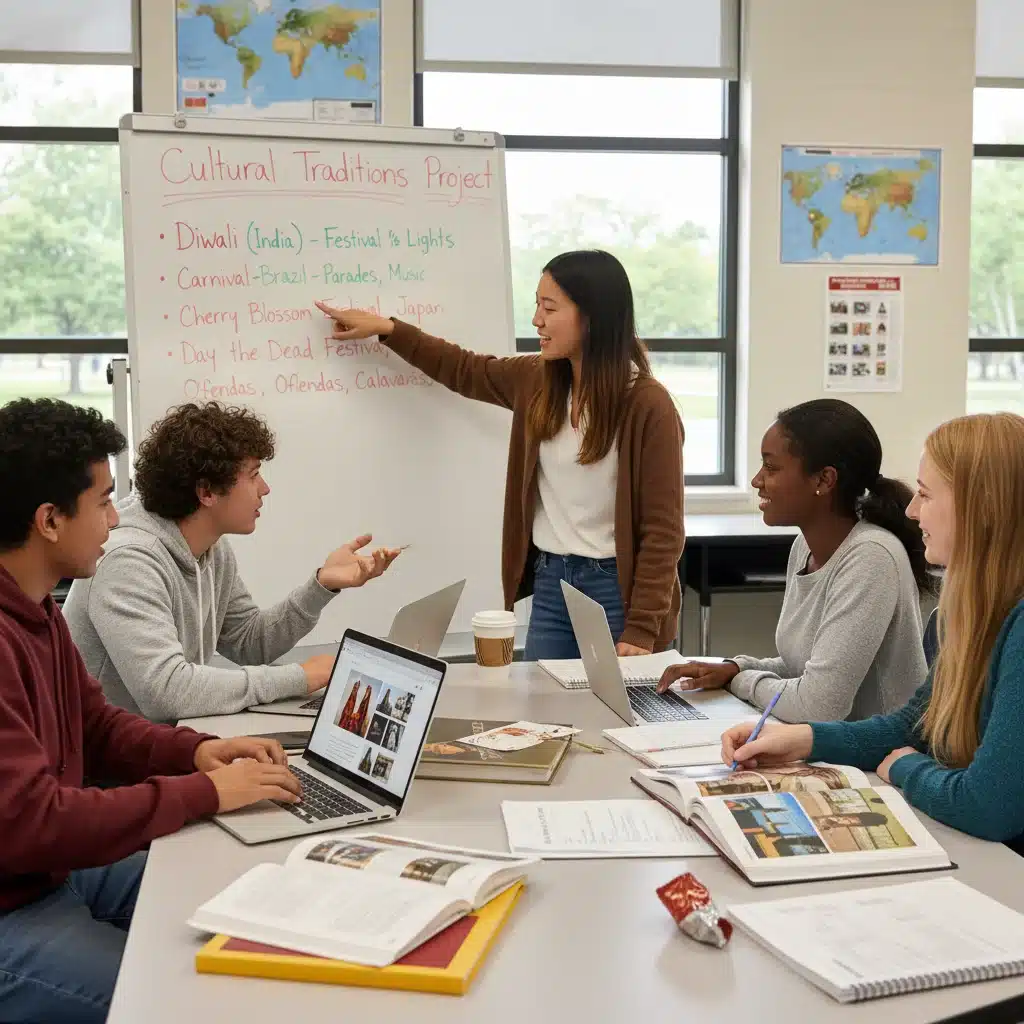
3. Emphasis on Global Competence Frameworks
Many states and districts are adopting or adapting global competence frameworks as part of their cultural literacy education efforts. These frameworks typically define the knowledge, skills, and dispositions necessary for students to thrive in an interconnected world. Key components often include:
- Investigating the World: Students are encouraged to examine local, global, and intercultural issues.
- Recognizing Perspectives: Developing an understanding and appreciation of different perspectives and worldviews.
- Communicating Ideas: Engaging in effective and respectful communication with diverse audiences.
- Taking Action: Translating understanding and perspective into appropriate action to improve conditions.
By integrating these frameworks, schools are providing a structured approach to developing cultural literacy, ensuring that students not only gain knowledge about different cultures but also develop the practical skills to engage with them constructively. This holistic approach makes cultural literacy education a dynamic and actionable learning process.
4. Technology and Digital Tools for Cross-Cultural Learning
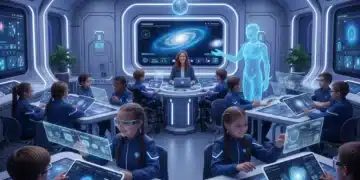
The advent of advanced technology plays a pivotal role in augmenting cultural literacy education. By 2026, many schools are leveraging digital tools to connect students with peers from different cultures, both domestically and internationally. Virtual exchange programs, video conferencing with classrooms in other countries, and collaborative online projects allow students to experience diverse perspectives firsthand without leaving their classrooms. Educational apps and platforms are also being developed that offer interactive modules on different cultures, languages, and global issues.
These technological innovations break down geographical barriers, making cross-cultural interactions more accessible and frequent. They provide authentic learning experiences that can deepen students’ understanding and appreciation of global diversity, reinforcing the objectives of cultural literacy education in a highly engaging manner. The digital age provides unprecedented opportunities to foster global connections and understanding.
Challenges and Opportunities in Implementation
While the commitment to enhancing cultural literacy education is strong, its implementation is not without challenges. These include securing adequate funding, providing ongoing professional development for educators, addressing potential resistance from various stakeholders, and developing robust assessment methods.
Funding and Resources
Implementing comprehensive cultural literacy programs requires significant investment in new curricula, materials, technology, and professional development. Ensuring sustained funding amidst competing educational priorities is a constant challenge. However, the long-term benefits of a culturally literate populace – including improved social cohesion, economic competitiveness, and diplomatic capacity – often outweigh the initial costs. Advocacy for dedicated funding streams and grant opportunities is crucial for the success of these initiatives.
Teacher Preparedness and Professional Development
Many educators, while well-intentioned, may not have received extensive training in cultural literacy education during their own schooling. Providing effective and ongoing professional development is essential to equip them with the necessary skills, knowledge, and confidence to teach diverse perspectives. This development needs to go beyond one-off workshops, offering sustained support, mentorship, and opportunities for collaborative learning among teachers. Investing in educators is investing in the future of cultural literacy.
Addressing Resistance and Building Consensus
Discussions around diversity and cultural differences can sometimes be sensitive and may encounter resistance from various groups who fear that such initiatives might undermine traditional values or create division. Effective implementation of cultural literacy education requires transparent communication, community engagement, and a clear articulation of the benefits for all students. Building consensus involves demonstrating how cultural literacy enhances critical thinking, empathy, and readiness for a globalized world, rather than detracting from core academic subjects.
Measuring Impact and Assessment
Assessing the effectiveness of cultural literacy education is complex. Unlike traditional academic subjects, cultural literacy involves developing attitudes, dispositions, and interpersonal skills that are not easily quantified. Schools are exploring innovative assessment methods, including portfolios, project-based assessments, self-reflection journals, and observational rubrics, to gauge students’ growth in cultural competence. The focus is on measuring not just knowledge acquisition but also the development of empathy, critical awareness, and the ability to engage respectfully across cultural boundaries.
The Role of Community and Parental Engagement
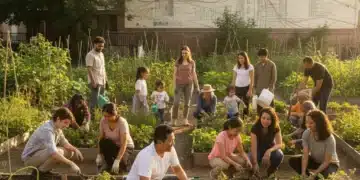
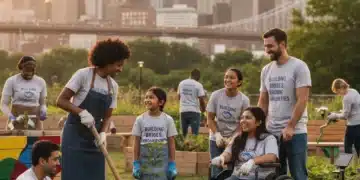
The success of cultural literacy education initiatives significantly hinges on strong partnerships between schools, families, and the wider community. Engaging parents and local cultural organizations can provide invaluable resources, perspectives, and support. Parent education programs can help families understand the importance of cultural literacy and how they can reinforce these values at home. Community members from diverse backgrounds can serve as guest speakers, mentors, or resources for project-based learning, offering authentic insights and experiences that enrich the curriculum.
Creating school environments that are welcoming and reflective of the community’s diversity encourages greater participation and buy-in. This collaborative approach ensures that cultural literacy education extends beyond the classroom walls, becoming a shared community value that supports students’ holistic development. When schools and communities work together, the impact on cultural understanding is profound and lasting.
Looking Ahead: The Future of Cultural Literacy Education in 2026 and Beyond
As we move past 2026, the commitment to cultural literacy education is expected to deepen and evolve. The ongoing demographic shifts in the United States, coupled with the increasing interconnectedness of the world, will only amplify the need for students to be culturally competent. Future developments may include:
- Personalized Cultural Learning Paths: Leveraging AI and adaptive learning technologies to create personalized experiences that cater to individual students’ cultural backgrounds and learning needs.
- Advanced Intercultural Communication Training: More explicit instruction in nuanced intercultural communication skills, including non-verbal cues, conflict resolution across cultures, and digital etiquette in a global context.
- Global Citizenship Projects: Increased opportunities for students to engage in real-world projects that address global challenges, requiring collaboration with peers from diverse international backgrounds.
- Longitudinal Studies on Impact: More robust research and data collection to demonstrate the long-term academic, social, and economic benefits of comprehensive cultural literacy programs.
The vision for cultural literacy education is not just about teaching facts about different cultures; it is about cultivating a mindset of openness, respect, and critical engagement with the world’s rich diversity. It is about preparing students to be active, informed, and compassionate participants in a complex and ever-changing global society. The initiatives taking shape in American schools by 2026 are laying a vital groundwork for this future, promising a generation of young people who are not only academically strong but also culturally astute and globally aware.
The journey towards universal cultural literacy is continuous, requiring ongoing adaptation, learning, and commitment. However, the progress being made in American schools is a testament to the understanding that investing in cultural literacy education is investing in a more peaceful, prosperous, and equitable future for all.