2026 Policy Shifts: Environmental Justice Initiatives Impact
The year 2026 is poised to be a pivotal moment for environmental justice, as a series of anticipated policy shifts are set to redefine how environmental burdens and benefits are distributed across communities. For decades, marginalized populations have disproportionately borne the brunt of pollution and environmental degradation, leading to significant health disparities and socio-economic challenges. The concept of environmental justice, which advocates for the fair treatment and meaningful involvement of all people regardless of race, color, national origin, or income with respect to the development, implementation, and enforcement of environmental laws, regulations, and policies, has gained considerable traction. However, the path to achieving true environmental equity remains long and arduous. These upcoming 2026 environmental justice policy changes are not merely incremental adjustments; they represent a potential paradigm shift in how governments, industries, and communities interact with environmental issues. Understanding these shifts is crucial for activists, policymakers, industry leaders, and affected communities alike, as they will undoubtedly shape the future landscape of environmental equity.
The roots of environmental injustice are deeply embedded in historical practices of redlining, discriminatory zoning, and the placement of polluting industries in low-income and minority neighborhoods. These practices have created a legacy of environmental racism that continues to manifest in higher rates of asthma, cancer, and other chronic diseases in these communities. The current legal and regulatory framework, while having made strides, often falls short in adequately addressing these systemic issues. This is where the 2026 environmental justice policy changes come into play, aiming to rectify these historical wrongs and establish a more equitable foundation for environmental protection. From enhanced regulatory enforcement to innovative funding mechanisms and expanded community participation mandates, these policies promise a more robust approach to environmental justice. However, the exact nature of their implementation and their ultimate effectiveness will depend on a complex interplay of political will, stakeholder engagement, and continuous oversight. This article delves into the specifics of these anticipated policy shifts, exploring their potential impact, the challenges they face, and what they mean for the future of environmental justice.
Understanding the Core Tenets of the 2026 Environmental Justice Policy Framework
The forthcoming 2026 environmental justice policy framework is built upon several foundational principles designed to address existing inequalities and prevent future injustices. One of the primary tenets is the principle of cumulative impact assessment. Historically, environmental regulations have often focused on individual sources of pollution, neglecting the combined and synergistic effects of multiple pollutants from various sources on a single community. This fragmented approach has allowed industries to operate in close proximity to vulnerable populations, leading to a compounding of environmental health risks. The new policies are expected to mandate comprehensive cumulative impact assessments, requiring regulators to consider the total burden of pollution on a community before permitting new facilities or expanding existing ones. This shift represents a significant departure from previous practices and holds the potential to significantly reduce the environmental load on overburdened communities. By taking a holistic view of environmental stressors, the policy aims to provide a more accurate picture of the risks faced by residents and to inform more protective regulatory decisions.
Another crucial element of the 2026 environmental justice policy is the emphasis on proactive engagement and meaningful participation of affected communities. Past environmental decisions have often been made without adequate input from the very people most impacted. The new framework is anticipated to strengthen requirements for community involvement in all stages of environmental decision-making, from policy formulation to permit review and enforcement. This includes providing accessible information, offering technical assistance to community groups, and ensuring that public comments are not just heard but genuinely considered and integrated into policy outcomes. Empowering communities to be active participants in shaping their environmental future is central to achieving environmental justice. This means moving beyond tokenistic gestures of public consultation to genuine co-creation of solutions, ensuring that local knowledge and lived experiences are valued and incorporated into environmental governance. The policy also seeks to address language barriers and cultural differences that have historically excluded certain groups from participating effectively in environmental processes, striving for truly inclusive engagement.
Furthermore, the 2026 environmental justice policy framework is expected to introduce stricter enforcement mechanisms and accountability measures. While existing laws provide a basis for environmental protection, their enforcement has often been inconsistent, particularly in environmental justice communities. The new policies are likely to allocate additional resources for enforcement agencies to target areas with persistent environmental violations and to impose more significant penalties on polluters. This includes exploring restorative justice approaches, where remedies for environmental harm go beyond fines and include investments in community health and environmental restoration projects. The goal is not just to punish violations but to incentivize compliance and to ensure that communities directly benefit from efforts to remediate past harms. This focus on robust enforcement is critical to ensuring that the policy shifts translate into tangible improvements on the ground, holding polluters accountable and providing redress for affected communities. The policy will also likely emphasize data collection and transparency, making information about pollution sources and environmental health disparities more readily available to the public, fostering greater accountability from all stakeholders.
Key Regulatory Changes and Their Implications
The specific regulatory changes forming the backbone of the 2026 environmental justice policy are extensive and multifaceted. One significant area of reform is expected to be in air quality regulations. Many environmental justice communities are located near industrial facilities and major transportation corridors, exposing them to high levels of particulate matter, ozone, and other hazardous air pollutants. The new policies may introduce tighter emission standards for certain industries, particularly those identified as major contributors to air pollution in vulnerable areas. Additionally, there could be a push for more widespread deployment of air quality monitoring systems in environmental justice communities, providing real-time data that can inform community action and regulatory responses. This enhanced monitoring is crucial for identifying pollution hotspots and for holding polluters accountable for their emissions, moving beyond infrequent, generalized monitoring to targeted, community-specific data collection. These changes aim to directly improve public health outcomes by reducing exposure to harmful airborne contaminants and ensuring that the air quality in all neighborhoods meets health protective standards.
Water quality is another critical focus of the 2026 environmental justice policy. Many environmental justice communities face challenges related to contaminated drinking water, inadequate wastewater infrastructure, and exposure to pollutants in local waterways. The upcoming policies are anticipated to strengthen regulations concerning industrial discharges into water bodies, enhance monitoring of drinking water quality, and prioritize investments in water infrastructure upgrades in underserved areas. This includes addressing issues such as lead service lines, which disproportionately affect older, lower-income communities, and ensuring equitable access to clean, safe, and affordable drinking water. The policy might also include provisions for addressing agricultural runoff and other non-point source pollution, which often impacts rural environmental justice communities. By focusing on both source reduction and infrastructure improvements, the goal is to ensure that all communities have access to clean and reliable water resources, a fundamental human right that has often been denied to marginalized populations.
Furthermore, the 2026 environmental justice policy is expected to introduce reforms related to hazardous waste management and remediation. Environmental justice communities are often disproportionately burdened by the proximity of hazardous waste sites, landfills, and toxic waste incinerators. The new policies may establish stricter siting criteria for such facilities, requiring more rigorous environmental impact assessments and mandating greater consideration of cumulative impacts on surrounding communities. There could also be increased funding and expedited processes for the cleanup of contaminated sites, particularly in environmental justice areas, with a focus on community-led remediation efforts. This proactive approach to hazardous waste aims to prevent future injustices and to accelerate the cleanup of existing contaminated sites, thereby reducing exposure to harmful substances and promoting community revitalization. These reforms will also likely emphasize transparent communication during cleanup processes, ensuring that communities are fully informed and involved in decisions that directly affect their health and safety.

Community Engagement and Empowerment: A New Paradigm
A cornerstone of the anticipated 2026 environmental justice policy is the profound shift towards genuine community engagement and empowerment. Recognizing that top-down approaches have often failed to adequately address the unique needs and concerns of environmental justice communities, the new framework aims to embed community voices at every level of environmental decision-making. This goes beyond mere consultation; it envisions a collaborative model where communities are co-creators of solutions. For instance, new regulations might mandate the establishment of community advisory boards with real decision-making power for major industrial projects or environmental remediation efforts. These boards would be composed of local residents, ensuring that their lived experiences and priorities directly influence policy outcomes. Such a shift acknowledges that those closest to the problems often have the most innovative and effective solutions, and their inclusion is not just ethical but also leads to more sustainable and equitable environmental governance. The policy will likely provide resources for capacity building within these communities, enabling them to effectively participate and advocate for their interests.
Moreover, the 2026 environmental justice policy is expected to expand access to technical assistance and legal aid for environmental justice communities. Historically, these communities have often lacked the resources to effectively challenge polluting industries or navigate complex environmental regulations. The new policies could establish dedicated funding streams for community organizations to hire independent scientists, legal experts, and technical consultants. This would level the playing field, enabling communities to conduct their own research, understand complex environmental data, and present compelling arguments during regulatory processes. This technical and legal support is vital for ensuring that communities can meaningfully participate and advocate for their rights, transforming them from passive recipients of environmental decisions into powerful agents of change. The policy aims to dismantle barriers to participation, ensuring that lack of resources is no longer an impediment to environmental justice.
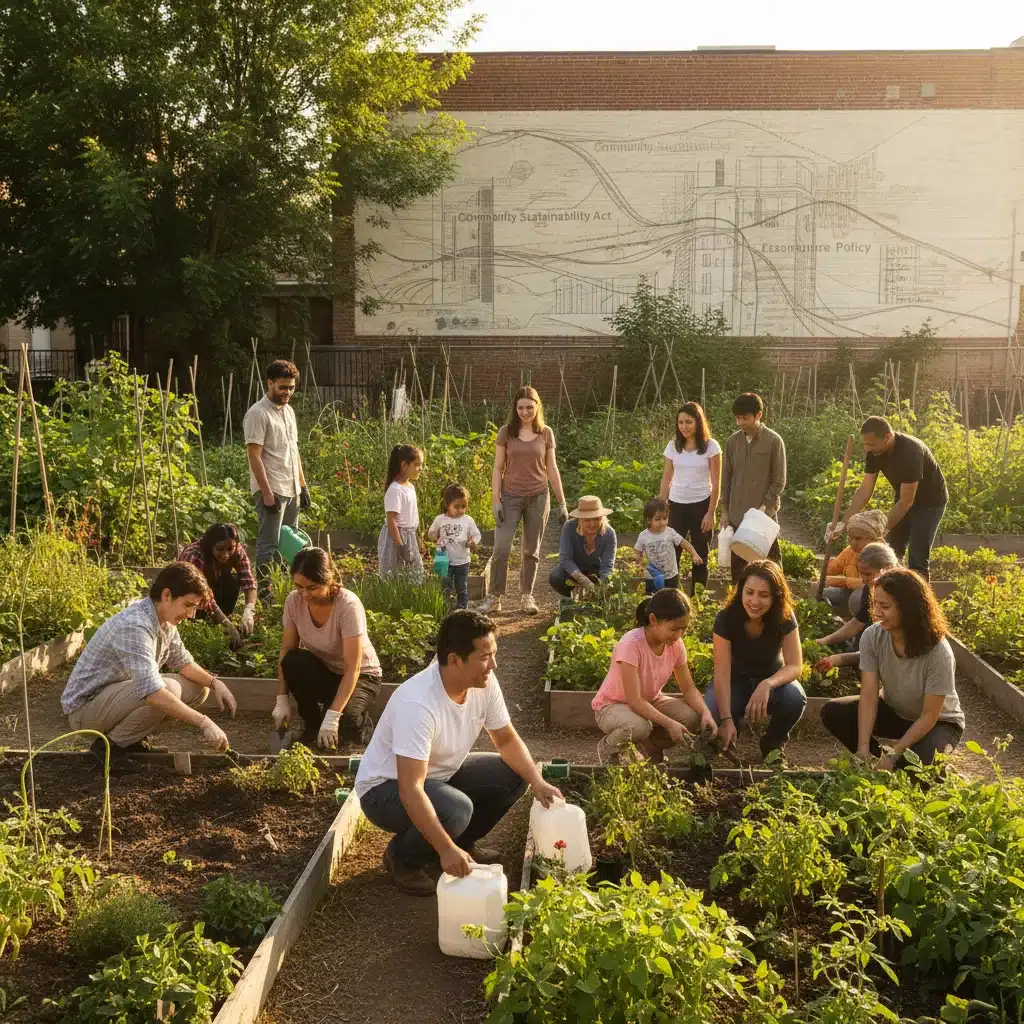
Another innovative aspect of the community engagement paradigm under the 2026 environmental justice policy is the potential for participatory budgeting in environmental projects. This would allow communities to directly allocate a portion of environmental protection funds to projects they deem most critical for their health and well-being. Whether it’s investing in green infrastructure, community gardens, air quality monitors, or job training programs for green industries, participatory budgeting would empower residents to prioritize solutions that best address their specific environmental challenges. This direct allocation of resources fosters a sense of ownership and ensures that investments are truly responsive to local needs, moving away from one-size-fits-all solutions. This approach not only promotes equity but also builds trust between government agencies and communities, laying the groundwork for long-term collaborative relationships and more effective environmental action. The policy could also support community-led monitoring programs, where residents are trained to collect and analyze environmental data, further empowering them to identify and address local pollution issues.
Economic Implications and Green Job Creation
The 2026 environmental justice policy is not solely focused on regulatory enforcement and community protection; it also carries significant economic implications, particularly in the realm of green job creation. As industries are compelled to adopt cleaner technologies and more sustainable practices, there will be a growing demand for a skilled workforce to implement these changes. The new policies are expected to include provisions for targeted investments in job training programs within environmental justice communities, preparing residents for careers in renewable energy, energy efficiency, sustainable agriculture, and environmental remediation. This focus on a just transition ensures that as polluting industries decline or transform, the affected communities are not left behind but are instead positioned to thrive in the emerging green economy. These programs will likely include partnerships with local educational institutions and businesses to create clear pathways to employment.
Furthermore, the emphasis on local environmental remediation and infrastructure upgrades under the 2026 environmental justice policy will generate numerous local employment opportunities. Cleaning up contaminated sites, upgrading water infrastructure, and developing green spaces require significant labor, much of which can be sourced from within the affected communities. This creates a virtuous cycle where environmental improvements lead to economic revitalization, reducing unemployment and fostering local economic resilience. The policies may also incentivize businesses to locate or expand their operations in environmental justice communities, provided they adhere to the highest environmental standards and offer good-paying jobs with benefits. This strategic economic development aims to reverse decades of disinvestment and create vibrant, healthy, and economically prosperous communities. The policy will also likely encourage the development of local, small businesses focused on environmental solutions, further boosting local economies.
The economic benefits extend beyond direct job creation. Improved environmental health in environmental justice communities can lead to reduced healthcare costs, increased productivity, and enhanced property values. When communities are free from the burden of chronic illnesses linked to pollution, residents are healthier, more productive, and able to participate more fully in the economy. The 2026 environmental justice policy recognizes these broader economic linkages, viewing environmental protection not as a cost but as an investment in human capital and long-term economic stability. By fostering healthier environments, the policy contributes to a stronger, more equitable economy for all. This holistic approach ensures that the benefits of environmental justice are not just ecological but also economic and social, creating a more resilient and prosperous society. The policy could also explore innovative financing mechanisms, such as green bonds, to fund these economic development and environmental cleanup initiatives.
Challenges and the Road Ahead for 2026 Environmental Justice Policy
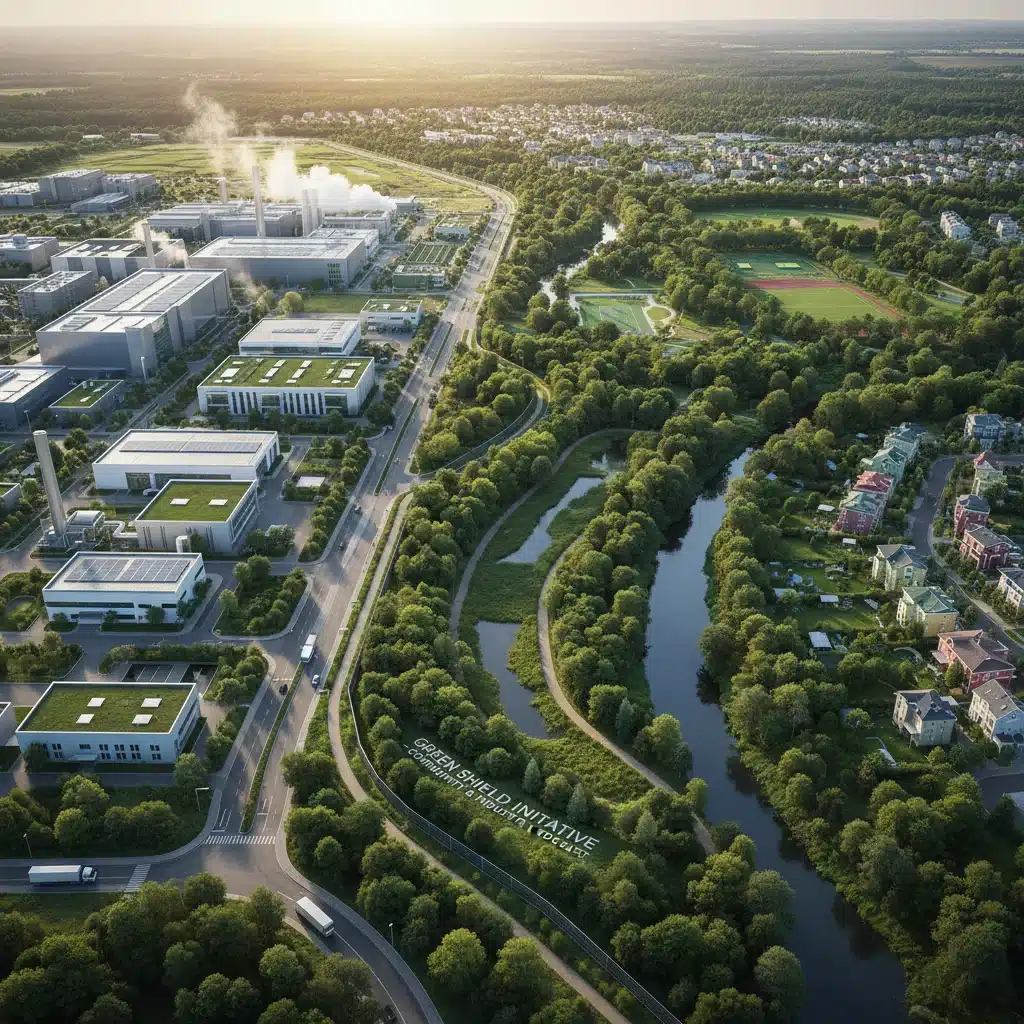
Despite the ambitious goals of the 2026 environmental justice policy, the road ahead is fraught with challenges. One of the primary hurdles will be overcoming political resistance from industries that may view stricter regulations as an undue burden. Lobbying efforts from powerful corporations could attempt to dilute the intent and scope of these policies, making robust advocacy from environmental justice organizations and their allies essential. Ensuring consistent and equitable enforcement across all jurisdictions will also be a significant challenge, requiring sustained political will and adequate funding for regulatory agencies. The success of these policies will depend on the ability of government bodies to resist undue influence and prioritize the health and well-being of vulnerable communities over corporate profits. This will require strong leadership and a commitment to the principles of justice and equity, even in the face of significant opposition.
Another critical challenge lies in the effective implementation of cumulative impact assessments. Developing scientifically sound methodologies for quantifying cumulative impacts and integrating them into permitting decisions is complex and requires significant technical expertise. Ensuring that these assessments are transparent, accessible, and truly reflective of community experiences will be crucial. There’s also the risk that without proper oversight, these assessments could become bureaucratic hurdles rather than effective tools for protection. The 2026 environmental justice policy will need to provide clear guidelines and support for agencies to develop robust and defensible cumulative impact assessment frameworks that genuinely protect communities. Furthermore, addressing data gaps in environmental health and exposure in many environmental justice communities will be essential for accurate assessments, requiring significant investment in research and monitoring infrastructure.
Finally, achieving genuine community empowerment requires a sustained commitment to capacity building and trust-building. Decades of neglect and disenfranchisement have eroded trust between government institutions and environmental justice communities. The 2026 environmental justice policy must go beyond mandates and actively foster genuine partnerships, providing the resources and platforms necessary for communities to effectively participate and lead. This includes addressing historical grievances, ensuring cultural competency among government officials, and investing in long-term relationships rather than short-term initiatives. Without this foundational trust and empowerment, even the best-intentioned policies may fail to achieve their desired impact. The policy must recognize that environmental justice is not a one-time fix but an ongoing process that requires continuous engagement, adaptation, and a deep commitment to equity and human rights.
In conclusion, the anticipated 2026 environmental justice policy shifts represent a critical juncture in the ongoing struggle for environmental equity. While the challenges are significant, the potential for transformative change is immense. By prioritizing cumulative impact assessments, fostering genuine community engagement, strengthening regulatory enforcement, and promoting green economic development, these policies offer a pathway towards a more just and sustainable future. The success of these initiatives will ultimately depend on the collective commitment of governments, industries, and communities to uphold the principles of environmental justice and to ensure that the benefits of a healthy environment are truly accessible to all, regardless of their socio-economic status or racial background. It is a moment for renewed hope and determined action, a chance to right historical wrongs and build a legacy of environmental fairness for generations to come. The implementation of these policies will be a testament to our collective will to create a world where environmental justice is not just an aspiration but a lived reality for every community.