Bridging the Digital Divide: 2026 Literacy Initiatives
How Digital Literacy Initiatives in 2026 Are Bridging the Tech Gap for 5 Million Americans
In an increasingly interconnected world, digital proficiency is no longer a luxury but a fundamental necessity. Access to information, employment opportunities, education, and essential services are all inextricably linked to one’s ability to navigate the digital landscape. However, a significant portion of the American population still faces barriers to digital inclusion, creating a ‘tech gap’ that exacerbates existing inequalities. As we move further into the 21st century, the urgency to address this disparity has grown exponentially. This is where the pivotal role of digital literacy initiatives comes into play.
The year 2026 marks a critical juncture in the ongoing efforts to close this digital divide. Ambitious and comprehensive digital literacy initiatives have been launched and expanded across the United States, targeting an impressive goal: empowering 5 million Americans with the essential digital skills they need to thrive. This article delves into the strategies, successes, and future outlook of these transformative programs, highlighting how they are reshaping communities and fostering a more equitable digital future.
Understanding the Digital Divide in 2026
Before exploring the solutions, it’s crucial to understand the multifaceted nature of the digital divide as it stands in 2026. This isn’t merely about internet access, although that remains a significant component. It encompasses a broader spectrum of challenges, including:
- Access to Devices: Many individuals and families still lack reliable access to computers, laptops, or even smartphones, making consistent digital engagement difficult.
- Affordability: The cost of internet service and digital devices can be prohibitive for low-income households.
- Digital Skills Gap: Even with access, a lack of fundamental digital skills – from basic computer operation to online safety and critical evaluation of information – prevents full participation.
- Motivation and Confidence: Some individuals, particularly older adults or those with limited prior exposure, may feel intimidated by technology, lacking the motivation or confidence to learn.
- Language and Cultural Barriers: For immigrant communities and non-English speakers, language barriers in digital content and training materials can create additional hurdles.
- Disability Access: Individuals with disabilities often face specific challenges related to accessible technology and adaptive training methods.
The consequences of this divide are far-reaching, affecting economic mobility, educational attainment, health outcomes, and civic engagement. Individuals without adequate digital literacy are at a disadvantage in the job market, struggle to access telehealth services, find it harder to assist their children with online schooling, and may be more susceptible to misinformation online. Recognizing these profound impacts, the digital literacy initiatives of 2026 have been strategically designed to tackle these barriers head-on.
The 2026 Vision: A Coordinated National Effort
The current wave of digital literacy initiatives is characterized by an unprecedented level of coordination between federal, state, and local governments, non-profit organizations, educational institutions, and private sector companies. This multi-stakeholder approach ensures that resources are effectively deployed and programs are tailored to the specific needs of diverse communities across the nation. The overarching vision for 2026 is to achieve a significant reduction in the digital skills gap, fostering a more inclusive and productive society.
Key Pillars of the 2026 Initiatives:
- Universal Broadband Access & Affordability: While not strictly a digital literacy program, expanding reliable and affordable broadband internet access is the foundational element. Government subsidies and partnerships with internet service providers (ISPs) are making significant strides in reaching underserved rural and urban areas, and offering low-cost internet plans to eligible households.
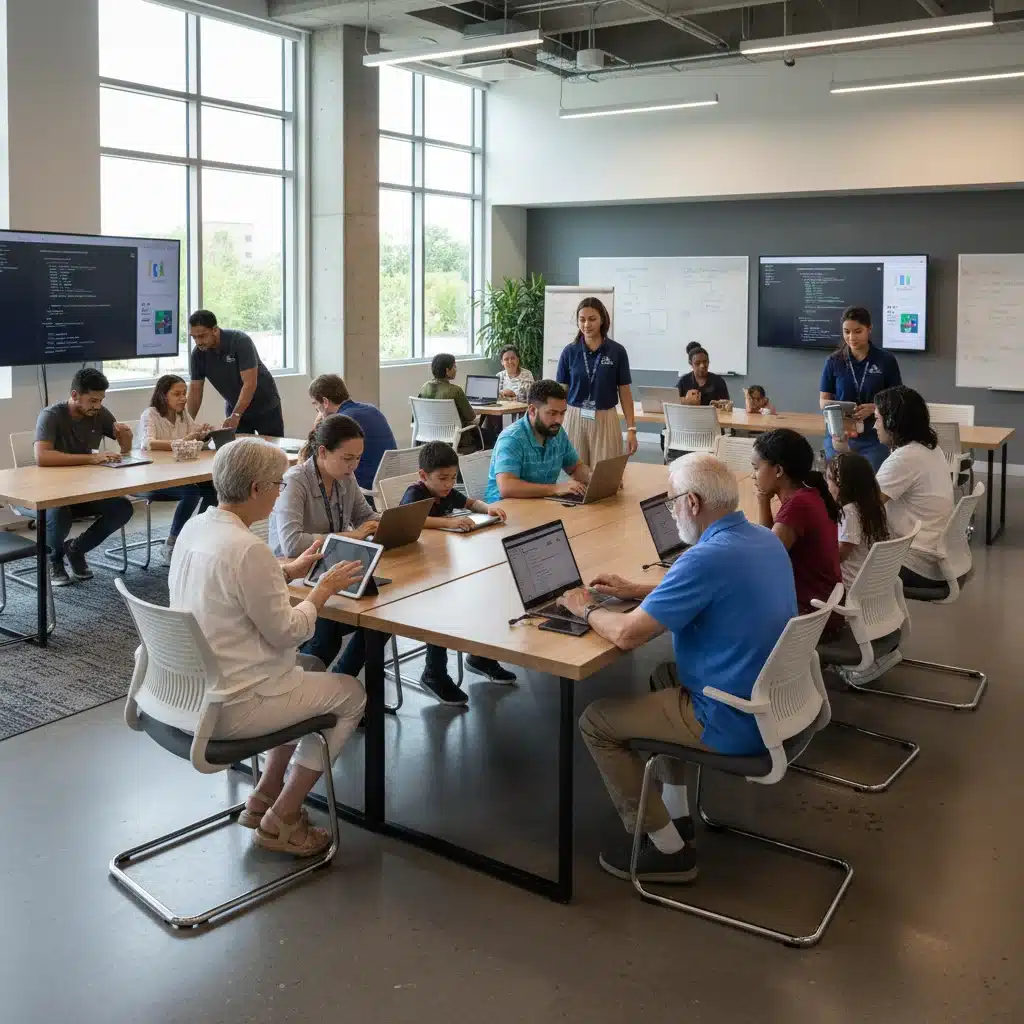
- Community-Based Learning Hubs: Libraries, community centers, schools, and even faith-based organizations have been transformed into digital learning hubs. These centers provide free access to computers, high-speed internet, and, critically, trained instructors who offer in-person guidance and support.
- Tailored Curriculum Development: Recognizing that ‘one size fits all’ does not work, curricula have been developed to cater to various demographics. This includes specialized programs for seniors focusing on communication and online safety, workforce development courses for job seekers, and digital citizenship modules for youth.
- Train-the-Trainer Programs: To scale efforts rapidly, significant investment has gone into training local community leaders, educators, and volunteers to become digital literacy instructors themselves. This creates a sustainable model for ongoing support within communities.
- Device Provisioning and Refurbishment: Programs are actively distributing refurbished laptops and tablets to low-income families and individuals, often bundled with free or subsidized internet access and basic training. Partnerships with tech companies are vital in this area.
- Multilingual and Accessible Resources: A concerted effort has been made to ensure that all training materials, online platforms, and support services are available in multiple languages and are accessible to individuals with disabilities, adhering to universal design principles.
- Public Awareness Campaigns: National and local campaigns are raising awareness about the importance of digital literacy and the availability of free resources, helping to overcome reluctance and encourage participation.
Impactful Strategies in Action: Bridging the Gap
The success of the 2026 digital literacy initiatives can be attributed to several innovative and community-centric strategies that have been implemented across the country. These strategies go beyond mere instruction, aiming to build confidence and integrate digital skills into daily life.
Targeted Outreach and Engagement
Reaching the most underserved populations requires proactive and empathetic outreach. Mobile digital literacy labs, often vans equipped with computers and internet access, travel to remote rural areas and urban neighborhoods, bringing training directly to residents. Community navigators, often bilingual and culturally competent, work within their communities to identify individuals who could benefit from these programs and guide them through the enrollment process. This personalized approach has proven far more effective than generic advertisements.
Practical, Project-Based Learning
Instead of abstract lessons, the digital literacy initiatives emphasize practical, project-based learning. For example, seniors might learn to video call their grandchildren, manage online medical appointments, or safely shop online. Job seekers learn to create digital resumes, search for jobs on professional platforms, and participate in virtual interviews. Small business owners learn about e-commerce, digital marketing, and managing online finances. This immediate applicability makes learning more engaging and relevant.

Intergenerational and Peer-to-Peer Mentorship
Many programs have successfully integrated intergenerational learning models, where younger, digitally native individuals mentor older adults. This not only transfers skills but also fosters community bonds and mutual respect. Similarly, peer-to-peer learning groups allow participants to learn from and support each other, building a network of digital assistance within their communities. This collaborative environment reduces feelings of isolation and intimidation, which are common barriers to learning new technologies.
Partnerships with Employers and Educational Institutions
To ensure that digital skills translate into tangible opportunities, many digital literacy initiatives have forged strong partnerships with local employers and educational institutions. Employers provide insights into the most in-demand digital skills, allowing curricula to be continuously updated. Some even offer internships or direct hiring pathways for program graduates. Community colleges and vocational schools offer advanced training modules, creating clear pathways for individuals to further their digital education and pursue careers in tech-related fields.
Success Stories: 5 Million Americans and Counting
The impact of these 2026 digital literacy initiatives is already profound and quantifiable. Initial reports indicate that millions of Americans have significantly improved their digital capabilities, leading to measurable positive outcomes:
- Increased Economic Opportunities: Thousands of individuals have secured new jobs or advanced in their careers due to enhanced digital skills. Small businesses, previously limited by their lack of online presence, are now reaching wider customer bases.
- Improved Access to Essential Services: More Americans are confidently managing their healthcare online, accessing government benefits, and engaging in online banking, leading to greater efficiency and convenience.
- Enhanced Educational Attainment: Students and parents are better equipped to utilize online learning platforms, access educational resources, and communicate effectively with schools, contributing to improved academic performance.
- Greater Civic Engagement: A digitally literate populace is better informed, more capable of discerning credible information, and more likely to participate in democratic processes, from online voting registration to engaging with local government.
- Reduced Social Isolation: For many, especially seniors, digital literacy has opened up new avenues for social connection, allowing them to communicate with family and friends, join online communities, and engage in hobbies.
Consider the story of Maria, a 62-year-old grandmother from rural Alabama. Before the 2026 initiatives, she relied on her children to help her with anything digital. Through a mobile digital literacy lab that visited her town, she learned how to use a tablet, set up video calls with her grandchildren who live out of state, and even manage her prescription refills online. This newfound independence has not only improved her quality of life but also reduced the burden on her family. Her story is just one of millions that illustrate the tangible benefits of these programs.
Another compelling example is the ‘Tech Bridge’ program in inner-city Detroit. This initiative partnered with local employers to identify skill gaps in the manufacturing sector transitioning to Industry 4.0. They offered specialized training in data entry, basic coding, and operating digital machinery. As a result, hundreds of unemployed residents gained the necessary skills to re-enter the workforce in well-paying jobs, revitalizing local economies.
Challenges and Future Directions for Digital Literacy Initiatives
Despite the remarkable progress, the journey towards universal digital literacy is ongoing. Several challenges persist, and future digital literacy initiatives will need to adapt and evolve to address them effectively.
Sustaining Funding and Resources
The current scale of operations requires substantial financial investment. Ensuring sustained funding from government bodies, philanthropic organizations, and corporate partners will be crucial to maintain momentum and expand reach. Exploring innovative funding models, such as public-private partnerships with long-term commitments, will be essential.
Keeping Pace with Technological Advancements
Technology is not static; it evolves at an astounding pace. AI, virtual reality, and advanced cybersecurity threats are constantly emerging. Digital literacy initiatives must be agile, continuously updating their curricula to ensure that participants are learning skills relevant to the current and future digital landscape. This requires ongoing professional development for instructors and flexible program design.

Addressing the ‘Last Mile’ Problem
While millions have been reached, there are still pockets of the population that remain disconnected or underserved due to extreme rural isolation, deep poverty, or specific cultural barriers. Future efforts must intensify focus on these ‘last mile’ communities, developing hyper-localized strategies and building trust through sustained community engagement.
Measuring Long-Term Impact and Iterating
Beyond initial participation numbers, it’s vital to measure the long-term impact of digital literacy initiatives on individuals’ lives, their economic well-being, and community development. Robust data collection and analysis will allow programs to identify what works best, refine their approaches, and demonstrate their value to stakeholders, ensuring continued support and improvement.
Integrating Digital Literacy into Formal Education
While adult education programs are critical, a long-term solution involves embedding comprehensive digital literacy education into formal schooling from an early age. This ensures that future generations are equipped with foundational skills before entering adulthood, reducing the need for extensive remedial programs later on. Collaboration between K-12 education systems and higher education institutions is key here.
The Path Forward: A Digitally Inclusive America
The success of digital literacy initiatives in 2026 in bridging the tech gap for 5 million Americans is a testament to the power of concerted effort and a shared vision. These programs are not just teaching people how to use computers; they are unlocking potential, fostering independence, and creating pathways to opportunity that were previously inaccessible. They are building a more resilient, informed, and connected society.
As we look beyond 2026, the commitment to digital inclusion must remain unwavering. The digital landscape will continue to evolve, presenting new challenges and opportunities. By continuously investing in comprehensive, adaptable, and community-driven digital literacy initiatives, the United States can ensure that no one is left behind in the digital age. The goal is not just to close a gap, but to build a bridge to a future where every American has the skills and confidence to participate fully and equitably in the digital world.
The profound impact of these initiatives extends far beyond individual empowerment. A digitally literate populace strengthens the national economy, improves public health outcomes, enhances civic participation, and fosters innovation. It is an investment in human capital that yields dividends across all sectors of society. The stories of transformation from 2026 serve as a powerful reminder that with dedication and strategic action, the promise of a truly inclusive digital future is well within reach.
The journey has been challenging, marked by the need to overcome deeply entrenched inequalities and rapidly changing technological landscapes. However, the collaborative spirit and innovative approaches adopted by the 2026 digital literacy initiatives have demonstrated that significant progress is not only possible but achievable. Moving forward, the focus will remain on sustainability, scalability, and adaptability, ensuring that the benefits of digital literacy continue to reach every corner of the nation, empowering millions more to navigate and contribute to our increasingly digital world.