U.S. Digital Identity Verification: Q1 2026 Standards & Solutions
The landscape of digital interactions is constantly evolving, and with it, the critical need for robust and secure digital identity verification. For businesses and government agencies operating within the United States, a significant shift is on the horizon. By Q1 2026, new U.S. Digital Identity Standards are set to reshape how identities are verified online, bringing with them both challenges and unprecedented opportunities for enhanced security, efficiency, and trust. This isn’t just another regulatory update; it’s a fundamental change that demands immediate attention and strategic planning.
The impending standards, largely influenced by frameworks like the National Institute of Standards and Technology (NIST) Special Publication (SP) 800-63 Digital Identity Guidelines, aim to standardize and strengthen the processes by which individuals and organizations prove their identities in the digital realm. This proactive approach is a direct response to the escalating sophistication of cyber threats, identity fraud, and the increasing reliance on digital services for everything from banking to healthcare and government interactions. Understanding these new Digital Identity Standards and preparing for their implementation is not merely a matter of compliance; it’s a strategic imperative for safeguarding assets, maintaining customer trust, and ensuring operational continuity.
This comprehensive guide will delve into the specifics of these upcoming U.S. Digital Identity Standards, exploring their origins, their core objectives, and the practical implications for various sectors. We will highlight the urgency of preparation, outline key components of the new framework, and provide actionable insights and solutions to help your organization navigate this transformative period successfully. From understanding the technical requirements to fostering a culture of security and embracing innovative verification technologies, we aim to equip you with the knowledge needed to not only meet the Q1 2026 deadline but to thrive in a more secure digital future.
The Impending Shift: What Are the New U.S. Digital Identity Standards?
The U.S. government, through various agencies and initiatives, has been working towards a more unified and secure approach to digital identity. The new Digital Identity Standards coming by Q1 2026 are a culmination of these efforts, building upon existing best practices and addressing emerging threats. At its core, this initiative aims to:
- Enhance Security: By mandating stronger authentication methods and more rigorous identity proofing processes, the goal is to significantly reduce instances of identity theft and fraud.
- Improve User Experience: While seemingly counterintuitive, standardized and reliable digital identity solutions can paradoxically streamline user experiences by reducing friction in verified transactions and interactions.
- Foster Trust: A consistent and secure framework builds greater confidence among users and organizations in the authenticity of digital identities, facilitating broader adoption of online services.
- Promote Interoperability: Standardized approaches enable different systems and services to seamlessly recognize and trust verified digital identities, paving the way for a more integrated digital ecosystem.
- Mitigate Risk: For businesses, complying with these standards means proactively managing risks associated with data breaches, regulatory penalties, and reputational damage.
NIST SP 800-63: The Foundation of Future Digital Identity Standards
While the exact legislative or regulatory instruments are still being finalized, the NIST Special Publication 800-63 series, particularly 800-63-3 (Digital Identity Guidelines), is widely recognized as the foundational document influencing these upcoming U.S. Digital Identity Standards. This series provides technical requirements for federal agencies implementing digital identity services, but its principles and guidelines are increasingly adopted by the private sector due to their comprehensive and robust nature.
NIST SP 800-63 defines three primary areas:
- Identity Assurance Level (IAL): This refers to the confidence that the asserted identity is the real identity of the subscriber. It dictates the rigor of the identity proofing process, from remote verification to in-person checks.
- Authenticator Assurance Level (AAL): This describes the confidence that the authenticator (e.g., password, biometrics, hardware token) is bound to the correct subscriber. It specifies requirements for credential management and authentication protocols.
- Federation Assurance Level (FAL): This addresses the confidence that a given assertion about a subscriber’s identity is valid and trustworthy when exchanged between different systems or organizations.
The new U.S. Digital Identity Standards will likely mandate specific IAL, AAL, and FAL requirements for various types of transactions and services, depending on the associated risk level. Organizations will need to assess their current identity verification processes against these levels and implement necessary upgrades.
Why Q1 2026 is a Critical Deadline for Digital Identity Standards
The Q1 2026 deadline is not just a date on a calendar; it represents a significant compliance milestone that carries substantial implications for organizations across all sectors. Procrastination in preparing for these new Digital Identity Standards can lead to severe consequences, including:
- Regulatory Penalties: Non-compliance could result in hefty fines and legal repercussions, particularly for entities handling sensitive personal data or operating in regulated industries like finance, healthcare, and government contracting.
- Increased Fraud Exposure: Failure to adopt stronger identity verification measures leaves organizations vulnerable to sophisticated fraud schemes, account takeovers, and synthetic identity fraud, leading to financial losses and reputational damage.
- Loss of Customer Trust: In an era where data breaches are commonplace, consumers increasingly demand proof of robust security measures. A perceived lack of commitment to secure identity verification can erode customer trust and lead to churn.
- Operational Disruptions: Rushing to implement solutions close to the deadline can result in poorly integrated systems, operational inefficiencies, and service disruptions.
- Competitive Disadvantage: Early adopters of the new Digital Identity Standards will likely gain a competitive edge by demonstrating superior security and reliability, attracting more customers and partners.
Given the complexity of overhauling identity verification systems, the time between now and Q1 2026 is surprisingly short. Organizations need to begin their assessment and implementation phases immediately to ensure a smooth transition and full compliance.
Practical Solutions for Meeting the New Digital Identity Standards
Meeting the upcoming Digital Identity Standards requires a multi-faceted approach, combining technological solutions, process re-engineering, and strategic partnerships. Here are key areas to focus on:
1. Comprehensive Risk Assessment and Gap Analysis
The first step is to thoroughly understand your current identity verification posture. Conduct a detailed risk assessment to identify vulnerabilities and perform a gap analysis against the anticipated NIST SP 800-63-based Digital Identity Standards. This involves:
- Mapping all identity-related workflows within your organization.
- Assessing the IAL, AAL, and FAL of your existing systems.
- Identifying sensitive data points and high-risk transactions that require elevated assurance levels.
- Evaluating current fraud detection and prevention mechanisms.
2. Implementing Stronger Identity Proofing Mechanisms
The new standards will likely elevate requirements for proving an individual’s identity during enrollment or account recovery. This could involve:
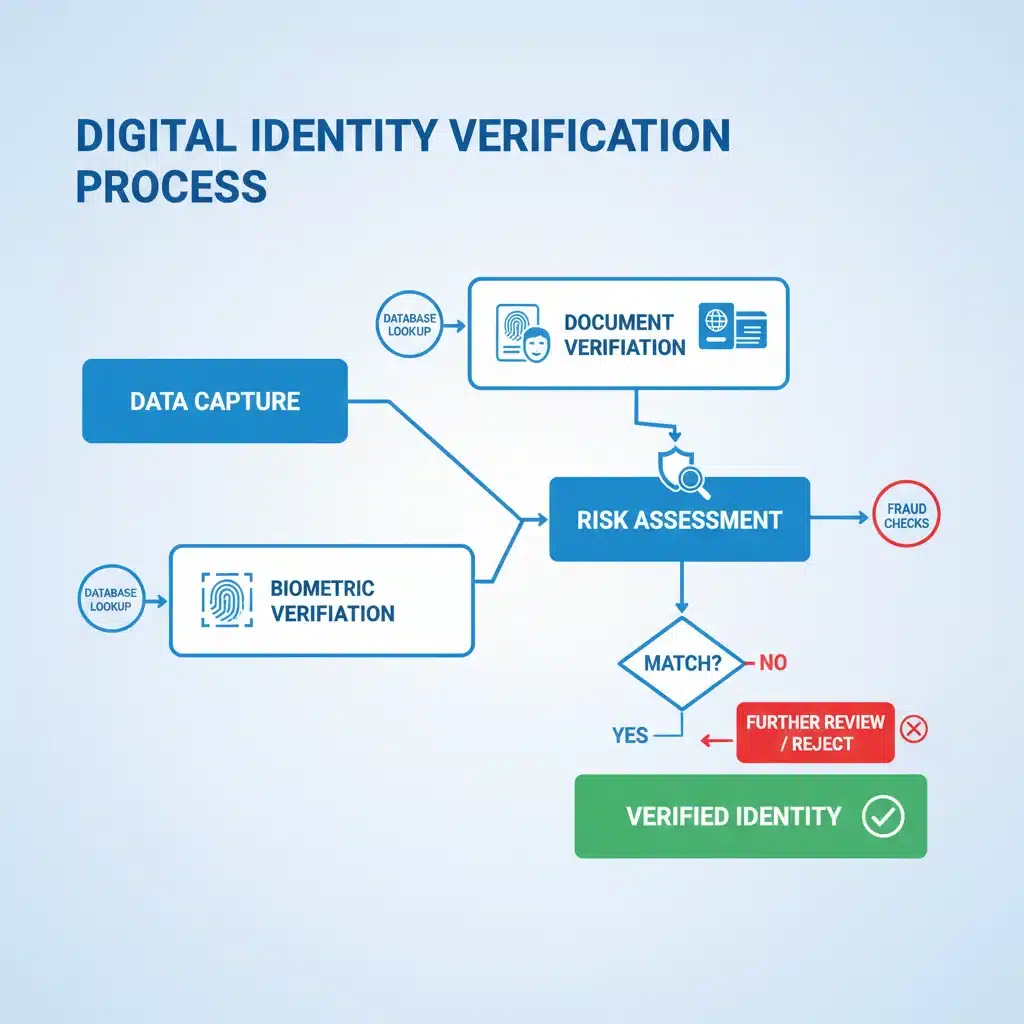
- Document Verification: Utilizing advanced technologies to verify government-issued IDs (passports, driver’s licenses) for authenticity, checking for alterations, and matching data against reliable sources.
- Biometric Verification: Incorporating facial recognition, fingerprint scanning, or voice biometrics for identity proofing and ongoing authentication. This adds a powerful layer of assurance that the person presenting the ID is indeed its rightful owner.
- Knowledge-Based Authentication (KBA) Enhancement: Moving beyond simple KBA to more dynamic and secure methods, potentially leveraging data from authoritative sources rather than relying solely on static, easily compromised information.
- Liveness Detection: Implementing technologies to ensure that a live person is present during biometric capture, preventing the use of photos, videos, or masks.
3. Upgrading Authentication Protocols
The AAL requirements will necessitate stronger authentication methods. This means moving away from sole reliance on simple passwords and embracing multi-factor authentication (MFA) as a baseline, and potentially advanced methods for higher-risk scenarios:
- Mandatory Multi-Factor Authentication (MFA): Implementing MFA across all critical systems and user accounts. This could include SMS codes, authenticator apps, hardware tokens, or biometrics.
- Passwordless Authentication: Exploring passwordless solutions using FIDO2 standards, which leverage biometrics or hardware security keys for a more secure and user-friendly experience.
- Contextual Authentication: Employing adaptive authentication that adjusts the level of authentication based on contextual factors like user location, device, time of day, and behavioral patterns.
- Secure Credential Management: Ensuring robust processes for issuing, managing, and revoking credentials, adhering to cryptographic best practices.
4. Strengthening Federation and Interoperability
For organizations that share identity information or rely on third-party identity providers, FAL will be crucial:
- Standardized Protocols: Adopting industry-standard protocols like OAuth 2.0, OpenID Connect, and SAML for secure identity federation.
- Verified Identity Providers: Partnering with accredited or certified identity providers that adhere to the new Digital Identity Standards.
- Attribute Exchange: Implementing secure and privacy-preserving mechanisms for exchanging necessary identity attributes between federated systems.
5. Leveraging Identity Orchestration Platforms
Managing the complexity of multiple identity verification and authentication methods can be challenging. Identity orchestration platforms can streamline these processes by:
- Providing a unified framework for integrating various identity services, from document verification to biometric checks.
- Automating workflows based on risk levels and compliance requirements.
- Offering a flexible architecture that can adapt to evolving Digital Identity Standards.
6. Data Privacy and Governance
Alongside security, data privacy remains paramount. The new Digital Identity Standards will implicitly reinforce the need for robust data governance:
- Privacy by Design: Integrating privacy considerations into the design of all identity verification systems.
- Consent Management: Ensuring clear and explicit consent for data collection and usage, in line with regulations like CCPA and potential future federal privacy laws.
- Data Minimization: Collecting only the necessary identity attributes required for a specific transaction or service.
- Secure Data Storage: Implementing strong encryption and access controls for all stored identity data.
Key Considerations for Specific Sectors
While the new U.S. Digital Identity Standards will impact all sectors, some will face unique challenges and opportunities:
Financial Services
Banks, credit unions, and fintech companies already operate under strict Know Your Customer (KYC) and Anti-Money Laundering (AML) regulations. The new standards will likely harmonize and strengthen these requirements, pushing for more sophisticated digital onboarding and transaction monitoring. Financial institutions must focus on integrating advanced biometrics, real-time identity verification, and continuous authentication to combat synthetic identity fraud and account takeovers.
Healthcare
Protecting Protected Health Information (PHI) is critical. The new Digital Identity Standards will influence how patients access their health records, how providers verify patient identities for telemedicine, and how healthcare professionals access sensitive systems. Strong IAL and AAL will be paramount to prevent medical identity theft and ensure HIPAA compliance.
Government Agencies
Federal, state, and local government services are increasingly delivered online. The new standards will be directly applicable, ensuring secure access to citizen services, benefits, and sensitive government data. This includes improving the reliability of digital IDs used for tax filings, social services, and secure communications.
E-commerce and Retail
While perhaps not as heavily regulated as finance or healthcare, e-commerce businesses face massive fraud challenges. Implementing robust Digital Identity Standards can reduce chargebacks, prevent gift card fraud, and protect customer accounts. Balancing security with a frictionless customer experience will be key.
Technology and SaaS Providers
Companies offering identity verification solutions or relying on them for their services will need to ensure their platforms are fully compliant and can support their clients in meeting the new standards. This presents a significant market opportunity for innovation in identity technology.

Building a Roadmap for Compliance with Digital Identity Standards
The path to compliance with the new U.S. Digital Identity Standards by Q1 2026 should be clearly defined and executed systematically. Here’s a suggested roadmap:
Phase 1: Assessment and Planning (Now – Q2 2024)
- Form a Cross-Functional Team: Include representatives from IT, legal, compliance, security, product development, and customer service.
- Educate Stakeholders: Ensure leadership understands the urgency and strategic importance of these changes.
- Conduct Comprehensive Audits: Review all existing identity verification and authentication processes against NIST SP 800-63 guidelines.
- Identify Gaps and Risks: Document where current systems fall short and prioritize areas for improvement.
- Define Target State: Outline the desired IAL, AAL, and FAL for different services and transactions.
- Budget Allocation: Secure necessary financial resources for technology upgrades, training, and potential new hires.
Phase 2: Solution Design and Vendor Selection (Q3 2024 – Q2 2025)
- Research Technologies: Explore leading-edge solutions for document verification, biometrics, MFA, and identity orchestration.
- Pilot Programs: Test potential solutions with limited user groups to evaluate effectiveness and user experience.
- Vendor Due Diligence: Select reputable vendors with proven track records in compliance and security, ensuring their solutions align with the upcoming Digital Identity Standards.
- Architecture Design: Plan the integration of new systems with existing infrastructure, focusing on scalability and interoperability.
- Develop Implementation Plan: Create a detailed project plan with timelines, responsibilities, and key performance indicators (KPIs).
Phase 3: Implementation and Testing (Q3 2025 – Q4 2025)
- System Integration: Deploy and integrate new identity verification and authentication technologies.
- Policy and Process Updates: Revise internal policies, procedures, and training materials to reflect the new standards.
- Employee Training: Train all relevant staff on new tools, processes, and the importance of secure identity management.
- Extensive Testing: Conduct rigorous testing, including penetration testing and vulnerability assessments, to ensure systems are secure and compliant.
- User Acceptance Testing (UAT): Gather feedback from end-users to refine processes and improve the user experience.
Phase 4: Launch and Continuous Improvement (Q1 2026 and Beyond)
- Full Deployment: Roll out the updated identity verification systems across the organization.
- Monitor Performance: Continuously monitor system performance, security metrics, and compliance adherence.
- Regular Audits: Conduct ongoing internal and external audits to ensure sustained compliance with the Digital Identity Standards.
- Stay Informed: Keep abreast of any further updates or amendments to the standards and adapt accordingly.
- Feedback Loop: Establish mechanisms for user feedback and continuous improvement of identity processes.
The Future of Digital Identity: Beyond Compliance
While compliance with the Q1 2026 Digital Identity Standards is the immediate goal, organizations should view this as an opportunity to future-proof their operations and enhance their overall digital strategy. A robust digital identity framework can unlock new possibilities:
- Enhanced Customer Experience: Seamless and secure onboarding, passwordless logins, and personalized services built on trusted identities.
- Reduced Operational Costs: Automation of identity verification processes can significantly cut manual efforts and associated costs.
- Improved Fraud Detection: Advanced identity solutions offer real-time fraud monitoring and prevention capabilities.
- New Business Models: The ability to securely verify identities can enable new digital services and partnerships.
- Global Interoperability: As U.S. standards align with international best practices, it paves the way for easier cross-border digital interactions.
The evolution of digital identity is not static. Technologies like decentralized identity (SSI – Self-Sovereign Identity) and verifiable credentials are gaining traction, promising even greater user control and privacy. While the Q1 2026 standards will likely focus on more immediate, implementable solutions, astute organizations will keep an eye on these future trends, building flexible identity architectures that can adapt to the next wave of innovation.
Conclusion: Act Now for a Secure Digital Future
The arrival of new U.S. Digital Identity Standards by Q1 2026 marks a pivotal moment for digital security and trust. This is a time-sensitive issue that demands proactive engagement from every organization operating in the digital sphere. By understanding the foundational principles of NIST SP 800-63, conducting thorough assessments, and strategically implementing advanced identity verification and authentication solutions, businesses and government agencies can not only achieve compliance but also strengthen their security posture, enhance user experience, and build enduring trust.
The clock is ticking. The organizations that embrace these changes early, viewing them as an investment in their future rather than just a regulatory burden, will be the ones best positioned to thrive in an increasingly digital and interconnected world. Start your preparation today to ensure your organization is ready to meet the new Digital Identity Standards and secure its place in the digital economy of tomorrow.