Youth Empowerment Programs 2026: Boosting Success by 20%

The 2026 Outlook on Youth Empowerment Programs: Achieving a 20% Increase in Participant Success Rates
In an increasingly complex and rapidly evolving world, the importance of fostering resilient, skilled, and confident young individuals cannot be overstated. Youth empowerment programs play a pivotal role in this endeavor, acting as catalysts for personal growth, community development, and societal progress. As we look towards 2026, there’s a collective ambition to significantly enhance the effectiveness of these initiatives. The goal is clear: to achieve a remarkable 20% increase in participant success rates across youth empowerment programs globally. This ambitious target reflects a deeper understanding of the challenges young people face and a commitment to providing more impactful, sustainable solutions. Understanding the current landscape and projecting future trends in youth empowerment success is crucial for designing and implementing strategies that genuinely make a difference. This article delves into the strategies, innovations, and collaborative efforts required to meet this ambitious target, ensuring a brighter future for the next generation.
Defining Youth Empowerment Success: A Holistic Perspective
Before we can aim for a 20% increase, it’s essential to clearly define what ‘success’ means within the context of youth empowerment programs. Traditionally, success might have been measured by simple metrics like program completion rates or immediate job placements. However, a more holistic and nuanced understanding is emerging, recognizing that true youth empowerment success encompasses a broader spectrum of outcomes. This includes, but is not limited to, improved self-esteem, enhanced critical thinking skills, increased civic engagement, better mental health outcomes, successful transitions to higher education or stable employment, and the development of strong social-emotional competencies. The 2026 outlook emphasizes a multi-dimensional approach to success, acknowledging that personal development is as crucial as professional advancement. Programs are now being designed with long-term impact in mind, focusing on equipping young people with transferable skills that will serve them throughout their lives, rather than just for a single career path. This comprehensive definition allows for a more accurate assessment of program effectiveness and guides the development of more robust and relevant interventions. The shift towards this holistic view is a cornerstone of the strategy to boost participant outcomes significantly.
The Current Landscape of Youth Empowerment Initiatives
Globally, youth empowerment programs vary widely in scope, focus, and methodology. From vocational training centers in developing nations to leadership academies in urban centers, the common thread is the dedication to nurturing young talent and addressing specific societal needs. However, the effectiveness of these programs has often been inconsistent, hampered by factors such as limited funding, lack of standardized metrics, and an inability to adapt to the rapidly changing needs of young people. Many programs still operate on outdated models, failing to incorporate digital literacy, entrepreneurial skills, or mental health support – all critical components for today’s youth. Furthermore, a significant challenge lies in reaching marginalized and vulnerable youth populations who often need these programs the most but face the greatest barriers to access. Disparities in educational opportunities, socio-economic backgrounds, and geographic locations contribute to an uneven playing field. Understanding these systemic challenges is the first step towards developing targeted interventions that can truly move the needle on youth empowerment success. The 2026 vision calls for a critical evaluation of existing models and a willingness to innovate and collaborate on an unprecedented scale. This introspection is vital for identifying gaps and building a more equitable and effective ecosystem for youth development.
Strategic Pillars for Achieving a 20% Increase by 2026
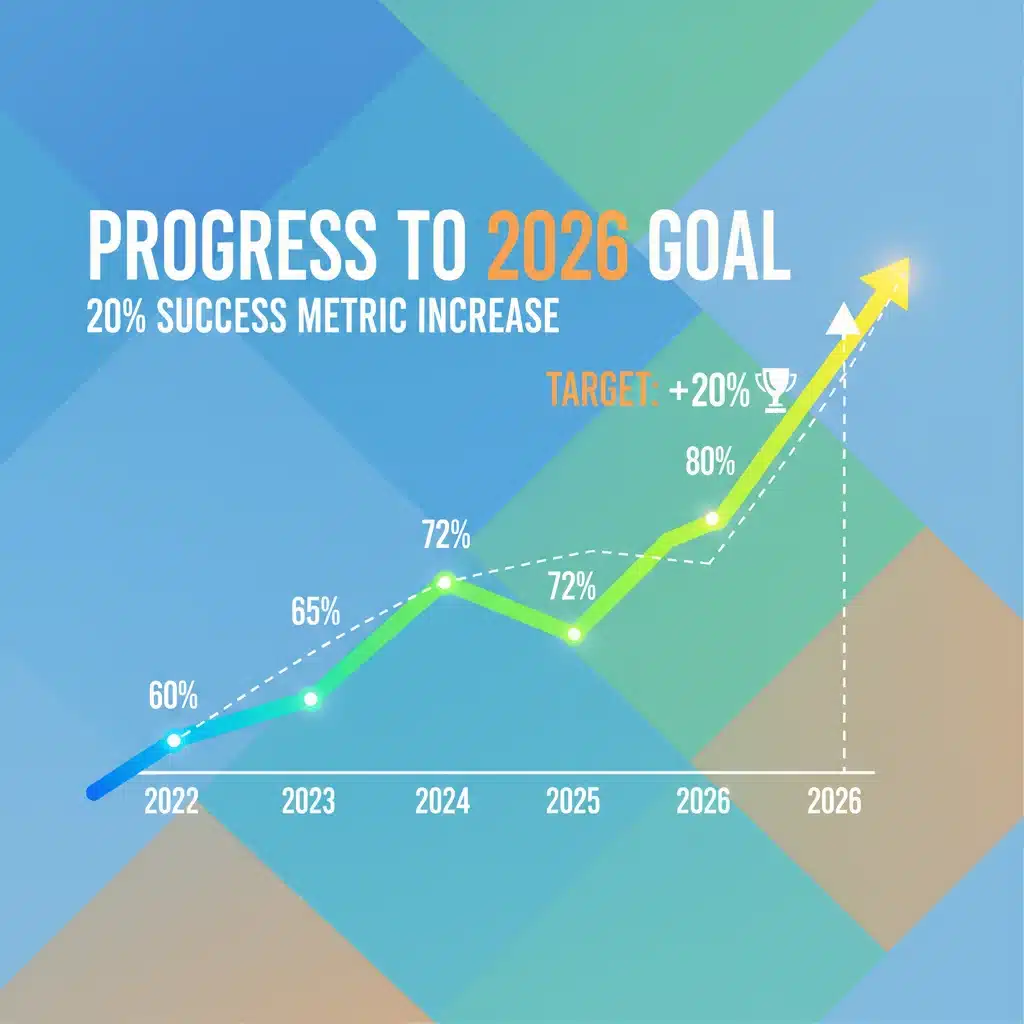
Achieving a 20% increase in participant success rates by 2026 is an ambitious yet attainable goal, provided that a multi-faceted and strategic approach is adopted. This involves re-evaluating program design, leveraging technology, fostering stronger community partnerships, and prioritizing mental well-being. Each pillar contributes synergistically to create a more robust and responsive framework for youth development. By focusing on these key areas, organizations can build programs that are not only more effective but also more sustainable and scalable, ensuring a wider reach and deeper impact. The emphasis is on creating environments where young people feel valued, supported, and equipped to navigate the complexities of modern life. This strategic roadmap is designed to address the root causes of disengagement and underachievement, transforming the landscape of youth empowerment success.
1. Innovative Program Design and Curriculum Development
The core of any successful youth empowerment initiative lies in its program design and curriculum. To achieve the 20% increase, programs must move beyond traditional models and embrace innovative, future-oriented approaches. This means integrating skills that are highly relevant in the 21st century, such as digital literacy, coding, data analysis, critical thinking, problem-solving, and entrepreneurial mindsets. Project-based learning, experiential education, and mentorship programs that connect youth with industry professionals are proving to be particularly effective. Curricula should also be flexible and adaptable, allowing for customization based on local needs and the specific aspirations of participants. Furthermore, incorporating modules on financial literacy, civic responsibility, and environmental stewardship will create well-rounded individuals capable of contributing positively to society. The focus should be on empowering youth to become creators and innovators, not just consumers of information. Regularly updating curriculum content to reflect global trends and labor market demands is also paramount. This dynamic approach ensures that programs remain relevant and impactful, directly contributing to higher rates of youth empowerment success.
2. Leveraging Technology for Enhanced Reach and Engagement
Technology offers unprecedented opportunities to expand the reach and enhance the engagement of youth empowerment programs. Online learning platforms, virtual mentorship programs, and gamified educational experiences can break down geographical barriers and make high-quality resources accessible to a wider audience, including those in remote or underserved areas. Artificial intelligence (AI) can be utilized to personalize learning paths, providing tailored content and support based on individual strengths and weaknesses. Social media platforms, when used responsibly, can foster communities of practice, allowing young people to connect, share experiences, and collaborate on projects. Data analytics can help program organizers track participant progress, identify areas for improvement, and measure the long-term impact of their interventions. However, it’s crucial to address the digital divide and ensure equitable access to technology and digital literacy training. Simply providing devices is not enough; comprehensive support is needed to help youth navigate the digital landscape safely and effectively. Embracing technology as an enabler will be a critical factor in scaling programs and boosting youth empowerment success rates by 2026.

3. Fostering Stronger Community and Stakeholder Partnerships
No single organization can achieve the goal of a 20% increase in isolation. Stronger partnerships with local communities, government agencies, educational institutions, private sector companies, and non-profit organizations are essential. Community engagement ensures that programs are culturally relevant and address the specific needs and aspirations of the youth they serve. Collaborations with schools can integrate empowerment initiatives into formal education, reaching a broader student body. Partnerships with businesses can provide invaluable mentorship opportunities, internships, and pathways to employment, directly impacting career readiness and economic independence. Government support, both financial and policy-wise, is crucial for creating an enabling environment for youth development. Non-profit organizations bring expertise, networks, and a deep understanding of grassroots challenges. By creating a robust ecosystem of support, programs can offer a more comprehensive and sustained impact. These partnerships also facilitate resource sharing, reduce duplication of efforts, and amplify the collective impact, leading to a more significant increase in youth empowerment success. Building these collaborative networks requires consistent communication, shared vision, and a commitment to mutual goals.
4. Prioritizing Mental Health and Well-being
The mental health and well-being of young people are inextricably linked to their overall success. The pressures of modern life, coupled with academic, social, and economic challenges, can take a significant toll. Youth empowerment programs must integrate mental health support, resilience building, and emotional intelligence development into their core offerings. This includes providing access to counseling services, organizing workshops on stress management and mindfulness, and creating safe spaces where young people can express themselves without fear of judgment. Training staff and mentors in basic mental health first aid can also be instrumental in identifying and supporting youth in distress. A holistic approach recognizes that a young person’s ability to learn, grow, and contribute is profoundly affected by their emotional state. By prioritizing mental well-being, programs can equip youth with the coping mechanisms and emotional regulation skills necessary to navigate adversity, fostering greater personal resilience and ultimately contributing to higher rates of youth empowerment success. This focus ensures that young people are not only skilled but also healthy and emotionally prepared for life’s challenges.
Measuring Impact and Tracking Progress Towards 2026
To effectively achieve a 20% increase in participant success rates, robust measurement and evaluation frameworks are indispensable. This involves moving beyond anecdotal evidence and implementing data-driven approaches to assess program effectiveness. Establishing clear, measurable indicators aligned with the holistic definition of success is the first step. These indicators should capture both quantitative data (e.g., employment rates, educational attainment, skill acquisition scores) and qualitative data (e.g., self-reported confidence levels, civic engagement, well-being surveys). Longitudinal studies are crucial for tracking the long-term impact of programs on participants’ lives. Regular feedback loops from participants, their families, and community stakeholders can provide valuable insights for continuous improvement. The use of technology, as mentioned earlier, can streamline data collection and analysis, making it easier to identify trends, celebrate successes, and pinpoint areas that require adjustment. Transparency in reporting results is also vital for accountability and for building trust with funders and the wider community. By consistently measuring impact and adapting strategies based on evidence, organizations can ensure they are on track to meet the 2026 target for youth empowerment success. This commitment to evidence-based practice transforms aspirations into tangible achievements.
Challenges and Opportunities on the Path to 2026
The journey towards achieving a 20% increase in youth empowerment success by 2026 is not without its challenges. Funding remains a persistent hurdle, with many programs struggling to secure sustainable resources. The rapid pace of technological change requires continuous adaptation of curricula and delivery methods, which can be resource-intensive. Reaching and engaging marginalized youth, who often face systemic barriers, requires specialized and culturally sensitive approaches. Furthermore, the global landscape is constantly shifting, with new socio-economic and environmental challenges emerging that impact youth development. However, these challenges also present significant opportunities. The increasing global awareness of youth issues is leading to greater investment and innovation in the sector. The proliferation of digital tools offers new avenues for scale and reach. The growing recognition of the importance of mental health is driving integrated approaches. Collaborative partnerships are becoming more common, pooling resources and expertise. By proactively addressing challenges and strategically capitalizing on opportunities, the youth empowerment sector can not only meet but potentially exceed the 2026 target. This resilience and adaptability are key to navigating the future effectively.
Case Studies: Exemplars of Youth Empowerment Success
Examining successful youth empowerment programs from around the world provides invaluable insights and inspiration. For instance, ‘The Global Shapers Community,’ an initiative of the World Economic Forum, empowers young people to tackle local and global challenges, fostering leadership and social impact. Their success is measured not just in projects completed, but in the sustained civic engagement and leadership roles taken by their alumni. Another example is ‘Year Up’ in the United States, which provides intensive training and internships to underserved young adults, boasting impressive job placement rates and significant wage increases. Their model focuses on marketable skills, professional development, and robust mentorship. In Africa, programs like ‘AkiraChix’ are empowering young women with technology skills, breaking down gender barriers and creating pathways to economic independence. These programs share common threads: a clear vision, tailored curricula, strong mentorship, and a commitment to holistic development. They demonstrate that with the right approach, significant gains in youth empowerment success are achievable. Studying these exemplars allows for the identification of best practices and scalable models that can inform strategies for 2026 and beyond, providing a blueprint for impactful interventions.
The Role of Policy and Advocacy in Driving Change
Policy and advocacy play a crucial role in creating an enabling environment for youth empowerment programs to thrive and achieve their ambitious goals. Governments and international bodies have the power to enact policies that support youth development, allocate adequate funding, and remove systemic barriers. Advocating for youth-inclusive policies ensures that young people’s voices are heard and their needs are addressed at the highest levels of decision-making. This includes policies related to education, employment, health, and civic participation. Furthermore, advocacy efforts can raise public awareness about the importance of investing in youth, mobilizing broader societal support. By working closely with policymakers, youth empowerment organizations can influence legislative frameworks, secure sustainable funding streams, and foster an environment where programs can operate effectively and reach their full potential. The 2026 target for increased youth empowerment success will be significantly bolstered by strong political will and sustained advocacy efforts that champion the cause of young people. This top-down support is essential for creating lasting change and ensuring widespread impact.
The Future of Youth Empowerment: Beyond 2026
While the 2026 target provides an immediate focus, the vision for youth empowerment extends far beyond this milestone. The aim is to build a sustainable ecosystem where every young person has the opportunity to realize their full potential, regardless of their background or circumstances. This involves continuous innovation, adaptive programming, and a commitment to lifelong learning. Future programs will likely place an even greater emphasis on global citizenship, inter-cultural understanding, and the development of skills for a ‘green economy.’ The role of youth themselves in co-designing and co-leading programs will also become increasingly prominent, ensuring that initiatives are truly youth-led and youth-centered. Investing in research and development to understand emerging trends and challenges will be critical for staying ahead of the curve. The ultimate goal is to cultivate a generation of resilient, adaptable, and socially conscious leaders who are equipped to address the complex challenges of the future. The journey towards enhanced youth empowerment success is an ongoing one, requiring sustained effort, collaboration, and an unwavering belief in the potential of young people. The foundations laid by 2026 will serve as a springboard for even greater achievements in the decades to come.
Personalized Pathways and Mentorship
One of the most effective strategies for boosting youth empowerment success is the implementation of personalized pathways and robust mentorship programs. Recognizing that each young person has unique talents, challenges, and aspirations, a ‘one-size-fits-all’ approach is increasingly obsolete. Personalized pathways involve assessing individual needs and tailoring program content, learning styles, and support systems accordingly. This might include flexible modules, self-paced learning options, and individualized coaching. Mentorship, on the other hand, provides invaluable guidance, support, and role modeling. Connecting young people with experienced professionals or older peers who can offer advice, share insights, and open doors to opportunities can be transformative. Mentors can help youth navigate complex decisions, build confidence, and develop a sense of belonging. The quality of the mentor-mentee relationship is paramount, emphasizing trust, empathy, and consistent communication. By investing in personalized approaches and strong mentorship networks, programs can significantly enhance engagement, retention, and ultimately, the success rates of their participants. This human-centered design is a powerful driver for the 20% increase by 2026.
Addressing Systemic Barriers to Youth Empowerment
Achieving a 20% increase in youth empowerment success also necessitates a concerted effort to address the systemic barriers that often hinder young people’s progress. These barriers can include discriminatory practices, lack of access to quality education and healthcare, socio-economic inequalities, and institutional biases. Programs must be designed to be inclusive and equitable, actively seeking out and supporting youth from marginalized communities, including those with disabilities, ethnic minorities, and LGBTQ+ youth. This involves culturally competent programming, providing necessary accommodations, and ensuring that program environments are safe and welcoming for all. Advocacy efforts are crucial in challenging and changing policies and practices that perpetuate inequality. By working towards systemic change, youth empowerment initiatives can create a more level playing field, ensuring that all young people have an equal opportunity to benefit from these programs and achieve success. This commitment to social justice is fundamental to the long-term vision of youth empowerment.
Conclusion: A Collective Vision for Enhanced Youth Empowerment
The ambition to achieve a 20% increase in participant success rates across youth empowerment programs by 2026 is a testament to a global commitment to investing in the next generation. This goal is not merely a numerical target; it represents a profound belief in the potential of every young person to thrive, contribute, and lead. By focusing on innovative program design, leveraging technology, forging strong partnerships, prioritizing mental well-being, and diligently measuring impact, the sector is poised for transformative growth. The challenges are significant, but the opportunities for meaningful change are even greater. As we move towards 2026 and beyond, a collective, collaborative, and adaptable approach will be paramount. Every stakeholder – from educators and policymakers to community leaders and private sector partners – has a role to play in building a future where youth empowerment success is not just an aspiration but a widespread reality. The future of our societies depends on the success of our youth, and by working together, we can ensure they are well-equipped to shape a brighter, more equitable, and sustainable world for all.