Data-Driven Social Impact: Optimizing Community Programs with 2026 Analytics

In an increasingly complex world, the pursuit of meaningful social change requires more than good intentions; it demands precision, accountability, and adaptability. This is where Social Impact Analytics emerges as a game-changer, especially as we look towards 2026 and beyond. The era of relying solely on anecdotal evidence or broad assumptions to assess the effectiveness of community programs is rapidly fading. Non-profit organizations, government agencies, and philanthropic foundations are now recognizing the indispensable value of data-driven approaches to optimize their interventions and ensure every dollar and effort contributes to tangible, sustainable impact.
The concept of Social Impact Analytics encompasses the systematic collection, analysis, and interpretation of data to understand, measure, and improve the effectiveness of social programs and initiatives. It’s about moving from ‘what we think works’ to ‘what the data proves works.’ By leveraging sophisticated analytical tools and methodologies, organizations can gain unprecedented insights into the needs of communities, the efficiency of their programs, and the actual outcomes achieved. This shift is not merely about reporting; it’s about continuous learning, adaptation, and maximizing the positive ripple effect of every social investment.
As we approach 2026, the landscape of data analytics is evolving at an incredible pace. Advancements in artificial intelligence (AI), machine learning (ML), big data processing, and predictive modeling are making it possible to glean deeper, more nuanced insights than ever before. For community programs, this means the ability to identify at-risk populations with greater accuracy, tailor interventions to specific needs, allocate resources more efficiently, and demonstrate impact with undeniable clarity. This article will delve into the transformative power of Social Impact Analytics, exploring its core components, the benefits it offers, the challenges in its implementation, and the exciting future that awaits organizations committed to data-driven social change.
The Imperative of Data-Driven Social Impact
Why is Social Impact Analytics so crucial today? The answer lies in the growing demand for accountability and efficiency in the social sector. Donors, funders, and the public increasingly expect evidence of impact. They want to know that their contributions are making a real difference, not just being spent. In this environment, organizations that can articulate their impact through robust data stand a far better chance of securing funding, attracting talent, and maintaining public trust.
Beyond accountability, data-driven approaches enable organizations to be more effective. Imagine a program designed to reduce homelessness. Without data, it’s difficult to know which specific interventions (e.g., housing first initiatives, mental health support, job training) are most effective for different segments of the homeless population. With Social Impact Analytics, organizations can track participant progress, identify bottlenecks, understand which combinations of services yield the best results, and refine their strategies accordingly. This iterative process of data collection, analysis, and adjustment is the hallmark of truly impactful social work.
Moreover, the complexity of social problems often means that interventions can have unintended consequences. Data helps uncover these, allowing organizations to mitigate negative effects and amplify positive ones. For instance, a youth mentorship program might inadvertently exclude certain demographics if not carefully monitored through data. Analytics can highlight these disparities, prompting adjustments to ensure equitable access and impact.
Key Components of Effective Social Impact Analytics
Implementing a robust Social Impact Analytics framework involves several interconnected components:
- Clear Definition of Outcomes and Indicators: Before collecting any data, organizations must clearly define what constitutes success for their programs. What specific changes are they trying to achieve? What measurable indicators will signal progress towards those outcomes? This foundational step ensures that data collection is purposeful and aligned with strategic goals.
- Data Collection Systems: This involves establishing reliable and ethical methods for gathering data. This could include surveys, interviews, administrative records, observational data, and even data from wearable devices or social media, depending on the program. The key is to ensure data quality, consistency, and privacy.
- Data Storage and Management: Once collected, data needs to be securely stored and managed. This often involves using specialized databases or CRM (Constituent Relationship Management) systems designed for non-profits. Proper data governance ensures data integrity and accessibility.
- Analytical Tools and Techniques: From basic descriptive statistics to advanced predictive modeling, a range of tools can be employed. This might include statistical software, business intelligence (BI) platforms, or even custom-built AI/ML models for more complex analyses. The choice of tools depends on the complexity of the data and the questions being asked.
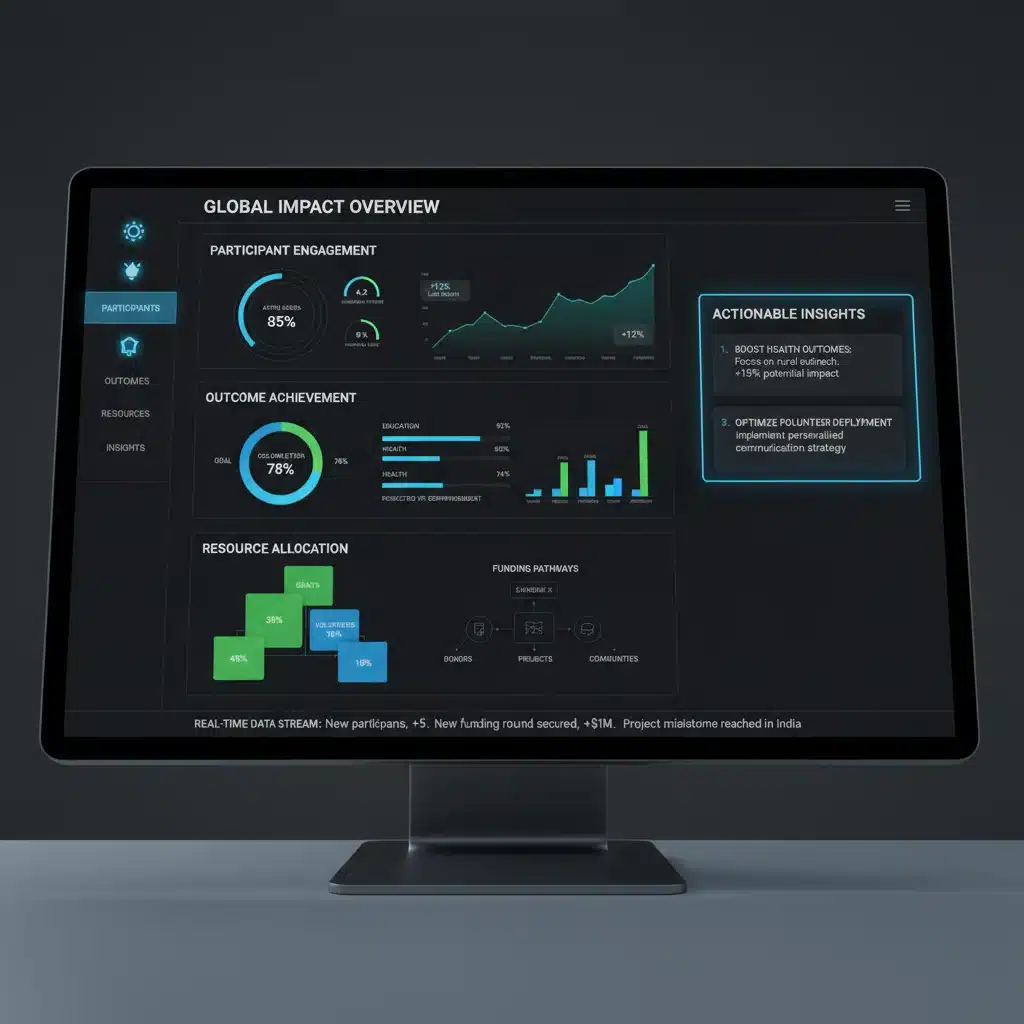
- Reporting and Visualization: Raw data is rarely compelling. Effective Social Impact Analytics requires the ability to translate complex data into clear, actionable reports and visualizations (dashboards, infographics). These help stakeholders understand the findings quickly and make informed decisions.
- Learning and Adaptation Culture: Perhaps the most critical component is fostering an organizational culture that values data, encourages experimentation, and is willing to adapt strategies based on analytical insights. Without this, even the most sophisticated analytics will fail to drive real change.
The 2026 Horizon: Advanced Analytics for Community Programs
Looking ahead to 2026, the capabilities of Social Impact Analytics are set to expand dramatically. Several technological advancements and evolving methodologies will redefine how community programs operate and measure their success.
Artificial Intelligence and Machine Learning for Predictive Impact
AI and ML are already transforming various industries, and their application in social impact is becoming increasingly sophisticated. By 2026, we can expect:
- Predictive Modeling for Risk Assessment: AI algorithms will be able to analyze vast datasets to identify individuals or communities at high risk of negative social outcomes (e.g., school dropout, chronic homelessness, food insecurity) with unprecedented accuracy. This allows for proactive, preventative interventions rather than reactive responses.
- Personalized Interventions: ML can help tailor program offerings to individual needs, optimizing the chances of success. For example, in workforce development, AI could match job seekers with training programs and employers based on skill sets, learning styles, and local market demands.
- Automated Impact Measurement: AI can automate the processing of qualitative data (e.g., open-ended survey responses, interview transcripts) to extract themes and sentiments, providing a richer understanding of program experiences and outcomes at scale.
Big Data Integration and Cross-Sector Collaboration
The ability to integrate and analyze large, diverse datasets from multiple sources will be a cornerstone of Social Impact Analytics by 2026. This means:
- Linking Data Across Silos: Organizations will increasingly collaborate to share anonymized data across sectors (e.g., health, education, housing, justice) to gain a holistic view of community challenges and the interdependencies of various social issues. This allows for more comprehensive and coordinated interventions.
- Real-time Data Streams: The proliferation of IoT (Internet of Things) devices and digital platforms means more real-time data will be available. For community programs, this could mean immediate feedback on program engagement, environmental conditions, or public health trends, enabling rapid adjustments.
- Geospatial Analytics: Mapping social issues and program impacts geographically will become more sophisticated, allowing organizations to pinpoint areas of greatest need, identify service gaps, and optimize resource deployment based on spatial patterns.
Ethical Considerations and Data Governance
As Social Impact Analytics becomes more powerful, the ethical implications of data collection and use will also come into sharper focus. By 2026, robust data governance frameworks will be essential:
- Privacy and Confidentiality: Ensuring the privacy and confidentiality of individuals whose data is collected will remain paramount. Organizations will need to implement strong data anonymization techniques and adhere to strict ethical guidelines and regulatory compliance.
- Bias Detection and Mitigation: AI/ML models can inadvertently perpetuate or amplify existing societal biases if not carefully designed and monitored. Future Social Impact Analytics will require explicit strategies to detect and mitigate bias in algorithms to ensure equitable outcomes.
- Data Literacy and Transparency: Fostering data literacy among program staff, participants, and the wider community will be crucial. Transparency about how data is collected, used, and interpreted builds trust and empowers stakeholders to engage meaningfully with the analytical process.
Benefits of Implementing Social Impact Analytics
The adoption of Social Impact Analytics offers a multitude of benefits for community programs, transforming their operational efficiency and their capacity to create lasting change.
Enhanced Program Effectiveness and Efficiency
By understanding what works and for whom, organizations can refine their programs to deliver maximum impact. This means less wasted effort and resources on ineffective strategies. Analytics helps identify the most cost-effective interventions, allowing organizations to stretch their budgets further and serve more people effectively. For example, tracking participant retention rates and success metrics in an educational program can reveal which teaching methods or support services are most effective, leading to higher graduation rates or skill acquisition.
Improved Resource Allocation
Data provides the evidence needed to make informed decisions about where to allocate scarce resources. Instead of relying on intuition, program managers can use analytics to direct funding, staff, and volunteers to areas of greatest need or to programs with the highest return on investment. This ensures that resources are deployed strategically, maximizing their potential for positive change within communities. For instance, a food distribution program might use demographic and health data to identify neighborhoods with the highest rates of food insecurity and chronic diseases, optimizing the placement of new distribution points.
Greater Accountability and Transparency
In an era of increasing scrutiny, demonstrating impact is key to sustainability. Social Impact Analytics provides the hard data needed to prove the effectiveness of programs to funders, policymakers, and the public. This transparency builds trust and strengthens an organization’s reputation. Detailed reports and compelling visualizations derived from data can communicate success stories in a credible and quantifiable manner, attracting new support and reinforcing existing partnerships.
Better Decision-Making and Strategic Planning
Analytics moves decision-making from reactive to proactive. By identifying trends, predicting future needs, and understanding underlying causes of social issues, organizations can develop more robust strategic plans. This foresight allows them to anticipate challenges, innovate solutions, and position themselves as leaders in their respective fields. For example, analyzing historical data on youth unemployment might reveal seasonal patterns or specific skill gaps, informing the development of targeted training programs well in advance of peak unemployment periods.
Empowered Stakeholders and Community Engagement
When data is shared transparently and used to inform community-led initiatives, it empowers stakeholders. Community members can see how programs are performing, provide feedback based on evidence, and actively participate in shaping solutions that are truly responsive to their needs. This collaborative approach fosters a sense of ownership and ensures that programs are culturally relevant and sustainable.

Challenges and Considerations in Implementing Social Impact Analytics
While the benefits are clear, implementing Social Impact Analytics is not without its challenges. Organizations must be prepared to address these to fully realize the potential of data-driven approaches.
Data Quality and Availability
One of the most persistent challenges is ensuring the quality, completeness, and consistency of data. Many non-profits and community programs operate with limited resources, leading to fragmented data collection efforts or reliance on disparate systems. Gathering reliable data from diverse sources, especially in sensitive social contexts, requires careful planning and robust data governance protocols. Data availability can also be an issue, particularly for hard-to-reach populations or for long-term outcomes that are difficult to track.
Technical Capacity and Expertise
Implementing and utilizing advanced analytics requires specific skills in data science, statistics, and programming. Many organizations in the social sector may lack this in-house expertise. Building or acquiring this capacity through training, hiring data professionals, or partnering with external experts is a significant hurdle. The challenge extends beyond technical skills to developing a data-literate culture across the organization.
Ethical Concerns and Data Privacy
Working with sensitive personal data in social programs raises critical ethical questions. Organizations must navigate issues of informed consent, data anonymization, equitable data use, and the potential for surveillance or discrimination. Establishing clear ethical guidelines and ensuring compliance with data protection regulations (e.g., GDPR, HIPAA) is paramount to maintaining trust and protecting vulnerable populations. The potential for algorithmic bias, where historical data reflects societal inequalities, must also be carefully addressed to avoid perpetuating harm.
Funding and Resources
The upfront investment in data infrastructure, software, and skilled personnel for Social Impact Analytics can be substantial. For organizations often operating on tight budgets, securing the necessary funding can be a significant barrier. Funders themselves need to recognize and support the importance of investing in analytical capacity as a core component of effective social programming.
Resistance to Change and Organizational Culture
Shifting from traditional, anecdotal decision-making to a data-driven approach can encounter resistance within an organization. Staff may feel overwhelmed by new technologies, fear job displacement, or simply prefer established methods. Overcoming this requires strong leadership, effective change management strategies, and continuous communication about the value and benefits of analytics for everyone involved.
Strategies for Successful Implementation of Social Impact Analytics
Despite the challenges, many organizations are successfully integrating Social Impact Analytics into their operations. Here are some strategies for effective implementation:
Start Small and Scale Up
Don’t try to implement a massive analytics system all at once. Begin with a pilot project focusing on one program or a specific set of outcomes. Learn from this experience, refine your processes, and then gradually scale up your efforts across the organization. This iterative approach makes the transition more manageable and increases the likelihood of success.
Invest in Data Literacy and Training
Empower your existing staff by investing in data literacy training. This doesn’t mean turning everyone into a data scientist, but rather enabling them to understand data reports, ask critical questions, and use insights in their daily work. For more advanced needs, consider hiring dedicated data analysts or partnering with universities or data consultancies.
Prioritize Data Governance and Ethics
Establish clear policies and procedures for data collection, storage, use, and sharing from the outset. Develop an ethical framework that guides all data-related activities, ensuring privacy, informed consent, and equitable application of insights. Regularly review and update these policies to adapt to evolving technologies and regulations.
Foster a Culture of Learning and Experimentation
Encourage an organizational culture where data is seen as a tool for learning and improvement, not just for judgment. Promote experimentation with different interventions and use data to understand what worked, what didn’t, and why. Celebrate successes driven by data and learn constructively from failures.
Collaborate and Share Best Practices
The social sector often faces similar challenges. By collaborating with other organizations, sharing data (where appropriate and ethical), and exchanging best practices in Social Impact Analytics, everyone can benefit. This collective learning can accelerate the adoption of effective data-driven strategies across the sector.
The Future of Social Impact Analytics: Beyond 2026
As we move beyond 2026, the potential of Social Impact Analytics will only continue to grow. We can anticipate even greater integration of predictive and prescriptive analytics, moving from understanding what happened to predicting what will happen and even recommending the best course of action.
Imagine AI-powered systems that not only identify individuals at risk of homelessness but also recommend the optimal combination of housing, health, and employment services to prevent it. Or platforms that dynamically adjust educational content for children based on real-time learning progress and socio-emotional indicators.
The role of citizen science and participatory data collection will also expand, empowering communities to collect and analyze data relevant to their own needs, fostering greater ownership and self-determination in social change efforts. Blockchain technology could also play a role in ensuring data integrity, transparency, and secure sharing across networks of social impact organizations.
Ultimately, the future of Social Impact Analytics is about creating a more intelligent, responsive, and equitable social sector. It’s about leveraging the incredible power of data not just to measure impact, but to fundamentally redesign how we address the world’s most pressing challenges, ensuring that every intervention is as effective, efficient, and ethical as possible.
Conclusion
The journey towards data-driven social impact is an ongoing one, but the direction is clear. Social Impact Analytics, propelled by advancements in technology and a growing commitment to evidence-based practice, is revolutionizing how community programs operate. As we look towards 2026, the ability to harness sophisticated analytical tools will no longer be a luxury but a necessity for organizations striving to create meaningful, measurable, and sustainable change.
Embracing Social Impact Analytics means moving beyond assumptions to insights, from reactive responses to proactive solutions, and from isolated efforts to integrated, collaborative impact. While challenges exist, the path forward involves strategic investment in technology, talent, and a culture of continuous learning. By doing so, we can ensure that our collective efforts in community programs are not just well-intentioned, but truly transformative, building a better future for all.