Community-Led Sustainable Development: Practical Solutions for 2026
The imperative for sustainable development has never been more urgent. As we approach 2026, the global community faces complex challenges ranging from climate change and resource depletion to social inequality and economic instability. While top-down policies and international agreements are crucial, the true engine of lasting change often resides at the grassroots level: within communities. Engaging local communities in sustainable development projects is not merely a philanthropic endeavor; it is a strategic necessity. This comprehensive guide delves into practical solutions for fostering meaningful community participation, ensuring that sustainable development initiatives are not only effective but also equitable, resilient, and truly transformative.
The concept of community sustainable development hinges on the idea that local populations are not just beneficiaries but active agents of change. They possess invaluable indigenous knowledge, a deep understanding of their local ecosystems, and a vested interest in the long-term well-being of their environment and society. Ignoring this immense potential is a missed opportunity. By empowering communities, we can unlock innovative solutions, build local capacity, and create projects that are tailored to specific needs and contexts, thereby increasing their chances of success and longevity.
This article will explore the foundational principles of community engagement, delve into actionable strategies for implementation, and highlight the critical role of technology, education, and policy in supporting these efforts. We will also examine the challenges that often arise in such projects and offer practical advice on how to overcome them, ensuring that by 2026, we are well on our way to a more sustainable and equitable future, built from the ground up.
The Core Principles of Effective Community Engagement in Sustainable Development
Effective community sustainable development is built upon a bedrock of fundamental principles. Without these, even the most well-intentioned projects can falter. Understanding and adhering to these principles is the first step towards creating truly impactful and lasting change.
1. Inclusivity and Representation
Perhaps the most critical principle is inclusivity. Sustainable development projects must actively seek to involve all segments of the community, especially marginalized groups such as women, indigenous populations, youth, and the elderly. These groups often bear the brunt of environmental degradation and social injustice but are frequently excluded from decision-making processes. True representation ensures that diverse perspectives are heard, needs are accurately identified, and solutions are equitable. This means employing participatory rural appraisal (PRA) techniques, conducting extensive outreach, and creating safe spaces for dialogue where all voices feel valued and respected.
2. Local Ownership and Empowerment
Projects should not be ‘done to’ communities but ‘done with’ and ‘by’ them. Local ownership means that communities have a genuine stake in the project from its inception to its completion and beyond. This translates to empowering local leaders, building local capacity through training and skill development, and transferring decision-making power to community-based organizations. When communities feel a sense of ownership, they are more likely to commit their time, resources, and energy, leading to greater sustainability and resilience of the initiatives.
3. Transparency and Accountability
Trust is the cornerstone of any successful partnership. Projects must operate with complete transparency regarding their objectives, budget, processes, and expected outcomes. Regular communication, clear reporting mechanisms, and accessible information are vital. Furthermore, accountability needs to be a two-way street: implementers are accountable to the community, and the community, in turn, is accountable for its commitments. Establishing clear roles, responsibilities, and feedback loops helps maintain this crucial balance.
4. Capacity Building and Knowledge Transfer
Sustainable development is not just about implementing projects; it’s about building the capacity of communities to manage these projects independently in the long run. This involves providing training in technical skills relevant to the project (e.g., sustainable agriculture, renewable energy installation, waste management), as well as in soft skills like project management, financial literacy, and conflict resolution. Knowledge transfer should be a continuous process, leveraging both external expertise and internal indigenous knowledge, fostering a learning environment where communities can adapt and innovate.
5. Adaptability and Flexibility
The world is constantly changing, and so are community needs and environmental conditions. Sustainable development projects must be designed with an inherent degree of adaptability and flexibility. Rigid plans are often destined to fail. Instead, a flexible approach allows for continuous monitoring, evaluation, and adjustment based on feedback from the community and evolving circumstances. This iterative process ensures that projects remain relevant and effective over time, responding to unforeseen challenges and opportunities.
Practical Solutions for Engaging Communities by 2026
Translating these principles into action requires concrete strategies. Here are practical solutions that can significantly enhance community sustainable development efforts by 2026.
1. Participatory Needs Assessment and Planning
Before any project begins, a thorough and participatory needs assessment is essential. This involves working directly with community members to identify their most pressing environmental, social, and economic challenges. Tools such as community mapping, focus group discussions, and household surveys, all conducted with significant local input, can provide a holistic understanding. The planning phase should then involve co-creating solutions with the community, ensuring that proposed interventions are culturally appropriate, technically feasible, and genuinely address identified needs. This collaborative approach fosters buy-in from the outset.
2. Establishing Community-Led Governance Structures
To ensure local ownership and sustained engagement, formal or informal community-led governance structures are vital. This could involve establishing community development committees, environmental stewardship groups, or local cooperatives. These bodies should be democratically elected or selected by the community, have clear mandates, and be empowered to make decisions regarding project implementation, resource allocation, and conflict resolution. Training for these groups in leadership, governance, and financial management is crucial.
3. Leveraging Local Knowledge and Resources
Communities often possess a wealth of traditional ecological knowledge (TEK) and local resources that are invaluable for sustainable development. Projects should actively seek to integrate TEK, for example, in sustainable farming practices, water management, or biodiversity conservation. Similarly, utilizing local materials, labor, and skills not only reduces costs but also strengthens the local economy and builds pride within the community. This approach moves away from a deficit-based model to one that recognizes and builds upon existing community strengths.
4. Implementing Micro-Grants and Seed Funding Programs
Financial barriers are a common obstacle to community-led initiatives. Establishing micro-grant programs or providing seed funding directly to community groups can catalyze local action. These funds, often modest in size, can empower communities to initiate small-scale projects, test innovative ideas, or scale up successful local endeavors. The application and reporting processes for these grants should be simplified and accessible, designed to support grassroots efforts rather than burden them with excessive bureaucracy.
5. Integrating Technology for Communication and Monitoring
Technology can be a powerful enabler of community sustainable development. Mobile applications can facilitate communication, collect data for monitoring and evaluation, and disseminate information on best practices. Geographic Information Systems (GIS) can help communities map resources, identify vulnerabilities, and plan interventions. Simple digital tools can also be used for financial tracking and project management, increasing transparency and efficiency. However, it’s crucial to ensure technology is appropriate, accessible, and accompanied by adequate training to avoid exacerbating existing digital divides.

6. Developing Educational and Awareness Campaigns
Lack of awareness can be a significant barrier to participation. Comprehensive educational and awareness campaigns are needed to inform communities about the benefits of sustainable development, the urgency of environmental issues, and their role in creating solutions. These campaigns should use culturally sensitive methods, including workshops, community theater, local radio, and visual aids. Education should not be limited to adults; engaging youth through school programs and extracurricular activities can foster a new generation of environmental stewards.
7. Fostering Cross-Community and Multi-Stakeholder Partnerships
Sustainable development challenges often transcend individual community boundaries. Encouraging cross-community collaboration can lead to more impactful regional solutions, for example, in watershed management or shared resource protection. Furthermore, building partnerships with local government, NGOs, academic institutions, and the private sector can bring in additional expertise, resources, and political support. These multi-stakeholder platforms create a synergistic environment where diverse actors can contribute to a common vision.
Addressing Challenges in Community-Led Sustainable Development
While the benefits of community sustainable development are undeniable, several challenges can impede progress. Anticipating and addressing these proactively is key to success.
1. Overcoming Power Imbalances and Conflicts of Interest
Communities are not monolithic; they often contain diverse groups with varying interests and power dynamics. External actors must be sensitive to these existing power imbalances and work to ensure that the voices of the most vulnerable are not drowned out. Conflict resolution mechanisms should be established to address disagreements fairly and transparently. This often requires skilled facilitation and a commitment to equitable outcomes.
2. Ensuring Financial Sustainability Beyond Project Lifecycles
A common pitfall is the collapse of projects once external funding ceases. Planning for financial sustainability from the outset is crucial. This can involve developing community-owned enterprises, establishing revolving funds, securing local government support, or creating revenue streams from project activities (e.g., selling produce from a community garden, fees for waste collection). The goal is to make projects self-sufficient and resilient in the long term.
3. Managing Expectations and Avoiding "Project Fatigue"
External interventions can sometimes create unrealistic expectations or lead to ‘project fatigue’ if communities are constantly approached with new initiatives that don’t deliver lasting benefits. It’s important to set realistic expectations, communicate progress and setbacks honestly, and prioritize projects that genuinely align with community aspirations and have a high likelihood of success. Celebrating small victories and demonstrating tangible impacts can help maintain enthusiasm and commitment.
4. Navigating Bureaucracy and Policy Barriers
Communities often face bureaucratic hurdles and unfavorable policies that hinder their sustainable development efforts. Advocates for community-led initiatives must work to streamline processes, simplify regulations, and influence policy-makers to create an enabling environment. This might involve advocating for land tenure security, simplified permitting for small-scale renewable energy projects, or supportive local zoning laws.
5. Monitoring, Evaluation, and Learning (MEL) for Adaptive Management
Robust monitoring and evaluation are essential not just for accountability but, more importantly, for learning and adaptation. Projects should establish clear indicators of success, both quantitative and qualitative, developed in collaboration with the community. Regular data collection, participatory evaluations, and opportunities for reflection allow communities and implementers to assess what’s working, what’s not, and how to adjust strategies. This iterative learning process is fundamental to the long-term success of community sustainable development.
The Role of Policy and Governance in Supporting Community-Led Initiatives
While grassroots action is vital, an enabling policy and governance framework can significantly amplify the impact of community sustainable development. Governments at all levels have a crucial role to play in creating an environment where these initiatives can thrive.
1. Decentralization of Power and Resources
Effective sustainable development often requires decentralizing decision-making power and resources to local government units and community organizations. This ensures that decisions are made closer to the people they affect and that resources are allocated based on local priorities. Policies that support fiscal decentralization, allowing local authorities to raise and manage funds for local development, are particularly impactful.
2. Legal Recognition and Protection of Community Rights
Securing land tenure rights, resource management rights, and the rights of indigenous peoples is fundamental. Without legal recognition and protection, communities are vulnerable to displacement, resource exploitation, and marginalization. Policies that formalize these rights empower communities to manage their natural resources sustainably and invest in long-term development.
3. Creating Platforms for Dialogue and Collaboration
Governments can facilitate sustainable development by establishing formal platforms for dialogue and collaboration between different stakeholders: communities, local government, civil society organizations, and the private sector. These platforms can foster mutual understanding, address conflicts, and coordinate efforts towards shared sustainability goals. Examples include multi-stakeholder forums, participatory budgeting processes, and local planning committees.
4. Providing Technical Support and Capacity Building
Beyond funding, governments can offer invaluable technical support and capacity-building programs to communities. This could include providing access to agricultural extension services, environmental experts, urban planners, or legal aid. Investing in training programs for community leaders and local government staff on sustainable development principles and project management further strengthens local capabilities.
5. Integrating Sustainable Development into Local Planning
Ensuring that sustainable development principles are integrated into local development plans, zoning regulations, and infrastructure projects is critical. This means moving beyond isolated projects to a more holistic, integrated planning approach where environmental, social, and economic considerations are woven into all aspects of local governance and development. Incentivizing green building, promoting renewable energy, and supporting local food systems through policy can create a powerful ripple effect.
Case Studies and Success Stories: Learning from Experience
To illustrate the power of community sustainable development, it’s beneficial to look at real-world examples. While specific case studies would require more in-depth analysis than this article allows, we can draw lessons from common themes seen in successful projects globally.
For instance, many indigenous communities have successfully implemented sustainable forest management practices for centuries, demonstrating how traditional knowledge can lead to biodiversity conservation and sustainable livelihoods. Community-based ecotourism initiatives in various developing countries have shown how local populations can directly benefit from protecting their natural heritage, creating economic incentives for conservation.
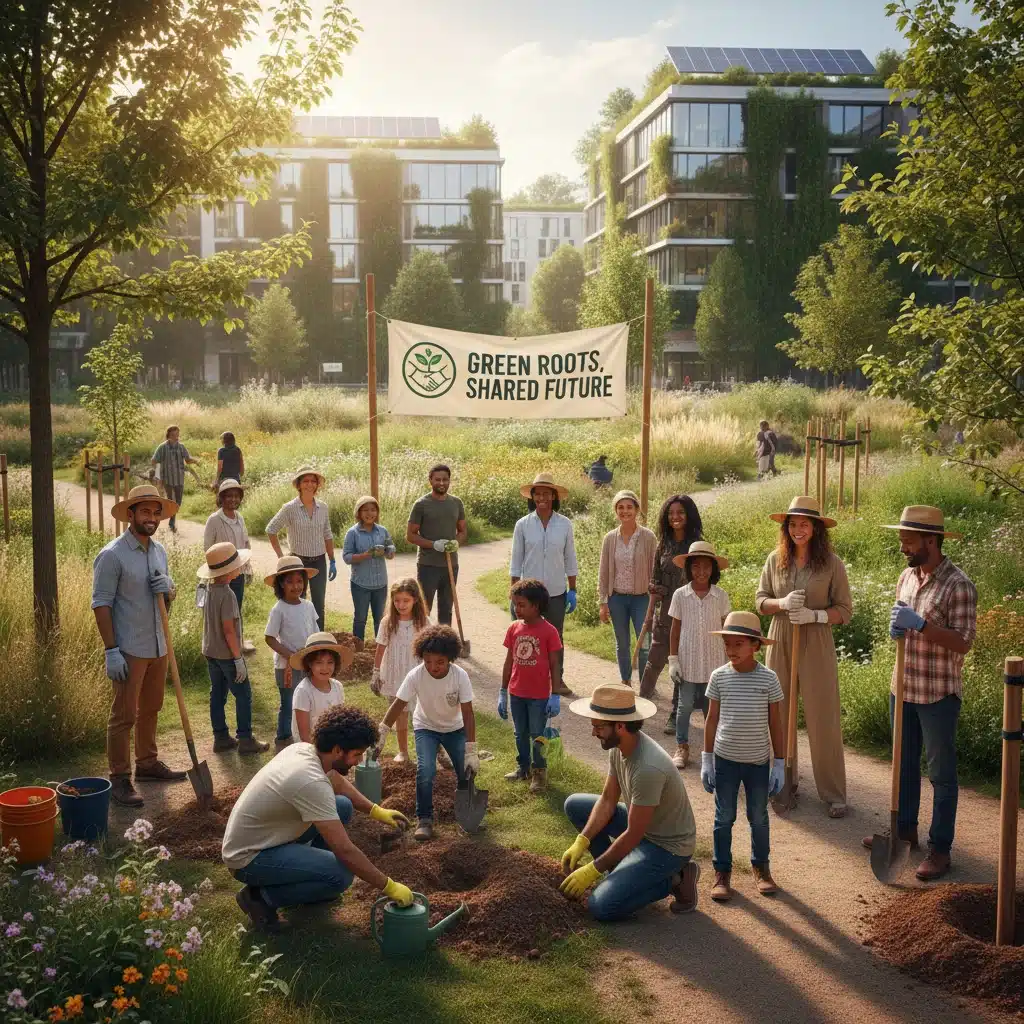
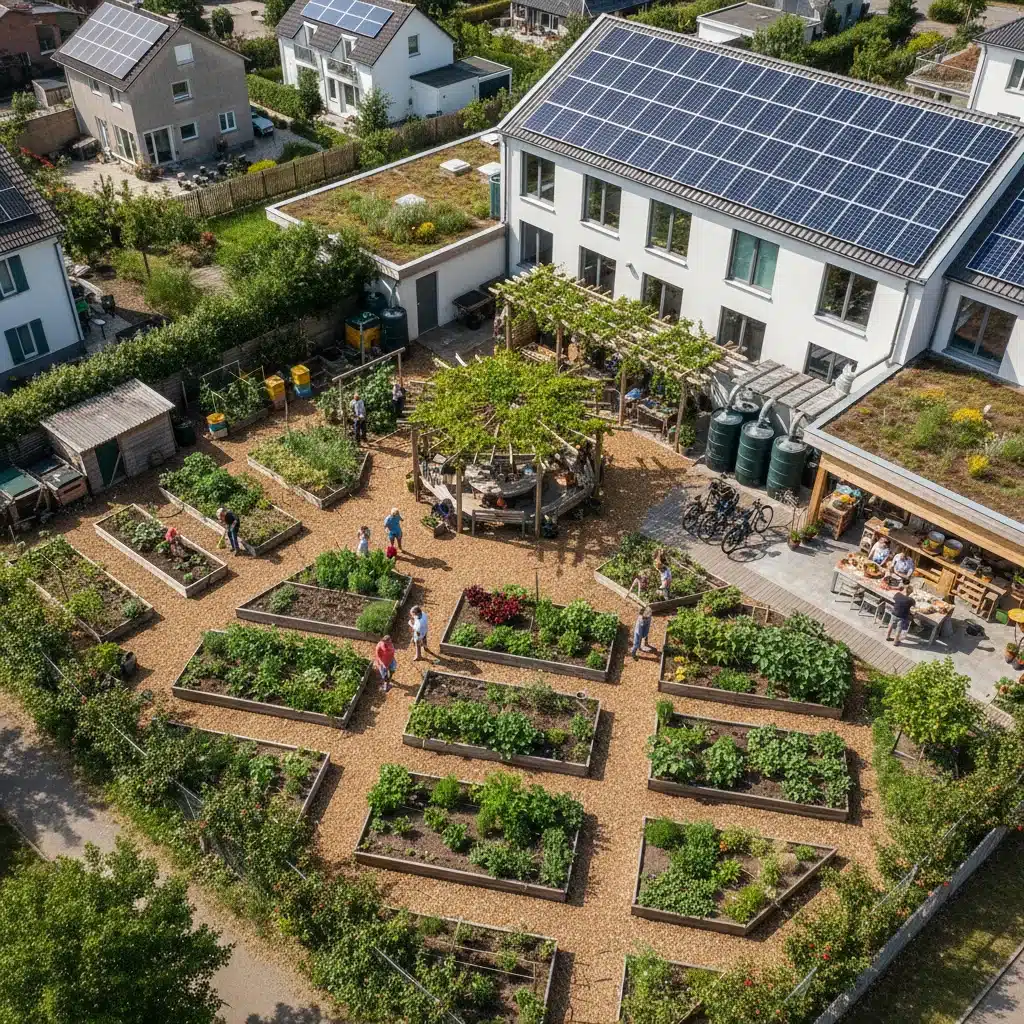
In urban settings, community gardens have transformed neglected spaces into vibrant food production hubs, fostering social cohesion, improving food security, and promoting environmental education. Similarly, local waste management cooperatives, where communities take ownership of recycling and waste reduction, have dramatically improved sanitation and created green jobs.
These examples, among countless others, underscore several key takeaways: the importance of genuine community leadership, the need for appropriate technology and capacity building, and the critical role of supportive external partners – whether government, NGOs, or private sector – who act as enablers rather than directors.
Conclusion: Towards a Community-Led Sustainable Future by 2026
As we look towards 2026, the pathway to a truly sustainable future is increasingly clear: it must be paved by communities. Embracing community sustainable development is not just an ethical choice but a pragmatic one. By placing local populations at the heart of planning, implementation, and governance of sustainable initiatives, we tap into an unparalleled source of knowledge, innovation, and resilience. The practical solutions outlined – from participatory planning and local governance to leveraging technology and fostering cross-sector partnerships – provide a roadmap for accelerating progress.
The journey will undoubtedly present challenges, including power imbalances, funding constraints, and policy hurdles. However, with a commitment to inclusivity, transparency, capacity building, and adaptive management, these obstacles can be overcome. Governments, international organizations, and civil society must act as steadfast partners, providing the enabling environment, resources, and technical support that empower communities to lead their own sustainable transformations.
By 2026, our collective goal should be to see a significant increase in vibrant, self-reliant communities around the world, actively shaping their own sustainable destinies. This is not just about environmental protection or economic growth in isolation; it is about fostering holistic well-being, social justice, and intergenerational equity. The future of our planet and its people depends on our ability to empower those closest to the challenges to become the architects of the solutions. Let us commit to building this future, one community at a time.