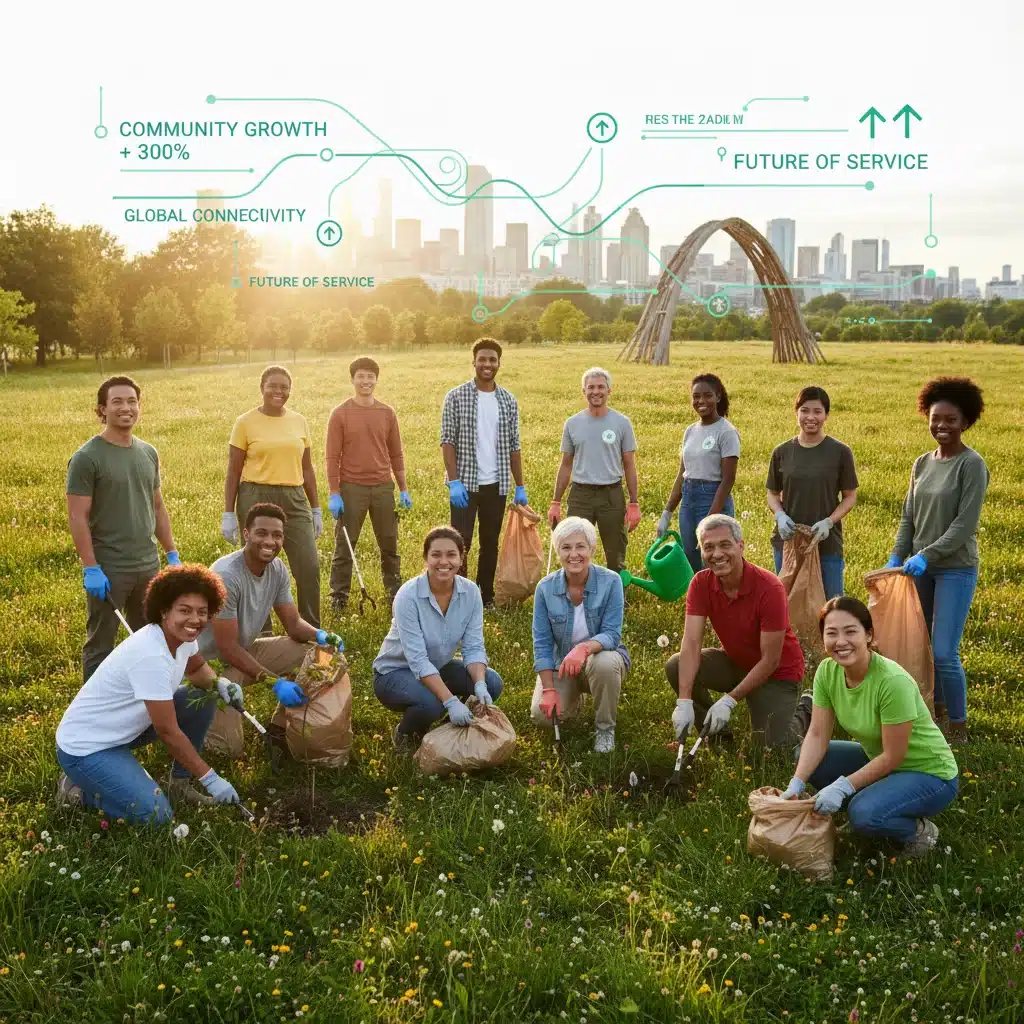
The landscape of social contribution is constantly evolving, and as we approach 2026, understanding the shifts in national volunteerism is paramount for organizations aiming to make a significant impact. The ambitious goal of achieving a 25% greater local engagement is not merely a wish but a strategic imperative that requires foresight, adaptability, and a deep understanding of the emerging National Volunteerism Trends. This article will explore these trends, offering insights and actionable strategies to harness their potential and drive unprecedented levels of community involvement.
Volunteerism has always been the backbone of resilient communities, fostering social cohesion, addressing critical needs, and empowering individuals. However, the dynamics influencing why, how, and where people volunteer are undergoing profound changes. From technological advancements to evolving societal values and global challenges, a multitude of factors are reshaping the future of voluntary action. By proactively identifying and responding to these National Volunteerism Trends, we can not only meet but exceed the target of a 25% increase in local engagement, creating a more vibrant and supportive society for all.
The Shifting Motivations Behind Volunteerism
One of the most significant National Volunteerism Trends we anticipate for 2026 is a fundamental shift in volunteer motivations. While altruism remains a core driver, volunteers are increasingly seeking opportunities that offer personal growth, skill development, and a clear sense of impact. The transactional nature of volunteering, where individuals simply offer their time, is giving way to a more symbiotic relationship where volunteers expect tangible benefits beyond the satisfaction of helping others.
Personal Growth and Skill Development
Today’s volunteers, particularly younger generations, are often driven by a desire to enhance their resumes, learn new skills, and gain professional experience. Organizations that can articulate how a volunteer role contributes to these personal and professional development goals will be better positioned to attract and retain talent. This means offering structured training, mentorship opportunities, and roles that allow volunteers to apply and develop specialized skills, whether in marketing, data analysis, project management, or community organizing. Highlighting these benefits can significantly boost participation and elevate the quality of volunteer contributions, aligning with the broader National Volunteerism Trends.
Seeking Tangible Impact and Transparency
Volunteers want to see the direct results of their efforts. The days of opaque reporting are over. Organizations must be transparent about their mission, how volunteer contributions are utilized, and the measurable impact achieved. Utilizing storytelling, data visualization, and regular impact reports can powerfully demonstrate the difference volunteers are making. This transparency builds trust and reinforces the value of their time, which is crucial for sustained engagement and attracting new volunteers concerned with genuine social change. This focus on clear, demonstrable impact is a cornerstone of future National Volunteerism Trends.
Flexibility and Micro-Volunteering
The modern lifestyle often leaves little room for rigid, long-term commitments. Consequently, another prominent trend is the demand for flexible volunteering options and the rise of micro-volunteering. Micro-volunteering involves short, bite-sized tasks that can be completed remotely or during brief windows of free time, such as translating a document, reviewing a grant application, or participating in a short online survey. Organizations that embrace flexibility – offering varied shifts, remote opportunities, and micro-tasks – will tap into a broader pool of potential volunteers who might otherwise be unable to participate. This adaptability is key to unlocking greater local engagement and is a defining characteristic of the evolving National Volunteerism Trends.
Leveraging Technology for Enhanced Engagement
Technology is not just a tool; it’s a transformative force reshaping how we connect, communicate, and collaborate. In 2026, technology will play an even more critical role in driving National Volunteerism Trends and achieving increased local engagement.
Digital Platforms for Volunteer Management
Sophisticated digital platforms are becoming indispensable for efficient volunteer recruitment, onboarding, scheduling, and communication. These platforms streamline administrative tasks, allowing organizations to focus more on meaningful engagement. Features like personalized dashboards, automated reminders, skill-matching algorithms, and integrated communication tools enhance the volunteer experience, making it easier for individuals to find opportunities that align with their interests and availability. Investing in robust volunteer management software is no longer a luxury but a necessity for organizations aiming to scale their impact and manage the complex demands of modern volunteer programs. This technological backbone is essential for navigating the future of National Volunteerism Trends.
Virtual and Hybrid Volunteering Opportunities
The pandemic accelerated the adoption of virtual volunteering, and this trend is here to stay. Virtual opportunities break down geographical barriers, allowing individuals to contribute from anywhere, expanding the talent pool significantly. Hybrid models, combining both in-person and remote components, offer the best of both worlds, catering to diverse preferences and circumstances. From online mentoring to virtual event support, digital content creation, and remote research, the possibilities for virtual engagement are vast. Organizations that creatively integrate virtual and hybrid options will see a substantial boost in participation, tapping into a global network of willing contributors and addressing a key aspect of emerging National Volunteerism Trends.
Social Media and Storytelling
Social media platforms are powerful engines for awareness, recruitment, and community building. Effective use of platforms like Instagram, Facebook, LinkedIn, and TikTok can amplify an organization’s message, showcase volunteer impact, and attract new recruits. Compelling storytelling, featuring real volunteer experiences and testimonials, resonates deeply with potential volunteers. Videos, infographics, and interactive content can vividly portray the organization’s mission and the tangible difference volunteers make. A strong digital presence is crucial for reaching diverse demographics and inspiring action, making it a vital component of future National Volunteerism Trends.
Community-Centric Approaches to Local Engagement
To achieve a 25% greater local engagement, organizations must adopt a truly community-centric approach, recognizing the unique needs, assets, and cultural nuances of the areas they serve. This involves more than just recruiting volunteers; it’s about building genuine partnerships and empowering local residents.
Hyper-Local Initiatives
Generic, one-size-fits-all volunteer programs often fall short. The future of volunteering lies in hyper-local initiatives that are co-created with community members. This involves actively listening to local residents, understanding their specific challenges and aspirations, and designing programs that directly address these needs. When community members feel ownership and agency in the projects, their engagement naturally deepens. This approach ensures that volunteer efforts are relevant, impactful, and sustainable, directly contributing to the growth in local engagement envisioned by the National Volunteerism Trends for 2026.
Partnerships and Collaborations
No single organization can solve complex community problems alone. Strategic partnerships with local businesses, schools, faith-based organizations, community centers, and other non-profits are essential. These collaborations can pool resources, share expertise, and expand reach, creating a more comprehensive and impactful approach to community development. Joint initiatives can attract a broader range of volunteers and foster a sense of collective responsibility, strengthening the fabric of local communities. Such synergistic efforts are a hallmark of the evolving National Volunteerism Trends.
Inclusive and Equitable Practices
Ensuring that volunteer opportunities are accessible and welcoming to everyone, regardless of background, ability, or socioeconomic status, is fundamental for increasing local engagement. This means actively addressing barriers to participation, such as lack of transportation, childcare, or language access. Providing diverse roles, offering cultural competency training for staff, and creating an inclusive environment where all volunteers feel valued and respected are critical. Equity and inclusion are not just ethical considerations; they are strategic imperatives for maximizing volunteer participation and reflecting the true diversity of our communities, a key driver in shaping future National Volunteerism Trends.
Measuring Impact and Demonstrating Value
In an era of increased accountability and data-driven decision-making, effectively measuring and communicating the impact of volunteer efforts is more important than ever. This is a crucial aspect of the National Volunteerism Trends for 2026.
Data-Driven Volunteer Management
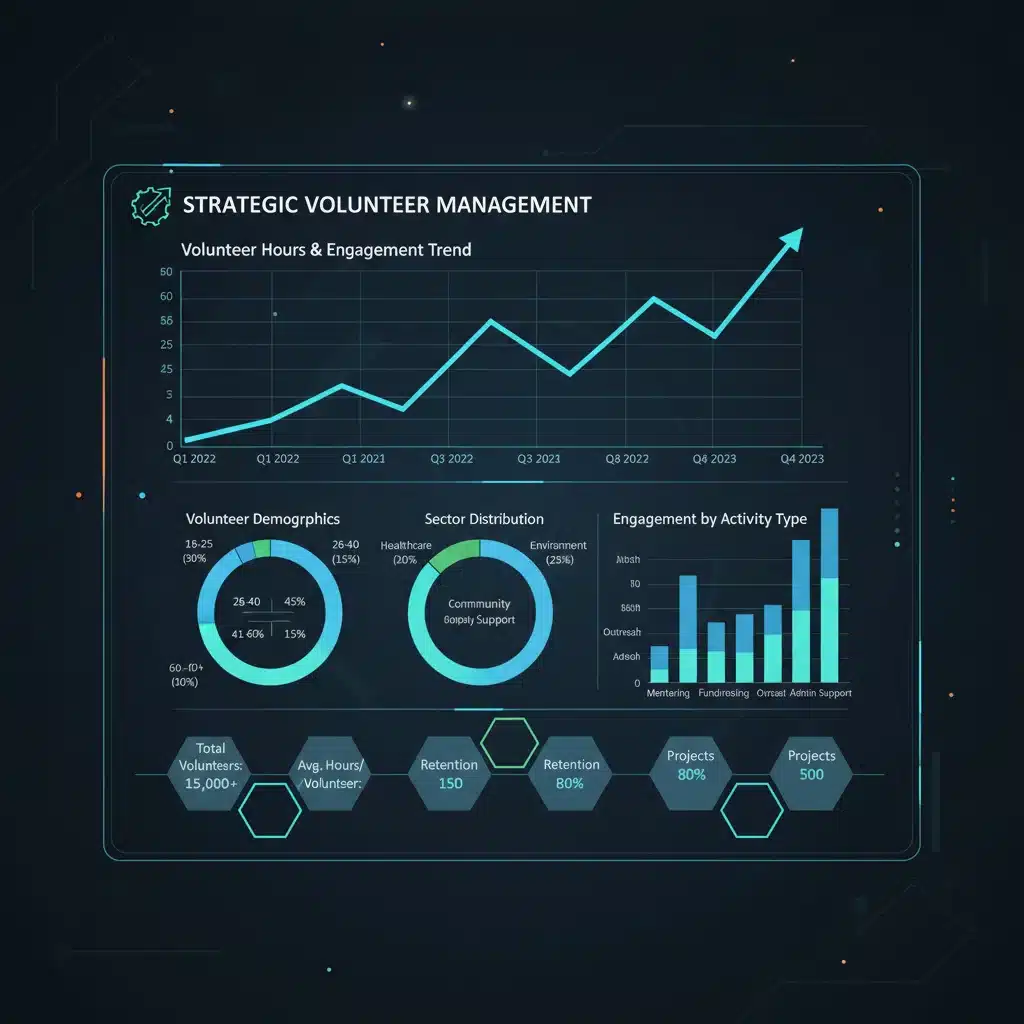
Moving beyond simple hour tracking, organizations need to implement sophisticated data collection and analysis to understand the true value of their volunteer programs. This includes tracking volunteer retention rates, satisfaction levels, skill development, and the direct outcomes of their work. Data can reveal patterns, identify areas for improvement, and provide compelling evidence of impact, which is essential for securing funding, attracting new volunteers, and demonstrating accountability to stakeholders. Leveraging data insights is a non-negotiable aspect of optimizing volunteer programs and achieving the 25% engagement increase.
Storytelling with Data
While raw data is important, translating it into compelling narratives is what truly inspires. Organizations should integrate data points into stories that highlight individual volunteer journeys and the collective impact on the community. For example, instead of just stating ‘500 trees planted,’ share a story about a specific volunteer group, the challenges they overcame, and the long-term environmental benefits for a local park. This blend of quantitative and qualitative reporting makes the impact tangible and emotionally resonant, reinforcing the value of volunteerism and aligning with modern communication strategies that influence National Volunteerism Trends.
Recognizing and Appreciating Volunteers
A simple ‘thank you’ goes a long way, but effective volunteer recognition programs are more strategic. They involve understanding what motivates individual volunteers and tailoring appreciation methods accordingly. This could range from public recognition through social media and newsletters to personalized thank-you notes, small tokens of appreciation, or opportunities for advanced roles and leadership. When volunteers feel genuinely appreciated and recognized for their contributions, they are more likely to remain engaged and become advocates for the organization, fostering a positive cycle of participation and contributing to sustained growth in local engagement. This human element remains vital amidst all technological advancements and trends.

Addressing Challenges and Future-Proofing Volunteer Programs
While the opportunities are immense, organizations must also be prepared to address potential challenges that could hinder the growth of national volunteerism. Proactive planning is key to future-proofing volunteer programs and ensuring sustained success.
Economic Fluctuations and Time Scarcity
Economic downturns can impact individuals’ ability to volunteer, as they may prioritize paid work or face increased financial pressures. Similarly, modern lifestyles often mean less free time. Organizations must be innovative in structuring volunteer roles to accommodate these realities, offering flexible schedules, micro-volunteering options, and opportunities that integrate with daily routines. Advocating for employer-supported volunteer programs can also help mitigate time scarcity, making it easier for individuals to contribute without sacrificing work commitments.
Volunteer Burnout and Retention
High engagement is desirable, but it can lead to burnout if not managed effectively. Organizations need to prioritize volunteer well-being by providing adequate support, training, and opportunities for breaks. Regularly checking in with volunteers, offering mental health resources, and ensuring a positive and supportive environment are crucial for long-term retention. A healthy and happy volunteer base is the most sustainable asset an organization can have. Addressing burnout is critical for maintaining the momentum of National Volunteerism Trends.
Navigating Global and Local Crises
The past few years have demonstrated the profound impact of global crises on volunteerism, from pandemics to natural disasters. Organizations must develop robust contingency plans to adapt their volunteer programs during times of crisis, leveraging virtual tools and ensuring the safety of their volunteers. Agility and resilience are key to maintaining continuity and mobilizing support when communities need it most. The ability to pivot quickly and effectively will be a defining characteristic of successful volunteer programs in 2026 and beyond, directly influencing how we perceive and respond to National Volunteerism Trends.
Strategic Planning for a 25% Increase in Local Engagement
Achieving a 25% increase in local engagement by 2026 requires more than just good intentions; it demands a strategic, well-orchestrated plan. This plan must integrate the insights derived from the evolving National Volunteerism Trends into every facet of volunteer management and program development.
Develop a Comprehensive Volunteer Engagement Strategy
The first step is to create a detailed strategy that outlines specific goals, target demographics, recruitment channels, training protocols, and recognition programs. This strategy should be aligned with the organization’s overall mission and vision, clearly articulating how volunteers contribute to its success. It should also incorporate feedback mechanisms to continuously improve the volunteer experience. A well-defined strategy provides a roadmap for growth and ensures that all efforts are coordinated and impactful.
Invest in Volunteer Leadership Development
Empowering volunteers to take on leadership roles is a powerful way to foster deeper engagement and build capacity. This includes identifying promising volunteers, providing them with advanced training, and offering opportunities to mentor new recruits or lead specific projects. Volunteer leaders not only extend the reach of the organization but also become passionate advocates, inspiring others to join. Investing in their growth demonstrates trust and commitment, strengthening the volunteer community from within.
Cultivate a Culture of Appreciation and Impact
Beyond formal recognition programs, cultivating an organizational culture that genuinely values and appreciates volunteers is paramount. This means integrating volunteer contributions into all levels of communication, from board meetings to public reports. Regularly sharing stories of volunteer impact, celebrating milestones, and creating opportunities for volunteers to connect with staff and beneficiaries can significantly enhance their sense of belonging and purpose. A strong culture of appreciation transforms volunteers from temporary helpers into integral members of the organizational family, driving the National Volunteerism Trends forward.
Leverage Data for Continuous Improvement
Regularly collecting and analyzing data on volunteer engagement, satisfaction, and impact is essential for identifying what works well and where improvements are needed. This data should inform strategic adjustments, allowing organizations to adapt to changing volunteer needs and preferences. Tools for surveys, feedback forms, and performance tracking can provide valuable insights that refine recruitment strategies, enhance training, and optimize volunteer roles, ensuring that programs remain relevant and effective in achieving increased local engagement.
Conclusion: A Path to Greater Local Engagement
The journey towards a 25% greater local engagement by 2026 is an ambitious but achievable goal. By understanding and proactively responding to the emerging National Volunteerism Trends – from shifting motivations and technological advancements to community-centric approaches and data-driven impact measurement – organizations can unlock unprecedented levels of civic participation. The future of volunteerism is dynamic, requiring adaptability, innovation, and a steadfast commitment to creating meaningful opportunities for individuals to contribute to their communities.
Embracing flexibility, leveraging digital tools, fostering inclusive environments, and demonstrating tangible impact will be the cornerstones of successful volunteer programs. As we move closer to 2026, the collective effort of organizations, communities, and individuals in harnessing these trends will not only meet the target of increased local engagement but will also build stronger, more resilient, and more connected societies. The power of volunteerism to transform lives and communities remains immeasurable, and by strategically navigating these trends, we can ensure its continued growth and profound positive impact.