The Future of Work: How Hybrid Models Are Evolving Since Early 2026 – An Insider’s Look
The Future of Work: How Hybrid Models Are Evolving Since Early 2026 – An Insider’s Look
The landscape of work has been in constant flux for decades, but the period leading up to and following early 2026 has marked a pivotal acceleration in the evolution of hybrid work models. What began as a necessity born out of global events has transformed into a strategic imperative, reshaping how organizations operate, how employees engage, and how culture is fostered. This insider’s look delves deep into the nuances of this transformation, exploring the key drivers, challenges, and success strategies that define the modern hybrid workplace. Understanding this Hybrid Work Evolution is not just about adapting; it’s about thriving in a perpetually changing professional world.
Before 2026, many companies viewed hybrid work as a temporary solution or a perk. However, the consistent demonstration of its potential for increased productivity, enhanced employee satisfaction, and broader talent pools has solidified its position as a foundational element of future-forward business strategies. We’re no longer talking about a simple split between working from home or the office; we’re witnessing the emergence of sophisticated, data-driven, and highly personalized work arrangements that prioritize both organizational goals and individual well-being. This article will unpack these complex layers, providing a comprehensive overview of the current state and future trajectory of this dynamic model.
The Pre-2026 Landscape: Laying the Groundwork for Hybrid Work Evolution
To truly appreciate the advancements since early 2026, it’s crucial to understand the foundation upon which the current hybrid work models are built. The initial foray into remote and hybrid setups was often characterized by trial and error. Companies grappled with technology limitations, communication breakdowns, and the struggle to maintain company culture across distributed teams. The prevailing sentiment was often one of reaction rather than proactive design.
Early iterations of hybrid work typically involved a fixed schedule – perhaps two days in the office, three days remote – or a more fluid but often ad-hoc arrangement. While these models offered some flexibility, they frequently lacked the strategic integration necessary for long-term success. Infrastructure was often patchwork, consisting of hastily adopted video conferencing tools and cloud storage solutions. Security concerns were paramount, and the digital divide became more apparent, highlighting disparities in access to reliable internet and suitable home office environments.
The lessons learned from this early period were invaluable. Organizations began to recognize that successful hybrid work wasn’t just about location; it was about trust, clear communication, robust technology, and a renewed focus on outcomes over presence. This understanding set the stage for the accelerated Hybrid Work Evolution we’ve observed since 2026, pushing companies to invest more deeply in foundational elements and strategic planning.
Technological Advancements: Powering the New Hybrid Frontier
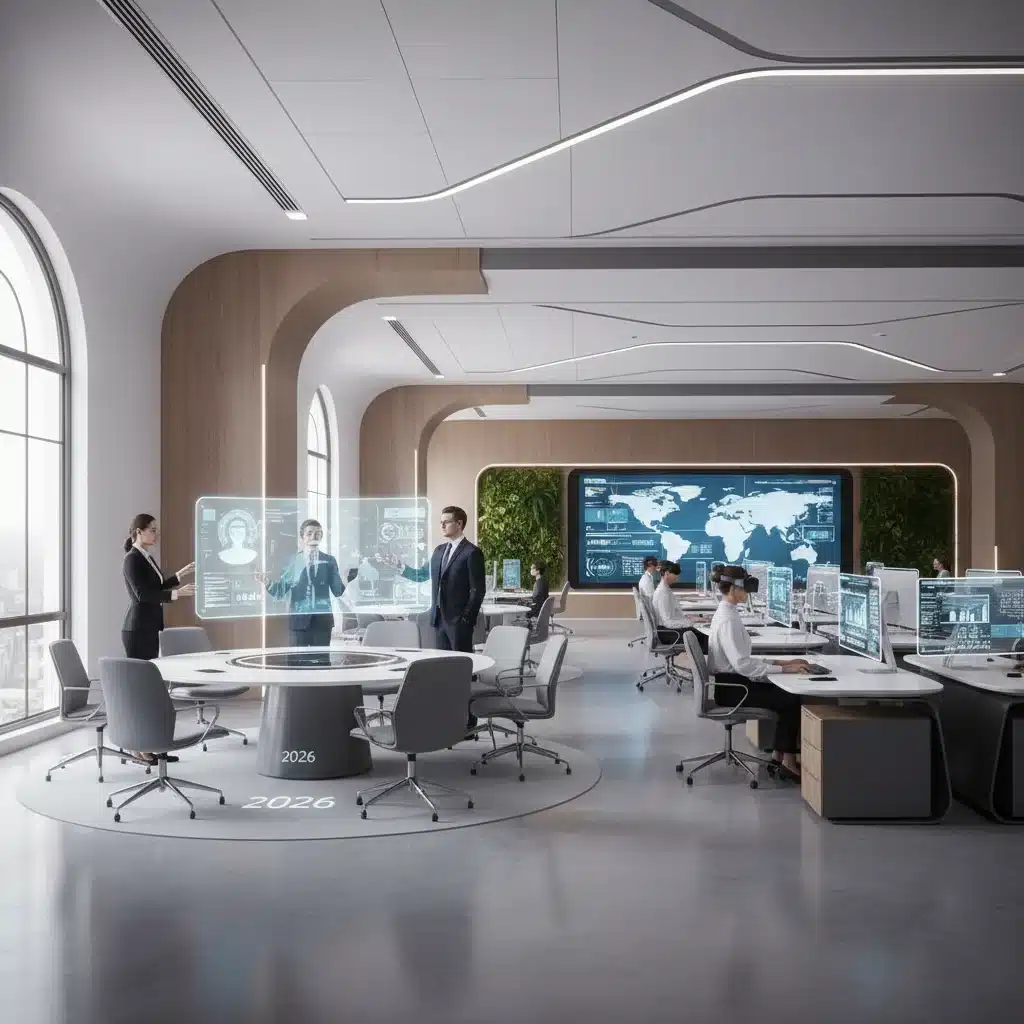
The technological leap since early 2026 has been a primary catalyst for the refined hybrid work experience. We’ve moved beyond basic video calls to integrated platforms that simulate in-person collaboration with remarkable fidelity. Augmented Reality (AR) and Virtual Reality (VR) are no longer futuristic concepts but practical tools for immersive meetings, training, and even virtual office environments. These technologies are bridging geographical gaps in ways previously unimaginable, creating a more cohesive and engaging experience for distributed teams.
Artificial Intelligence (AI) plays an increasingly critical role, optimizing schedules, personalizing workflows, and even predicting potential burnout to recommend proactive interventions. AI-powered tools assist in managing complex hybrid calendars, ensuring equitable access to resources, and facilitating seamless transitions between remote and office-based work. From intelligent noise-canceling software that cleans up home office audio to AI-driven insights into team dynamics, technology is making hybrid work more efficient, inclusive, and sustainable.
Furthermore, cybersecurity measures have evolved significantly, offering more robust protection for distributed data and devices. Zero-trust architectures and advanced encryption are standard, allowing employees to work securely from any location. The integration of these advanced technologies has not only streamlined operations but has also instilled a greater sense of confidence in the long-term viability and security of hybrid models, driving the current phase of Hybrid Work Evolution.
Redefining Workplace Culture: Beyond the Physical Office
Perhaps one of the most profound shifts in the Hybrid Work Evolution since early 2026 has been the conscious effort to redefine workplace culture. The traditional hallmarks of office culture – water cooler conversations, spontaneous brainstorming, and shared lunch breaks – have been reimagined for a distributed environment. Companies are now actively designing cultural touchpoints that transcend physical proximity.
This involves intentional strategies for fostering connection and belonging. Virtual team-building events have become more sophisticated, incorporating gamification and interactive elements. Digital communication channels are curated to encourage both formal and informal interactions, providing spaces for casual chats and idea sharing. Leadership training now heavily emphasizes empathy, clear communication, and the ability to manage and motivate a diverse, geographically dispersed workforce.
Moreover, the focus has shifted from mere presence to impact and psychological safety. Organizations are prioritizing transparency, open feedback loops, and creating an environment where all voices, regardless of location, are heard and valued. This cultural recalibration is vital for ensuring that hybrid models do not inadvertently create a two-tiered system where office-based employees receive preferential treatment or opportunities. The commitment to an inclusive and equitable culture is a cornerstone of successful hybrid implementation post-2026.
Strategic Implementation: Crafting Effective Hybrid Policies
The haphazard approach to hybrid work seen in earlier years has largely given way to highly strategic and data-driven policy development. Since early 2026, organizations are investing heavily in understanding their specific needs and tailoring hybrid models accordingly. There’s no longer a one-size-fits-all solution; instead, companies are adopting flexible frameworks that can be adapted to different teams, roles, and individual circumstances.
Key elements of strategic hybrid policies include clear guidelines on expectations for in-office days, remote work protocols, and communication standards. Companies are using analytics to determine optimal office utilization, identify peak collaboration times, and understand how different work arrangements impact productivity and well-being. This data-informed approach allows for continuous refinement and optimization of hybrid strategies. The emphasis is on flexibility with structure, providing employees with autonomy while ensuring organizational cohesion and performance.
Furthermore, organizations are recognizing the importance of equipping employees with the right tools and support, regardless of their location. This includes providing ergonomic home office setups, access to mental health resources, and professional development opportunities tailored for a hybrid environment. The strategic implementation of these policies is critical for navigating the ongoing Hybrid Work Evolution successfully, ensuring that flexibility doesn’t come at the cost of equity or efficiency.
The Employee Experience: Empowerment and Well-being at the Core
A significant driver of the Hybrid Work Evolution since 2026 has been the heightened focus on the employee experience. Organizations have realized that attracting and retaining top talent in a competitive market requires more than just competitive salaries; it demands an environment that supports employee well-being, fosters growth, and offers genuine flexibility. Hybrid models, when implemented thoughtfully, can deliver on these fronts.
Empowerment is a central theme. Employees are increasingly given agency over where and how they work, within established guidelines. This autonomy contributes to higher job satisfaction and a greater sense of ownership. Companies are also prioritizing work-life integration, acknowledging that the lines between personal and professional life have blurred. This means offering flexible hours, promoting digital detoxes, and encouraging employees to take advantage of the flexibility hybrid work offers to pursue personal interests and responsibilities.
Well-being initiatives have become more sophisticated, moving beyond generic wellness programs to personalized support. This includes access to virtual counseling, mindfulness resources, and even AI-driven tools that detect signs of stress or overwork. The goal is to create a sustainable work environment where employees feel supported, valued, and capable of performing their best, whether they are in the office or working remotely. This holistic approach to the employee experience is non-negotiable in the current hybrid landscape.
Challenges and Mitigation: Navigating the Complexities of Hybrid Work
Despite the numerous benefits, the Hybrid Work Evolution is not without its challenges. Maintaining a cohesive company culture, ensuring equitable opportunities for all employees, and managing potential communication silos remain ongoing concerns. However, organizations are becoming more adept at identifying and mitigating these issues proactively.
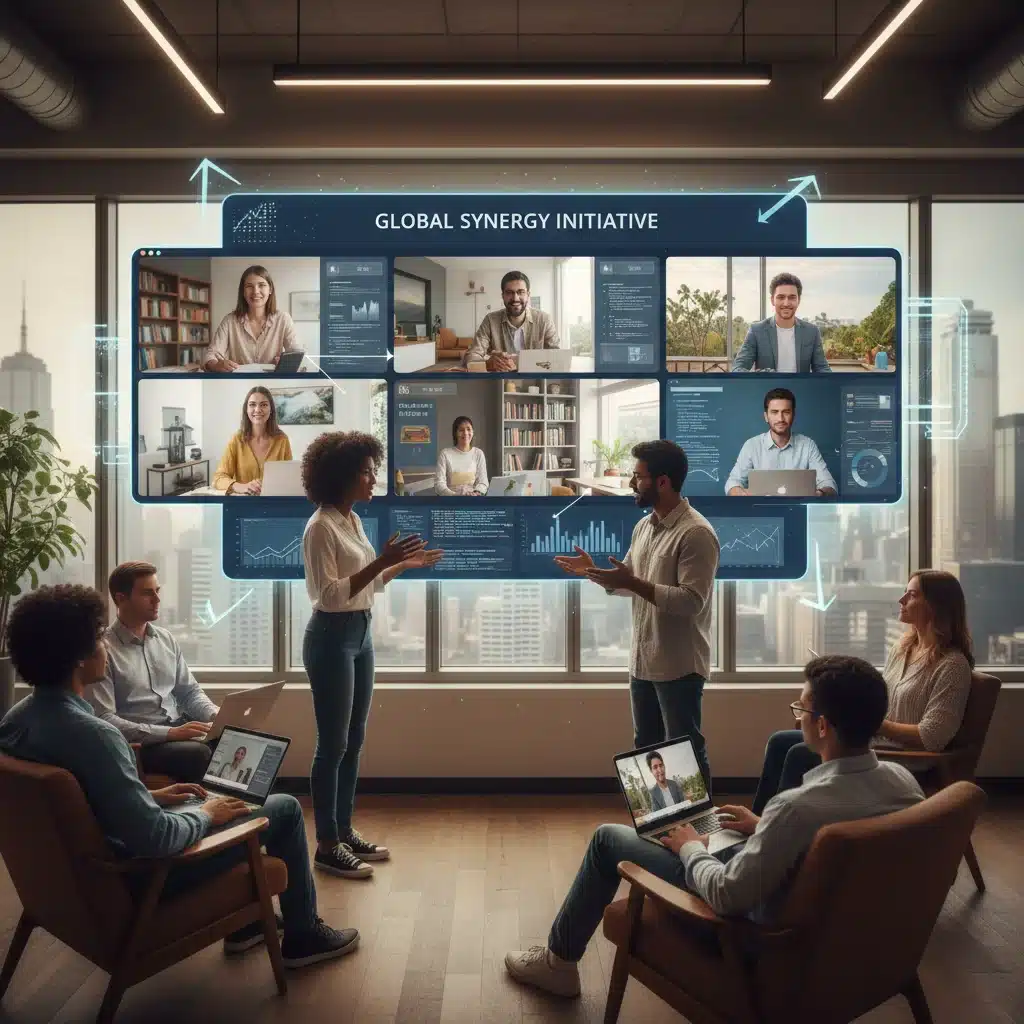
One common challenge is the risk of a ‘two-tier’ system, where remote employees might feel disconnected or overlooked compared to their in-office counterparts. To combat this, companies are implementing ‘remote-first’ meeting policies, where all participants join virtually, even if some are in the same physical office. This ensures everyone is on an equal footing regarding participation and access to information. Regular check-ins, mentorship programs, and dedicated virtual social events also help bridge geographical divides.
Another hurdle is ensuring effective collaboration when teams are dispersed. This is being addressed through the adoption of advanced collaboration platforms, project management tools designed for hybrid teams, and dedicated ‘collaboration days’ where teams are encouraged to come into the office together for specific tasks. Training for both managers and employees on effective hybrid communication and collaboration techniques is also crucial. By actively addressing these challenges, organizations are continually refining their hybrid models to maximize effectiveness and inclusivity.
The Role of Leadership in the Hybrid Paradigm
Effective leadership has become even more critical in shaping the success of the Hybrid Work Evolution. Leaders are no longer just managing tasks; they are orchestrating complex work environments, fostering trust, and championing adaptability. The skills required for hybrid leadership have evolved significantly since early 2026.
Today’s hybrid leaders must excel at empathetic communication, active listening, and building psychological safety across distributed teams. They need to be adept at leveraging technology to connect with employees, provide clear direction, and offer continuous feedback. Trust is paramount, as leaders must empower their teams to work autonomously while providing the necessary support and resources. This means shifting from a ‘command and control’ mentality to one of enablement and coaching.
Furthermore, hybrid leaders are responsible for modeling desired behaviors, such as work-life balance and effective digital communication. They play a crucial role in shaping the organizational culture to be inclusive and equitable for all employees, regardless of their work location. Investing in leadership development programs specifically designed for the hybrid context is a key strategy for ensuring sustained success in this evolving work model.
Measuring Success: Metrics Beyond Presence
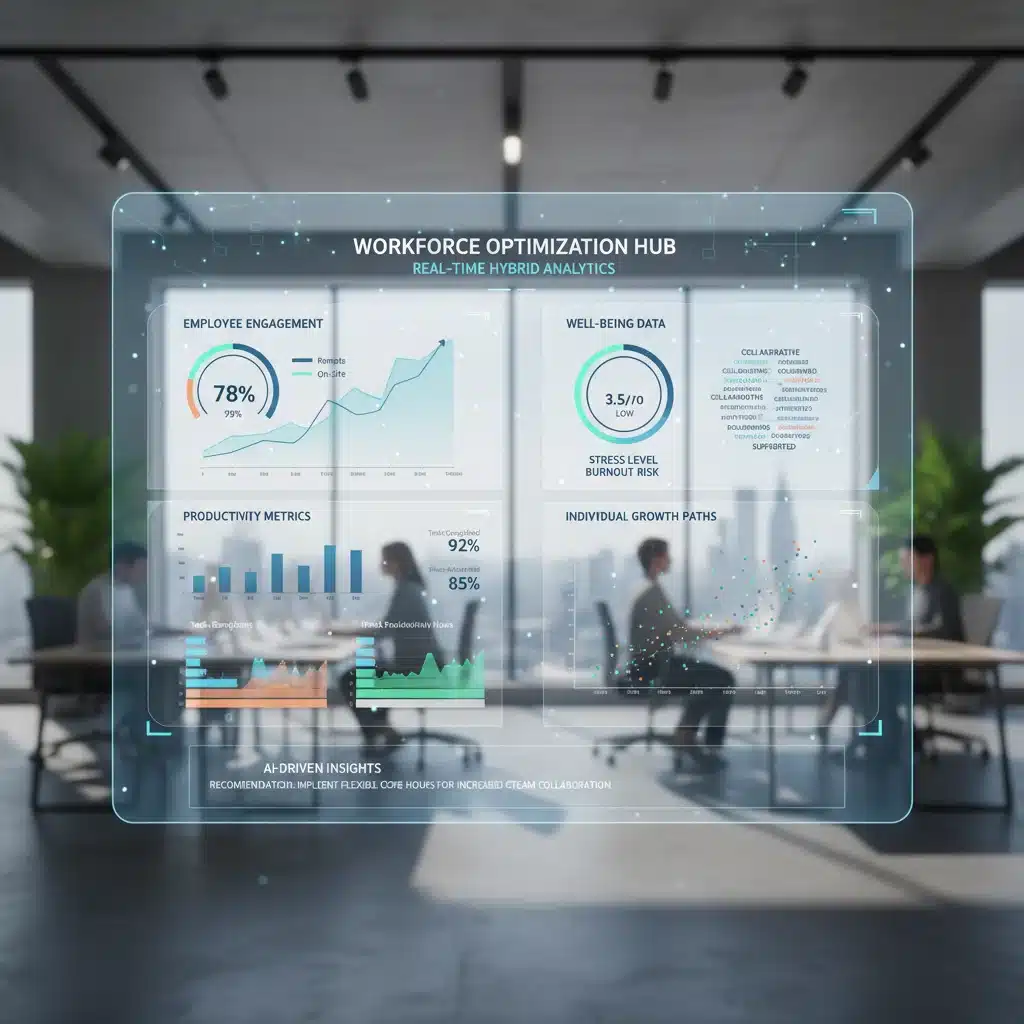
The metrics for evaluating the success of hybrid work have also undergone a significant transformation since early 2026. The outdated focus on hours spent in the office has been replaced by more sophisticated, outcome-oriented measures. Organizations are now leveraging data analytics to gain deeper insights into productivity, employee engagement, well-being, and retention within their hybrid frameworks.
Key performance indicators (KPIs) now include objective measures of output, project completion rates, and customer satisfaction, rather than simply tracking attendance. Employee engagement surveys are conducted more frequently and are designed to capture nuances of the hybrid experience, such as feelings of inclusion, access to resources, and opportunities for growth. Well-being metrics, including stress levels and work-life balance perceptions, are also closely monitored to ensure that flexibility doesn’t lead to overwork.
Retention rates and talent acquisition success in a hybrid environment are also crucial indicators. Companies that successfully implement hybrid models often report lower turnover and a broader access to talent, as geographical limitations become less of a barrier. By focusing on these comprehensive metrics, organizations can continuously assess and refine their hybrid strategies, ensuring they align with both business objectives and employee needs, thereby driving the positive trajectory of the Hybrid Work Evolution.
Future Outlook: What’s Next for Hybrid Work?
The Hybrid Work Evolution is far from over. Looking ahead, we can anticipate even more dynamic and personalized work arrangements. The concept of ‘fluid work’ – where employees have even greater autonomy to choose their work location and schedule based on task requirements and personal preferences – is gaining traction. This pushes the boundaries of traditional hybrid models, offering ultimate flexibility.
Further advancements in immersive technologies, such as the metaverse, could create entirely new virtual workspaces that seamlessly blend with physical ones, offering unparalleled collaboration and social interaction possibilities. We might see the rise of ‘digital twins’ of physical offices, allowing remote workers to navigate and interact with office resources as if they were physically present.
The focus on sustainability will also influence hybrid work, with companies optimizing travel and energy consumption associated with office spaces. The ongoing integration of AI will continue to personalize the employee experience, from tailored learning paths to predictive support for well-being. Ultimately, the future of work will likely be characterized by an even greater emphasis on human-centric design, where technology serves to empower individuals and foster thriving, adaptable organizations. The journey of the Hybrid Work Evolution is a testament to humanity’s capacity for innovation and adaptation in the face of change.
Conclusion: Embracing the Evolving Hybrid Paradigm
The period since early 2026 has undeniably marked a significant chapter in the Hybrid Work Evolution. What started as a pragmatic response to unforeseen circumstances has blossomed into a sophisticated, strategically integrated, and human-centric approach to work. Organizations that have embraced this evolution have leveraged technological advancements, redefined their cultures, implemented data-driven policies, and prioritized the holistic employee experience.
The transition has not been without its challenges, but the proactive and innovative strategies employed by forward-thinking companies demonstrate that these hurdles are surmountable. Effective leadership, a commitment to equity, and a focus on measurable outcomes rather than traditional presence are the pillars of success in this new paradigm. As we look to the future, the hybrid model will continue to adapt and expand, driven by ongoing technological innovation and a deeper understanding of human needs in the workplace.
For businesses and professionals alike, understanding and actively participating in this ongoing transformation is not merely an option but a necessity. The ability to navigate and thrive within the complexities of hybrid work will define organizational resilience and individual career trajectories in the coming years. The journey of the Hybrid Work Evolution is a continuous one, promising a more flexible, inclusive, and ultimately, more productive future for all.