Immersive Learning: Corporate Training Future 2026
The Rise of Immersive Learning in Corporate Training: Projecting 30% Adoption by 2026
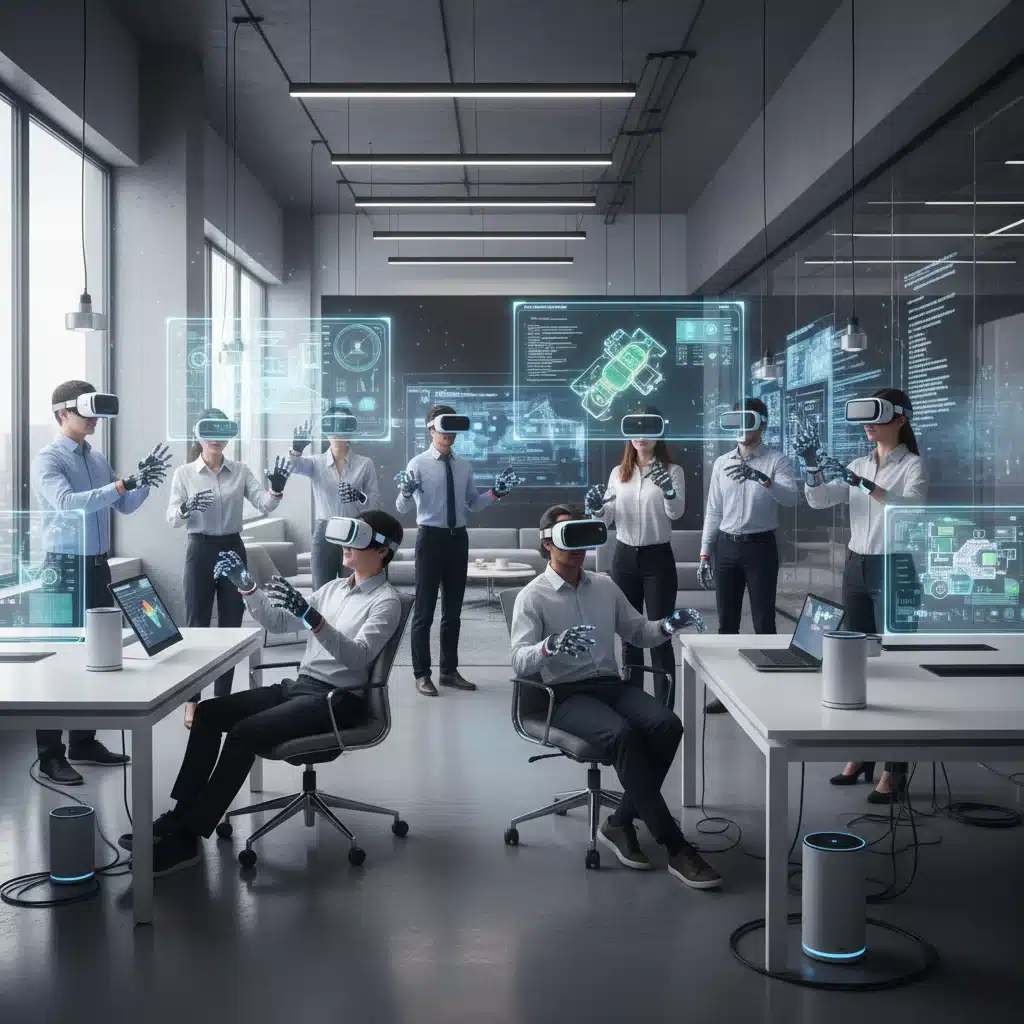
In an era defined by rapid technological advancement and an ever-evolving global marketplace, the methods by which organizations train and develop their workforce are undergoing a profound transformation. Traditional classroom settings and static e-learning modules, while still possessing their merits, are increasingly being complemented, and in some cases, supplanted, by more dynamic and engaging methodologies. At the forefront of this revolution is immersive learning corporate training, a paradigm that leverages technologies like Virtual Reality (VR), Augmented Reality (AR), and Mixed Reality (MR) to create highly interactive and experiential educational environments. The shift is not merely a fleeting trend; industry analysts and forward-thinking organizations are projecting a significant surge in its adoption, with estimates suggesting that immersive learning experiences will penetrate 30% of corporate training programs by 2026. This projected growth underscores a fundamental recognition of immersive learning’s unparalleled ability to enhance engagement, accelerate skill acquisition, and drive measurable performance improvements across various sectors.
The allure of immersive learning lies in its capacity to transport learners into simulated environments where they can practice skills, make decisions, and experience consequences in a safe, controlled, and yet highly realistic setting. This contrasts sharply with passive learning approaches, fostering a deeper understanding and retention of complex information. For businesses navigating the complexities of digital transformation, skill gaps, and the need for continuous professional development, immersive learning corporate training offers a potent solution. It addresses critical challenges such as scalability, consistency of training delivery, and the often-cited difficulty in translating theoretical knowledge into practical application. As we delve deeper into this transformative subject, we will explore the underlying drivers of this growth, the diverse technological landscape supporting it, the tangible benefits for both employees and organizations, and the strategic considerations for successful implementation.
Understanding Immersive Learning: Beyond the Hype
Before examining the projected adoption rates and strategic implications, it’s crucial to establish a clear understanding of what constitutes immersive learning. At its core, immersive learning refers to educational experiences that simulate real-world scenarios, allowing learners to actively participate and interact within a digital environment. This goes beyond traditional multimedia by placing the learner inside the experience, fostering a sense of presence and enabling hands-on practice without real-world risks or resource constraints. The primary technologies driving this revolution include:
- Virtual Reality (VR): Fully simulated digital environments that completely replace the user’s real-world view. VR is ideal for scenarios requiring full focus and intricate simulations, such as surgical training, complex machinery operation, or customer service role-playing.
- Augmented Reality (AR): Overlays digital information onto the real world. AR enhances real-world tasks by providing contextual information, instructions, or visual aids directly in the user’s field of view. Think of maintenance technicians guided by digital instructions on actual equipment or sales teams visualizing products in a client’s space.
- Mixed Reality (MR): Blends physical and digital worlds, allowing for interaction between real and virtual objects. MR offers the most sophisticated level of immersion, where digital holograms can be manipulated as if they were physically present, enabling collaborative design reviews or intricate assembly training.
The effectiveness of immersive learning corporate training stems from several psychological and pedagogical principles. Firstly, it leverages the power of experiential learning, where individuals learn best by doing. Secondly, the high level of engagement inherent in immersive environments significantly boosts attention and motivation. Thirdly, the ability to repeat scenarios provides ample opportunity for deliberate practice, leading to mastery. Finally, the safe-to-fail environment encourages experimentation and learning from mistakes without adverse consequences, a critical factor for developing complex skills.
The Driving Forces Behind the 30% Adoption Rate by 2026
The projection of a 30% adoption rate for immersive learning corporate training by 2026 is not an arbitrary figure but is grounded in several compelling factors that are reshaping the corporate learning landscape:
Technological Maturation and Accessibility
The cost and complexity associated with VR, AR, and MR hardware and software have significantly decreased in recent years. Headsets are becoming more affordable, comfortable, and user-friendly. Development platforms are more robust and accessible, lowering the barrier to entry for content creation. This maturation makes large-scale deployment within corporate environments increasingly feasible.
The Remote and Hybrid Work Revolution
The widespread adoption of remote and hybrid work models has necessitated new approaches to training. Immersive learning offers a powerful solution, enabling geographically dispersed teams to undergo consistent, high-quality training experiences without the need for physical travel. It facilitates collaborative learning in virtual spaces, bridging geographical divides and fostering a sense of shared experience.
Addressing the Skills Gap and Future-Proofing the Workforce
Industries worldwide are grappling with rapidly evolving skill requirements, particularly in areas like advanced manufacturing, cybersecurity, and data analytics. Traditional training methods often struggle to keep pace. Immersive learning, with its ability to simulate complex scenarios and provide hands-on practice, is uniquely positioned to rapidly upskill and reskill employees for future roles, making it a critical tool for workforce development.
Enhanced Learning Outcomes and ROI
Organizations are increasingly demanding demonstrable returns on their learning and development (L&D) investments. Studies and early adopters of immersive learning corporate training have reported significant improvements in learning retention, faster skill acquisition, reduced training time, and decreased costs associated with real-world practice (e.g., fewer raw materials wasted, less equipment downtime). These tangible benefits provide a strong business case for adoption.
Demand for Engaging Learning Experiences
Modern learners, particularly younger generations entering the workforce, expect engaging, interactive, and personalized learning experiences. Passive lectures or text-heavy modules often fail to capture their attention. Immersive learning caters to this demand by offering dynamic, game-like, and highly interactive content that resonates with contemporary learning preferences, thereby boosting learner satisfaction and completion rates.
Key Applications and Use Cases in Corporate Training
The versatility of immersive learning corporate training allows for its application across a wide spectrum of industries and job functions. Here are some prominent use cases:
Onboarding and Orientation
New hires can explore virtual offices, meet virtual colleagues, and learn about company culture and processes in an engaging way before their first day. This can significantly reduce ramp-up time and improve early employee satisfaction.
Technical Skills Training
From operating heavy machinery and performing intricate surgical procedures to assembling complex electronic components, immersive environments allow for risk-free practice. Trainees can repeat tasks until mastery, receiving immediate feedback without damaging expensive equipment or endangering lives.
Soft Skills Development
Role-playing scenarios in VR can effectively train employees in customer service, sales techniques, leadership, de-escalation, and diversity and inclusion. Learners can practice difficult conversations, receive feedback on their body language and tone, and refine their interpersonal skills in a controlled environment.
Safety and Compliance Training
Simulating hazardous environments, emergency procedures, or compliance protocols in VR provides a highly effective and safe way to train employees. This ensures they understand and can react appropriately to critical situations without actual risk.
Product Knowledge and Sales Training
Sales teams can use AR to showcase products in a client’s environment or VR to explore complex product features interactively. This enhances understanding, boosts confidence, and improves sales pitches.
Building an Immersive Learning Ecosystem: Strategic Considerations
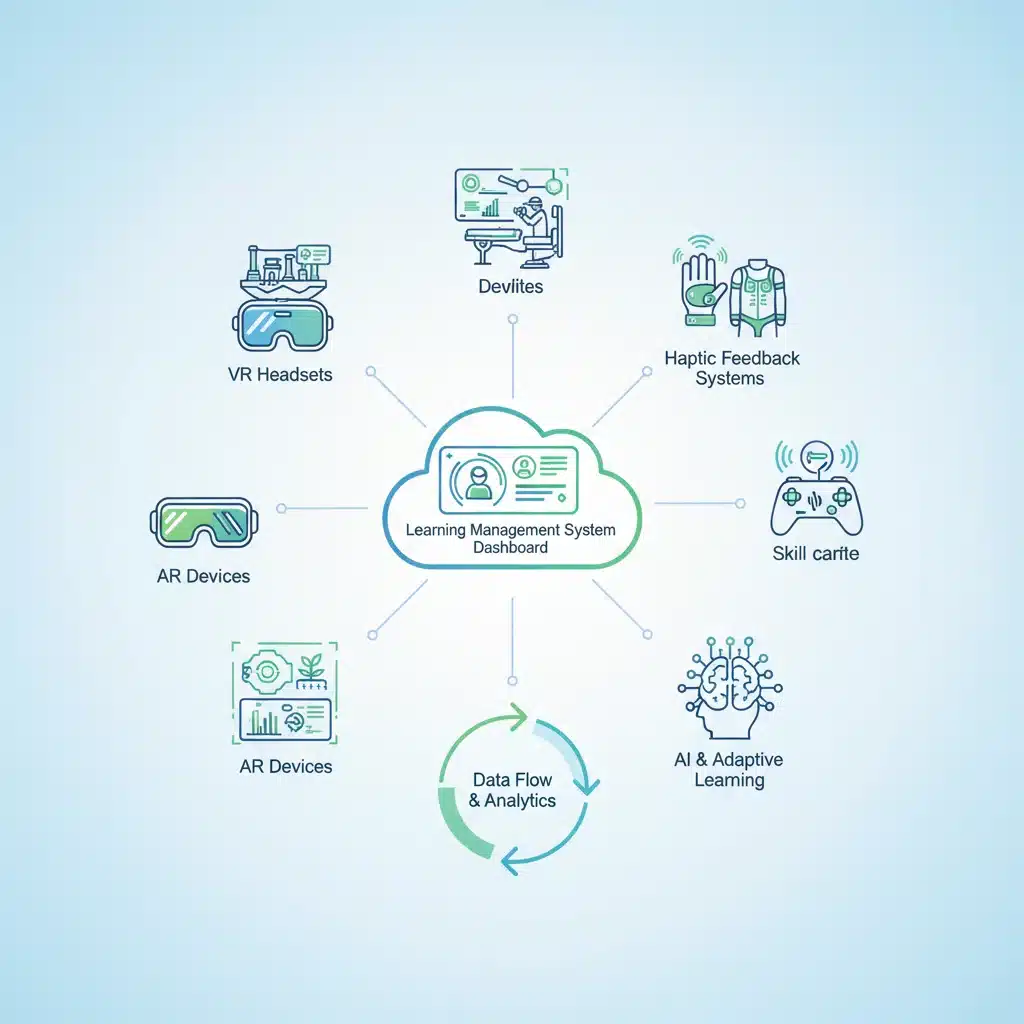
Achieving a 30% adoption rate for immersive learning corporate training by 2026 requires more than just acquiring hardware; it demands a strategic approach to building a comprehensive immersive learning ecosystem. Organizations must consider several critical elements for successful implementation:
Content Development Strategy
High-quality, relevant content is the backbone of any effective immersive learning program. This involves instructional design tailored for immersive environments, often requiring collaboration with 3D artists, developers, and subject matter experts. Organizations must decide whether to develop content in-house, outsource to specialized vendors, or leverage off-the-shelf solutions.
Hardware and Software Infrastructure
Selecting the right VR/AR headsets, haptic feedback devices, and supporting software platforms is crucial. Factors like scalability, ease of use, compatibility, and cost must be carefully evaluated. A robust content management system (CMS) or Learning Management System (LMS) capable of integrating with immersive content is also essential for tracking progress and managing deployments.
Pilot Programs and Iterative Development
Starting with pilot programs in specific departments or for particular training needs allows organizations to test the waters, gather feedback, and demonstrate value before a broader rollout. An iterative development approach ensures that programs are continuously refined and optimized based on learner experience and performance data.
Instructor Training and Support
Even with highly immersive experiences, the role of the instructor remains vital. Trainers need to be equipped with the skills to facilitate learning in virtual environments, guide discussions, and provide personalized feedback. Adequate technical support is also necessary to ensure smooth operation and troubleshoot any issues.
Measurement and Evaluation
To justify the investment and ensure continuous improvement, organizations must establish clear metrics for success. This includes measuring engagement rates, skill acquisition, performance improvements, cost savings, and learner satisfaction. Data analytics from immersive platforms can provide invaluable insights into learning effectiveness.
Challenges and How to Overcome Them
While the benefits of immersive learning corporate training are undeniable, its widespread adoption is not without challenges. Addressing these proactively will be key to reaching the 30% projection:
Cost of Initial Investment
Despite decreasing costs, the initial investment in hardware, software licenses, and content development can still be substantial. Organizations can mitigate this by starting small, focusing on high-impact training areas, and demonstrating clear ROI to secure further funding.
Content Creation Complexity
Developing compelling and effective immersive content requires specialized skills and resources. Partnering with experienced immersive content developers or investing in internal capabilities through training can help overcome this hurdle.
Technological Integration
Integrating new immersive technologies with existing L&D systems and IT infrastructure can be complex. A phased approach, with careful planning and collaboration between L&D, IT, and external vendors, is essential.
Motion Sickness and User Comfort
Some users may experience motion sickness or discomfort, particularly with VR. Careful content design, shorter initial sessions, and encouraging breaks can help alleviate these issues. Advances in hardware are also continuously improving comfort.
Resistance to Change
Employees and even L&D professionals might be resistant to adopting new technologies. Effective change management, clear communication of benefits, and involving users in the design process can foster acceptance and enthusiasm.

The Future Landscape: What to Expect Post-2026
The projected 30% adoption rate by 2026 is merely a stepping stone. Beyond this milestone, the landscape of immersive learning corporate training is expected to evolve even further, driven by continued technological innovation and a deeper understanding of human learning. We can anticipate:
Hyper-Personalization and Adaptive Learning
AI will play an increasingly significant role in tailoring immersive learning experiences to individual learner needs, preferences, and progress. Adaptive algorithms will adjust scenarios, provide personalized feedback, and recommend specific learning paths, optimizing efficiency and effectiveness.
Haptic Feedback and Multi-Sensory Experiences
Beyond visual and auditory immersion, haptic feedback suits and gloves will become more commonplace, allowing learners to ‘feel’ virtual objects and interactions. This will be particularly transformative for manual skills training, enabling a level of realism previously unattainable.
The Metaverse and Collaborative Learning Spaces
The concept of the metaverse, a persistent and interconnected virtual world, holds immense potential for corporate training. It will enable highly collaborative, multi-user immersive learning environments where teams can connect, train, and innovate together, regardless of their physical location.
Integration with IoT and Digital Twins
The convergence of immersive technologies with the Internet of Things (IoT) and digital twin technology will create powerful training simulations. Imagine training on a digital twin of a factory floor, where real-time data from physical sensors influences the virtual environment, providing an incredibly accurate and dynamic learning experience.
Ethical Considerations and Data Privacy
As immersive learning becomes more pervasive, ethical considerations around data privacy, potential for bias in AI-driven content, and the psychological impact of prolonged immersion will become increasingly important. Organizations will need to develop robust policies and practices to address these concerns.
Conclusion: Embracing the Immersive Future of Corporate Training
The trajectory towards a 30% adoption rate of immersive learning corporate training by 2026 is clear. This isn’t just about adopting new gadgets; it’s about fundamentally rethinking how we empower our workforce to learn, grow, and innovate. Immersive technologies offer an unprecedented opportunity to create learning experiences that are not only highly effective but also deeply engaging and memorable. By providing safe spaces for practice, fostering active participation, and delivering immediate, contextual feedback, VR, AR, and MR are poised to become indispensable tools in the L&D arsenal.
Organizations that proactively embrace this shift, invest strategically in content and infrastructure, and focus on integrating immersive learning into their broader talent development strategies will gain a significant competitive advantage. They will be better equipped to close skill gaps, enhance employee performance, improve retention, and foster a culture of continuous learning. The future of corporate training is immersive, and the time to prepare for and participate in this exciting evolution is now. By understanding the technologies, recognizing the benefits, and addressing the challenges head-on, businesses can successfully navigate this transformative journey and unlock the full potential of their human capital in the years to come.