Traditional American Crafts: A 2026 Cultural Resurgence
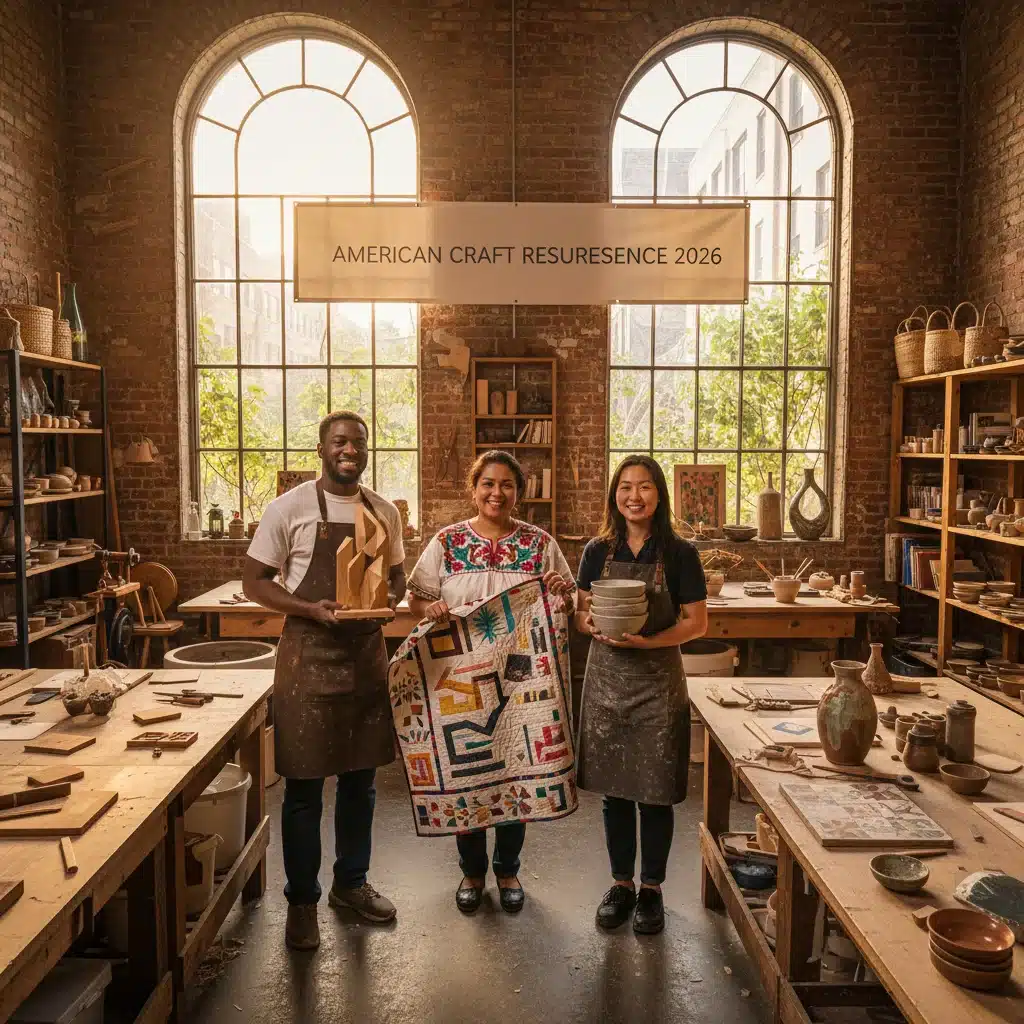
The Enduring Allure of the Handmade: Exploring the American Craft Resurgence of 2026
In an increasingly digitized and mass-produced world, a profound yearning for authenticity, connection, and tangible creation has sparked a remarkable phenomenon: the American Craft Resurgence. As we navigate 2026, this movement is not merely a nostalgic glance backward but a vibrant, forward-looking cultural shift, redefining our relationship with objects, labor, and community. It's a testament to the enduring human desire to create, to connect with materials, and to preserve skills that tell stories of generations past.
The term 'craft' itself has undergone a significant re-evaluation. No longer relegated to niche hobbies or antiquated practices, traditional American crafts are now recognized as vital expressions of cultural identity, economic sustainability, and artistic innovation. From the intricate stitches of quilting to the robust forms of blacksmithing, the delicate beauty of glassblowing to the earthy honesty of pottery, artisans across the nation are breathing new life into time-honored techniques, making them relevant and desirable for a contemporary audience.
This article delves deep into the multifaceted aspects of this resurgence, exploring its historical roots, the driving forces behind its current popularity, the economic and social impacts it generates, and the exciting future it promises for both creators and consumers alike. We will uncover how a renewed appreciation for quality, durability, and ethical production is fueling this movement, transforming local economies and enriching lives.
A Brief History of American Craft and Its Cycles of Revival
To fully appreciate the current American Craft Resurgence, it's essential to understand its historical context. American craft traditions are as diverse as the nation itself, shaped by indigenous practices, European settler influences, and subsequent waves of immigration. Early American crafts were primarily utilitarian, born out of necessity—quilts for warmth, furniture for daily use, tools for farming. Yet, even in their practicality, these items often bore the mark of individual skill and aesthetic sensibility.
The late 19th and early 20th centuries saw the rise of the Arts and Crafts Movement, a direct response to the dehumanizing effects of industrialization. Proponents like William Morris and Gustav Stickley advocated for a return to handcrafted goods, emphasizing natural materials, simple forms, and the dignity of labor. This period laid foundational groundwork for valuing the 'maker' and their unique contribution.
The mid-20th century witnessed another significant craft revival, particularly in the post-war era and during the counterculture movements of the 1960s and 70s. This period emphasized self-sufficiency, artistic expression, and a rejection of consumerism, leading to a boom in pottery, weaving, and jewelry making. Many of the craft schools and guilds that thrive today trace their origins to this era.
However, with the dawn of globalization and the digital age, a brief dip in the mainstream visibility of traditional crafts occurred, as mass-produced goods became cheaper and more accessible. Yet, the seeds of the current resurgence were quietly being sown, nurtured by a growing awareness of environmental issues, a desire for unique products, and the democratizing power of the internet.
Driving Forces Behind the 2026 American Craft Resurgence
The current American Craft Resurgence is propelled by a confluence of powerful societal and economic factors, making it more robust and widespread than previous revivals. Several key elements stand out:
- Quest for Authenticity and Uniqueness: In a world saturated with identical, mass-produced items, consumers are increasingly seeking products with a story, character, and a human touch. Handmade goods offer this authenticity, each piece bearing subtle variations that speak to its unique origin.
- Sustainability and Ethical Consumption: There's a growing global awareness of the environmental impact of fast fashion and disposable goods. Traditional crafts often employ natural, locally sourced materials and sustainable practices, appealing to eco-conscious consumers. The longevity of well-made handcrafted items also reduces waste.
- Support for Local Economies: Buying handmade directly supports individual artisans and small businesses within local communities. This fosters economic resilience and keeps money circulating locally, a significant draw for consumers who want their purchases to have a positive societal impact.
- Digital Enablement and Global Reach: While traditional, craft has embraced modern tools. Online marketplaces (Etsy, Shopify, etc.), social media platforms (Instagram, TikTok), and crowdfunding have provided artisans with unprecedented reach, allowing them to connect directly with customers worldwide and build strong brands without traditional intermediaries.
- Desire for Skill Acquisition and Personal Fulfillment: Beyond consumption, there's a parallel surge in people wanting to learn traditional craft skills themselves. Workshops, online tutorials, and community classes are flourishing, reflecting a desire for hands-on creation, mindfulness, and a break from screen-dominated lives. This active participation further fuels appreciation for the craft sector.
- Reaction Against 'Fast' Culture: The relentless pace of modern life often leaves individuals feeling disconnected. Engaging with craft, either as a maker or a consumer, offers a slower, more deliberate experience. It's a quiet rebellion against the 'fast' culture, emphasizing patience, attention to detail, and the value of time.
- Cultural Preservation: Many traditional crafts are tied to specific cultural heritages. The resurgence helps preserve these invaluable skills and knowledge, ensuring that techniques passed down through generations do not fade away.
Key Sectors Thriving in the American Craft Resurgence
The breadth of the American Craft Resurgence is truly impressive, encompassing a wide array of disciplines. While many traditional crafts are experiencing renewed interest, some sectors are particularly vibrant:
Textile Arts: Weaving a New Narrative
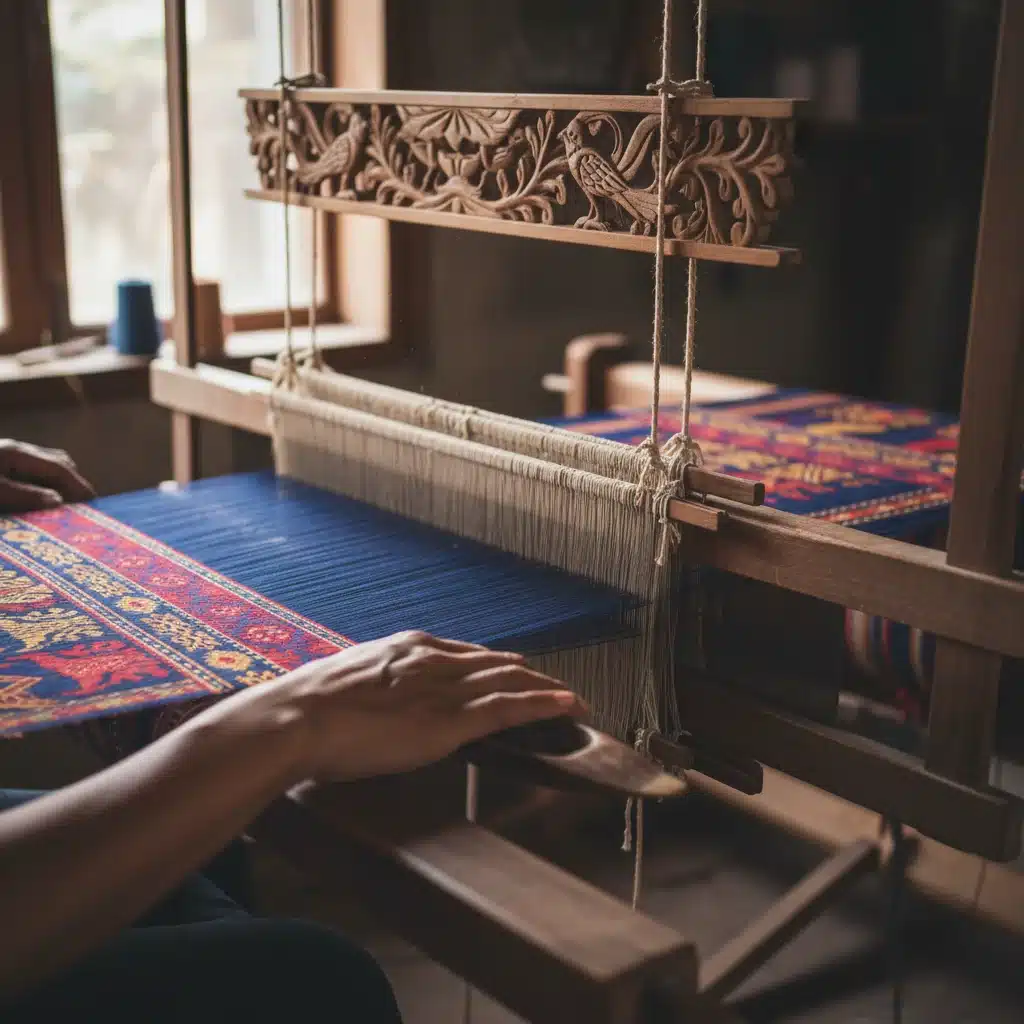
Textile arts, including weaving, quilting, knitting, and natural dyeing, are at the forefront of this movement. Modern quilters are pushing boundaries with contemporary designs while honoring traditional piecing techniques. Hand-woven textiles, from luxurious scarves to durable home goods, are prized for their texture and unique patterns. Natural dyeing, using plant-based pigments, appeals to the eco-conscious consumer and adds an organic beauty to fabrics.
Ceramics and Pottery: From Earth to Art
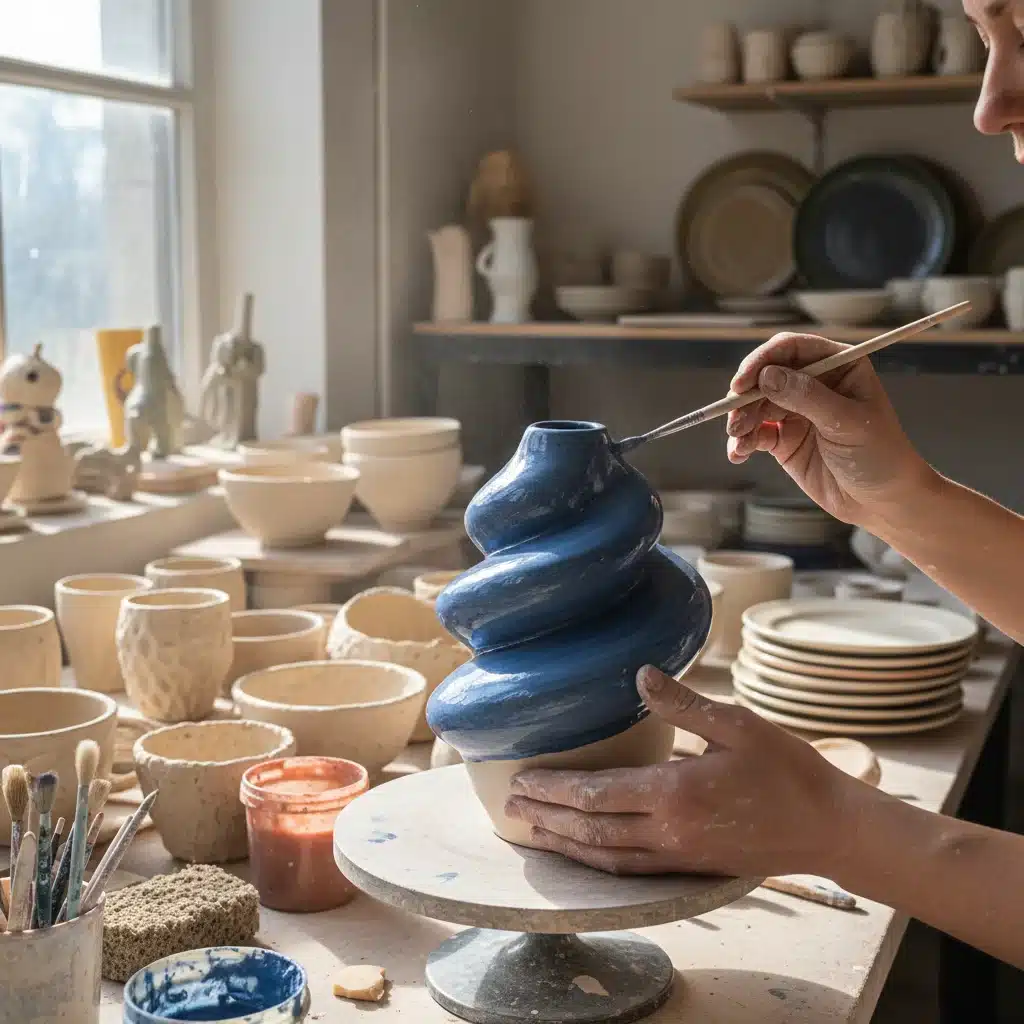
Pottery has seen an explosion in popularity, moving beyond functional dishware to sculptural art pieces. Artisans are experimenting with glazes, firing techniques, and forms, creating pieces that are both beautiful and tactile. The appeal lies in the direct connection to earth materials and the transformative process of clay into durable, artistic objects. Workshops are consistently booked, indicating a strong public interest in learning this ancient art form.
Woodworking and Furniture Making: Crafting Enduring Legacies
Fine woodworking, from intricate joinery to custom furniture, embodies durability and timeless design. Consumers are investing in handcrafted wooden pieces that are built to last, often using sustainably sourced local timbers. This sector emphasizes the beauty of natural wood grains and the skill required to transform raw material into functional art. The 'buy once, buy well' philosophy resonates strongly here.
Metalwork and Jewelry: Forged with Passion
Blacksmithing, once a dying art, is experiencing a robust revival, with artisans creating everything from architectural elements to sculptural garden art. Hand-forged tools and decorative items offer a rugged elegance. In jewelry, independent designers are creating unique, ethically sourced pieces that stand in stark contrast to mass-produced accessories, often incorporating traditional techniques like filigree, granulation, and enameling.
Glass Arts: Light, Form, and Innovation
From blown glass vessels to stained-glass panels and intricate lampworking, glass arts continue to captivate. The skill and precision required to work with molten glass make these pieces particularly awe-inspiring. Modern glass artists are pushing the boundaries of form and color, creating stunning contemporary works while building upon centuries of tradition.
Economic and Social Impact of the American Craft Resurgence
The American Craft Resurgence is more than just an aesthetic trend; it has tangible economic and social benefits:
Boosting Local Economies
Craft businesses are typically small, independent operations that contribute directly to local economies. They source materials locally, employ local talent, and attract tourism through craft fairs, open studios, and workshops. This localized economic activity helps to create diverse and resilient communities, reducing reliance on large, external corporations.
Job Creation and Skill Preservation
The growth of the craft sector creates jobs not only for artisans but also for suppliers, educators, and event organizers. Crucially, it ensures the preservation and transmission of specialized skills that might otherwise be lost. Craft schools, apprenticeships, and mentorship programs are vital in passing down knowledge from one generation to the next, safeguarding cultural heritage.
Community Building and Connection
Craft inherently fosters community. Workshops, guilds, and markets bring people together around shared interests, encouraging collaboration, knowledge sharing, and social interaction. This sense of belonging is invaluable in an increasingly fragmented society, providing spaces for creative expression and mutual support. The 'maker movement' has truly become a 'community maker' movement.
Promoting Sustainable Practices
Many artisans prioritize sustainability in their practice, from using recycled materials to minimizing waste and opting for non-toxic finishes. This commitment to environmental responsibility sets a positive example and encourages consumers to think more critically about the lifecycle of the products they purchase. The inherent durability of many handcrafted items also counters the 'throwaway' culture, promoting longevity and reusability.
Empowerment and Entrepreneurship
For many, becoming a craft artisan is a path to entrepreneurship and self-sufficiency. It offers creative freedom and the ability to build a business around one's passion. This empowers individuals, particularly women and minority groups, to establish independent livelihoods and contribute to the creative economy on their own terms. The low barrier to entry for many crafts, coupled with digital sales channels, makes it an accessible career path for many.
Challenges and the Path Forward for American Crafts
While the American Craft Resurgence is undeniably strong, it faces its own set of challenges that need to be addressed to ensure its continued growth and impact:
Balancing Tradition and Innovation
One of the ongoing challenges for artisans is to honor traditional techniques while also innovating and creating pieces that resonate with contemporary tastes. Striking this balance is crucial for keeping crafts relevant and preventing them from becoming mere historical reproductions. Many successful artisans are those who blend classic methods with modern design sensibilities.
Market Access and Competition
Despite the rise of online platforms, market access remains a challenge for many small-scale artisans. Competition from mass-produced goods, even those mimicking handmade aesthetics, can be fierce. Educating consumers about the true value and cost of handcrafted items—which includes the artist's skill, time, and quality materials—is essential.
Material Sourcing and Supply Chains
Sourcing high-quality, sustainable, and ethically produced materials can be complex and costly. Developing robust, localized supply chains for raw materials is vital for the long-term health of the craft sector. This often involves collaboration between artisans, farmers, and small-scale manufacturers.
Education and Training
Ensuring that traditional skills are passed down requires robust educational infrastructure. While there's growing interest, funding for craft education programs, apprenticeships, and mentorships is crucial. Attracting younger generations to learn these demanding skills is also key to preventing knowledge gaps.
Intellectual Property Protection
As handmade designs gain popularity, artisans often face challenges protecting their unique creations from imitation. Strengthening intellectual property rights and educating makers on how to protect their designs will be increasingly important.
The Future of the American Craft Resurgence: Beyond 2026
Looking beyond 2026, the American Craft Resurgence shows no signs of slowing down. Its momentum is built on fundamental human desires for connection, authenticity, and sustainability, values that are only growing in importance. We can anticipate several exciting developments:
- Increased Integration with Technology: While celebrating the handmade, crafts will continue to leverage technology for design (CAD for patterns, 3D printing for molds), marketing, and sales. This hybrid approach will open new possibilities for efficiency and reach.
- Greater Emphasis on Experiential Craft: The 'experience economy' will increasingly intersect with craft. More people will seek out workshops, craft retreats, and immersive experiences where they can learn skills, connect with makers, and create something with their own hands.
- Collaborative Projects and Cross-Disciplinary Art: We'll see more collaborations between artisans from different disciplines, as well as between artisans and other creative fields like architecture, interior design, and fashion, leading to innovative and boundary-pushing works.
- 'Craft Tourism' Growth: Regions known for specific craft traditions will become increasingly popular tourist destinations, with visitors keen to explore studios, galleries, and local markets, further boosting regional economies.
- Policy Support and Recognition: As the economic and cultural significance of the craft sector becomes more apparent, there may be increased policy support, grants, and recognition from government and cultural institutions, further solidifying its place in the national landscape.
- Renewed Focus on Repair and Longevity: The craft movement inherently champions durability. We might see a greater emphasis on the repair and restoration of handcrafted items, fostering a culture of care and longevity rather than disposability.
Conclusion: Crafting a More Connected Future
The American Craft Resurgence of 2026 is a powerful reminder that in an age of rapid technological advancement, the human touch remains irreplaceable. It speaks to our innate need to create, to connect with the tangible world, and to find meaning in objects crafted with skill, intention, and passion. This movement is not just about buying and selling; it&aposs about fostering community, preserving heritage, promoting sustainability, and celebrating the unique stories embedded in every handmade piece.
As consumers, our choices have power. By supporting local artisans and investing in handcrafted goods, we are not just acquiring an item; we are participating in a cultural revolution, contributing to local economies, and embracing a more sustainable and authentic way of living. The enduring allure of the handmade is a beacon in our modern world, guiding us towards a future where quality, creativity, and connection are truly valued.
The hum of the potter's wheel, the rhythmic clack of the loom, the precise strike of the hammer—these are the sounds of a nation rediscovering its hands, its history, and its heart. The American Craft Resurgence is here to stay, shaping not just what we buy, but how we live.