Social Equity 2026: Key Policy Updates for Underrepresented Communities

The year 2026 is poised to be a pivotal moment for social justice and equality worldwide. As societies evolve and global challenges persist, the imperative to address systemic inequalities becomes ever more pressing. For underrepresented communities, policy changes can mean the difference between continued marginalization and genuine empowerment. This comprehensive guide delves into the five most significant policy updates expected to shape the landscape of social equity in 2026, offering a detailed analysis of their potential impact, challenges, and opportunities.
Understanding these shifts is not just for policymakers; it’s crucial for community leaders, advocates, businesses, and individuals who are committed to fostering a more inclusive and just world. Our focus here is on providing actionable insights and a clear understanding of what these updates entail for the communities they aim to serve. The journey towards true social equity is ongoing, and 2026 marks a critical juncture in this collective endeavor.
The Evolving Landscape of Social Equity in 2021-2025: A Foundation for 2026
Before we dive into the specifics of 2026, it’s essential to contextualize these upcoming changes within the broader trajectory of social equity efforts. The period leading up to 2026 has been characterized by a growing global awareness of systemic injustices, fueled by social movements, technological advancements, and a deeper understanding of historical inequities. Governments, NGOs, and private sectors have increasingly recognized the economic and social benefits of diverse and inclusive societies.
Key trends from 2021-2025 include a heightened focus on data-driven policy-making to identify disparities, increased investment in community-led initiatives, and a push for intersectional approaches that acknowledge the complex interplay of various forms of discrimination. We’ve seen significant strides in areas like digital inclusion, mental health support for marginalized groups, and initial reforms in criminal justice systems. However, challenges remain, particularly in translating policy intentions into tangible, on-the-ground improvements for those most affected. The policies of 2026 aim to build upon these foundations, addressing persistent gaps and introducing innovative solutions to accelerate progress towards genuine social equity.
Policy Update 1: Comprehensive Educational Equity Reforms
Education remains a cornerstone of social mobility and empowerment. For 2026, several nations and international bodies are set to roll out comprehensive educational equity reforms designed to dismantle barriers to quality learning for underrepresented communities. These reforms are multifaceted, targeting everything from early childhood education to higher learning and vocational training.
Key Pillars of Educational Equity Reforms:
- Equitable Funding Models: A significant shift is expected in how educational institutions are funded. New models aim to redirect resources to schools in historically underfunded areas, ensuring they have access to the same quality of infrastructure, technology, and teaching staff as their more affluent counterparts. This includes provisions for specialized programs for students with disabilities, English language learners, and those from low-income backgrounds.
- Curriculum Diversification and Inclusivity: Curricula are being revised to be more inclusive, reflecting diverse histories, cultures, and perspectives. The goal is to create learning environments where all students see themselves represented and valued, fostering a stronger sense of belonging and engagement. This also involves integrating critical thinking skills around social justice issues from an early age.
- Teacher Diversity and Training: Initiatives will focus on recruiting and retaining a more diverse teaching workforce that mirrors the student population. Furthermore, mandatory training programs on cultural competency, implicit bias, and trauma-informed teaching practices will be implemented to ensure educators are equipped to support all students effectively.
- Digital Divide Bridging: Recognizing the persistent digital divide, policies will include substantial investments in providing internet access and digital devices to students in underserved communities, coupled with digital literacy programs for both students and parents.
- Pathways to Higher Education and Vocational Training: New policies will streamline access to scholarships, grants, and mentorship programs for students from underrepresented groups pursuing higher education or specialized vocational training, ensuring they have the financial and academic support needed to succeed.
The anticipated impact of these reforms is profound. By addressing systemic inequities in education, these policies aim to break cycles of poverty, enhance civic participation, and unlock the full potential of individuals who have historically been denied equal opportunities. Challenges will include effective implementation, overcoming resistance to change, and ensuring accountability in resource allocation.
Policy Update 2: Advanced Healthcare Access and Equity Initiatives
Disparities in healthcare access and outcomes disproportionately affect underrepresented communities. The 2026 policy updates are designed to aggressively tackle these inequalities, moving beyond basic access to focus on culturally competent care, preventative health, and addressing social determinants of health.
Core Components of Healthcare Equity Initiatives:
- Universal Healthcare Coverage Expansion: While the specifics vary by region, a global trend towards expanding universal healthcare coverage is expected, aiming to eliminate financial barriers to essential medical services. This includes broader coverage for mental health, reproductive health, and chronic disease management.
- Culturally Competent Healthcare Delivery: New standards will be introduced for healthcare providers, emphasizing cultural competency training, language access services, and the recruitment of diverse healthcare professionals. The goal is to ensure that care is delivered in a way that respects patients’ cultural beliefs and practices, leading to better engagement and outcomes.
- Investment in Community Health Centers: Significant funding increases are anticipated for community health centers, particularly in rural and low-income urban areas. These centers often serve as primary care hubs for underrepresented communities, offering integrated services that address not only medical needs but also social support, nutrition, and education.
- Addressing Social Determinants of Health: Policies will increasingly recognize and address the broader social, economic, and environmental factors that influence health. This includes cross-sector collaborations to improve housing stability, food security, environmental quality, and safe living conditions for vulnerable populations.
- Health Equity Data Collection and Reporting: Mandates for more granular data collection on health outcomes disaggregated by race, ethnicity, socioeconomic status, and other relevant demographics will become standard. This data will be used to identify disparities, track progress, and hold healthcare systems accountable for equitable care.
These healthcare initiatives aim to create a system where health is a right, not a privilege, and where everyone has the opportunity to achieve their highest level of health. The success of these policies will depend on sustained political will, adequate funding, and a commitment from healthcare providers to embrace transformative change.
Policy Update 3: Economic Empowerment and Entrepreneurship for All
Economic disparities are deeply intertwined with social inequity. The 2026 policy framework includes robust measures to foster economic empowerment and promote entrepreneurship within underrepresented communities, aiming to create sustainable pathways to wealth generation and financial stability.

Key Strategies for Economic Empowerment:
- Inclusive Access to Capital: New regulations and funding mechanisms will aim to dismantle barriers that underrepresented entrepreneurs face in accessing loans, venture capital, and other forms of financing. This includes expanding microloan programs, establishing dedicated funds for minority- and women-owned businesses, and incentivizing mainstream financial institutions to invest in these communities.
- Targeted Business Development Support: Government-backed incubators, accelerators, and mentorship programs will be expanded and tailored to the specific needs of entrepreneurs from underrepresented backgrounds. These programs will provide essential training in business planning, marketing, financial management, and networking.
- Fair Labor Practices and Wage Equity: Stronger enforcement of fair labor laws, minimum wage increases, and policies promoting pay transparency and equity will be central to ensuring that all workers receive fair compensation and have safe working conditions, particularly in sectors where underrepresented groups are overrepresented.
- Job Training and Workforce Development: Significant investments will be made in reskilling and upskilling programs aligned with future-oriented industries (e.g., green economy, technology). These programs will be made accessible to individuals from communities historically excluded from high-growth sectors, ensuring they have the skills needed for the jobs of tomorrow.
- Procurement and Supplier Diversity: Governments and large corporations will implement more robust policies to ensure a significant percentage of their procurement contracts are awarded to businesses owned by individuals from underrepresented groups, thereby creating substantial economic opportunities.
These economic policies are designed to close wealth gaps, foster innovation, and create a more resilient and equitable economy. Success hinges on robust implementation, monitoring, and adapting programs to meet the evolving needs of diverse economic landscapes.
Policy Update 4: Transformative Justice and Criminal Legal Reform
The disproportionate impact of criminal legal systems on underrepresented communities is a global concern. The 2026 policy agenda includes transformative reforms aimed at addressing systemic biases, promoting rehabilitation over punishment, and ensuring equitable access to justice.
Pivotal Reforms in Justice Systems:
- Bias Reduction and Accountability in Law Enforcement: New national and international standards will focus on reducing racial profiling, excessive force, and other forms of bias in policing. This includes mandatory implicit bias training, enhanced civilian oversight mechanisms, and independent investigations of misconduct.
- Sentencing Reform and Decarceration: Policies will push for a reduction in mandatory minimum sentences, expansion of alternatives to incarceration (e.g., restorative justice programs, community-based sanctions), and a review of past convictions to address wrongful convictions and disproportionate sentences. The goal is to reduce incarceration rates, particularly for non-violent offenses.
- Reentry Support and Rehabilitation: Increased funding and comprehensive programs will be established to support individuals returning to society after incarceration. These programs will focus on housing, employment, education, mental health, and substance abuse treatment to reduce recidivism and facilitate successful reintegration.
- Legal Aid and Access to Justice: Significant investments will be made to expand legal aid services for low-income individuals and underrepresented communities, ensuring they have adequate legal representation throughout the justice process. This also includes simplifying legal procedures and promoting pro bono services.
- Data-Driven Justice System Evaluation: Mandates for transparent data collection on arrests, prosecutions, sentencing, and recidivism, disaggregated by demographic factors, will become standard. This data will be used to identify systemic biases, evaluate the effectiveness of reforms, and promote accountability across the justice system.
These justice reforms represent a fundamental shift from punitive approaches to restorative and rehabilitative models. The aim is to create a justice system that is fair, equitable, and effective in promoting public safety while upholding human rights and dignity for all.
Policy Update 5: Housing Security and Environmental Justice Initiatives
Access to safe, affordable housing and a healthy environment are fundamental human rights often denied to underrepresented communities. The 2026 policy updates introduce significant initiatives to address housing insecurity and combat environmental racism.
Key Directives for Housing and Environmental Justice:
- Affordable Housing Expansion and Preservation: Policies will focus on increasing the supply of affordable housing units through direct investment, incentives for developers, and zoning reforms that promote diverse housing options. There will also be strong protections against predatory lending and gentrification that displaces long-term residents.
- Tenant Rights and Protections: Enhanced legal protections for tenants, including rent control measures in certain areas, eviction prevention programs, and increased funding for legal assistance for tenants, will be prioritized to ensure housing stability.
- Environmental Justice Screening and Remediation: New regulations will mandate environmental justice screenings for all new industrial developments and infrastructure projects, ensuring that vulnerable communities are not disproportionately burdened by pollution. Funds will be allocated for the remediation of existing environmental hazards in historically marginalized neighborhoods.
- Access to Green Spaces and Sustainable Infrastructure: Policies will promote equitable access to green spaces, parks, and sustainable infrastructure (e.g., public transportation, clean energy) in all communities, recognizing their importance for public health and well-being.
- Climate Resilience for Vulnerable Communities: Climate adaptation and resilience programs will be specifically tailored and funded for communities most vulnerable to the impacts of climate change, such as low-income coastal communities or urban areas prone to extreme heat, ensuring they have the resources to prepare, respond, and recover.
These initiatives aim to create living environments that are healthy, safe, and affordable for everyone, recognizing that housing and environmental quality are critical determinants of overall well-being and social equity. The integration of these policies represents a holistic approach to community development and protection.
Challenges and Opportunities in Implementing Social Equity 2026 Policies
While the 2026 policy updates hold immense promise, their successful implementation will not be without challenges. Political will, funding allocation, bureaucratic inertia, and potential resistance from entrenched interests are significant hurdles. Ensuring that these policies genuinely reach and benefit the intended communities requires robust monitoring, evaluation, and continuous feedback mechanisms.
However, the opportunities presented by these updates are equally significant. They offer a chance to fundamentally reset societal structures, foster innovation in public service delivery, and unlock the untapped potential of millions. Collaboration between governments, civil society organizations, the private sector, and community leaders will be paramount. Technology can play a crucial role in data collection, service delivery, and ensuring transparency and accountability.
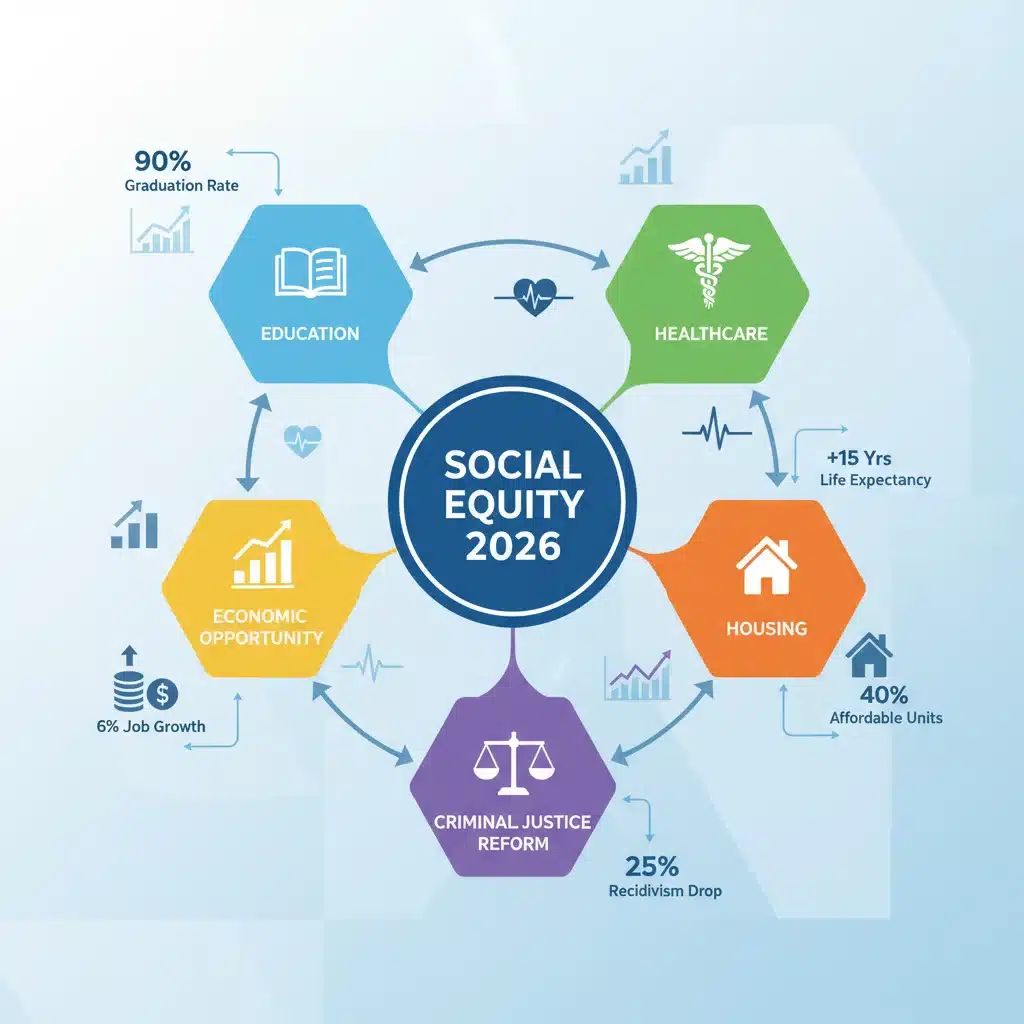
Moreover, these policies are not isolated; they are interconnected. Progress in educational equity can lead to better health outcomes and greater economic participation. Reforms in the justice system can reduce housing instability and improve access to employment. An integrated approach, recognizing these synergies, will maximize their collective impact.
The Role of Advocacy and Community Engagement
The success of the Social Equity 2026 agenda ultimately hinges on sustained advocacy and active community engagement. Policy is not static; it requires constant vigilance, input, and pressure from those it seeks to serve. Underrepresented communities must be at the forefront of shaping, implementing, and overseeing these changes.
- Grassroots Mobilization: Continued organizing and advocacy at the local level are essential to ensure that policies are tailored to specific community needs and that resources are distributed equitably.
- Policy Literacy and Empowerment: Educating community members about their rights and the implications of these policies empowers them to demand accountability and participate effectively in democratic processes.
- Building Coalitions: Forming broad coalitions across different underrepresented groups and allied organizations can amplify voices and create a more powerful force for change.
- Monitoring and Reporting: Community organizations can play a vital role in monitoring the implementation of policies, collecting data on their impact, and reporting successes and shortcomings to policymakers and the public.
By actively participating in these processes, communities can ensure that the promise of Social Equity 2026 translates into tangible improvements in their daily lives.
Conclusion: A Path Towards a More Equitable Future
The year 2026 stands as a beacon of hope for advancing social equity globally. The five key policy updates in education, healthcare, economic opportunity, justice reform, and housing/environmental justice represent a concerted effort to dismantle systemic barriers and create a more inclusive society. These policies, if effectively implemented and supported by sustained collective action, have the potential to transform the lives of countless individuals and communities.
The journey towards true social equity is long and complex, requiring ongoing commitment, adaptation, and collaboration. However, with these forward-looking policies, 2026 offers a significant step forward, laying crucial groundwork for a future where every individual, regardless of their background, has the opportunity to thrive and contribute fully to society. It is a call to action for all stakeholders to engage, advocate, and work together to realize the vision of a truly equitable world.