Secure Digital Identity: 5 Steps for U.S. Citizens Against 2026 Threats
5 Critical Steps for U.S. Citizens to Secure Their Digital Identity Against Emerging 2026 Threats (PRACTICAL SOLUTIONS)
In an increasingly interconnected world, our digital identity has become as crucial as our physical one. For U.S. citizens, the landscape of cyber threats is continuously evolving, with 2026 projected to bring new and sophisticated challenges. Protecting your secure digital identity isn’t just about preventing a minor inconvenience; it’s about safeguarding your financial stability, personal privacy, and overall peace of mind. As technology advances, so do the methods of cybercriminals, making proactive and informed defense more vital than ever.
This comprehensive guide will walk you through five critical, practical steps that every U.S. citizen should implement to fortify their digital identity against the emerging threats of 2026. We’ll delve into actionable strategies, from enhancing your online security practices to understanding the importance of data privacy and leveraging advanced protective measures. By understanding these steps and integrating them into your daily digital life, you can significantly reduce your vulnerability and ensure a more secure online presence for years to come.
Understanding the Evolving Threat Landscape for Your Secure Digital Identity
Before diving into solutions, it’s essential to grasp the nature of the threats we’re facing. The digital world is a dynamic environment, and cybercriminals are constantly innovating. By 2026, we anticipate several key trends to intensify, posing significant risks to your secure digital identity:
- AI-Powered Phishing and Social Engineering: Artificial intelligence will make phishing emails and deepfake scams almost indistinguishable from legitimate communications, leading to a surge in successful social engineering attacks. These attacks are designed to trick you into revealing sensitive information, making it harder to maintain a secure digital identity.
- Ransomware 2.0: Beyond encrypting data, future ransomware attacks may focus more on exfiltrating sensitive personal data and threatening to expose it, adding a new layer of extortion that directly impacts your privacy and reputation.
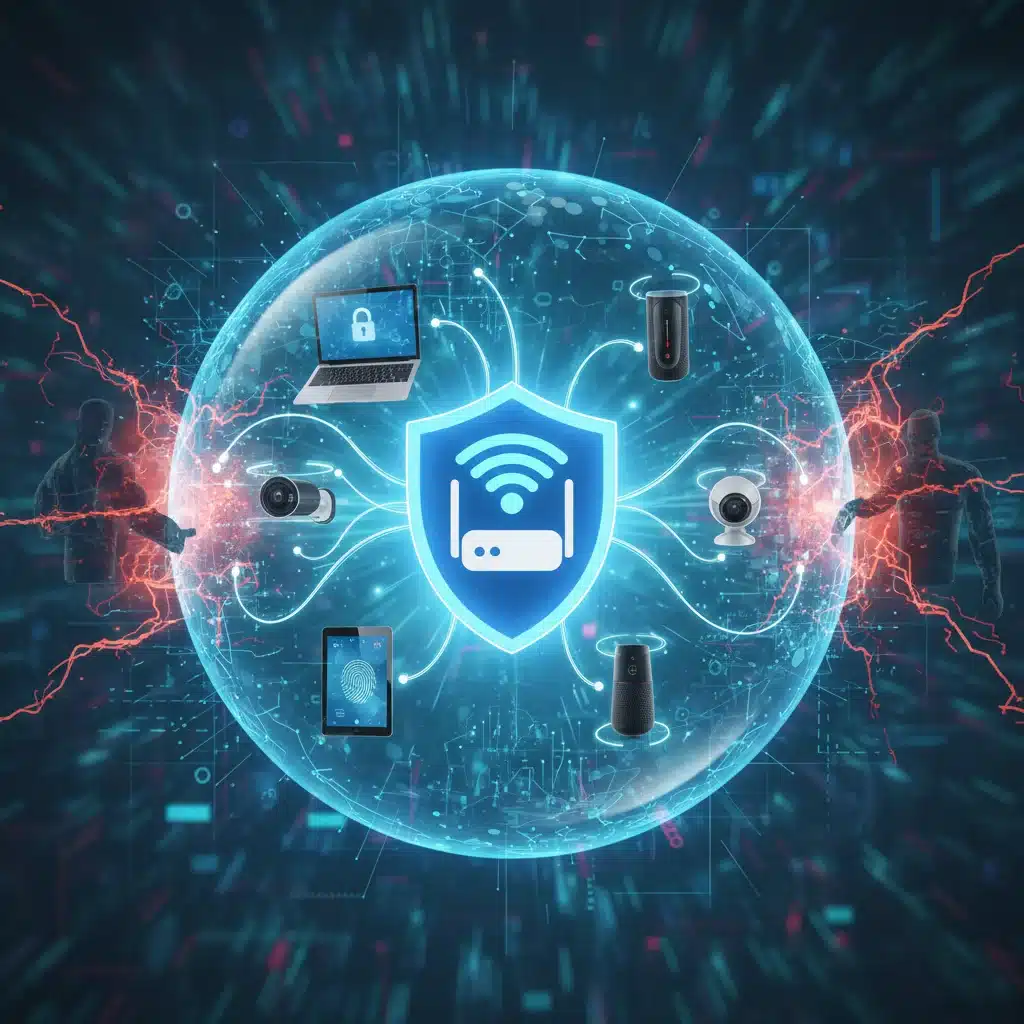
- IoT Vulnerabilities: With the proliferation of smart devices in homes and workplaces, the Internet of Things (IoT) presents an expanding attack surface. Each connected device, from smart thermostats to security cameras, can be a potential gateway for criminals to access your network and compromise your secure digital identity.
- Supply Chain Attacks: Attacks on third-party vendors and software suppliers will likely increase, meaning even if your direct defenses are strong, a breach at a company you interact with could expose your data.
- Quantum Computing Threats (Early Stages): While not fully realized, the theoretical capabilities of quantum computing to break current encryption standards will begin to influence cryptographic development, signaling a need for future-proof security measures.
These evolving threats underscore the urgency for U.S. citizens to adopt robust strategies to protect their secure digital identity. The following steps are designed to be practical, effective, and adaptable to this changing threat landscape.
Step 1: Fortify Your Online Accounts with Advanced Authentication
The first line of defense for your secure digital identity lies in the strength of your online account security. Passwords alone are no longer sufficient. Cybercriminals use sophisticated methods like brute-force attacks, credential stuffing, and phishing to bypass weak authentication. Therefore, enhancing your authentication practices is paramount.
Embrace Multi-Factor Authentication (MFA) Everywhere
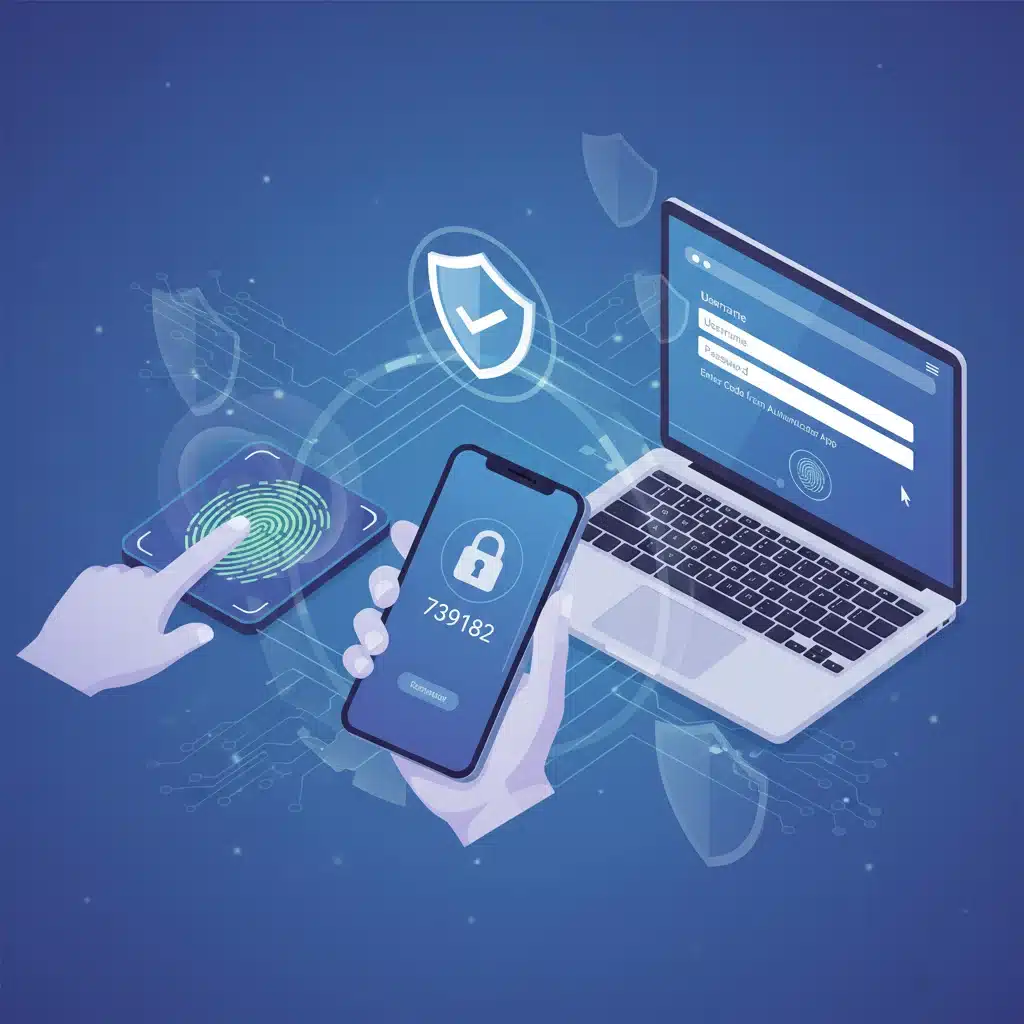
Multi-Factor Authentication (MFA), sometimes referred to as Two-Factor Authentication (2FA), adds an extra layer of security beyond just a password. It requires you to provide two or more verification factors to gain access to an account. This could be something you know (your password), something you have (a phone or hardware token), or something you are (a fingerprint or facial scan). For U.S. citizens, enabling MFA on all critical accounts – email, banking, social media, cloud storage, and even shopping sites – is non-negotiable for a truly secure digital identity.
Practical Solutions:
- Authenticator Apps: Apps like Google Authenticator, Microsoft Authenticator, or Authy generate time-based one-time passwords (TOTP). These are generally more secure than SMS-based codes, which can be vulnerable to SIM-swapping attacks.
- Hardware Security Keys: Devices like YubiKey or Google Titan provide the strongest form of MFA. They require physical possession to log in, making them extremely difficult for remote attackers to compromise. Consider using these for your most critical accounts, such as your primary email and financial institutions, to protect your secure digital identity.
- Biometrics: Where available (e.g., fingerprint or facial recognition on smartphones and laptops), biometrics offer a convenient and strong secondary factor.
- Review Account Security Settings: Regularly check the security settings of your online accounts to ensure MFA is enabled and configured correctly. Many services now offer advanced security dashboards that allow you to see active sessions and linked devices.
By implementing MFA across your digital footprint, you create a significant barrier for unauthorized access, making it much harder for cybercriminals to compromise your secure digital identity, even if they manage to steal your password.
Step 2: Master Password Hygiene and Management
While MFA is crucial, strong, unique passwords remain the foundation of a secure digital identity. The common practice of reusing passwords or using easily guessable ones is a primary reason for account compromises. The goal is to have long, complex, and unique passwords for every single online service.
The Power of Password Managers
Managing dozens, if not hundreds, of unique, strong passwords manually is an impossible task for most people. This is where password managers become indispensable tools for maintaining a secure digital identity.
Practical Solutions:
- Choose a Reputable Password Manager: Options like LastPass, 1Password, Bitwarden, or Dashlane offer robust encryption and features. Research and select one that fits your needs and budget. Many offer free tiers or trials.
- Generate Strong, Unique Passwords: Use the password manager’s built-in generator to create long (16+ characters), complex passwords that combine uppercase and lowercase letters, numbers, and symbols. Never use personal information or common dictionary words.
- Update Old Passwords: Once you adopt a password manager, make it a project to go through your existing accounts and update all old, weak, or reused passwords. Start with your most critical accounts (email, banking) and work your way down.
- Secure Your Master Password: Your password manager is protected by a single master password. This password must be incredibly strong, unique, and memorable to you, as it is the key to your entire digital identity. Enable MFA on your password manager account for an extra layer of protection.
- Regular Audits: Most password managers include a security audit feature that can identify weak, reused, or compromised passwords. Utilize this feature regularly to maintain optimal password hygiene for your secure digital identity.
By delegating the complex task of password creation and storage to a dedicated manager, U.S. citizens can dramatically enhance their secure digital identity without the burden of memorization.
Step 3: Proactive Data Privacy and Digital Footprint Management
A secure digital identity isn’t just about preventing direct attacks; it’s also about managing the information available about you online. Every interaction, every sign-up, and every social media post contributes to your digital footprint. Cybercriminals often piece together this information to create detailed profiles used for targeted attacks or identity theft.
Minimize Your Online Exposure
The less personal information publicly available about you, the harder it is for malicious actors to exploit it. Taking control of your digital footprint is a crucial step towards a more secure digital identity.
Practical Solutions:
- Review Social Media Privacy Settings: Go through all your social media accounts (Facebook, Instagram, LinkedIn, X/Twitter, etc.) and tighten your privacy settings. Limit who can see your posts, photos, and personal information. Avoid sharing your exact location, future travel plans, or excessive personal details.
- Data Broker Opt-Outs: Data brokers collect and sell personal information. Websites like DeleteMe, OneRep, or Incogni can help you find and remove your data from these databases. While often a paid service, it’s a powerful way to reduce your online exposure and protect your secure digital identity.
- “Think Before You Share”: Adopt a mindful approach to sharing information online. Before posting, consider if it reveals too much personal detail that could be used against you. This includes seemingly innocuous details like your pet’s name (which might be a security question answer) or your birthdate.
- Use Secondary Email Addresses: Create a separate, non-identifiable email address for newsletters, marketing sign-ups, and non-critical online services. Reserve your primary email for important communications and critical accounts to maintain a more secure digital identity.
- Regularly Delete Old Accounts: If you no longer use an online service, delete the account. This reduces the number of places your data is stored and potentially vulnerable to breaches.
By actively managing your digital footprint, U.S. citizens can significantly reduce the amount of exploitable information available to cybercriminals, thereby strengthening their overall secure digital identity.
Step 4: Secure Your Devices and Network Environment
Your personal devices (computers, smartphones, tablets) and home network are the gateways to your digital life. If these are compromised, your entire secure digital identity is at risk. Ensuring their security is as important as securing your accounts.
Implement Robust Device and Network Security
A multi-layered approach to device and network security is essential. This includes software, hardware, and behavioral practices.
Practical Solutions:
- Keep Software Updated: This is fundamental. Operating systems (Windows, macOS, iOS, Android), web browsers, and all applications should always be kept up-to-date. Updates often include critical security patches that fix vulnerabilities exploited by attackers to compromise your secure digital identity. Enable automatic updates whenever possible.
- Use Antivirus/Anti-Malware Software: Install reputable antivirus and anti-malware software on all your computers and even consider it for Android devices. Ensure it’s always running, updated, and performs regular scans.
- Enable Firewalls: Both your operating system’s built-in firewall and your router’s firewall should be enabled. They act as a barrier, monitoring and controlling incoming and outgoing network traffic.
- Secure Your Wi-Fi Network: Change the default administrator username and password on your home router immediately. Use WPA3 encryption (if available) or WPA2 at minimum. Create a strong, unique password for your Wi-Fi network. Consider setting up a guest network for visitors to isolate their devices from your primary network, further protecting your secure digital identity.
- Be Wary of Public Wi-Fi: Public Wi-Fi networks are often unsecured and can be easily intercepted by attackers. Avoid conducting sensitive transactions (banking, shopping) on public Wi-Fi. If you must use it, use a Virtual Private Network (VPN) to encrypt your traffic.
- Encrypt Your Devices: Enable full disk encryption on your laptops and smartphones. This ensures that even if your device is lost or stolen, your data remains inaccessible without the correct decryption key, protecting your secure digital identity.
By diligently securing your devices and network, U.S. citizens establish a strong perimeter defense, preventing many common attacks from ever reaching their secure digital identity.
Step 5: Stay Informed, Vigilant, and Prepared for the Unexpected
Even with the best technical defenses, human error and unforeseen circumstances can still pose risks. A truly secure digital identity requires ongoing vigilance, continuous learning, and a plan for recovery.
Cultivate a Cybersecurity Mindset
Cybersecurity is not a one-time setup; it’s an ongoing process. Staying informed about the latest threats and best practices is crucial for U.S. citizens.
Practical Solutions:
- Recognize Phishing and Scams: Learn to identify the red flags of phishing emails, suspicious texts, and phone scams. Look for grammatical errors, urgent requests, unusual sender addresses, and generic greetings. Never click on suspicious links or download attachments from unknown sources.
- Regular Data Backups: Regularly back up your important files to an external hard drive or a reputable cloud service. This protects you against data loss from ransomware, hardware failure, or accidental deletion, which can severely impact your secure digital identity.
- Monitor Your Accounts and Credit: Regularly review your bank statements, credit card bills, and credit reports for any suspicious activity. Services like Credit Karma or AnnualCreditReport.com allow you to get free credit reports. Consider a credit monitoring service for real-time alerts.
- Understand Privacy Policies: While often lengthy, try to understand the privacy policies of the services you use. Know what data they collect and how they use it.
- Create an Incident Response Plan: Know what to do if your digital identity is compromised. This includes steps like changing all passwords, notifying your bank and credit card companies, reporting to law enforcement (e.g., FBI’s IC3), and placing a fraud alert or freeze on your credit. Having a plan can significantly mitigate the damage to your secure digital identity.
- Educate Yourself Continuously: Follow reputable cybersecurity news sources, government advisories (e.g., CISA), and security blogs. The digital threat landscape changes rapidly, and continuous education is key to maintaining a secure digital identity.
By adopting a proactive and informed approach, U.S. citizens can build resilience against emerging threats and ensure the long-term protection of their secure digital identity.
Conclusion: A Future-Proof Secure Digital Identity
The journey to a truly secure digital identity is continuous, especially as we approach 2026 with its anticipated cyber challenges. For U.S. citizens, the five critical steps outlined in this guide – fortifying authentication, mastering password hygiene, managing data privacy, securing devices and networks, and staying vigilant – form a robust framework for protection.
It’s not about being an expert in cybersecurity; it’s about implementing practical, accessible solutions that significantly reduce your risk. By consistently applying these measures, you transform your digital presence from a potential vulnerability into a fortified stronghold. Remember, your secure digital identity is a valuable asset, and protecting it is an investment in your future peace of mind and financial security. Start implementing these steps today to build a resilient and secure digital life for tomorrow.