Smart Home Privacy: Essential Steps for 2026 U.S. Users
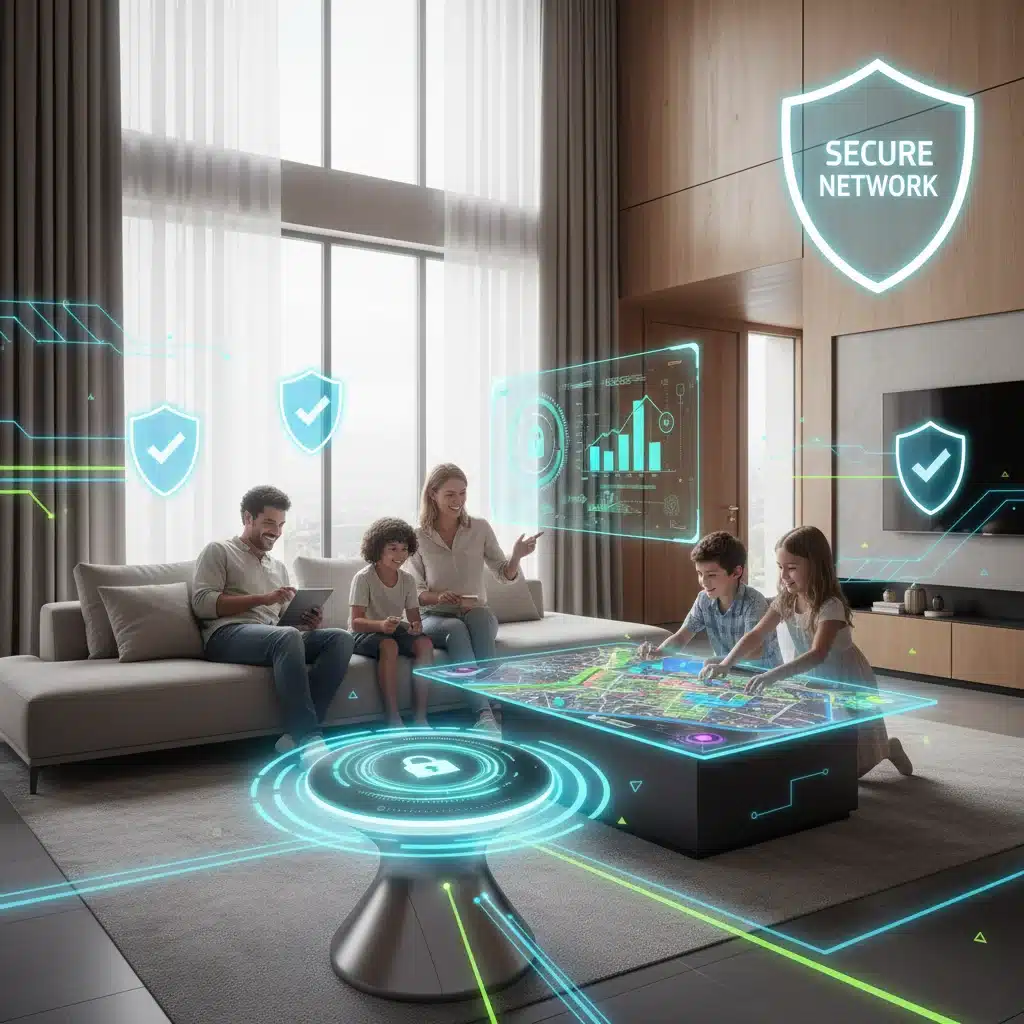
The allure of a smart home is undeniable. Imagine lights that adjust to your mood, thermostats that learn your preferences, and security systems that keep you connected to your property from anywhere. In the United States, the adoption of smart home technology is skyrocketing, promising unparalleled convenience and efficiency. However, this seamless integration of technology into our living spaces comes with a significant caveat: the potential erosion of our privacy. As we hurtle towards 2026, understanding and actively managing your smart home privacy is not just recommended; it’s absolutely essential.
Every smart device, from your voice assistant to your smart doorbell, collects data. This data, often personal and sensitive, can range from your daily routines and conversations to your energy consumption patterns and even visual records of your home. The question isn’t if data is being collected, but rather, who has access to it, how it’s being used, and how securely it’s being stored. Without proper safeguards, your smart home could become an open book for advertisers, hackers, or even less scrupulous entities. This comprehensive guide will walk you through three essential steps U.S. residents must take to fortify their smart home privacy by 2026, ensuring that your connected living space remains a sanctuary, not a surveillance hub.
The Evolving Landscape of Smart Home Privacy in the U.S.
Before diving into practical solutions, it’s crucial to grasp the current state and projected future of smart home privacy in the U.S. The market is saturated with devices from various manufacturers, each with its own privacy policies, security protocols, and data handling practices. This fragmented landscape makes it challenging for the average consumer to navigate the complexities of data protection. Furthermore, the regulatory environment is still catching up with the rapid pace of technological innovation.
Current Challenges and Future Trends
- Lack of Standardized Regulations: Unlike some other regions, the U.S. lacks a single, overarching federal law specifically governing smart home data privacy. Instead, a patchwork of state laws (like CCPA in California) and sector-specific regulations (like HIPAA for health data) applies, creating inconsistencies and potential loopholes.
- Data Proliferation: The sheer volume and variety of data collected by smart devices are constantly increasing. From biometric data in smart locks to detailed behavioral patterns captured by AI-powered assistants, the scope of personal information at stake is vast.
- Interoperability and Third-Party Access: Many smart home ecosystems rely on third-party integrations, meaning your data might be shared with multiple companies beyond the device manufacturer. Understanding these data flows is critical for maintaining smart home privacy.
- Emerging Technologies: As technologies like AI, machine learning, and advanced sensor networks become more sophisticated, they will enable even deeper insights into our lives, raising new privacy concerns that need proactive solutions.
- Consumer Awareness Gap: Many users are unaware of the extent of data collection or the potential risks involved, often prioritizing convenience over privacy. Bridging this awareness gap is a fundamental step towards better smart home privacy.
By 2026, it’s anticipated that smart home devices will be even more deeply embedded in our daily lives, making the need for robust privacy practices more urgent than ever. The proactive steps outlined below are designed to empower you to take control of your digital footprint within your own home.
Step 1: Fortify Your Smart Devices and Accounts
The first line of defense for your smart home privacy lies directly with your devices and the accounts linked to them. Weak passwords, default settings, and unpatched vulnerabilities are common entry points for those seeking to exploit your data. This step focuses on establishing a strong foundation of security at the device level.
A. Implement Strong, Unique Passwords and Multi-Factor Authentication (MFA)
This might seem like basic advice, but its importance cannot be overstated. Every smart device and its associated app or online account should have a unique, complex password. Avoid using easily guessable information like birth dates, pet names, or sequential numbers. Instead, opt for long passphrases that combine uppercase and lowercase letters, numbers, and symbols.
- Password Managers: Utilize a reputable password manager to generate and store complex passwords. This eliminates the need to remember dozens of intricate combinations and ensures each account has its own unique key.
- Avoid Password Reuse: Never reuse passwords across different services. If one service is compromised, all other accounts using the same password become vulnerable.
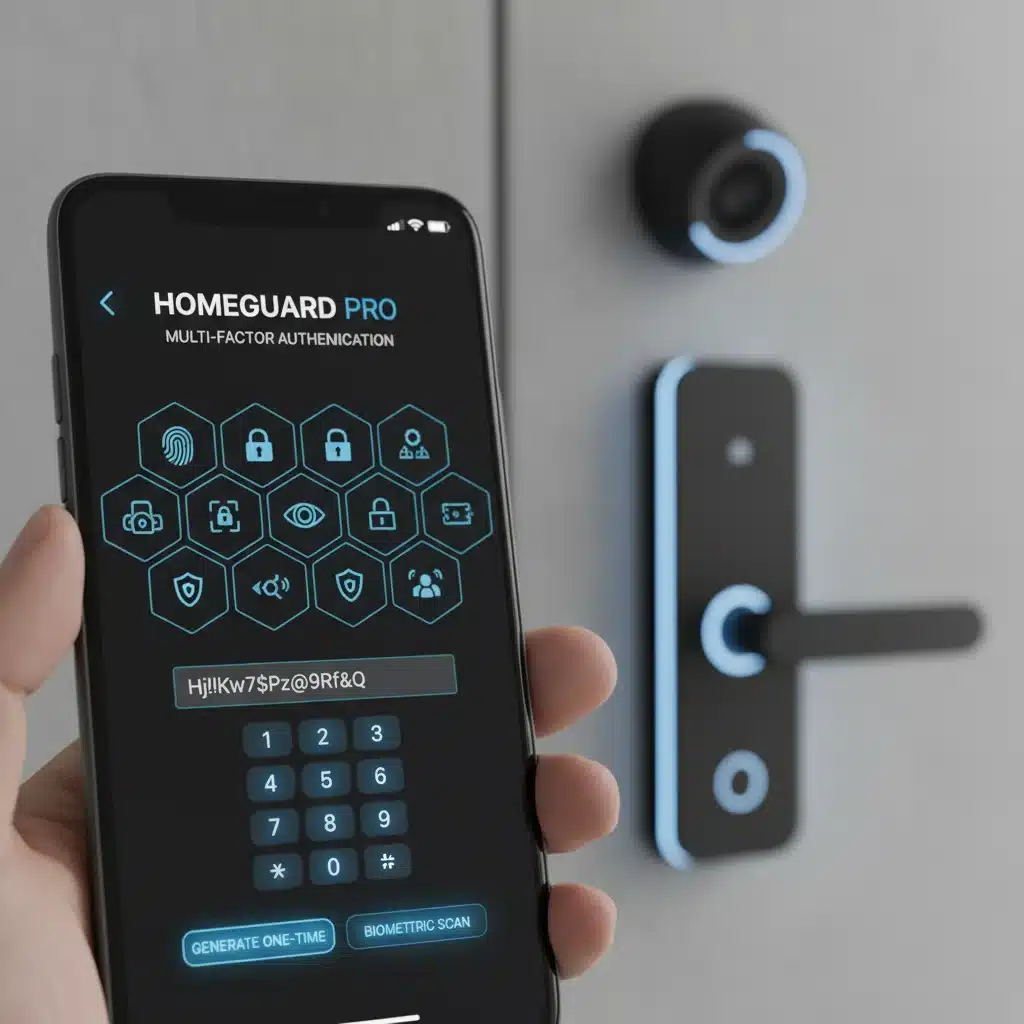
- Enable Multi-Factor Authentication (MFA): Wherever available, enable MFA. This adds an extra layer of security by requiring a second form of verification (e.g., a code sent to your phone, a fingerprint scan) in addition to your password. Even if a hacker obtains your password, they won’t be able to access your account without this second factor. This is crucial for safeguarding your smart home privacy.
B. Regularly Update Device Firmware and Software
Manufacturers frequently release updates for their devices’ firmware and associated apps. These updates often contain critical security patches that address newly discovered vulnerabilities. Ignoring these updates leaves your devices exposed to known exploits.
- Enable Automatic Updates: Whenever possible, enable automatic updates for your smart devices and their controlling applications. This ensures you’re always running the latest, most secure version.
- Check for Manual Updates: For devices that don’t support automatic updates, make it a habit to periodically check the manufacturer’s website or app for available updates.
- Understand Update Policies: Be aware of how long manufacturers commit to providing security updates for their products. Opt for brands with a strong track record of long-term support to protect your smart home privacy over time.
C. Review and Adjust Privacy Settings on All Devices and Apps
Out-of-the-box settings are often configured for maximum convenience, which can sometimes come at the expense of privacy. It’s imperative to delve into the settings of each smart device and its accompanying app to tailor them to your privacy preferences.
- Microphone and Camera Access: Limit microphone and camera access to only when it’s absolutely necessary. For smart speakers, consider muting the microphone when not in use. For security cameras, ensure they only record when motion is detected or during specific hours, and critically, understand where that footage is stored and for how long.
- Location Services: Restrict location tracking for apps and devices unless it’s essential for their functionality (e.g., a smart thermostat adjusting based on your proximity).
- Data Sharing Preferences: Many apps have settings that allow you to opt-out of sharing certain types of data with third parties for marketing or analytics. Always review these options carefully to enhance your smart home privacy.
- Voice Assistant History: Regularly review and delete your voice assistant’s recording history. Most major voice assistants (Alexa, Google Assistant) provide tools to manage and delete these recordings.
- App Permissions: On your smartphone or tablet, review the permissions granted to smart home apps. Does a smart light bulb app really need access to your contacts or photos? Revoke unnecessary permissions.
Step 2: Secure Your Home Network
Your smart devices are only as secure as the network they connect to. Your home Wi-Fi network acts as the central nervous system for your smart home, and if it’s compromised, all connected devices become vulnerable. This step focuses on fortifying your network infrastructure to protect your smart home privacy.
A. Use a Strong, Unique Wi-Fi Password and WPA3 Encryption
Just like with your device accounts, your Wi-Fi network needs a robust password. Avoid default passwords that come with your router, as these are often easily guessable or publicly known. Change your Wi-Fi password to a strong, unique passphrase.
- WPA3 Encryption: Ensure your router is using WPA3 encryption, the latest and most secure standard for Wi-Fi. If your router only supports WPA2, make sure it’s WPA2-AES, which is more secure than WPA2-TKIP. WPA3 offers enhanced protection against brute-force attacks and provides individual data encryption for each connection, significantly bolstering your smart home privacy.
- Change Default Router Credentials: Don’t forget to change the default username and password for accessing your router’s administration page. This is a common oversight that can give attackers full control over your network.
B. Implement Network Segmentation (Guest Network / VLANs)
Network segmentation involves dividing your home network into smaller, isolated segments. This is a highly effective strategy for containing potential breaches and enhancing smart home privacy.
- Guest Network: Most modern routers offer a guest Wi-Fi network feature. Utilize this for visitors and for less critical smart devices (like smart bulbs or smart plugs that don’t handle sensitive data). This isolates them from your main network where your computers, phones, and more sensitive smart devices reside.
- VLANs (Virtual Local Area Networks): For advanced users, setting up VLANs can provide even greater control. You can create a dedicated VLAN for all your IoT devices, separating them from your personal computers and network-attached storage. This means if an IoT device is compromised, the attacker won’t have direct access to your more sensitive data or devices.
C. Regularly Update Router Firmware and Consider Advanced Security Features
Your router’s firmware is just as important as the firmware on your smart devices. Manufacturers regularly release updates to patch vulnerabilities and improve performance.
- Router Firmware Updates: Check your router manufacturer’s website periodically for firmware updates and install them promptly. Some routers support automatic updates, which should be enabled.
- Firewall: Ensure your router’s built-in firewall is enabled. This acts as a barrier between your home network and the internet, blocking unauthorized access.
- Disable UPnP (Universal Plug and Play): While convenient for automatically configuring network devices, UPnP can create security vulnerabilities by opening ports without explicit user approval. It’s generally recommended to disable UPnP and manually configure port forwarding if needed, although this is rare for most smart home setups. This step significantly improves your smart home privacy.
- Intrusion Detection/Prevention Systems (IDS/IPS): Some higher-end routers or dedicated security appliances offer IDS/IPS features that can detect and prevent malicious activity on your network. Consider these if you’re looking for an advanced layer of protection.

Step 3: Understand Your Data and Your Rights
Even with robust device and network security, your smart home privacy can be compromised if you don’t understand what data is being collected about you and what rights you have regarding that data. This step empowers you with knowledge and strategies to manage your digital footprint effectively.
A. Read and Understand Privacy Policies (or Summaries)
This is perhaps the most overlooked aspect of smart home ownership. Every device manufacturer and app provider has a privacy policy outlining what data they collect, how they use it, who they share it with, and how long they retain it. While these documents can be lengthy and filled with legal jargon, understanding their core tenets is crucial.
- Key Questions to Ask: When reviewing a privacy policy, look for answers to: What specific data points are collected? Is data anonymized or aggregated? Is data sold to third parties? For what purposes is the data used (e.g., improving service, targeted advertising)? How long is data retained?
- Seek Summaries: If the full policy is too daunting, look for privacy policy summaries or trusted consumer reviews that break down the key points. Several websites and organizations are dedicated to analyzing privacy policies of popular devices.
- Evaluate Risk vs. Convenience: Based on the privacy policy, decide if the convenience offered by the device outweighs the potential privacy implications. If you’re uncomfortable with the data practices, consider an alternative product or avoid the device altogether. This due diligence is vital for maintaining your smart home privacy.
B. Exercise Your Data Rights Under U.S. Laws
While the U.S. lacks a comprehensive federal privacy law, several state-level regulations grant consumers significant rights over their personal data. The most prominent example is the California Consumer Privacy Act (CCPA) and its successor, the California Privacy Rights Act (CPRA), which have inspired similar laws in other states (e.g., Virginia’s CDPA, Colorado’s CPA, Utah’s UCPA, Connecticut’s CTDPA).
- Right to Know: You have the right to know what personal information a business collects about you, where it came from, why it’s collected, and with whom it’s shared.
- Right to Delete: You have the right to request that a business delete personal information collected from you.
- Right to Opt-Out: You have the right to opt-out of the sale or sharing of your personal information.
- Right to Correct: Some laws grant you the right to correct inaccurate personal information.
- How to Exercise: Most companies subject to these laws provide a clear mechanism on their websites (often in their privacy policy or a dedicated privacy portal) for submitting data requests. Don’t hesitate to use these tools to manage your smart home privacy.
C. Regularly Audit Your Smart Home Ecosystem
Your smart home isn’t a static entity; it evolves as you add new devices, update apps, and change your habits. A periodic audit is essential to ensure your privacy settings remain aligned with your preferences.
- Inventory Your Devices: Maintain a list of all smart devices in your home, including their manufacturer, model, and the apps they use. This helps you keep track of your digital footprint.
- Quarterly Privacy Check-up: Schedule a quarterly review of your smart home’s privacy settings. Revisit the privacy settings of each device and app, check for new firmware updates, and review your router’s security configurations.
- Remove Unused Devices and Apps: If you’re no longer using a smart device, disconnect it from your network and delete its associated app and account. Factory reset the device before disposing of it to erase any stored data. This reduces your attack surface and improves overall smart home privacy.
- Stay Informed: Keep up-to-date with news on smart home security breaches, new privacy laws, and best practices. Follow reputable tech security blogs and consumer advocacy groups.
Beyond the Steps: Cultivating a Privacy-First Mindset
While the three essential steps outlined above provide a robust framework for securing your smart home privacy, true protection comes from cultivating a privacy-first mindset. This means approaching every new smart device or service with a critical eye, prioritizing security over pure convenience, and understanding that privacy is an ongoing commitment, not a one-time setup.
The Future of Smart Home Privacy: What to Expect by 2026 and Beyond
By 2026, we can anticipate several developments that will further shape the landscape of smart home privacy:
- Increased Regulatory Scrutiny: Expect more states to enact comprehensive privacy laws, and potentially, increased pressure for federal legislation that could standardize privacy rights across the U.S.
- Privacy-Enhancing Technologies (PETs): We may see a greater integration of PETs directly into smart devices, offering features like on-device processing to minimize data sent to the cloud, differential privacy, and homomorphic encryption.
- Standardized Security Labels: Initiatives like the U.S. Cyber Trust Mark, which aims to provide clear security and privacy labels for IoT devices, could become more widespread, helping consumers make informed choices.
- AI-Powered Privacy Tools: AI itself may be used to help consumers manage their privacy, for example, by automatically flagging suspicious data requests or suggesting optimal privacy settings based on user behavior and preferences.
- Decentralized Smart Home Architectures: We might see a shift towards more decentralized smart home systems that give users greater control over their data, reducing reliance on single cloud providers.
Staying informed about these trends will be crucial for maintaining proactive control over your smart home privacy in the years to come.
Conclusion: Your Smart Home, Your Privacy
The vision of a smart home is one of comfort, efficiency, and seamless living. However, this vision can only be fully realized when underpinned by a strong foundation of privacy and security. For U.S. residents, taking proactive steps now – fortifying devices and accounts, securing your home network, and understanding your data rights – is paramount to protecting your smart home privacy by 2026.
Your smart home should serve you, not compromise you. By implementing these essential strategies, you can enjoy the myriad benefits of connected living with the peace of mind that your personal data and digital life remain secure and private. The power to protect your privacy is in your hands; start building your secure smart home today.