Navigating Neurotechnology Ethics: Brain-Computer Interfaces by 2026
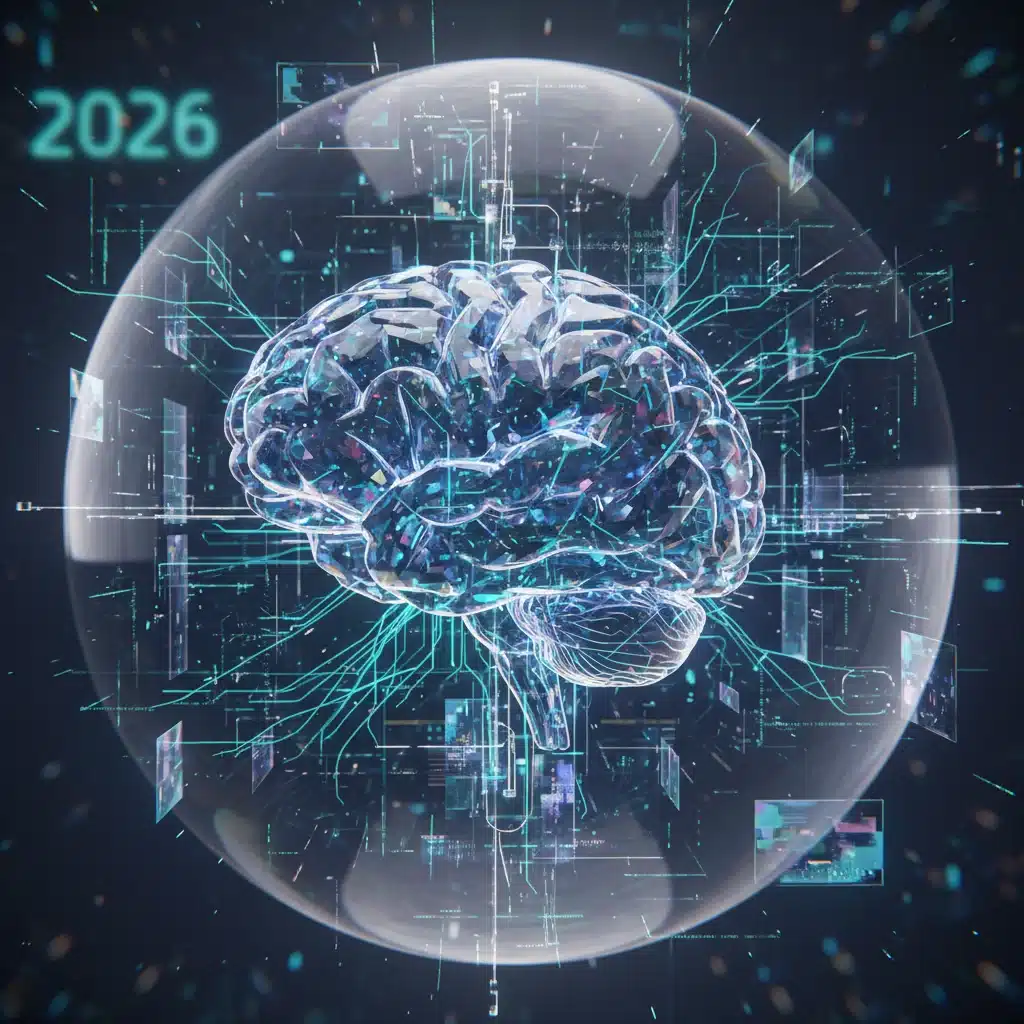
The landscape of technological innovation is constantly shifting, and few fields are evolving as rapidly and profoundly as neurotechnology. At the forefront of this revolution are Brain-Computer Interfaces (BCIs), devices that promise to bridge the gap between the human mind and external technology. By 2026, the progress in BCIs is anticipated to be significant, moving beyond experimental stages into more practical applications in medicine, communication, and even consumer markets. While the potential benefits are immense – from restoring lost senses and motor functions to enhancing cognitive abilities – the ethical implications are equally vast and complex. This article will delve into the critical ethical considerations surrounding the development and deployment of BCIs, focusing on the challenges and opportunities that lie ahead as we approach 2026, with a specific emphasis on Neurotechnology Ethics 2026.
The promise of neurotechnology is tantalizing. Imagine individuals with paralysis regaining the ability to control prosthetic limbs with their thoughts, or those with severe communication disorders finding their voice through direct brain-to-computer interfaces. The medical applications alone could revolutionize healthcare, offering new hope for conditions currently deemed untreatable. Beyond therapeutic uses, the concept of cognitive enhancement, where BCIs could potentially boost memory, learning, or focus, opens up a new frontier of human potential. However, with such profound capabilities come equally profound responsibilities, demanding a proactive approach to Neurotechnology Ethics 2026.
The Dawn of Direct Brain-Computer Interaction: What to Expect by 2026
As we edge closer to 2026, the advancements in BCIs are accelerating. We’re seeing a shift from invasive, high-risk procedures to less invasive and even non-invasive technologies. While implanted BCIs will likely remain the gold standard for certain medical applications due to their precision, non-invasive BCIs using EEG (electroencephalography) or fNIRS (functional near-infrared spectroscopy) are becoming more sophisticated, offering accessibility for a wider range of users. These technologies can interpret brain signals to control external devices, communicate, or even provide feedback directly to the brain. The miniaturization of components, improved signal processing algorithms, and advancements in AI are all contributing to more robust and reliable BCI systems. This rapid progression necessitates a strong focus on Neurotechnology Ethics 2026 to ensure responsible development.
By 2026, it’s conceivable that BCIs will be more present in rehabilitation centers, assistive technology for individuals with disabilities, and even in niche consumer markets for gaming or concentration enhancement. The increasing availability and capability of these devices will inevitably amplify the ethical questions that neuroscientists, ethicists, policymakers, and the public must confront. The stakes are incredibly high, as these technologies directly interact with the very essence of what makes us human: our minds.
Privacy in the Neural Age: Protecting Our Most Intimate Data
One of the most immediate and pressing ethical concerns surrounding BCIs is data privacy. Brain activity contains an unprecedented level of personal information, revealing thoughts, emotions, intentions, and even memories. Unlike traditional forms of data, neural data is incredibly intimate and sensitive. The collection, storage, and interpretation of this information raise fundamental questions about individual autonomy and the sanctity of the mind. Who owns our brain data? How will it be protected from misuse, hacking, or unauthorized access? These are not hypothetical questions; they are urgent considerations for Neurotechnology Ethics 2026.
Imagine a scenario where a BCI records not just your intent to move a prosthetic, but also your emotional state or even fleeting thoughts. If this data falls into the wrong hands – be it corporations for targeted advertising, governments for surveillance, or malicious actors – the consequences could be devastating. The potential for discrimination based on neural data, the manipulation of thoughts or emotions, or even the creation of ‘neural profiles’ that predict behavior are chilling prospects. Existing data protection regulations, such as GDPR, provide a starting point, but they were not designed with the unique characteristics of neural data in mind. New, specific legal frameworks will be essential to safeguard this most personal form of information.

Furthermore, the concept of ‘informed consent’ becomes significantly more complex with BCIs. How can an individual truly understand and consent to the implications of sharing their neural data, especially when the technology is still rapidly evolving and its full potential (and risks) may not yet be entirely understood? Clear, transparent communication about data collection, usage, and security protocols will be paramount. Users must have granular control over their neural data, with the ability to revoke access and delete information. The development of robust encryption and decentralized data storage solutions will be critical technical components in addressing these privacy challenges. Defining and enforcing these protections is a cornerstone of responsible Neurotechnology Ethics 2026.
Redefining Autonomy and Agency: The Impact on Human Identity
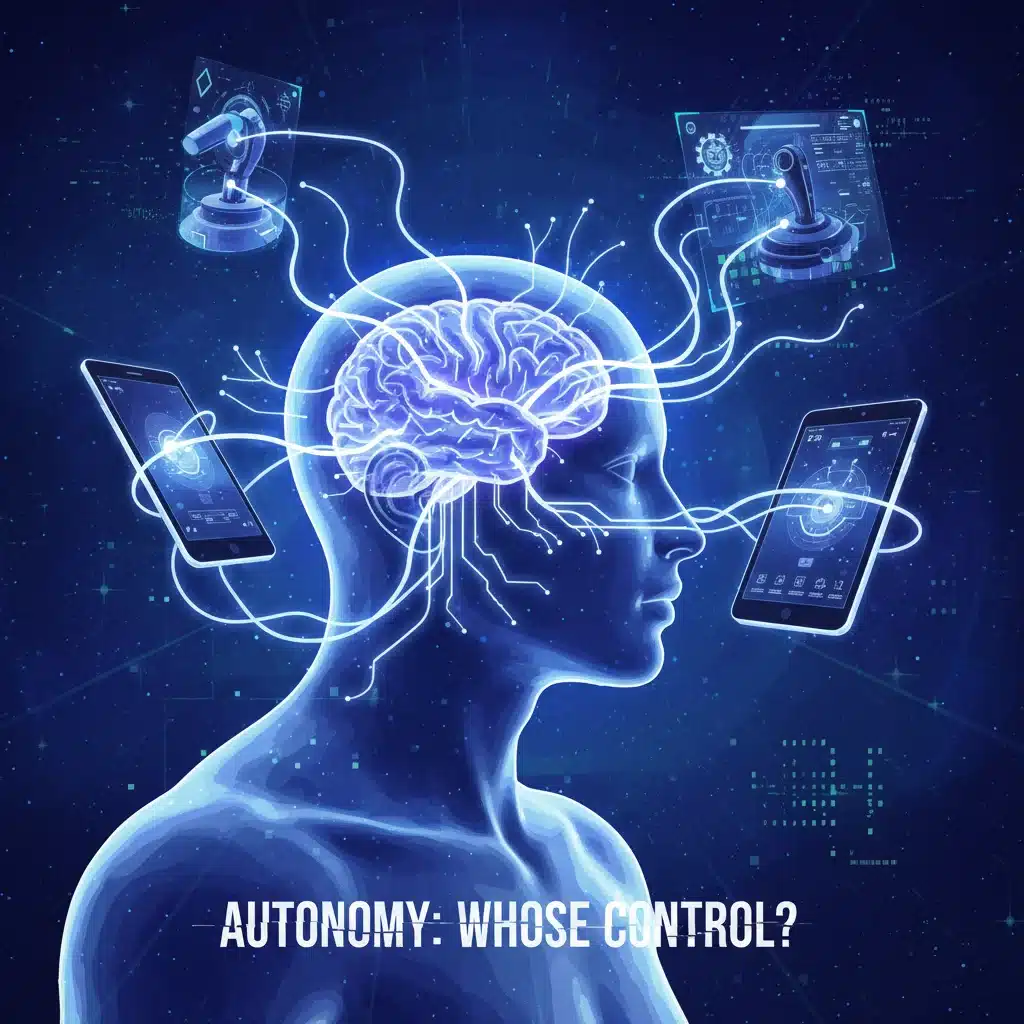
Beyond privacy, BCIs raise profound questions about human autonomy and agency. If a BCI can influence or even directly stimulate brain activity, where does the line between human thought and technological intervention begin to blur? The concept of ‘neural hacking’ – where external signals could potentially manipulate thoughts, decisions, or even memories – is a serious concern. While such scenarios might sound like science fiction, the rapid pace of neurotechnological development demands that we consider these possibilities seriously when discussing Neurotechnology Ethics 2026.
Consider the potential for ‘coercive neurotechnology,’ where individuals might feel pressured to use BCIs for performance enhancement in competitive fields, leading to an unfair advantage or even a societal expectation to augment one’s cognitive abilities. This could exacerbate existing social inequalities, creating a divide between those who can afford and access such enhancements and those who cannot. The very definition of ‘normal’ human capability could shift, putting immense pressure on individuals to conform to augmented standards.
Another facet of autonomy relates to the ‘right to mental integrity’ and ‘cognitive liberty.’ These emerging concepts argue for the right of individuals to have control over their own mental processes, free from external manipulation or surveillance. As BCIs become more sophisticated, ensuring that individuals retain full control over their thoughts and decisions, and that their mental landscape remains their own, will be a central ethical battleground. Establishing clear ethical guidelines and legal protections for cognitive liberty is an essential task for ensuring responsible Neurotechnology Ethics 2026.
The Challenge of Bias and Inequality in Neurotechnology Development
Like all emerging technologies, BCIs are not immune to the biases present in their development and deployment. If the datasets used to train BCI algorithms are not diverse and representative, the technology could inadvertently perpetuate or even amplify existing societal inequalities. For instance, if BCI algorithms are primarily trained on data from specific demographics, they might perform less effectively or even fail for individuals outside those groups, leading to disparities in access and benefit. This is a critical point for Neurotechnology Ethics 2026.
Furthermore, access to cutting-edge neurotechnology is likely to be expensive initially, creating a ‘neuro-divide’ where only the wealthy can afford the most advanced enhancements or therapeutic applications. This could lead to a two-tiered society, where enhanced individuals gain significant advantages in education, employment, and overall quality of life, while others are left behind. Ensuring equitable access to beneficial neurotechnologies, perhaps through public funding or universal healthcare systems, will be crucial to prevent such an outcome. Proactive measures to fund research into affordable and universally accessible BCIs are vital.
Addressing bias also extends to the design and purpose of BCIs. Who decides which capabilities are ‘enhanced’ or ‘restored’? Are these decisions driven by genuine human need, or by market forces and commercial interests? A diverse and inclusive group of stakeholders, including ethicists, disability advocates, sociologists, and the public, must be involved in shaping the future of neurotechnology to ensure it serves the common good. This collaborative approach is fundamental to sound Neurotechnology Ethics 2026.
Regulatory Frameworks and Governance: A Race Against Time
The rapid pace of neurotechnological innovation often outstrips the ability of existing legal and ethical frameworks to keep up. By 2026, the need for robust and adaptable regulatory frameworks will be more urgent than ever. These frameworks must strike a delicate balance: fostering innovation while safeguarding human rights and societal well-being. Simply applying existing regulations designed for pharmaceuticals or medical devices may not be sufficient, as BCIs present unique challenges.
International cooperation will be essential, as neurotechnology transcends national borders. A fragmented approach to regulation could lead to ‘ethics shopping,’ where companies develop and test BCIs in jurisdictions with lax oversight. Global dialogue and the establishment of international norms and standards will be critical. This includes defining what constitutes ‘neuro-rights’ – the fundamental human rights related to the brain and mental processes in the age of neurotechnology. These rights might include the right to cognitive liberty, mental privacy, and protection from algorithmic bias and discrimination.
Governments, industry leaders, academic institutions, and civil society organizations must collaborate to develop comprehensive guidelines. This could involve:
- Establishing independent ethics review boards specifically for neurotechnology, with diverse representation.
- Developing clear certification and safety standards for BCI devices, both invasive and non-invasive.
- Implementing data governance models that prioritize user control and strong encryption for neural data.
- Funding interdisciplinary research into the long-term societal and psychological impacts of BCIs.
- Promoting public education and dialogue to raise awareness and foster informed public discourse on the ethical implications of neurotechnology.
The time for proactive regulation is now. Waiting until problems arise could lead to irreversible harm. The proactive development of these frameworks is a defining challenge for Neurotechnology Ethics 2026.
The Role of Neuroethics in Shaping the Future
Neuroethics, as a field, is specifically dedicated to exploring the ethical, legal, and social implications of neuroscience. As BCIs advance, the role of neuroethicists becomes increasingly vital. They serve as critical bridges between scientific innovation and societal values, helping to anticipate ethical dilemmas and propose solutions before technologies are widely deployed. Their insights are indispensable for ensuring that technological progress aligns with humanistic principles.
Neuroethicists are grappling with questions such as:
- What are the implications of BCIs altering personality or sense of self?
- How do we define responsibility when actions are mediated by a BCI?
- What happens if BCIs are used for military applications or coercive interrogation?
- How do we manage the psychological impact of constant brain-computer connectivity?
- What are the long-term effects of neural stimulation or augmentation on brain development and function?
These are not easy questions, and there are no simple answers. However, by engaging in open, interdisciplinary dialogue, neuroethicists can help guide the responsible development of BCIs, ensuring that the technology ultimately serves to enhance human well-being rather than diminish it. Their work is central to addressing the complexities of Neurotechnology Ethics 2026 and beyond.
Looking Beyond 2026: Sustainable and Responsible Innovation
While 2026 serves as a near-term horizon for significant BCI advancements, the ethical considerations will only deepen as the technology matures further. The goal must be to foster sustainable and responsible innovation – an approach that not only pushes the boundaries of what’s possible but also embeds ethical considerations at every stage of research, development, and deployment. This means moving beyond a reactive stance to a proactive one, where ethical reflection is an integral part of the design process.
Developers, researchers, and engineers working on BCIs have a moral obligation to consider the broader societal impact of their creations. This includes:
- Adopting ‘ethics by design’ principles: Integrating ethical considerations from the very beginning of the development cycle, rather than as an afterthought.
- Prioritizing transparency: Being open about the capabilities, limitations, and potential risks of BCI technologies.
- Engaging in public outreach: Educating the public about neurotechnology and soliciting feedback to ensure development aligns with societal values.
- Investing in safety and security: Developing robust measures to protect against hacking, data breaches, and unintended neurological effects.
The future of human-computer interaction is being shaped today. The choices we make regarding Neurotechnology Ethics 2026 will have profound and lasting implications for individual liberties, societal structures, and the very definition of humanity. By embracing a proactive, collaborative, and ethically informed approach, we can harness the incredible potential of BCIs while mitigating their inherent risks, ensuring a future where technology truly serves humanity.
Conclusion: A Call for Collective Action on Neurotechnology Ethics
The rapid progression of Brain-Computer Interfaces towards 2026 presents an exciting yet challenging frontier. The potential for groundbreaking medical treatments, enhanced communication, and even cognitive augmentation is immense. However, these advancements are inextricably linked to a complex web of ethical dilemmas concerning privacy, autonomy, potential bias, and societal inequality. The time to address these issues is not in the distant future, but now.
Successfully navigating the ethical landscape of neurotechnology requires a concerted, multi-stakeholder effort. Researchers, industry, governments, ethicists, and the public must engage in ongoing dialogue and collaboration to establish robust regulatory frameworks, promote equitable access, and embed ethical principles into the very fabric of BCI development. The goal is not to stifle innovation, but to guide it responsibly, ensuring that these powerful technologies are used to enhance human well-being and uphold fundamental human rights.
As we approach 2026, the decisions made today regarding Neurotechnology Ethics 2026 will shape the trajectory of this transformative field for decades to come. By prioritizing ethical considerations alongside scientific progress, we can ensure that the integration of brain and computer serves as a testament to human ingenuity and wisdom, rather than a cautionary tale. The future of our minds, and indeed our society, depends on it.