Sustainable Tech Innovations: 3 Key Trends Reshaping U.S. Manufacturing by Mid-2026
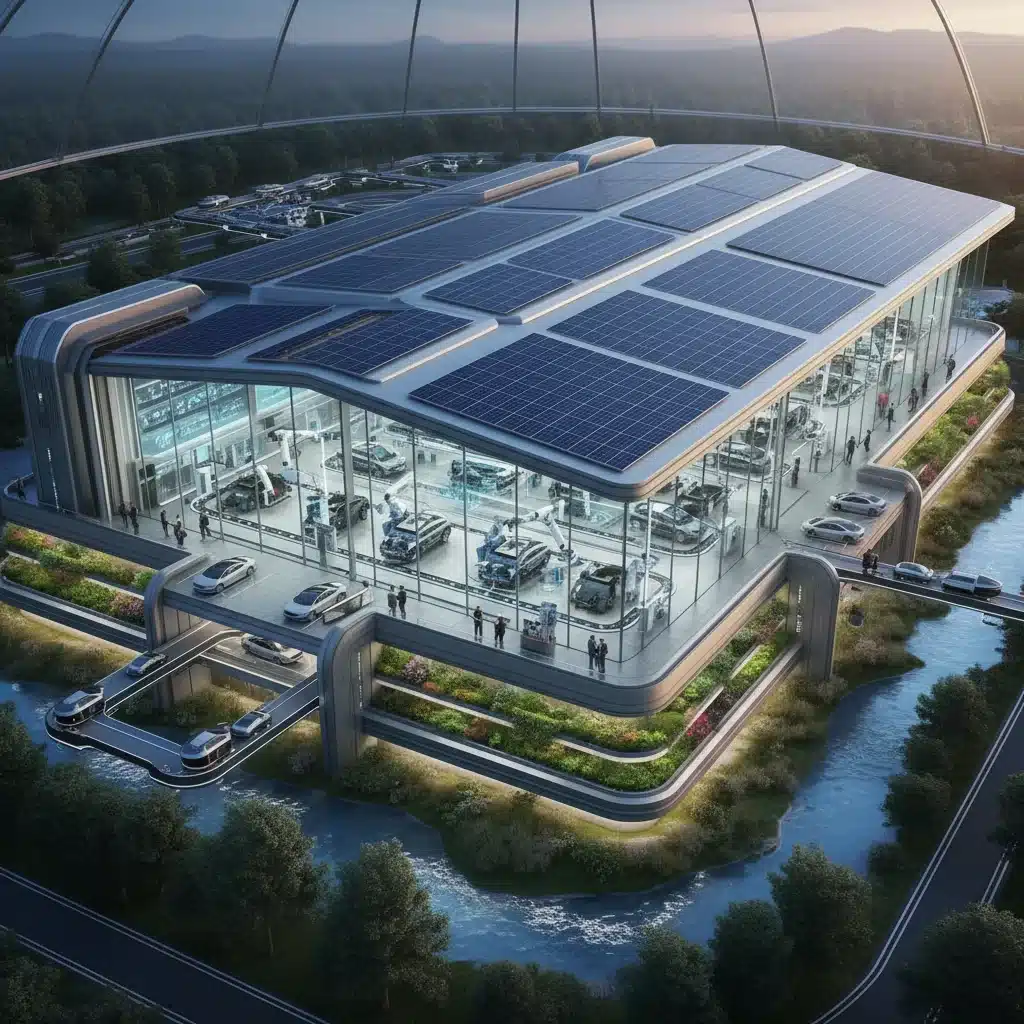
The landscape of U.S. manufacturing is undergoing a profound transformation, driven by an imperative for sustainability and accelerated by technological advancements. As we approach mid-2026, three pivotal sustainable manufacturing trends are not merely emerging but actively reshaping how goods are produced, consumed, and recycled across the nation. This shift isn’t just about compliance; it’s about competitive advantage, operational resilience, and meeting the escalating demands of environmentally conscious consumers and stringent regulatory frameworks. For businesses looking to thrive in this evolving industrial ecosystem, understanding and integrating these trends is not optional – it’s essential.
The push towards sustainability in manufacturing is multifaceted, encompassing everything from energy consumption and waste reduction to ethical sourcing and product lifecycle management. The U.S. manufacturing sector, historically a powerhouse of innovation, is now channeling its ingenuity into developing and adopting technologies that minimize environmental impact while maximizing efficiency and profitability. This article delves deep into these three critical trends, offering an insider’s perspective on the practical solutions and strategic implications for manufacturers nationwide.
The journey towards truly sustainable manufacturing is complex, requiring significant investment in research, development, and infrastructure. However, the long-term benefits – reduced operational costs, enhanced brand reputation, increased market share, and a more resilient supply chain – far outweigh the initial challenges. Let’s explore the forefront of these innovations.
The Ascent of Circular Economy Principles and Advanced Materials in U.S. Manufacturing
One of the most impactful sustainable manufacturing trends gaining significant traction is the widespread adoption of circular economy principles, inextricably linked with the development and deployment of advanced, sustainable materials. Traditionally, manufacturing has operated on a linear ‘take-make-dispose’ model, which is inherently unsustainable. The circular economy, conversely, aims to keep resources in use for as long as possible, extract the maximum value from them whilst in use, then recover and regenerate products and materials at the end of each service life. By mid-2026, this paradigm shift will be a cornerstone of competitive U.S. manufacturing.
This trend manifests in several key areas. Firstly, manufacturers are increasingly designing products for durability, repairability, and recyclability from the outset – a concept known as ‘design for circularity.’ This proactive approach minimizes waste generation and maximizes resource efficiency throughout a product’s entire lifecycle. It involves careful selection of materials, modular design to facilitate component replacement, and clear labeling for end-of-life processing.
Secondly, the integration of advanced, sustainable materials is accelerating. This includes bio-based plastics derived from renewable resources, recycled content polymers, lightweight composites that reduce energy consumption in transportation, and innovative alloys with extended lifespans. For instance, the automotive and aerospace sectors are heavily investing in lightweight materials like carbon fiber reinforced polymers and advanced aluminum alloys, not only to improve fuel efficiency but also to reduce the overall material footprint. Similarly, packaging industries are moving away from single-use plastics towards compostable, biodegradable, or highly recyclable alternatives.
Thirdly, robust systems for material recovery and recycling are becoming more sophisticated. This isn’t just about consumer recycling bins; it involves industrial-scale processes to reclaim valuable materials from manufacturing waste streams and end-of-life products. Companies are investing in advanced sorting technologies, chemical recycling methods for plastics, and closed-loop systems where materials are reprocessed and fed back into the production cycle. For example, some textile manufacturers are now able to chemically break down old garments and spin new fibers, drastically reducing the demand for virgin materials.
The benefits of this trend are profound. Beyond the obvious environmental advantages of reduced landfill waste and lower virgin resource extraction, businesses are realizing significant economic gains. By minimizing waste, they reduce disposal costs and often create new revenue streams from reclaimed materials. Furthermore, a focus on circularity can insulate companies from volatile raw material prices and supply chain disruptions, fostering greater economic resilience. Companies that proactively embrace these circular economy principles and sustainable materials will not only enhance their environmental credentials but also secure a competitive edge in a market that increasingly values sustainable practices.
Practical Applications and Challenges
Implementing circular economy principles requires a fundamental re-evaluation of product design, supply chain management, and manufacturing processes. Manufacturers must collaborate with suppliers to source sustainable materials and with recycling partners to ensure effective end-of-life management. Investment in new machinery and R&D for material science is often necessary. Challenges include the upfront cost of transitioning to new materials and processes, the complexity of establishing reverse logistics for product take-back, and ensuring the quality and consistency of recycled content. However, government incentives, consumer demand, and the long-term cost savings are strong motivators for overcoming these hurdles.
Digitalization for Eco-Efficiency: AI, IoT, and Predictive Analytics in Green Manufacturing
The second major sustainable manufacturing trend transforming the U.S. industrial landscape by mid-2026 is the pervasive application of digitalization technologies – specifically Artificial Intelligence (AI), the Internet of Things (IoT), and predictive analytics – to enhance eco-efficiency. These technologies are not just about productivity; they are powerful tools for minimizing environmental impact, optimizing resource utilization, and driving sustainable operations at an unprecedented scale.
IoT sensors, deployed across factories and supply chains, collect vast amounts of real-time data on everything from energy consumption of individual machines to material flow, waste generation, and air quality. This granular data provides manufacturers with an unparalleled understanding of their operational footprint. When this data is fed into AI algorithms and predictive analytics models, it unlocks profound insights and opportunities for optimization.
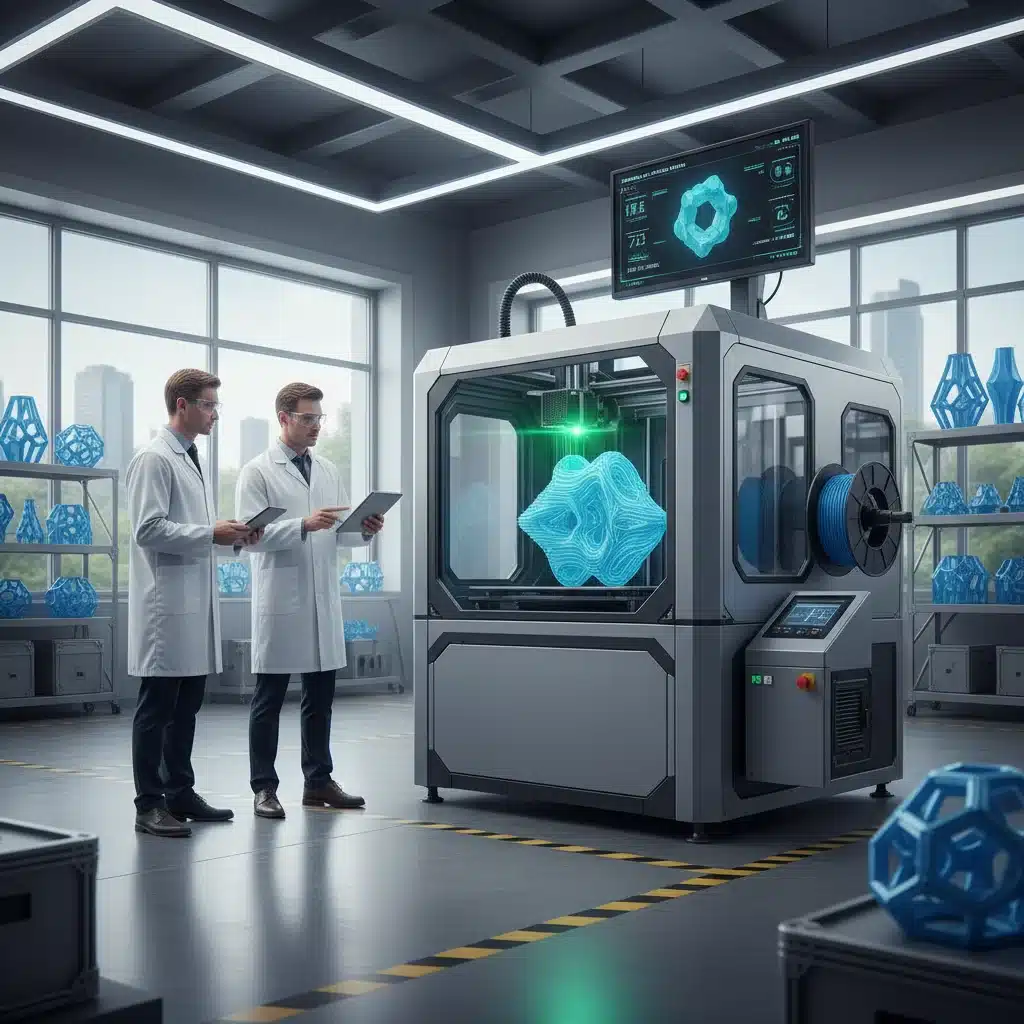
For instance, AI-powered energy management systems can monitor energy usage patterns, identify inefficiencies, and automatically adjust machinery settings or production schedules to minimize consumption during peak demand periods. This leads to significant reductions in electricity bills and a lower carbon footprint. Similarly, predictive maintenance, enabled by IoT and AI, can forecast equipment failures before they occur, allowing for proactive repairs. This not only prevents costly downtime but also extends the lifespan of machinery, reducing the need for new equipment manufacturing and associated resource consumption.
Beyond energy, these technologies are revolutionizing waste reduction. AI can optimize cutting patterns in material-intensive industries (e.g., textiles, metal fabrication) to minimize scrap. In process industries, IoT sensors can monitor chemical reactions and material flows with extreme precision, reducing over-processing and waste by ensuring optimal ingredient usage. Predictive analytics can also be used to forecast demand more accurately, preventing overproduction and the associated waste of resources and energy.
Furthermore, digitalization is enhancing supply chain transparency and sustainability. Blockchain technology, often integrated with IoT, can track materials from their origin to the final product, verifying ethical sourcing, environmental certifications, and carbon footprint data. This level of transparency is crucial for meeting consumer expectations and regulatory requirements for sustainable supply chains.
The synergy between AI, IoT, and predictive analytics creates a ‘smart factory’ environment where sustainability is not an afterthought but an integral part of operational intelligence. This data-driven approach allows manufacturers to make informed decisions that simultaneously improve economic performance and environmental stewardship. Companies that leverage these digital tools effectively will gain a significant competitive edge by operating leaner, greener, and more responsively.
Implementation Strategies and Benefits
Adopting digitalization for eco-efficiency requires a strategic roadmap, starting with identifying key areas for improvement (e.g., energy, waste, water). Investing in IoT infrastructure, data analytics platforms, and AI expertise is crucial. The benefits include substantial cost savings from reduced energy and material consumption, improved compliance with environmental regulations, enhanced brand reputation, and the ability to respond more agilely to market changes. The initial investment can be substantial, but the ROI, both financial and environmental, is increasingly compelling.
Decarbonization of Industrial Processes: Renewable Energy Integration and Carbon Capture Technologies
The third, and arguably most critical, of the sustainable manufacturing trends propelling the U.S. industry forward is the aggressive decarbonization of industrial processes. This involves a dual strategy: integrating renewable energy sources into operations and developing/deploying advanced carbon capture, utilization, and storage (CCUS) technologies. By mid-2026, significant progress in both areas will define the leaders in sustainable manufacturing.
The shift to renewable energy is gaining unprecedented momentum. Manufacturers are increasingly installing on-site solar panels, wind turbines, or purchasing renewable energy through power purchase agreements (PPAs) and renewable energy certificates (RECs). This transition directly reduces Scope 2 emissions (from purchased electricity) and provides greater energy independence and price stability. Battery storage solutions are also becoming more prevalent, allowing factories to store excess renewable energy and discharge it during peak demand or when renewable generation is low, further stabilizing the grid and maximizing green energy utilization.
Beyond electricity, there’s a growing focus on decarbonizing process heat, which often relies on fossil fuels. Innovations in industrial heat pumps, concentrated solar thermal systems, and green hydrogen are emerging as viable alternatives for high-temperature processes in sectors like steel, cement, and chemicals. While these technologies are still maturing for some applications, pilot projects and early commercial deployments are demonstrating their potential.
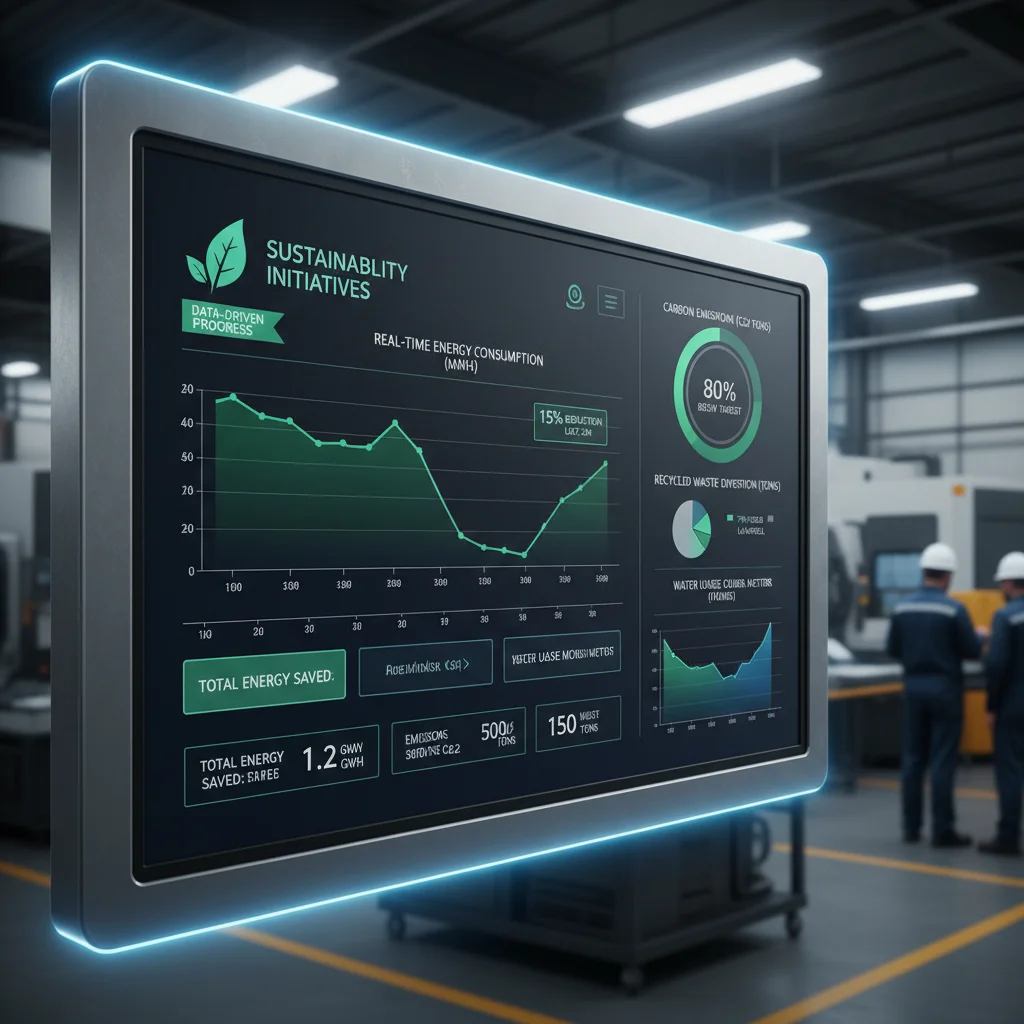
Complementing renewable energy integration is the advancement and deployment of carbon capture, utilization, and storage (CCUS) technologies. For industrial processes where emissions are difficult to abate (e.g., cement production, certain chemical manufacturing), CCUS offers a pathway to significantly reduce Scope 1 emissions. Carbon capture systems can be installed at smokestacks to prevent CO2 from entering the atmosphere. Once captured, the CO2 can be stored geologically or utilized in various industrial applications, such as enhanced oil recovery, producing synthetic fuels, or even creating building materials.
While CCUS technology is still costly and faces scale-up challenges, significant government incentives (like the 45Q tax credit in the U.S.) and private sector investment are accelerating its development and deployment. By mid-2026, we can expect to see more large-scale industrial CCUS projects coming online, particularly in heavy industries that are hard to electrify or for which alternative clean processes are not yet fully mature.
This dual approach to decarbonization – prioritizing renewable energy where possible and deploying CCUS for hard-to-abate emissions – is crucial for achieving net-zero manufacturing. It represents a commitment to not just reducing, but actively eliminating, the carbon footprint of industrial operations, positioning U.S. manufacturers as global leaders in climate action.
The Road Ahead for Decarbonization
The transition to a decarbonized manufacturing sector requires substantial capital investment, technological innovation, and supportive policy frameworks. Companies must conduct thorough energy audits, explore all renewable energy options, and evaluate the feasibility of CCUS for their specific emissions profile. Collaboration with energy providers, technology developers, and government bodies is essential. While the challenges are significant, the imperative to combat climate change, coupled with economic opportunities in green technology, makes decarbonization an unavoidable and increasingly attractive path for U.S. manufacturers.
Conclusion: Embracing a Sustainable Future in U.S. Manufacturing
The U.S. manufacturing sector stands at a pivotal juncture, with sustainable manufacturing trends dictating the direction of future growth and competitiveness. By mid-2026, the widespread adoption of circular economy principles and advanced materials, the intelligent application of digitalization for eco-efficiency, and the aggressive pursuit of decarbonization through renewable energy and carbon capture will collectively redefine what it means to be a modern manufacturer.
These trends are not isolated initiatives but interconnected pillars supporting a holistic vision of sustainable industrial growth. Companies that proactively integrate these innovations will not only meet evolving regulatory and consumer demands but also unlock new avenues for cost savings, operational resilience, and market differentiation. The transition demands foresight, investment, and a commitment to continuous innovation, but the rewards – a healthier planet and a more robust, future-proof manufacturing sector – are immeasurable.
For U.S. manufacturers, the time to act is now. Embracing these sustainable tech innovations is not merely a corporate social responsibility; it is a strategic imperative for long-term success in an increasingly resource-constrained and environmentally conscious world. The future of U.S. manufacturing is undeniably green, smart, and circular, and the leaders of tomorrow are those who are building that future today.