EU AI Act Compliance: U.S. Tech’s 2026 Action Plan

The European Union’s Artificial Intelligence Act (EU AI Act), slated for full implementation by 2026, marks a pivotal moment in the global regulation of artificial intelligence. For U.S. tech companies, this landmark legislation isn’t just a distant European concern; it’s a direct challenge and a critical opportunity. Its extraterritorial reach means that any U.S. company developing, deploying, or providing AI systems that impact individuals within the EU, regardless of where the company is based, will be subject to its stringent rules. Ignoring the EU AI Act could lead to substantial penalties, reputational damage, and a significant loss of market access.
The EU AI Act introduces a risk-based approach, categorizing AI systems into unacceptable, high-risk, limited risk, and minimal risk categories. High-risk AI systems, which include those used in critical infrastructure, education, employment, law enforcement, and migration management, face the most rigorous requirements. These include obligations for robust risk management systems, data governance, technical documentation, human oversight, cybersecurity, and conformity assessments. U.S. tech companies, particularly those operating in B2B or B2C sectors that touch upon these high-risk areas, must act now to understand and prepare for compliance.
Recent updates to the EU AI Act, including the provisional agreement reached in December 2023 and the final vote by the European Parliament in March 2024, have solidified many of its core provisions, offering greater clarity on what businesses can expect. However, the complexity of the regulation, coupled with its evolving interpretations and guidance from EU authorities, necessitates a proactive and strategic approach. This article will delve into five immediate and practical steps U.S. tech companies can take to prepare for EU AI Act Compliance, ensuring they are well-positioned to navigate the new regulatory landscape by 2026.
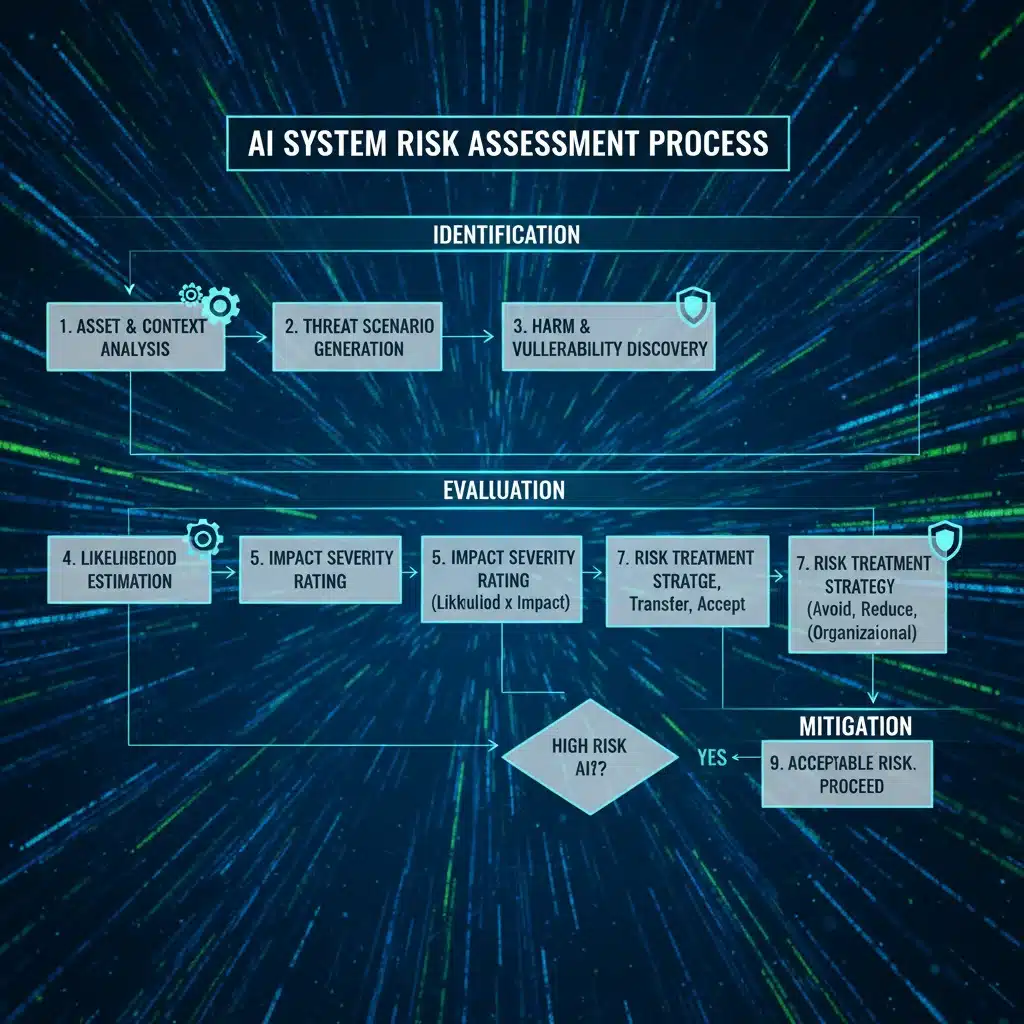
1. Conduct a Comprehensive AI System Inventory and Risk Assessment
The foundational step for any U.S. tech company facing the EU AI Act is to gain a complete understanding of its AI ecosystem. This involves more than just listing AI projects; it requires a deep dive into how AI is developed, deployed, and used across the organization. The goal is to identify all AI systems that could potentially fall under the scope of the EU AI Act, especially those interacting with or impacting individuals within the EU.
Identifying All AI Systems
Start by creating a detailed inventory of all AI systems currently in use or under development. This should include:
- Internal AI systems: Such as those used for HR, internal security, or operational optimization.
- Customer-facing AI systems: Including chatbots, recommendation engines, fraud detection systems, and personalized marketing tools.
- AI components embedded in products or services: Even if AI isn’t the primary function, any AI module within a larger offering needs to be identified.
- Third-party AI solutions: If your company uses AI provided by another vendor, you are still responsible for ensuring its compliance, especially if you are considered a ‘deployer’ under the Act.
For each identified AI system, gather essential information: its purpose, the data it processes, its technical specifications, its development lifecycle, and its deployment context. Understanding these details is crucial for the subsequent risk assessment.
Categorizing AI Systems by Risk Level
Once the inventory is complete, the next critical step is to categorize each AI system according to the EU AI Act’s risk framework. This is perhaps the most challenging, yet vital, aspect of initial compliance. The Act defines four main risk categories:
- Unacceptable Risk: AI systems that pose a clear threat to fundamental rights, such as AI-powered social scoring by public authorities or real-time remote biometric identification in public spaces (with limited exceptions). These systems are generally prohibited.
- High-Risk: AI systems used in critical areas like safety components of products (e.g., medical devices, vehicles), employment, education, law enforcement, migration management, and administration of justice. These systems face stringent requirements.
- Limited Risk: AI systems with specific transparency obligations, such as chatbots that must inform users they are interacting with AI, or deepfakes that must disclose their synthetic nature.
- Minimal Risk: The vast majority of AI systems, such as spam filters or video games, which have minimal impact on users and are subject to voluntary codes of conduct.
U.S. tech companies must carefully analyze their AI systems against these definitions. For example, an AI system used for hiring in the EU would likely fall under the ‘high-risk’ category, triggering a cascade of compliance obligations. A system that generates personalized content might be ‘limited risk’ if it creates deepfakes, or ‘minimal risk’ if it’s a simple recommendation engine without significant societal impact.
Establishing a Risk Management System
For high-risk AI systems, the EU AI Act mandates the establishment of a robust risk management system. This isn’t a one-time assessment but an ongoing, iterative process. It involves:
- Risk identification and analysis: Continuously identifying foreseeable risks to health, safety, and fundamental rights throughout the AI system’s lifecycle.
- Risk evaluation: Assessing the likelihood and severity of identified risks.
- Risk mitigation and control: Implementing measures to eliminate or reduce risks to an acceptable level. This could involve redesigning the AI system, improving data quality, enhancing human oversight, or implementing explainability mechanisms.
- Post-market monitoring: Continuously monitoring the AI system after deployment to detect and evaluate new or emerging risks.
This comprehensive inventory and risk assessment process forms the bedrock of your EU AI Act compliance strategy. It allows your company to prioritize resources, focus on the most critical AI systems, and understand the specific regulatory requirements that apply to each.
2. Enhance Data Governance and Quality for AI Systems
Data is the lifeblood of AI, and the EU AI Act places significant emphasis on the quality, integrity, and governance of data used to train, validate, and test AI systems, especially those deemed high-risk. Poor data quality can lead to biased, inaccurate, or unreliable AI outputs, which can have severe consequences for individuals and expose companies to significant compliance risks. Therefore, U.S. tech companies must elevate their data governance practices to meet these new standards.
Data Quality Requirements
For high-risk AI systems, the Act requires that training, validation, and testing datasets meet specific quality criteria. This includes:
- Relevance and Representativeness: Datasets must be relevant to the intended purpose of the AI system and sufficiently representative of the population or context it will operate in. This is crucial to prevent bias and ensure fairness.
- Completeness: Datasets should be as complete as possible to avoid gaps that could lead to erroneous predictions or decisions.
- Accuracy: The data must be accurate and free from errors. Inaccurate data fed into an AI system will inevitably lead to inaccurate or harmful outputs.
- Error Detection and Correction: Robust processes must be in place to detect and correct errors, inconsistencies, and missing data points throughout the data lifecycle.
U.S. companies should review their data acquisition, labeling, and preprocessing pipelines to ensure they align with these requirements. This may involve implementing more rigorous data validation checks, investing in better data annotation tools, or engaging in more diverse data collection strategies.
Data Governance Frameworks
Beyond quality, the Act also implicitly demands robust data governance frameworks. This includes:
- Clear Data Policies: Establishing clear policies for data collection, storage, access, usage, and retention for AI purposes.
- Roles and Responsibilities: Defining clear roles and responsibilities for data owners, stewards, and users within the AI development process.
- Data Lineage and Traceability: Maintaining detailed records of the origin, transformations, and usage of data throughout the AI system’s lifecycle. This is vital for accountability and auditing.
- Data Minimization and Anonymization/Pseudonymization: Adhering to principles of data minimization, using only the data necessary for the AI system’s purpose, and employing anonymization or pseudonymization techniques where appropriate to protect personal data.
Integrating these data governance principles into existing data management strategies (e.g., those already in place for GDPR compliance) will be essential. Companies should also consider the interplay between the EU AI Act and other data protection regulations like the GDPR, as personal data used in AI systems will be subject to both.
3. Develop Comprehensive Technical Documentation and Transparency Measures
Transparency and explainability are cornerstones of the EU AI Act, particularly for high-risk AI systems. The Act requires providers of high-risk AI systems to develop and maintain extensive technical documentation and to implement measures that ensure transparency and human oversight. For U.S. tech companies, this means a significant shift towards more rigorous internal record-keeping and external communication about their AI systems.
Technical Documentation Requirements
The technical documentation serves as a comprehensive record of the AI system and its development process. It must be sufficiently detailed to demonstrate compliance with the Act and allow authorities to assess the system’s conformity. Key elements include:
- General Description: The purpose, functionalities, and intended use of the AI system.
- System Architecture: A detailed description of the AI system’s design, components, and how they interact.
- Data Used: Information on the datasets used for training, validation, and testing, including their characteristics, provenance, and any preprocessing steps.
- Performance Metrics: Details on the metrics used to evaluate the AI system’s performance, accuracy, robustness, and cybersecurity, along with the results of those evaluations.
- Risk Management System: Documentation of the risk management system implemented, including identified risks and mitigation measures.
- Human Oversight Measures: Description of the human oversight mechanisms in place, including the roles and responsibilities of human reviewers.
- Conformity Assessment Procedures: Details of the procedures followed for conformity assessment.
Creating and maintaining this documentation requires a systematic approach, often involving cross-functional collaboration between engineering, legal, product, and compliance teams. It’s not a one-time task but an ongoing process that should be integrated into the AI system’s lifecycle.
Transparency and Explainability Measures
Beyond internal documentation, the Act also mandates transparency towards users and affected individuals. For high-risk AI systems, this includes:
- Instructions for Use: Clear and comprehensive instructions for deployers on how to use the AI system safely and in compliance with the Act.
- Transparency Towards Users: Information provided to deployers (and in some cases, end-users) about the AI system’s capabilities, limitations, and potential risks.
- Explainability of Outputs: Where appropriate and technically feasible, high-risk AI systems should be designed to allow for the interpretation of their outputs. This means understanding why an AI system made a particular decision or prediction, especially in contexts where those decisions significantly impact individuals.
- Human Oversight Mechanisms: Clearly defined human oversight capabilities, allowing individuals to intervene, review, or correct AI system outputs.
U.S. tech companies should invest in developing user-friendly interfaces that convey necessary information, as well as exploring technical solutions for explainable AI (XAI) where applicable. This demonstrates a commitment not only to compliance but also to ethical AI development.
4. Implement Robust Cybersecurity and Data Protection Measures
The EU AI Act recognizes the inherent link between AI safety, security, and data protection. Flaws in an AI system’s cybersecurity can compromise its integrity, lead to biased outcomes, or expose sensitive data, thereby undermining trust and fundamental rights. Consequently, the Act imposes specific requirements on high-risk AI systems concerning cybersecurity and data protection, complementing existing regulations like the GDPR.
Cybersecurity for AI Systems
High-risk AI systems must be designed and developed with a high level of cybersecurity. This includes measures to:
- Prevent Unauthorized Access: Protecting the AI system, its data, and its outputs from unauthorized access, modification, or use. This extends to the entire AI lifecycle, from data collection to deployment and monitoring.
- Ensure Data Integrity: Safeguarding the integrity of the data used for training, validation, and testing, as well as the data processed by the AI system during operation.
- Resilience to Attacks: Ensuring the AI system is resilient to various types of attacks, including adversarial attacks that aim to manipulate AI models to produce incorrect or biased outputs.
- Robustness Against Vulnerabilities: Implementing measures to identify and mitigate software vulnerabilities that could be exploited.
- Logging Capabilities: Enabling the automatic logging of events throughout the AI system’s operation, which is crucial for monitoring, auditing, and investigating incidents.
U.S. tech companies should integrate AI-specific cybersecurity considerations into their broader cybersecurity strategies. This might involve adopting new security testing methodologies tailored for AI models, secure coding practices for AI development, and continuous monitoring for AI-specific threats.
Alignment with Data Protection Principles
While the EU AI Act focuses on AI-specific risks, it operates in conjunction with the GDPR. Any personal data processed by an AI system, regardless of its risk classification, remains subject to GDPR requirements. This means U.S. companies must ensure their AI systems:
- Process Personal Data Lawfully: Have a legal basis for processing personal data (e.g., consent, legitimate interest).
- Adhere to Data Minimization: Collect and process only the personal data strictly necessary for the AI system’s purpose.
- Implement Privacy by Design and Default: Incorporate data protection principles into the design and operation of AI systems from the outset.
- Facilitate Data Subject Rights: Enable individuals to exercise their rights (e.g., access, rectification, erasure) concerning personal data processed by AI systems.
- Conduct Data Protection Impact Assessments (DPIAs): Perform DPIAs for high-risk AI systems that involve the processing of personal data, as these systems inherently pose high risks to data subjects’ rights and freedoms.
The synergy between the EU AI Act and GDPR means that U.S. tech companies cannot address one without considering the other. A unified approach to data governance, privacy, and security will be the most effective strategy for comprehensive compliance.

5. Establish an AI Governance Framework and Appoint Responsible Personnel
Compliance with the EU AI Act is not a one-time project; it requires ongoing commitment, internal accountability, and a clear organizational structure. Establishing a robust AI governance framework and appointing dedicated personnel are crucial steps for U.S. tech companies to ensure sustained EU AI Act Compliance.
Developing an AI Governance Framework
An AI governance framework provides the policies, processes, and structures to manage AI-related risks and ensure ethical and lawful AI development and deployment. For EU AI Act compliance, this framework should include:
- Internal Policies and Procedures: Clear guidelines for the design, development, testing, deployment, and monitoring of AI systems, incorporating all requirements of the Act (e.g., risk management, data quality, technical documentation).
- Ethical AI Principles: Integration of ethical AI principles (fairness, accountability, transparency, human oversight) into the company’s AI strategy and development lifecycle.
- Training and Awareness: Regular training for all relevant employees (engineers, product managers, legal, sales) on the EU AI Act’s requirements, internal policies, and ethical AI considerations.
- Internal Audit and Review: Mechanisms for periodically auditing AI systems and processes to verify compliance and identify areas for improvement.
- Incident Management: A clear process for identifying, reporting, and responding to incidents related to AI systems, including potential breaches of the Act.
- Stakeholder Engagement: Processes for engaging with internal and external stakeholders on AI governance matters.
This framework should be integrated with existing corporate governance structures and adapted to the company’s specific AI portfolio and risk profile.
Appointing Responsible Personnel and Cross-Functional Teams
Effective AI governance requires clear ownership and accountability. U.S. tech companies should consider:
- AI Compliance Officer or Team: Designating a specific individual or a cross-functional team responsible for overseeing EU AI Act compliance. This role would be responsible for staying updated on regulatory developments, coordinating compliance efforts, and serving as a point of contact for internal teams and potentially external authorities.
- Legal and Ethics Review Boards: Establishing internal boards or committees comprising legal experts, ethicists, data scientists, and business leaders to review high-risk AI systems before deployment and throughout their lifecycle. These boards can provide critical oversight and ensure alignment with both regulatory requirements and ethical principles.
- Developer Accountability: Implementing processes that embed compliance responsibilities within development teams, ensuring that engineers and data scientists are aware of and integrate regulatory requirements into their work.
- Data Protection Officer (DPO) Involvement: Ensuring close collaboration with the DPO (if appointed under GDPR) to align AI Act compliance with existing data protection obligations.
The appointment of responsible personnel fosters a culture of compliance and ensures that AI Act requirements are systematically addressed across the organization, rather than being treated as an afterthought.
Conclusion: Proactive Preparation for EU AI Act Compliance is Key
The EU AI Act represents a paradigm shift in how artificial intelligence will be developed and deployed globally. For U.S. tech companies, the 2026 deadline is not far off, and the complexity of the regulation demands immediate and sustained action. The extraterritorial reach of the Act means that a ‘wait and see’ approach is fraught with significant risks, including substantial fines that can reach up to €35 million or 7% of global annual turnover, whichever is higher, for severe infringements.
By undertaking a comprehensive AI system inventory and risk assessment, enhancing data governance and quality, developing robust technical documentation and transparency measures, implementing stringent cybersecurity and data protection protocols, and establishing a clear AI governance framework with responsible personnel, U.S. tech companies can transform a regulatory challenge into a strategic advantage. Proactive EU AI Act Compliance will not only mitigate legal and reputational risks but also foster greater trust in AI systems, potentially opening new market opportunities and strengthening customer relationships in an increasingly AI-driven world.
The journey to full compliance will be iterative, requiring continuous monitoring of regulatory guidance and technological advancements. However, by taking these five immediate steps, U.S. tech companies can lay a solid foundation for navigating the complexities of the EU AI Act and positioning themselves as leaders in responsible and ethical AI innovation.