Robotics in Logistics: U.S. Efficiency Gains by 2026
Insider Knowledge, Financial Impact
Advanced Robotics in Logistics: U.S. Companies Projecting 15% Efficiency Gains by 2026
The landscape of global commerce is in constant flux, driven by burgeoning e-commerce demands, evolving consumer expectations, and an increasingly complex supply chain. In the United States, logistics companies are at the forefront of a technological revolution, embracing advanced robotics as a pivotal solution to these challenges. This isn’t merely about automation; it’s about a fundamental reimagining of operational processes, leading to significant, quantifiable improvements. Industry projections indicate that U.S. companies leveraging robotics logistics efficiency are poised to achieve an impressive 15% gain in operational efficiency by 2026. This article delves deep into the mechanisms behind these projected gains, explores the financial implications, and offers insider knowledge on how companies are strategically implementing these transformative technologies.
The Unstoppable March of Robotics in Logistics
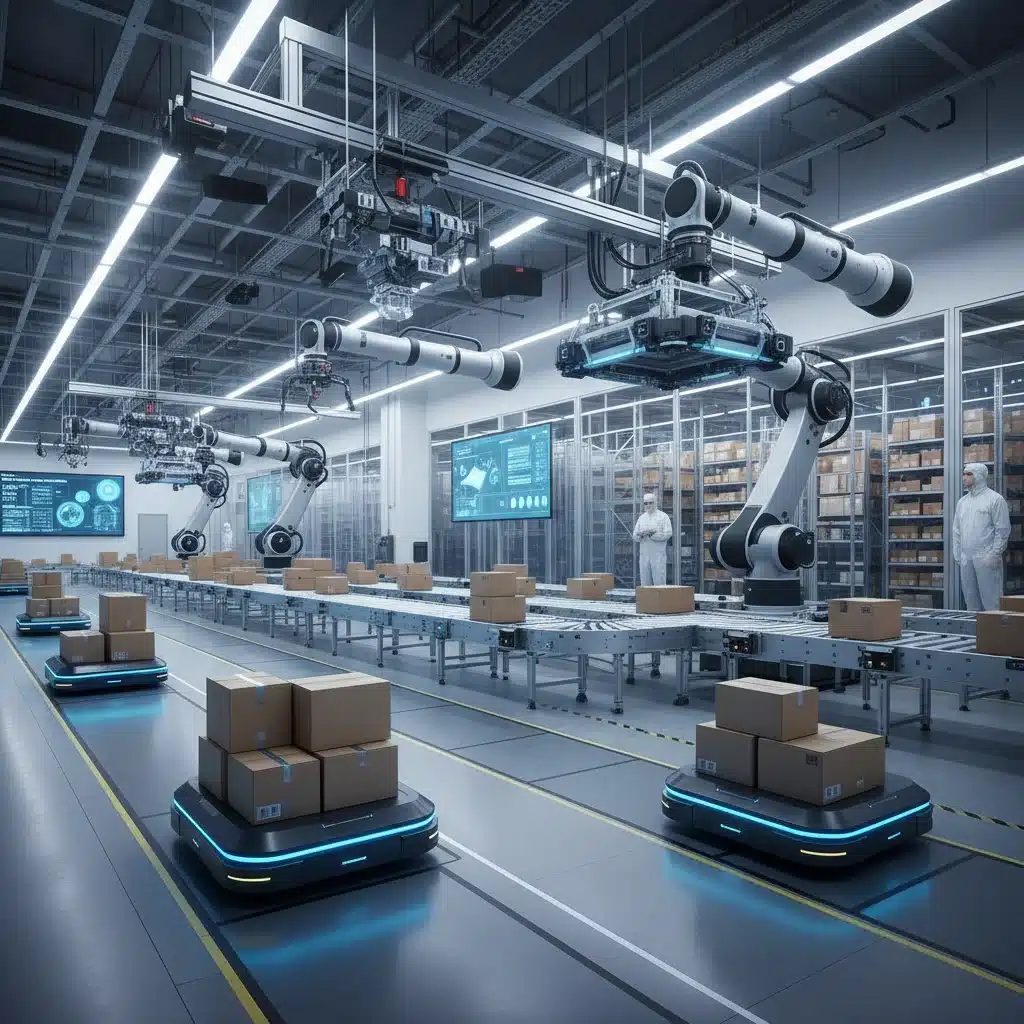
For decades, the image of a warehouse was one dominated by human labor, forklifts, and manual sorting. While human ingenuity remains indispensable, the physical demands and repetitive tasks inherent in logistics make it a prime candidate for automation. The advent of advanced robotics, including Autonomous Mobile Robots (AMRs), Automated Storage and Retrieval Systems (AS/RS), robotic arms for picking and packing, and even drones for inventory management, has fundamentally altered this perception. These technologies are not just replacing human labor; they are augmenting it, creating more efficient, safer, and ultimately more productive environments.
Defining Robotics Logistics Efficiency
When we talk about robotics logistics efficiency, we are referring to a multifaceted improvement across various aspects of the supply chain. This includes, but is not limited to:
- Increased Throughput: Robots can operate continuously, often at higher speeds than human workers, leading to a significant increase in the volume of goods processed.
- Reduced Error Rates: Robotic systems are programmed for precision, drastically minimizing picking, packing, and sorting errors, which reduces returns and improves customer satisfaction.
- Optimized Space Utilization: Automated systems like AS/RS can utilize vertical space more effectively, allowing for denser storage and reducing the need for larger physical footprints.
- Lower Operational Costs: While initial investment can be substantial, the long-term savings in labor costs, reduced damage, and improved accuracy contribute to a lower total cost of ownership.
- Enhanced Worker Safety: Robots can handle dangerous or repetitive tasks, reducing the risk of injuries to human employees and allowing them to focus on more complex, value-added activities.
- Faster Order Fulfillment: The speed and accuracy of robotic systems directly translate to quicker order processing and delivery times, a critical factor in today’s e-commerce driven market.
- Improved Inventory Management: Automated systems provide real-time, accurate inventory data, leading to better forecasting, reduced stockouts, and optimized inventory levels.
These combined benefits paint a clear picture of why U.S. logistics companies are aggressively pursuing robotic integration. The projected 15% efficiency gain by 2026 is a conservative estimate given the rapid advancements in AI-powered robotics and machine learning capabilities that continually enhance robotic performance and adaptability.
The Financial Imperative: Why 15% Matters
A 15% efficiency gain in logistics is not a trivial number; it translates directly into substantial financial benefits for companies. For businesses operating on thin margins, such an improvement can mean the difference between profitability and loss, or between being a market leader and a laggard. Let’s break down the financial impact:
Cost Reductions and ROI
- Labor Cost Savings: This is often the most immediate and visible benefit. While robots require initial investment and maintenance, they eliminate the need for wages, benefits, and training associated with certain manual tasks. This doesn’t necessarily mean job losses across the board, but rather a reallocation of human resources to higher-skilled roles.
- Reduced Operational Overheads: Fewer errors mean less rework, fewer returns, and less waste. Optimized space utilization can reduce real estate costs or delay the need for new facilities. Energy efficiency in modern robotic systems also contributes to lower utility bills.
- Increased Revenue Potential: Faster fulfillment and improved customer satisfaction can lead to increased sales, repeat business, and a stronger brand reputation. The ability to handle higher volumes with existing infrastructure also means greater capacity for growth without proportional cost increases.
- Competitive Advantage: Companies that achieve higher robotics logistics efficiency can offer more competitive pricing, faster delivery options, and superior service, thereby gaining a significant edge over competitors who are slower to adopt these technologies.
- Improved Cash Flow: By reducing inventory holding costs, speeding up order-to-cash cycles, and minimizing capital tied up in excess stock, robotics can significantly improve a company’s cash flow.
The return on investment (ROI) for advanced robotic systems can vary widely depending on the scale of deployment, the specific technologies used, and the existing operational inefficiencies. However, with a projected 15% efficiency gain, many companies are seeing ROI periods as short as 1-3 years, making it a compelling financial decision.
Key Technologies Driving Robotics Logistics Efficiency
The projected efficiency gains are not a result of a single technology but rather a synergistic combination of several advanced robotic systems working in concert. Understanding these technologies is crucial for appreciating the depth of this transformation.
Autonomous Mobile Robots (AMRs)
Unlike their Automated Guided Vehicle (AGV) predecessors that follow fixed paths, AMRs use onboard sensors, cameras, and sophisticated software to navigate dynamic environments freely. They can identify and avoid obstacles, adapt to changing layouts, and work collaboratively with human employees. AMRs are revolutionizing tasks such as:
- Material Transport: Moving goods between different zones in a warehouse, from receiving to storage, or from storage to packing.
- Picking Assistance: Guiding human pickers to specific locations or carrying picked items to a central packing station.
- Inventory Scanning: Equipped with RFID or barcode scanners, AMRs can autonomously conduct inventory counts, providing real-time accuracy.
Automated Storage and Retrieval Systems (AS/RS)
AS/RS are robotic systems designed for automatically placing and retrieving items from designated storage locations. These systems come in various forms, including crane-based, shuttle-based, and carousel-based, and are pivotal for maximizing storage density and speeding up retrieval processes.
- High-Density Storage: AS/RS can utilize vertical space far beyond what traditional manual systems allow.
- Rapid Retrieval: Dramatically reduces the time it takes to locate and retrieve specific items.
- Reduced Footprint: Enables companies to store more inventory in a smaller physical space, leading to significant real estate savings.
Robotic Arms for Picking and Packing
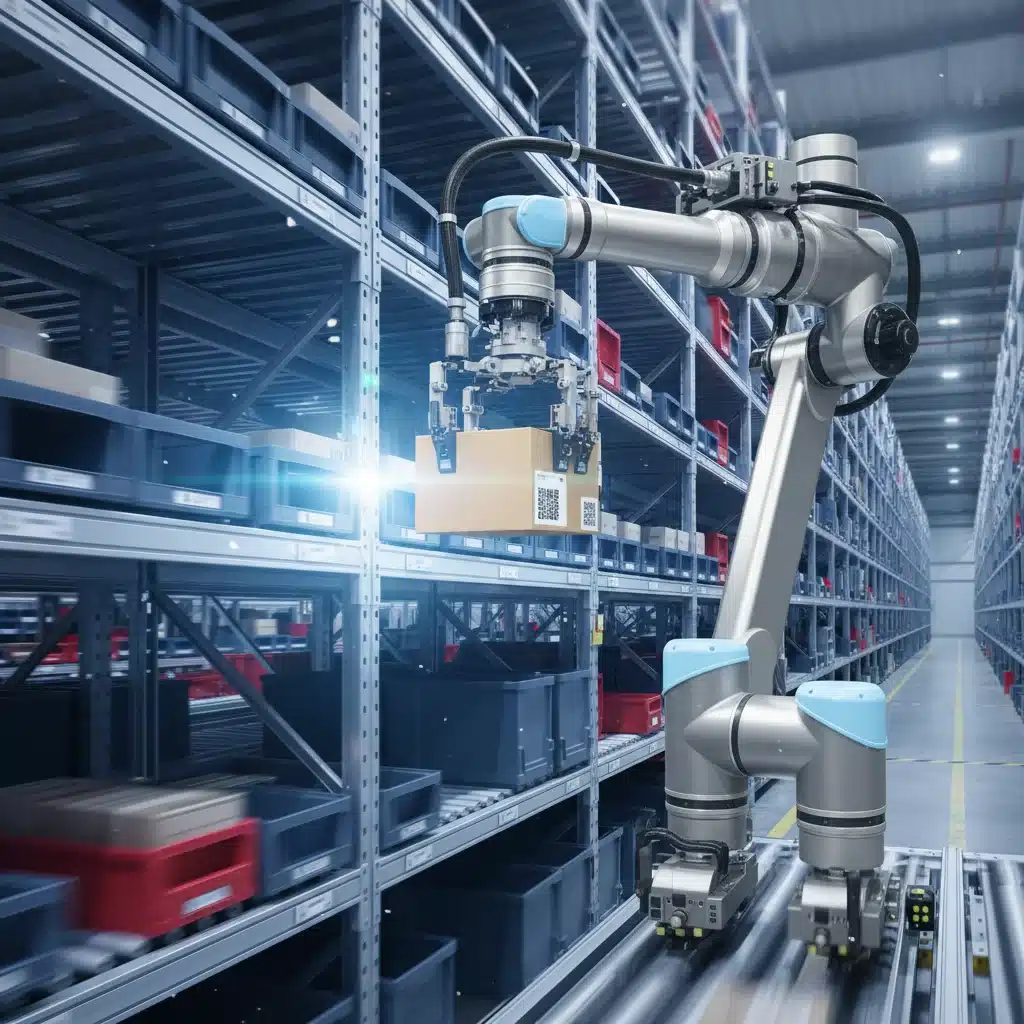
Once primarily confined to manufacturing assembly lines, robotic arms are now highly adept at performing intricate picking and packing tasks in logistics. Advances in vision systems, gripper technology (suction, multi-finger, compliant), and AI-driven object recognition have made them incredibly versatile.
- Precision Picking: Can handle a wide variety of product shapes, sizes, and weights with high accuracy.
- Repetitive Task Automation: Ideal for repetitive tasks, reducing strain on human workers.
- Customized Packing: Can adapt to different packaging requirements, ensuring optimal product protection and presentation.
Drones for Inventory and Surveillance
While less common for direct material handling, drones are emerging as valuable tools for inventory management and surveillance within large logistics facilities. They can quickly scan barcodes or RFID tags across vast areas, providing accurate, up-to-date inventory data without human intervention.
Strategic Implementation: Insider Knowledge for Success
Achieving a 15% efficiency gain through robotics logistics efficiency isn’t just about purchasing robots; it requires a well-thought-out strategy, careful planning, and a commitment to integration. Here’s what companies are doing to succeed:
1. Phased Rollout and Scalability
Instead of a ‘big bang’ approach, successful companies often adopt a phased rollout strategy. This allows for testing, optimization, and gradual integration, minimizing disruption and maximizing learning. Starting with a pilot program in a specific area or for a particular product line can provide valuable insights before scaling up.
2. Data-Driven Decision Making
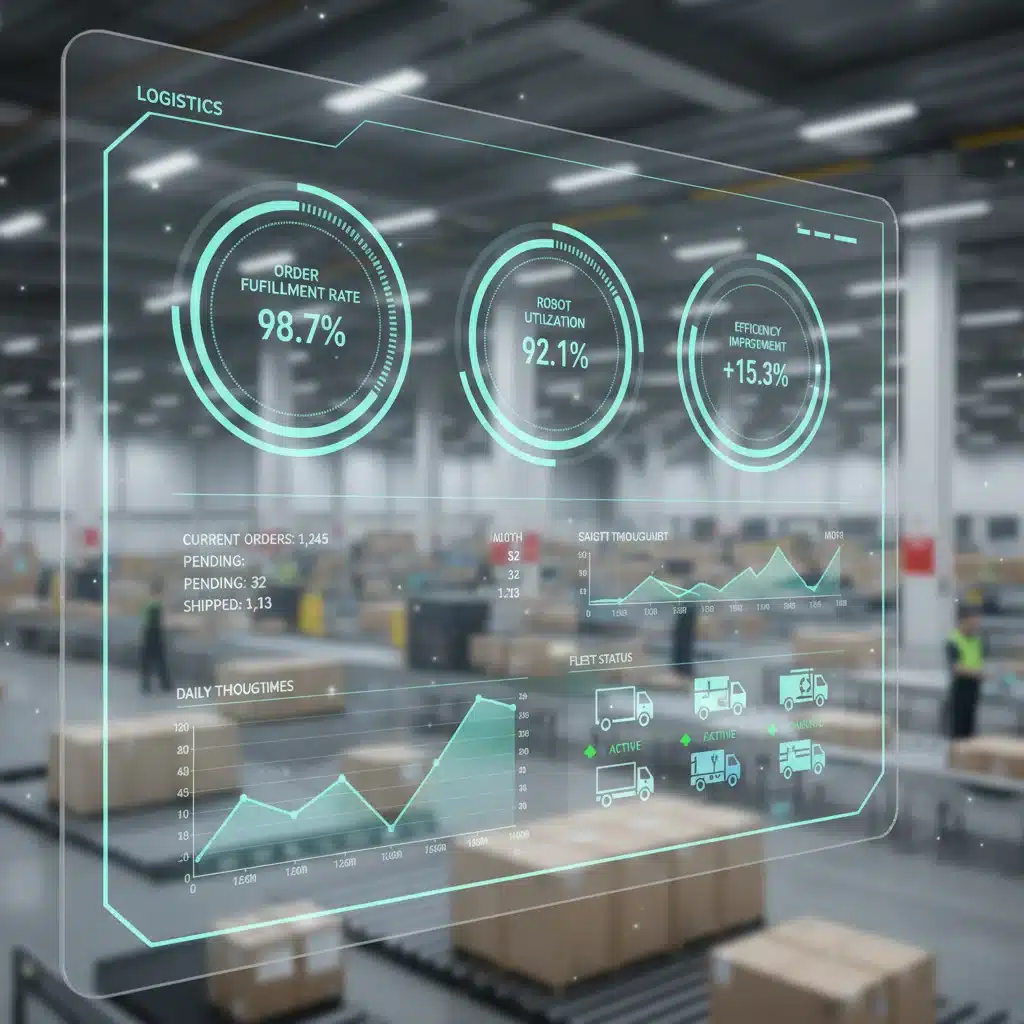
The true power of robotics is unleashed when combined with robust data analytics. Companies are investing in platforms that collect real-time data from robotic systems, providing insights into performance metrics, bottlenecks, and areas for further optimization. This data-driven approach is critical for achieving and sustaining efficiency gains.
3. Workforce Training and Upskilling
The introduction of robots often necessitates a shift in workforce roles. Forward-thinking companies are investing in training programs to upskill their employees, preparing them to work alongside robots, manage automated systems, and perform more analytical or supervisory roles. This ensures a smooth transition and fosters a collaborative human-robot environment.
4. Vendor Selection and Partnership
Choosing the right robotics vendor is paramount. Companies are looking for partners who offer not just advanced technology but also strong support, customization capabilities, and a clear roadmap for future innovation. Long-term partnerships are often more beneficial than one-off transactions.
5. Integration with Existing Systems
Seamless integration of robotic systems with existing Warehouse Management Systems (WMS), Enterprise Resource Planning (ERP) systems, and other supply chain software is crucial. This ensures data flow, operational coherence, and avoids creating new silos of information.
6. Cybersecurity Considerations
As logistics operations become more digitized and interconnected, cybersecurity becomes a critical concern. Protecting robotic systems and their data from cyber threats is essential to prevent operational disruptions and data breaches.
Challenges and Considerations
While the benefits are clear, the path to achieving 15% robotics logistics efficiency is not without its challenges. Companies must navigate:
- High Initial Investment: The capital expenditure for advanced robotic systems can be substantial, requiring careful financial planning and justification.
- Complexity of Integration: Integrating new robotic systems with legacy IT infrastructure and existing operational workflows can be complex and time-consuming.
- Maintenance and Support: Robotic systems require specialized maintenance and technical support, which can add to ongoing operational costs.
- Adaptability to Change: The logistics environment is dynamic. Robotic systems must be flexible enough to adapt to changes in product mix, order volumes, and facility layouts.
- Workforce Transition: Managing the impact on human labor, including potential job displacement and the need for retraining, requires careful planning and communication.
Addressing these challenges proactively is key to successful implementation and realizing the full potential of robotic automation.
The Future Outlook: Beyond 2026
The projected 15% efficiency gain by 2026 is just the beginning. As robotic technology continues to evolve, we can expect even greater advancements and wider adoption. Future trends likely include:
- More Dexterous and Collaborative Robots: Robots will become even more capable of handling complex and delicate tasks, working seamlessly alongside human counterparts.
- Enhanced AI and Machine Learning: AI will enable robots to learn and adapt more quickly, making autonomous decision-making more sophisticated and efficient.
- Swarm Robotics: Large numbers of smaller, simpler robots working together to achieve complex tasks, offering greater flexibility and resilience.
- Digital Twins and Predictive Maintenance: The creation of digital replicas of physical logistics systems will allow for simulation, optimization, and predictive maintenance of robotic fleets, further enhancing uptime and efficiency.
- Sustainable Robotics: Development of more energy-efficient robots and sustainable manufacturing practices for robotic components will align with broader environmental goals.
The integration of robotics logistics efficiency is not merely a passing trend; it is a fundamental shift in how goods are moved, stored, and delivered. U.S. companies are leading the charge, recognizing that embracing this technology is not just an option but a necessity for long-term competitiveness and growth.
Case Studies: Real-World Impact
To further illustrate the impact of robotics logistics efficiency, let’s consider hypothetical examples based on real-world trends:
E-commerce Giant’s Fulfillment Center
An anonymous major e-commerce retailer, facing immense pressure to deliver orders faster and more cost-effectively, invested heavily in AMRs and robotic picking arms across its U.S. fulfillment centers. Within two years, they reported a 12% increase in order fulfillment rates and a 9% reduction in labor costs for repetitive tasks. Their error rate for picking also dropped by 70%, leading to significantly fewer customer complaints and returns. The initial investment, while substantial, was projected to be recouped within 2.5 years, primarily due to increased throughput and reduced operational errors.
Third-Party Logistics (3PL) Provider
A mid-sized 3PL provider specializing in cold chain logistics implemented an AS/RS system for their temperature-controlled warehouses. This allowed them to double their storage capacity within the existing footprint and reduce product retrieval times by an average of 40%. The improved speed and accuracy enabled them to attract new clients requiring stringent delivery timelines and precise inventory management, leading to a 15% increase in annual revenue. The AS/RS also minimized human exposure to harsh cold environments, enhancing worker safety.
Manufacturing Supply Chain Optimization
A large automotive parts manufacturer integrated robotic material handling systems into their inbound logistics and assembly line feeding processes. By using AMRs to deliver components to workstations just-in-time, they reduced their internal transport costs by 18% and improved assembly line efficiency by 10%. The real-time tracking capabilities of the AMRs also provided greater visibility into their inventory, reducing buffer stock requirements and improving overall supply chain resilience. This holistic approach to automation contributed to a significant boost in their overall production efficiency.
These examples underscore that the benefits of robotics logistics efficiency are not confined to a single industry segment but are broadly applicable across various sectors of the U.S. economy.
Conclusion: A Future Defined by Robotics
The projection of U.S. logistics companies achieving a 15% efficiency gain by 2026 through advanced robotics is a testament to the transformative power of these technologies. From boosting throughput and reducing errors to optimizing space and enhancing worker safety, the benefits are clear and compelling. The financial implications are significant, offering substantial ROI and a powerful competitive edge for those who embrace this technological shift.
While challenges in implementation, investment, and workforce adaptation exist, the strategic adoption of AMRs, AS/RS, robotic arms, and other intelligent automation solutions is proving to be a game-changer. As we look towards 2026 and beyond, the integration of robotics logistics efficiency will undoubtedly continue to redefine the industry, fostering a more agile, resilient, and productive supply chain ecosystem in the United States.
Companies that proactively invest in and strategically deploy these advanced robotic solutions will not only meet the escalating demands of the modern market but will also position themselves as leaders in the next era of logistics innovation.