
The Evolution of American Family Structures: What the 2026 Census Data Reveals About Cultural Shifts
The concept of family in America has always been dynamic, a reflection of broader societal changes, economic pressures, and evolving cultural values. For decades, the traditional nuclear family – a married couple with biological children – stood as the idealized, albeit often unattainable, norm. However, as we approach the unveiling of the 2026 Census data, it is becoming increasingly clear that American family structures have undergone a profound transformation, moving far beyond this singular model. This article delves into the anticipated revelations of the upcoming census, exploring the significant cultural shifts that are redefining what it means to be a family in the United States today.
Understanding these shifts is not merely an academic exercise; it has far-reaching implications for public policy, social services, urban planning, and even marketing strategies. The way we define and live within our families influences everything from housing demands and healthcare needs to educational priorities and community support systems. The 2026 Census will serve as a crucial benchmark, providing empirical evidence of trends that have been subtly, and not so subtly, reshaping the American social fabric for years. By examining these evolving American family structures, we can better prepare for the future and foster a society that supports all its diverse members.
A Historical Glimpse: From Nuclear Ideal to Diverse Realities
For much of the 20th century, especially post-World War II, the nuclear family was heavily promoted as the cornerstone of American society. This model, often depicted in popular culture, comprised a breadwinner father, a homemaker mother, and their children. While this ideal certainly existed for many, it was never the sole reality, particularly for minority communities or those facing economic hardship. However, its pervasive influence shaped policies and expectations for generations. The seeds of change for American family structures were sown in the latter half of the century, with significant shifts beginning to emerge in the 1970s and 80s.
The rise of feminism, increased female participation in the workforce, changing attitudes towards marriage and divorce, and greater recognition of LGBTQ+ rights all contributed to a gradual but undeniable diversification of family forms. The 1990s and early 2000s saw a further acceleration of these trends. Single-parent households became more common, cohabitation without marriage gained acceptance, and blended families became a significant part of the landscape. These shifts challenged traditional notions and paved the way for the complex tapestry of American family structures we observe today. The 2026 Census is expected to not only confirm these ongoing trends but also highlight newer, perhaps less anticipated, developments.
Key Trends Anticipated in the 2026 Census Data
The 2026 Census data is poised to illuminate several critical trends that will further redefine American family structures:
1. Declining Marriage Rates and Rising Cohabitation
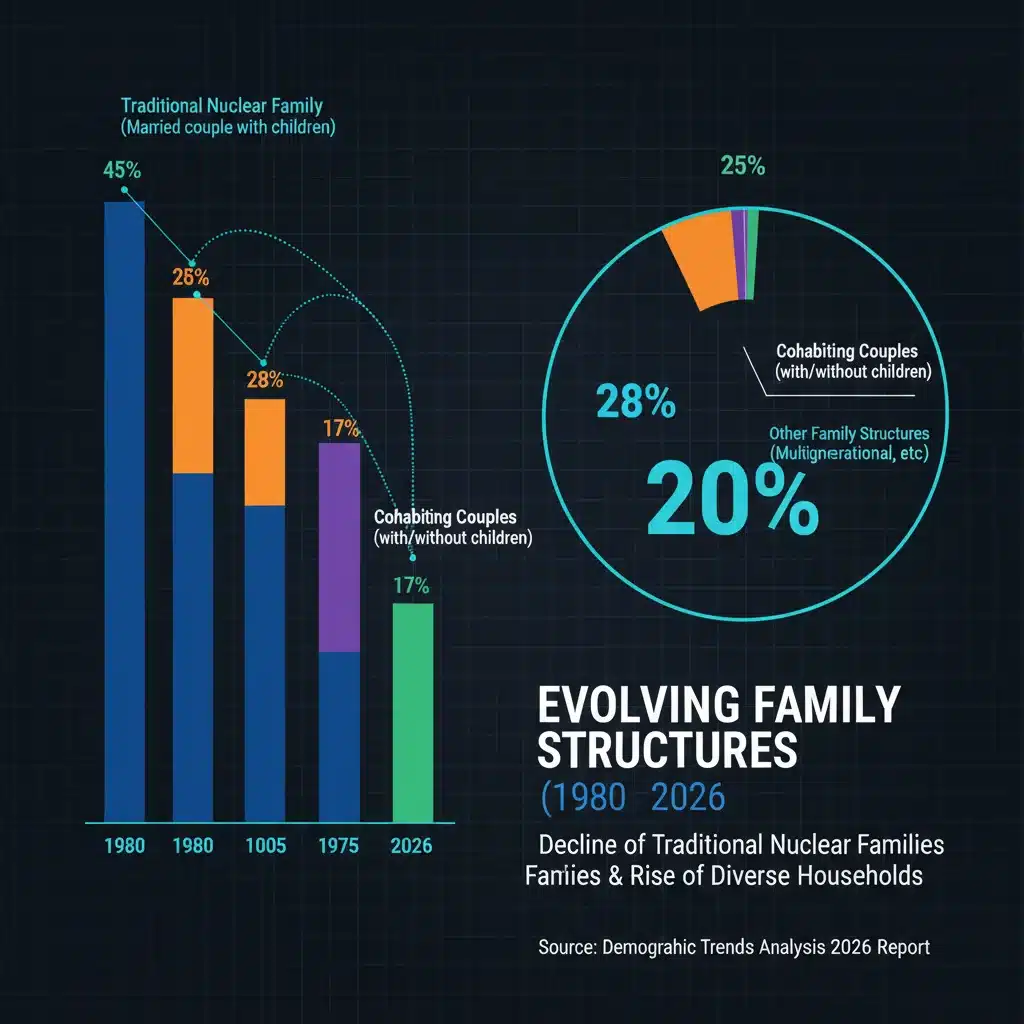
One of the most significant and enduring trends has been the decline in marriage rates and the corresponding increase in cohabitation. Younger generations are delaying marriage, if they choose it at all, often prioritizing education, career development, and financial stability. Cohabitation is increasingly seen as a viable alternative to marriage, offering many of the same benefits without the legal and social commitments. The 2026 Census will likely show a continued decrease in the percentage of households headed by married couples, and a rise in unmarried partner households, many of whom are raising children. This shift impacts everything from tax policies to housing design.
2. Growth of Single-Parent and Blended Families
Single-parent households, whether due to divorce, separation, death of a partner, or intentional single parenthood, have been a growing segment of American family structures for decades. The census will provide updated figures on these families, highlighting the unique challenges and strengths associated with raising children in a single-parent environment. Concurrently, blended families, formed when divorced or widowed parents remarry or repartner, continue to be a common family type, bringing together children from different biological parents and creating complex kinship networks. The census will offer insights into the prevalence and characteristics of these intricate family units.
3. The Rise of Multi-Generational Households
Driven by economic factors, cultural preferences, and caregiving needs, multi-generational households are experiencing a resurgence. This trend, particularly pronounced in certain immigrant communities but now widespread, involves three or more generations living under one roof. Young adults struggling with housing costs, elderly parents needing care, or families pooling resources are all contributing factors. The 2026 Census will provide a clearer picture of the scale of this phenomenon and its regional variations, indicating its growing importance within American family structures.
4. Increased Visibility and Acceptance of Same-Sex and Chosen Families
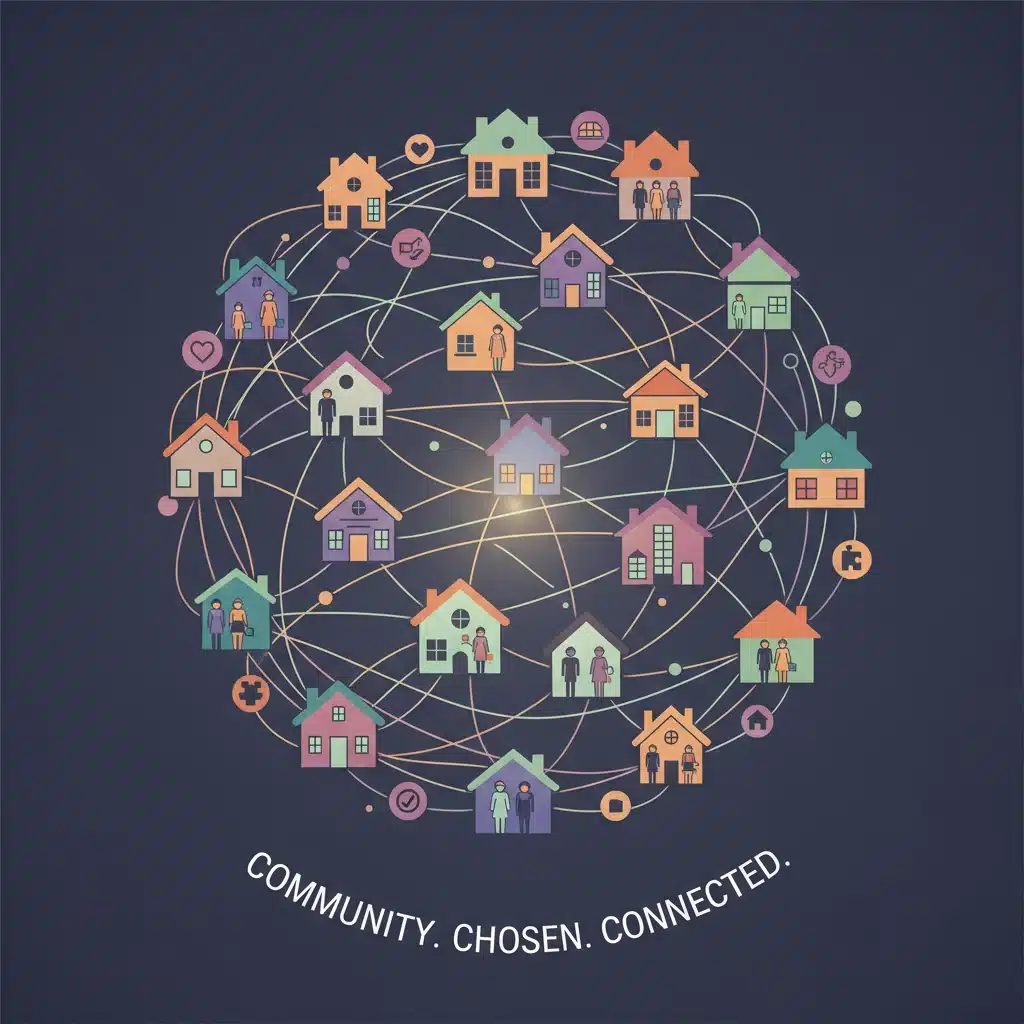
With evolving social attitudes and legal milestones like marriage equality, same-sex couples and families are more visible and accepted than ever before. The 2026 Census will offer more comprehensive data on same-sex households, including those raising children, providing valuable insights into their demographics and contributions to society. Beyond legally recognized relationships, the concept of “chosen family” – networks of close friends and allies who provide emotional and practical support – is gaining recognition. While difficult to quantify directly in a census, the underlying social shifts that foster chosen families are reflected in broader trends of individual autonomy and diverse support systems within American family structures.
5. Smaller Household Sizes and Delayed Parenthood
Globally, and especially in developed nations, there’s a trend towards smaller family sizes. Americans are having fewer children, and often later in life. This is influenced by factors such as increased educational attainment for women, career aspirations, the rising cost of childcare, and access to contraception. The 2026 Census will likely show a continuation of this trend, with a higher proportion of households consisting of childless couples, single individuals, or couples with only one child. This has significant implications for future population growth, workforce demographics, and the demand for child-related services.
Cultural Shifts Driving the Transformation of American Family Structures
Beyond the raw numbers, it’s crucial to understand the underlying cultural shifts that are propelling these changes in American family structures. These are not isolated phenomena but rather interconnected forces reshaping societal norms and individual choices.
Individualism vs. Familial Obligation
American culture has long emphasized individualism, personal freedom, and self-fulfillment. This emphasis has intensified, leading many to prioritize personal growth, career advancement, and individual happiness over traditional familial expectations. While family remains important, the definition of “obligation” has shifted. Decisions about marriage, parenthood, and living arrangements are increasingly viewed through the lens of individual choice rather than societal pressure or duty. This doesn’t mean families are less valued, but rather that individuals seek family arrangements that align with their personal values and life goals.
Economic Realities and Financial Strain
The economic landscape plays a significant role in shaping American family structures. Stagnant wages, rising costs of living, student loan debt, and the exorbitant expense of raising children are powerful deterrents to forming traditional families. Delaying marriage and parenthood, choosing not to have children, or opting for multi-generational living are often pragmatic responses to financial pressures. The 2026 Census will undoubtedly reflect how these economic realities force adaptations in family planning and household composition.
Evolving Gender Roles and Equality
The traditional division of labor within families, with men as breadwinners and women as homemakers, has largely eroded. Women’s increased participation in higher education and the workforce has fundamentally altered gender roles within relationships and families. This shift has led to more egalitarian partnerships, but also new challenges in balancing career and family responsibilities. The census data will implicitly highlight how these evolving gender dynamics are reflected in household structures, childcare arrangements, and economic contributions within American family structures.
Technological Advancements and Social Connectivity
Technology has paradoxically both fragmented and connected families. While digital devices can sometimes reduce face-to-face interaction, they also allow for families to maintain strong ties across distances, support remote work, and access information and resources. The rise of social media and online communities also facilitates the formation of “chosen families” and support networks outside of traditional kinship. The influence of technology on family dynamics, while not directly measured by the census, is an underlying factor in the flexibility and adaptability of modern American family structures.
Implications for Society and Policy
The changing landscape of American family structures carries profound implications for various sectors of society:
Public Policy and Social Services
Policymakers must adapt to these new realities. Policies around childcare, parental leave, elder care, and housing assistance often still operate under assumptions of the nuclear family. The 2026 Census data will underscore the need for more inclusive and flexible policies that support single parents, cohabiting couples, multi-generational households, and chosen families. Social services must similarly evolve to provide targeted support that addresses the diverse needs of different family configurations.
Economic Impact and Workforce Dynamics
The shift in American family structures has direct economic consequences. Smaller family sizes can lead to a shrinking workforce in the long term, impacting economic growth and social security systems. The increasing prevalence of multi-generational households affects consumer spending patterns and housing markets. Businesses need to consider these changes in their workforce planning, offering flexible work arrangements and benefits that cater to a wider range of family situations.
Education and Child Development
Educational institutions must recognize and adapt to the diverse family backgrounds of their students. Understanding the different family structures at home can help schools tailor support systems, communication strategies, and resources. Research on child development also needs to continue exploring how children thrive in various family environments, moving beyond a sole focus on traditional models to embrace the realities of modern American family structures.
Community Building and Social Cohesion
As traditional family units become less dominant, the role of community and broader social networks becomes even more critical. Cities and towns need to foster environments that support diverse families, offering inclusive public spaces, community programs, and support groups. Strong communities can act as extended families, providing the social cohesion that might otherwise be concentrated in smaller, more isolated family units. The census data will highlight areas where community support is most needed and where new models of social connection are emerging.
Challenges and Opportunities in the Evolving Family Landscape
The transformation of American family structures presents both significant challenges and exciting opportunities. One challenge lies in ensuring that all family types receive adequate legal recognition and social support. For instance, cohabiting partners may lack certain legal protections afforded to married couples, and chosen families often navigate a landscape without formal recognition. Addressing these disparities is crucial for equity and well-being.
Another challenge is the potential for increased social isolation, particularly in smaller households or for single individuals without strong support networks. While technology can connect, it doesn’t always replace in-person community. Therefore, fostering robust local communities and public spaces where diverse individuals and families can connect becomes paramount.
However, these changes also bring immense opportunities. The increased flexibility in American family structures allows individuals to create arrangements that best suit their needs and values, potentially leading to greater happiness and resilience. The rise of multi-generational households, for example, can offer mutual support, shared resources, and richer intergenerational relationships. The growing acceptance of diverse family forms fosters a more inclusive and tolerant society, celebrating the myriad ways individuals build meaningful connections and raise children.
Furthermore, the data from the 2026 Census can serve as a powerful tool for innovation. It can inspire new models of housing, childcare, elder care, and community development that are better aligned with contemporary realities. For businesses, understanding these shifts means developing products and services that cater to a broader, more diverse consumer base, from single-person households to large, complex blended families. The evolution of American family structures is a call to adapt, innovate, and build a more responsive and supportive society for everyone.
Conclusion: Embracing the Future of American Family Structures
The 2026 Census data will undoubtedly paint a vivid picture of a nation where American family structures are more diverse, complex, and fluid than ever before. The days of a single, dominant family model are firmly in the past. Instead, we are witnessing a rich tapestry of relationships, living arrangements, and kinship networks that reflect the evolving cultural values, economic pressures, and individual choices of a modern society.
As we anticipate these revelations, it is essential to approach the data with an open mind, recognizing that diversity in family forms is a strength, not a weakness. It reflects a society that is adapting, innovating, and finding new ways to provide support, love, and belonging. The challenge for policymakers, community leaders, and individuals alike will be to understand these shifts, embrace the new realities, and work collaboratively to create a society that supports all its diverse American family structures. By doing so, we can ensure that the family, in all its varied manifestations, continues to be a cornerstone of American life, fostering well-being and resilience for generations to come.