The Evolving American Holiday Landscape: 5 Cultural Shifts by 2026
The Evolving American Holiday Landscape: 5 Cultural Shifts by 2026
American holidays are more than just dates on a calendar; they are vibrant tapestries woven with threads of history, community, and personal meaning. However, like all living traditions, they are constantly evolving. As we look towards 2026, we can observe significant cultural adaptations reshaping how Americans celebrate. These shifts are driven by a confluence of factors, including increasing diversity, technological advancements, growing environmental consciousness, and evolving social values. Understanding these changes is crucial for anyone interested in the future of American culture and the rich tapestry of its festive seasons. This article will delve into five prominent cultural adaptations that are redefining American holiday celebrations, offering insights into what these transformations mean for individuals, families, and communities across the nation. From the way we gather to the gifts we exchange, the essence of American holidays is undergoing a fascinating metamorphosis.
1. The Blurring Lines of Traditional and Global Celebrations
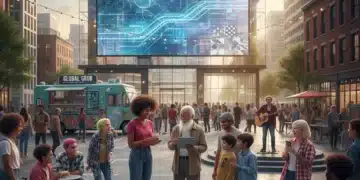
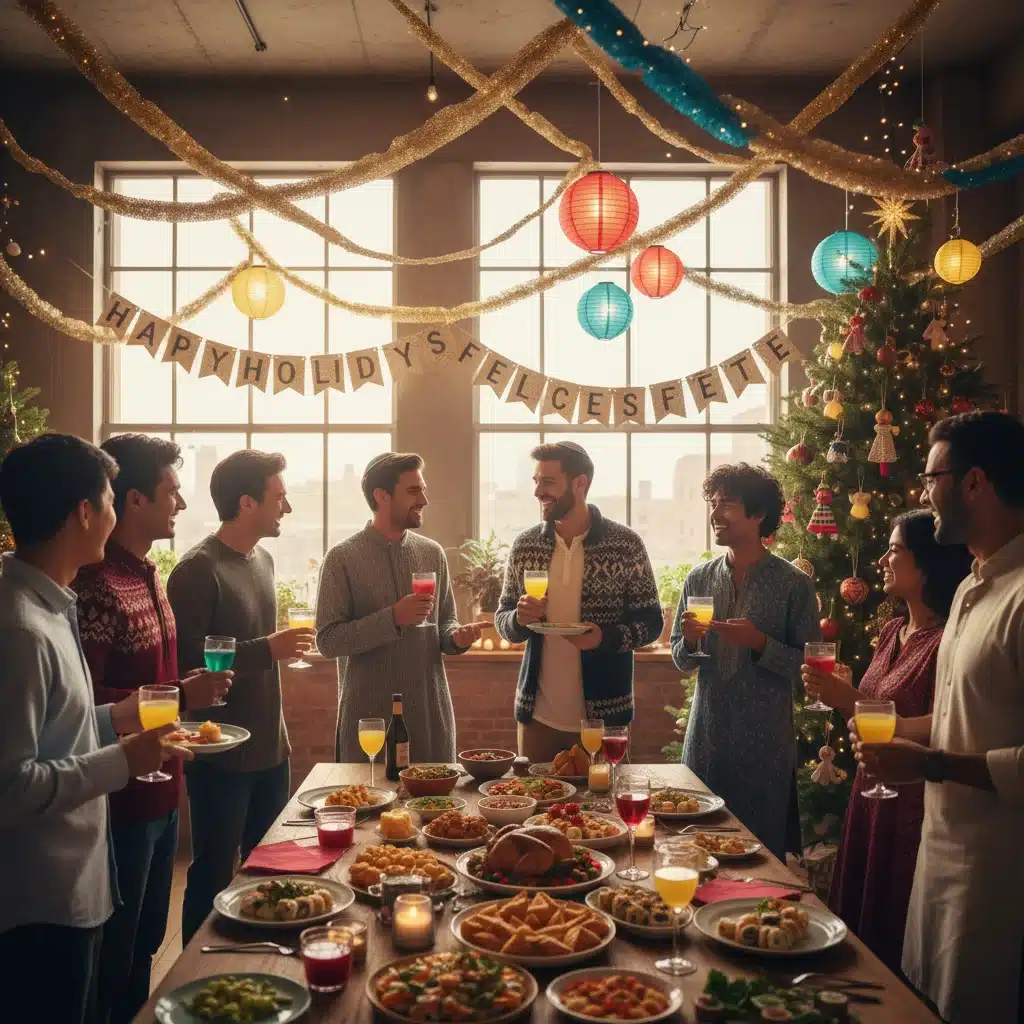
One of the most profound cultural adaptations in American holidays is the increasing integration of global traditions. The United States has always been a melting pot, but in recent years, the visibility and celebration of diverse cultural holidays have grown exponentially. This isn’t just about different communities celebrating their own heritage; it’s about a broader cultural exchange where elements from various global festivities are woven into the fabric of mainstream American celebrations. By 2026, it’s common to see Diwali lights alongside Christmas decorations, or Lunar New Year festivities gaining wider recognition beyond Asian-American communities. This enriches the holiday season, offering new flavors, stories, and rituals for everyone to enjoy.
The Rise of Hybrid Celebrations
Families are increasingly adopting ‘hybrid’ celebrations. A Thanksgiving dinner might feature traditional turkey alongside dishes inspired by Mexican or Indian cuisine. Christmas carols might be interspersed with songs from other cultural traditions. This trend reflects a more inclusive society where individuals are proud of their heritage and eager to share it, while also being open to experiencing and adopting elements from other cultures. This shift is particularly evident in younger generations, who are growing up in a more globally connected world and see cultural diversity as a source of strength and celebration rather than division. This dynamic interplay is fundamentally altering the landscape of American holiday adaptations.
Educational and Community Outreach
Schools, community centers, and even workplaces are playing a significant role in this cultural integration. Many now host events that highlight a variety of global holidays, educating participants about their origins, customs, and significance. This exposure fosters understanding and appreciation, breaking down cultural barriers and creating a more cohesive society. For example, a local library might host a storytelling session about Hanukkah one week and then a workshop on making Kwanzaa crafts the next. These initiatives contribute to a broader understanding and acceptance of different ways of celebrating, making the holiday season a truly multicultural experience. The impact of these efforts on American holiday adaptations cannot be overstated, as they lay the groundwork for future generations to embrace a more diverse festive calendar.
2. Digital Integration as a Core Component of Festivities
Technology has been steadily permeating every aspect of our lives, and American holidays are no exception. By 2026, digital integration is no longer a novelty but a fundamental part of how many celebrate. From virtual gatherings to online gift-giving, technology bridges distances and enhances traditional experiences in ways unimaginable a few decades ago.
Virtual Gatherings and Extended Family Connections
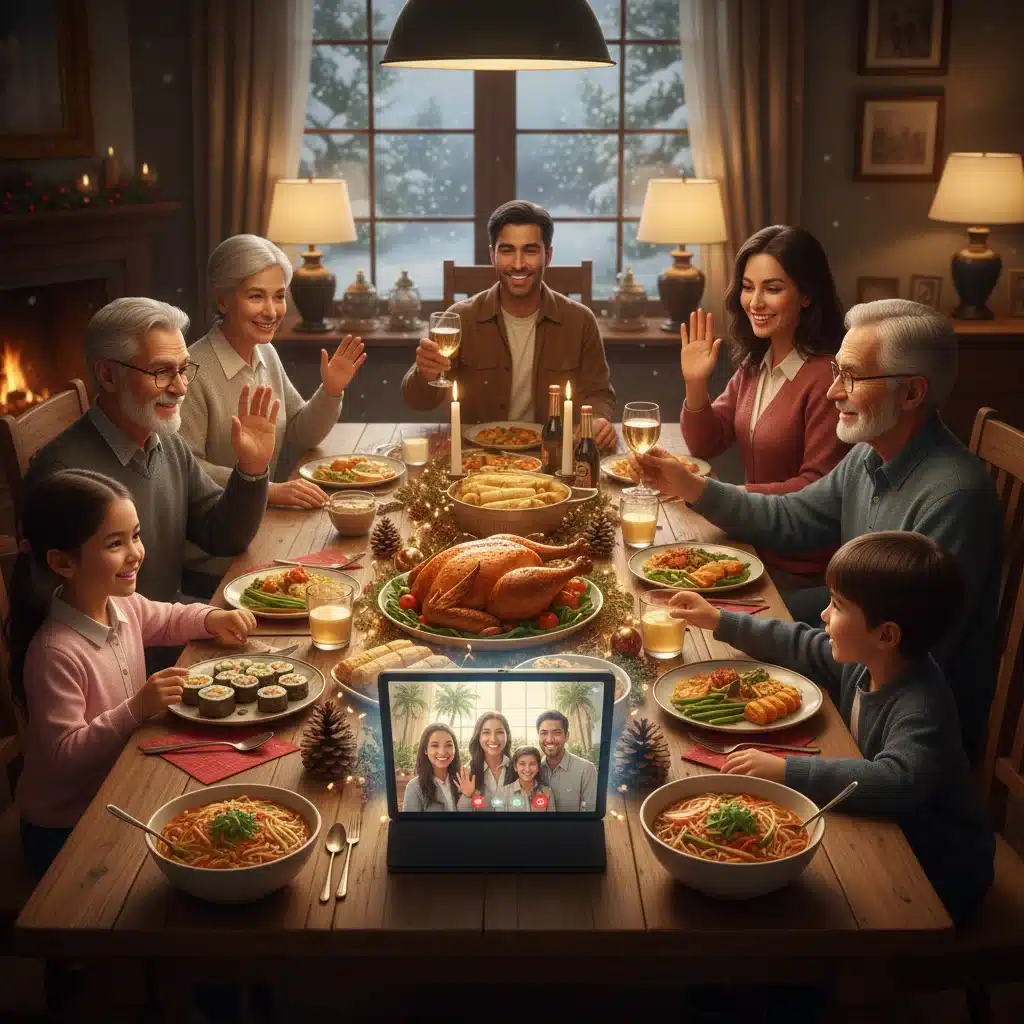
The pandemic accelerated the adoption of virtual gatherings, but even as in-person events returned, the convenience and inclusivity of digital connections remained. Families spread across different states or even countries regularly use video conferencing to share holiday meals, open presents, or simply connect. This ensures that no one is left out, making holidays more accessible for those who cannot travel. Grandparents can watch their grandchildren open gifts in real-time, and long-lost relatives can reconnect over a shared virtual toast. This digital glue strengthens familial bonds and broadens the scope of who can participate in holiday cheer, becoming a crucial aspect of modern American holiday adaptations.
Smart Home Technology and Personalized Experiences
Smart home devices are also playing a role in creating personalized holiday experiences. Automated lighting synchronized to holiday music, smart displays showing festive animations, or even AI-powered recipe assistants helping with holiday cooking are becoming more common. These technologies add a layer of convenience and spectacle, allowing individuals to customize their holiday ambiance with unprecedented ease. Imagine a home where the lights automatically dim and change color as a holiday movie begins, or where a virtual assistant curates a playlist of festive tunes based on the family’s preferences. These advancements enhance the sensory experience of American holidays, making them more immersive and tailored to individual tastes.
3. The Green Shift: Sustainability and Ethical Consumption
As environmental awareness grows, so does the desire for more sustainable and ethical holiday practices. By 2026, many Americans are actively seeking ways to reduce their environmental footprint during festive seasons, leading to significant shifts in consumption patterns and traditions. This green shift is a powerful force shaping American holiday adaptations.
Eco-Friendly Gifting and Experiences Over Materialism
There’s a noticeable move away from excessive material consumption towards more thoughtful, eco-friendly gifting. This includes opting for handmade gifts, sustainably sourced products, or experiences rather than physical items. Gift certificates for local workshops, tickets to events, or donations to charities in someone’s name are gaining popularity. This shift not only reduces waste but also emphasizes the value of connection and personal growth over material possessions. The focus is less on the quantity of gifts and more on their quality, meaning, and environmental impact. This also extends to packaging, with a rise in reusable gift bags, recycled paper, and minimalist wrapping techniques.
Sustainable Decorations and Food Choices
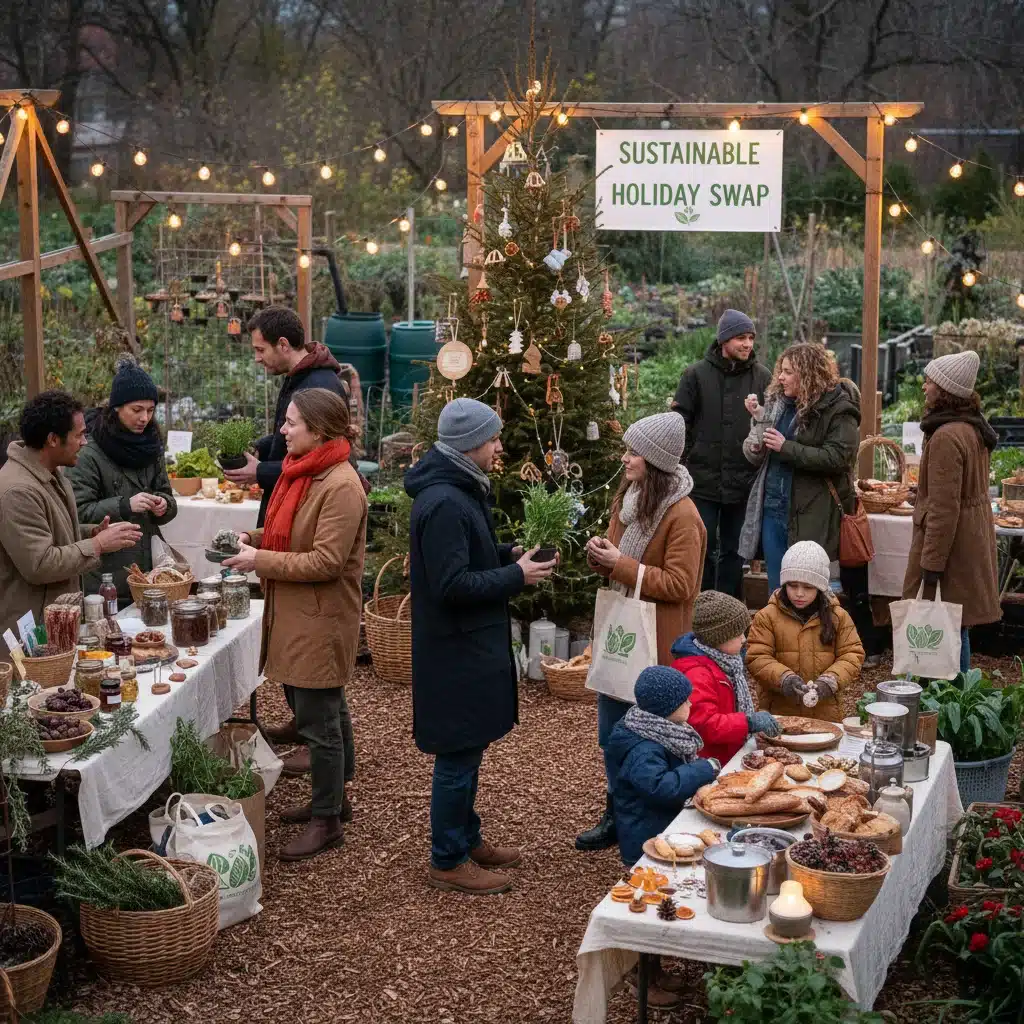
Holiday decorations are also becoming greener. Reusable, long-lasting decorations made from natural or recycled materials are preferred over single-use plastic items. There’s also a growing interest in locally sourced and organic food for holiday meals, reducing carbon footprints associated with transportation and industrial farming. Composting food waste, reducing energy consumption with LED lights, and choosing real, sustainably harvested Christmas trees (or even renting them) are becoming mainstream practices. This holistic approach to sustainability is transforming how individuals and communities approach holiday preparations, making environmental responsibility an integral part of modern American holiday adaptations.
4. Evolution of Family Structures and Inclusive Celebrations
The traditional nuclear family model is no longer the sole definition of family in America, and holiday celebrations are adapting to reflect this broader understanding. By 2026, celebrations are increasingly inclusive of diverse family structures, chosen families, and individuals from various walks of life.
Celebrating Chosen Families and Friend-sgivings
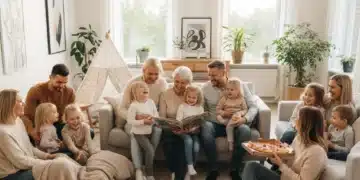
The concept of ‘chosen family’ – close friends who provide the same support and love as biological relatives – has gained significant traction. Holidays like Thanksgiving (often rebranded as ‘Friendsgiving’) and Christmas are increasingly celebrated with these chosen families, especially among younger adults and those living far from their biological relatives. This reflects a societal shift where belonging and connection are prioritized, regardless of biological ties. These gatherings are often less formal, more flexible, and allow for the creation of new traditions that resonate with the group’s unique dynamics. This emphasis on broader community and connection is a key element of evolving American holiday adaptations.
Inclusivity for All: Beyond Traditional Norms
Holiday celebrations are also becoming more considerate of individuals with different needs and lifestyles. This includes offering alcohol-free options at parties, providing quiet spaces for those with sensory sensitivities, or planning activities that cater to various age groups and physical abilities. There’s a greater awareness of mental health during the holidays, with an emphasis on creating stress-free environments and offering support to those who might find the season challenging. This broader understanding of inclusivity ensures that everyone feels welcome, valued, and able to participate authentically in the festivities, further shaping the landscape of American holiday adaptations.
5. The Rise of ‘Mindful’ and ‘Meaningful’ Holidays
In an increasingly fast-paced and consumer-driven world, there’s a growing counter-movement towards making holidays more mindful and meaningful. By 2026, many Americans are seeking to reclaim the spiritual, communal, or personal significance of holidays, moving away from purely commercial aspects.
Focus on Experiences, Reflection, and Gratitude
Instead of focusing solely on gifts and elaborate parties, there’s a renewed emphasis on experiences, reflection, and gratitude. Families might choose to spend time volunteering, engaging in acts of kindness, or simply enjoying quiet moments together. Activities like journaling about gratitude, participating in community service, or creating handmade decorations with personal significance are gaining popularity. This shift encourages a deeper connection to the true spirit of the holiday, whatever that may be for an individual or family, fostering a sense of purpose and fulfillment. This deliberate effort to infuse holidays with deeper meaning is a significant trend in American holiday adaptations.
Reclaiming the Narrative: Local and Community-Driven Events
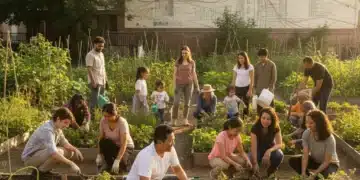
There’s also a trend towards supporting local businesses and participating in community-driven events that emphasize shared values over mass consumption. Local craft fairs, community caroling, neighborhood light displays, and charity drives are becoming central to many people’s holiday experiences. These events foster a sense of belonging and collective joy, reminding people of the power of community during the festive season. This movement away from commercialism and towards genuine connection and shared experience is a powerful force in shaping the future of American holidays, making them more authentic and resonant for many. These community-led initiatives are vital examples of positive American holiday adaptations.
Conclusion: The Dynamic Future of American Holidays
The landscape of American holidays is far from static. As we observe these five cultural adaptations by 2026 – the integration of global traditions, pervasive digital integration, a strong green shift towards sustainability, evolving family structures fostering inclusivity, and a renewed focus on mindfulness and meaning – it’s clear that these festive periods are becoming richer, more diverse, and more reflective of the complex society we live in. These changes are not about abandoning the past but rather about building upon it, creating new traditions that resonate with contemporary values and realities.
These evolving American holiday adaptations demonstrate a society that is increasingly interconnected, conscious of its impact on the planet, and committed to inclusivity. As individuals and communities navigate these shifts, the essence of holidays – connection, celebration, and reflection – remains, albeit expressed in ever-evolving and fascinating ways. Understanding these trends allows us to appreciate the dynamic nature of culture and to anticipate how our shared festive experiences will continue to transform in the years to come, ensuring that American holidays remain a vibrant and meaningful part of the national identity.