Digital Twin Asset Management: 10% Cost Reduction by 2026
Digital Twin Asset Management: Achieving a 10% Cost Reduction by 2026
In today’s fiercely competitive industrial landscape, businesses are constantly seeking innovative strategies to enhance efficiency, reduce operational costs, and maximize the lifespan of their critical assets. The emergence of Digital Twin technology has presented a transformative solution, promising not just incremental improvements but a fundamental shift in how assets are managed. This comprehensive guide delves into how organizations can leverage Digital Twin Asset Management to achieve a remarkable 10% cost reduction by 2026, exploring the underlying principles, practical applications, and strategic implementation necessary for success.
The concept of a digital twin, a virtual replica of a physical asset, process, or system, has moved from theoretical discussions to tangible, real-world applications. By continuously updating this virtual model with real-time data from its physical counterpart, businesses gain unprecedented insights into asset performance, health, and potential failures. This data-driven approach is revolutionizing asset management, moving it from reactive to proactive, and ultimately, predictive.
The imperative for cost reduction is clearer than ever. Economic pressures, supply chain volatility, and increasing demands for sustainability are pushing companies to optimize every aspect of their operations. Asset management, often a significant cost center due to maintenance, downtime, and premature replacements, stands to benefit immensely from digital twin integration. Our target of a 10% cost reduction by 2026 is ambitious yet entirely achievable for organizations that strategically embrace Digital Twin Asset Management.
Understanding Digital Twin Technology in Asset Management
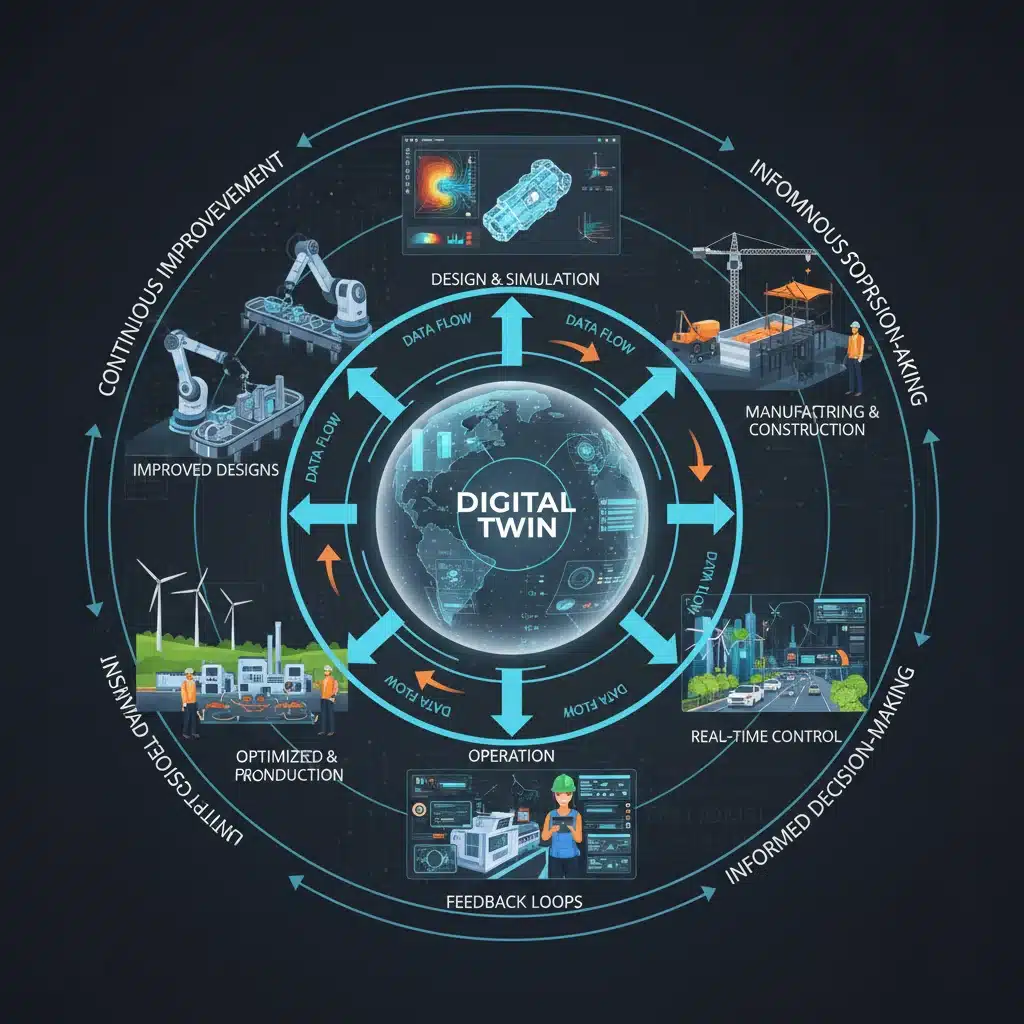
At its core, a digital twin is more than just a 3D model. It’s a dynamic, living data model that mirrors a physical asset throughout its lifecycle. This virtual representation integrates data from various sources, including sensors, operational systems, maintenance records, and environmental conditions. The continuous flow of data between the physical and digital realms allows for real-time monitoring, analysis, and simulation, providing a holistic view of an asset’s status and behavior.
Key Components of a Digital Twin
- Physical Asset: The real-world equipment, machine, or system being monitored.
- Sensors: Devices attached to the physical asset that collect real-time data (e.g., temperature, pressure, vibration, energy consumption).
- Data Connectivity: Secure and efficient communication channels (e.g., IoT platforms, cloud computing) that transmit data from sensors to the digital twin.
- Virtual Model: The digital replica, often a sophisticated simulation that incorporates engineering data, historical performance, and real-time sensor inputs.
- Analytics and AI: Algorithms and machine learning models that process the data to derive insights, predict failures, and optimize performance.
- User Interface: Dashboards and visualization tools that allow human operators to interact with the digital twin, monitor assets, and make informed decisions.
In the context of asset management, Digital Twin Asset Management transforms traditional approaches by offering a predictive and prescriptive framework. Instead of waiting for an asset to fail or performing time-based maintenance, organizations can anticipate issues, optimize maintenance schedules, and even simulate the impact of operational changes before implementation. This paradigm shift is fundamental to achieving significant cost reductions.
The Path to 10% Cost Reduction by 2026: Strategic Pillars
Achieving a 10% cost reduction within a few years requires a multi-faceted approach, with Digital Twin Asset Management serving as the central enabling technology. Here are the strategic pillars that will drive this transformation:
1. Predictive Maintenance and Reduced Downtime
One of the most significant cost drivers in asset management is unexpected downtime and reactive maintenance. When an asset fails unexpectedly, it leads to production losses, expedited repair costs, and often, safety hazards. Digital twins address this head-on by enabling highly accurate predictive maintenance.
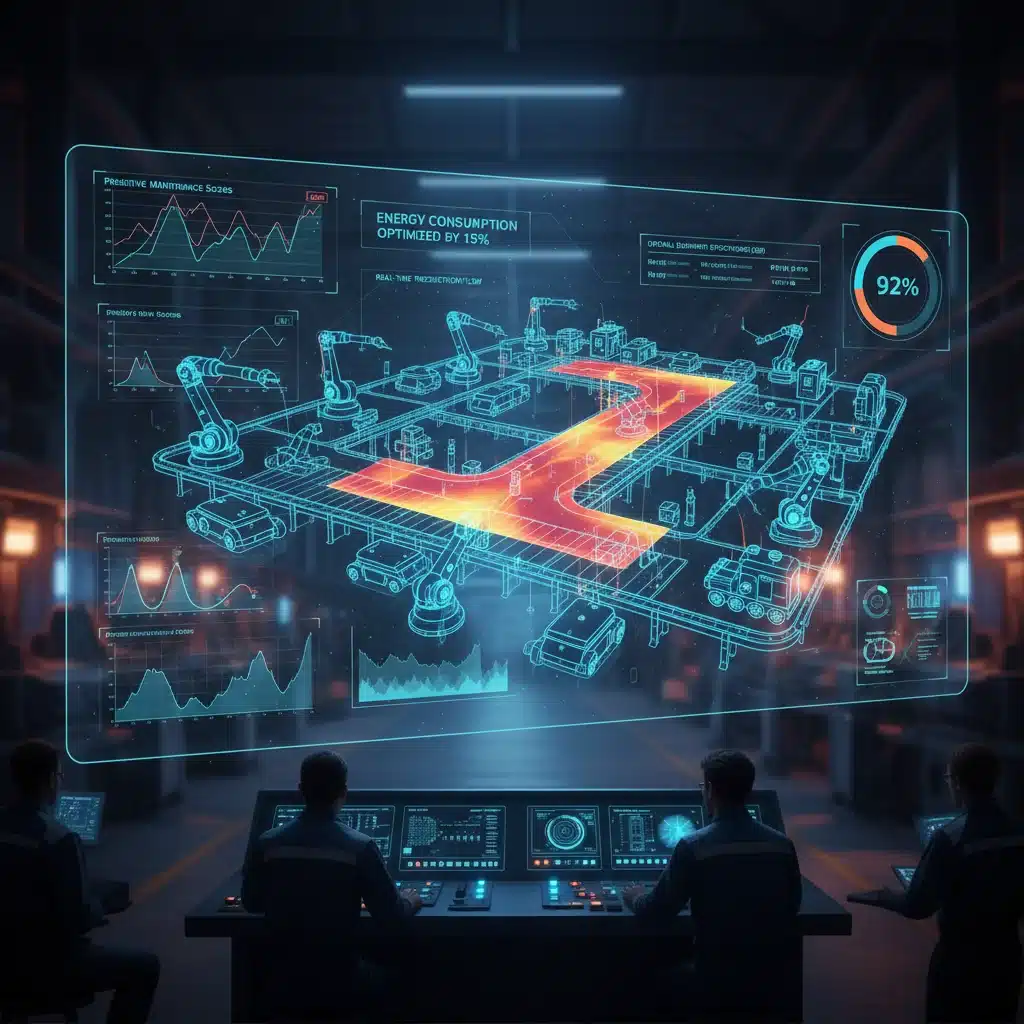
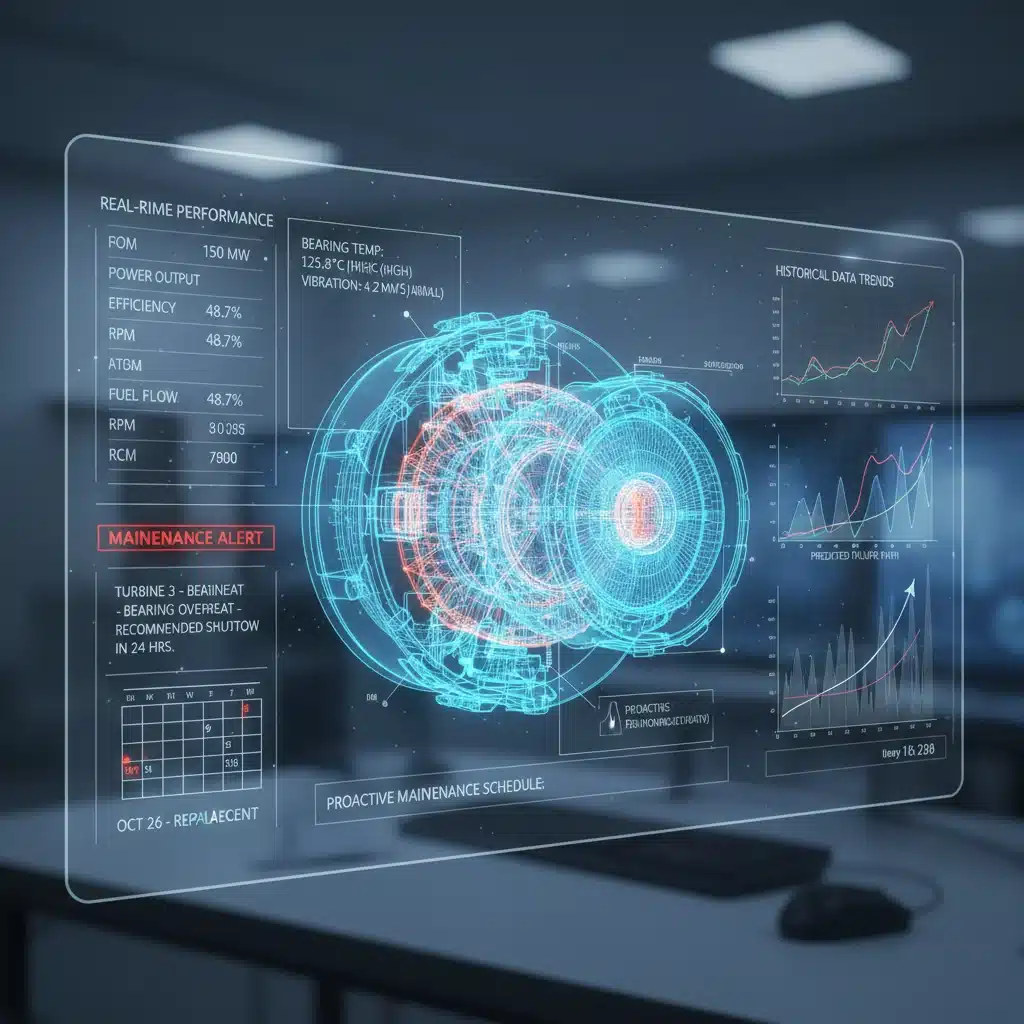
By continuously analyzing real-time sensor data and comparing it against historical performance and operational parameters, the digital twin can identify subtle anomalies and predict potential failures long before they occur. This allows maintenance teams to schedule interventions proactively during planned downtimes, procure necessary parts in advance, and avoid costly emergency repairs. The ability to predict failure and perform maintenance ‘just in time’ dramatically reduces unscheduled downtime, extending asset life and optimizing maintenance budgets.
For example, in a manufacturing plant, a digital twin of a critical machine can monitor vibration patterns, temperature fluctuations, and power consumption. If the vibration data starts to show deviations from the norm, the digital twin can alert operators to a potential bearing failure, allowing them to replace the component during a scheduled shutdown rather than waiting for it to seize up and halt production.
2. Optimized Operational Performance and Energy Efficiency
Beyond maintenance, digital twins offer profound insights into optimizing the operational performance of assets. By simulating different operating conditions and parameters, companies can identify the most efficient ways to run their equipment, leading to significant energy savings and improved output.
Consider a heating, ventilation, and air conditioning (HVAC) system in a large commercial building. A digital twin can model the building’s thermal dynamics, external weather conditions, and occupancy patterns. By simulating various HVAC control strategies, the digital twin can identify the optimal settings to maintain comfort while minimizing energy consumption. This continuous optimization, often driven by AI, can lead to substantial reductions in utility bills.
Furthermore, Digital Twin Asset Management can help identify bottlenecks and inefficiencies in complex processes involving multiple assets. By modeling the entire production line, for instance, a digital twin can pinpoint areas where assets are underperforming or creating delays, allowing for process re-engineering and throughput optimization. This directly translates to higher productivity and lower per-unit production costs.
3. Extended Asset Lifespan and Reduced Capital Expenditure
One of the most significant long-term cost benefits of digital twins is their ability to extend the operational lifespan of assets. By ensuring optimal performance and proactive maintenance, assets are subjected to less stress, operate within their intended parameters more consistently, and receive timely care, preventing premature degradation.
When assets last longer, the need for costly replacements or significant capital expenditures is deferred. This has a direct positive impact on the balance sheet, freeing up capital that can be reinvested in growth or other strategic initiatives. The insights provided by digital twins also allow for more accurate residual value assessments, aiding in financial planning and asset retirement strategies.
For high-value assets like industrial turbines, aircraft engines, or large-scale mining equipment, even a modest extension of lifespan can result in millions of dollars in savings. Digital Twin Asset Management provides the intelligence needed to make informed decisions about asset utilization, refurbishment, and replacement cycles.
4. Enhanced Risk Management and Safety Compliance
Asset failures not only incur direct repair costs but can also lead to significant risks, including safety incidents, environmental damage, and regulatory penalties. Digital twins play a crucial role in mitigating these risks.
By simulating fault conditions and predicting component failures, digital twins allow organizations to assess potential safety implications and implement preventative measures. They can also be used to train operators in a virtual environment, preparing them for various scenarios without putting physical assets or personnel at risk. This proactive approach to risk management reduces the likelihood of costly accidents and ensures compliance with stringent safety regulations.
For industries dealing with hazardous materials or complex machinery, the ability to foresee and prevent catastrophic failures is invaluable, not just for cost avoidance but also for protecting human lives and the environment.
5. Optimized Inventory Management for Spare Parts
Maintaining an adequate inventory of spare parts is a delicate balance. Too many parts tie up capital and incur storage costs, while too few can lead to extended downtime during repairs. Digital twins provide the data-driven insights needed to optimize spare parts inventory.
By accurately predicting when specific components are likely to fail, and understanding their lead times for procurement, organizations can implement a ‘just-in-time’ inventory strategy. This minimizes the need for large buffer stocks, reduces obsolescence, and frees up working capital. The digital twin can integrate with Enterprise Resource Planning (ERP) and Maintenance, Repair, and Operations (MRO) systems to automate ordering and tracking, further streamlining the process.
This optimization directly contributes to cost reduction by lowering inventory carrying costs and preventing the financial hit of prolonged downtime due to unavailable parts.
Implementing Digital Twin Asset Management: A Step-by-Step Approach
Successfully integrating Digital Twin Asset Management into an organization requires a structured approach. Here’s a typical roadmap:
Phase 1: Assessment and Pilot Project
- Identify Critical Assets: Begin by pinpointing the most valuable and failure-prone assets that would yield the greatest return on investment from digital twin implementation.
- Define Objectives: Clearly articulate the specific cost reduction targets and operational improvements expected from the pilot project.
- Data Readiness Assessment: Evaluate existing data infrastructure, sensor capabilities, and data quality. Identify gaps that need to be addressed.
- Vendor Selection: Partner with technology providers offering robust digital twin platforms and expertise.
- Pilot Implementation: Deploy a digital twin for a single, manageable asset or a small group of similar assets. Document lessons learned rigorously.
Phase 2: Scaled Deployment and Integration
- Iterative Expansion: Based on the success of the pilot, gradually expand digital twin implementation to more assets and systems.
- Data Integration: Ensure seamless integration of digital twin platforms with existing enterprise systems (e.g., CMMS, EAM, ERP, SCADA).
- Workflow Adaptation: Adjust maintenance workflows, operational procedures, and decision-making processes to leverage digital twin insights.
- Training and Skill Development: Invest in training for maintenance teams, operators, and data analysts to effectively utilize digital twin tools.
Phase 3: Continuous Optimization and Value Realization
- Performance Monitoring: Continuously track key performance indicators (KPIs) related to asset health, maintenance costs, downtime, and operational efficiency.
- Model Refinement: Regularly update and refine digital twin models with new data, operational changes, and advancements in analytical capabilities.
- Feedback Loops: Establish strong feedback mechanisms between physical asset performance and digital twin predictions to ensure accuracy and continuous improvement.
- Strategic Planning: Use insights from Digital Twin Asset Management to inform long-term asset investment strategies and capital planning.
Challenges and Considerations
While the benefits are compelling, implementing Digital Twin Asset Management is not without its challenges:
- Data Management: The sheer volume and variety of data required can be overwhelming. Ensuring data quality, security, and accessibility is paramount.
- Integration Complexity: Integrating new digital twin platforms with legacy systems can be complex and require significant IT resources.
- Initial Investment: The upfront costs for sensors, software, and infrastructure can be substantial, requiring a clear business case and ROI analysis.
- Skill Gap: Organizations may lack the internal expertise in IoT, AI, and data analytics needed to fully leverage digital twin capabilities.
- Scalability: Designing a digital twin architecture that can scale from a pilot project to an enterprise-wide solution is crucial.
Addressing these challenges requires careful planning, strategic partnerships, and a clear commitment from leadership. The long-term benefits, however, far outweigh the initial hurdles.
Real-World Impact and Future Outlook
Industries ranging from manufacturing and energy to aerospace and smart cities are already seeing tangible benefits from Digital Twin Asset Management. Companies are reporting:
- Reductions in unplanned downtime by 20-50%.
- Maintenance cost savings of 10-40%.
- Improved asset utilization rates by 10-25%.
- Significant increases in operational efficiency and energy savings.
The target of a 10% cost reduction by 2026 is not merely aspirational; it is a conservative estimate based on current trends and the accelerating pace of technological adoption. As digital twin platforms become more sophisticated, easier to implement, and more integrated with AI and machine learning, their impact on asset management will only grow.
The future of asset management is undeniably digital. Organizations that embrace Digital Twin Asset Management today will not only gain a significant competitive advantage but will also build more resilient, efficient, and sustainable operations for tomorrow. The journey towards a 10% cost reduction by 2026 begins with strategic vision and a commitment to leveraging this powerful technology.
Conclusion: Embracing the Digital Transformation for Asset Management
The promise of Digital Twin Asset Management extends far beyond simply creating virtual models. It represents a fundamental shift in how businesses interact with and extract value from their physical assets. By providing unparalleled visibility, predictive capabilities, and optimization opportunities, digital twins empower organizations to move beyond traditional reactive maintenance paradigms and embrace a truly proactive, data-driven approach.
Achieving a 10% cost reduction by 2026 through the strategic implementation of digital twins is an ambitious yet entirely attainable goal. This reduction will not come from a single silver bullet, but rather from the cumulative effect of optimized maintenance schedules, enhanced operational efficiency, extended asset lifespans, improved risk management, and streamlined inventory processes. Each of these areas, when powered by the continuous insights of a digital twin, contributes to a healthier bottom line and a more sustainable operational model.
The journey requires investment, both in technology and in human capital, and a willingness to adapt existing workflows. However, the returns on this investment are proving to be substantial and long-lasting. Companies that commit to integrating Digital Twin Asset Management into their core strategies will not only realize significant financial benefits but will also foster a culture of innovation, data-driven decision-making, and operational excellence that positions them for sustained success in the evolving industrial landscape.
The time to act is now. By starting with pilot projects, demonstrating clear ROI, and scaling strategically, businesses can confidently navigate the digital transformation of asset management and secure their competitive edge for years to come. The 10% cost reduction by 2026 is not just a target; it’s a testament to the power of intelligent asset management.