Sustainable Urban Planning: 7 Emerging Technologies Reshaping US Cities in 2026
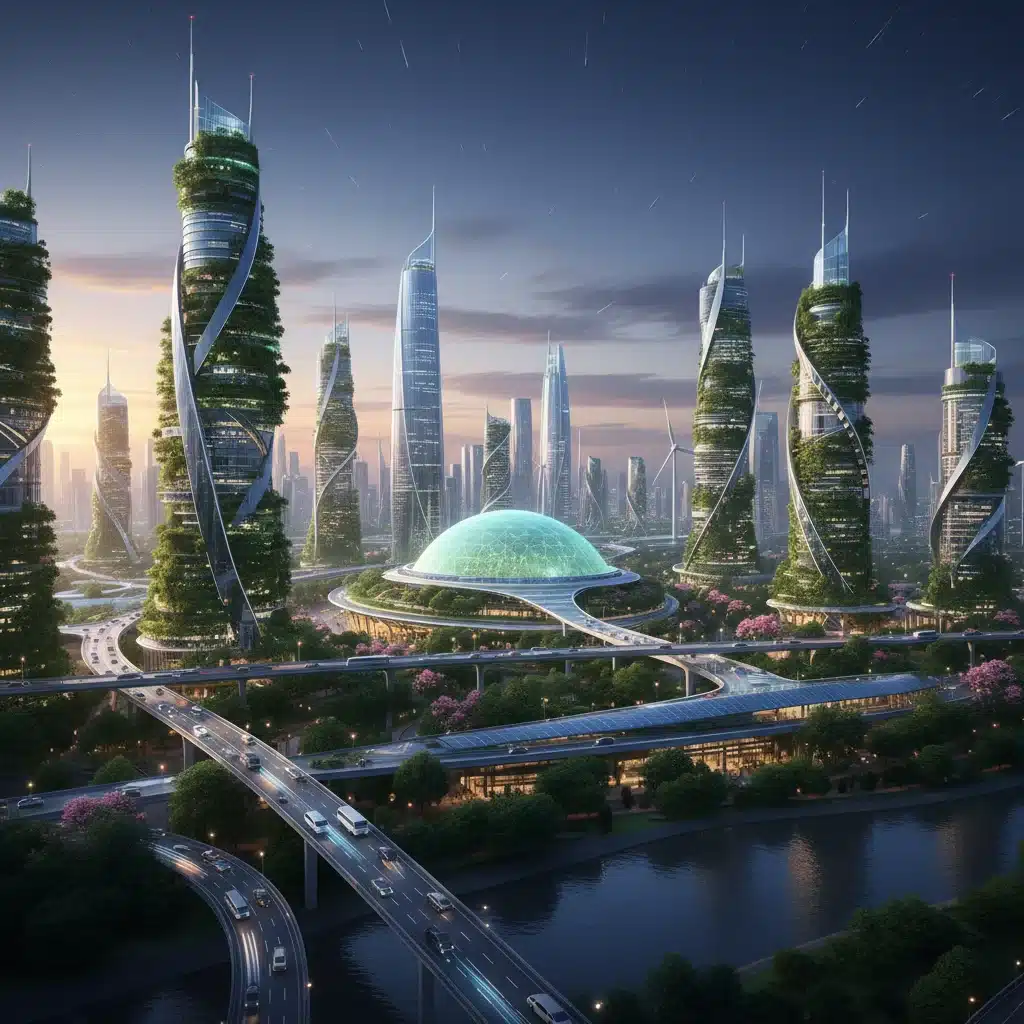
The urban landscape of the United States is undergoing an unprecedented transformation. As cities grapple with the challenges of population growth, climate change, and resource scarcity, the imperative for Sustainable Urban Planning has never been more critical. By 2026, a confluence of emerging technologies is set to redefine how our cities function, making them smarter, more resilient, and environmentally friendly. This article delves into seven pivotal technologies that are rapidly reshaping US cities, driving us towards a future where urban living is synonymous with sustainability and innovation.
The concept of Sustainable Urban Planning is not merely about planting more trees or building energy-efficient structures. It encompasses a holistic approach to urban development that integrates economic viability, social equity, and environmental protection. Technologies are the catalysts accelerating this integration, offering solutions that were once confined to science fiction. From artificial intelligence optimizing energy grids to advanced materials revolutionizing construction, these innovations are laying the groundwork for the cities of tomorrow.
1. Artificial Intelligence (AI) and Machine Learning for Urban Optimization
Artificial Intelligence (AI) and Machine Learning (ML) are at the forefront of the technological revolution in Sustainable Urban Planning. These powerful tools are being deployed to analyze vast datasets, predict urban trends, and optimize city operations with unparalleled efficiency. Imagine a city where traffic flows seamlessly, energy consumption is minimized, and public services are precisely tailored to citizen needs – AI is making this a reality.
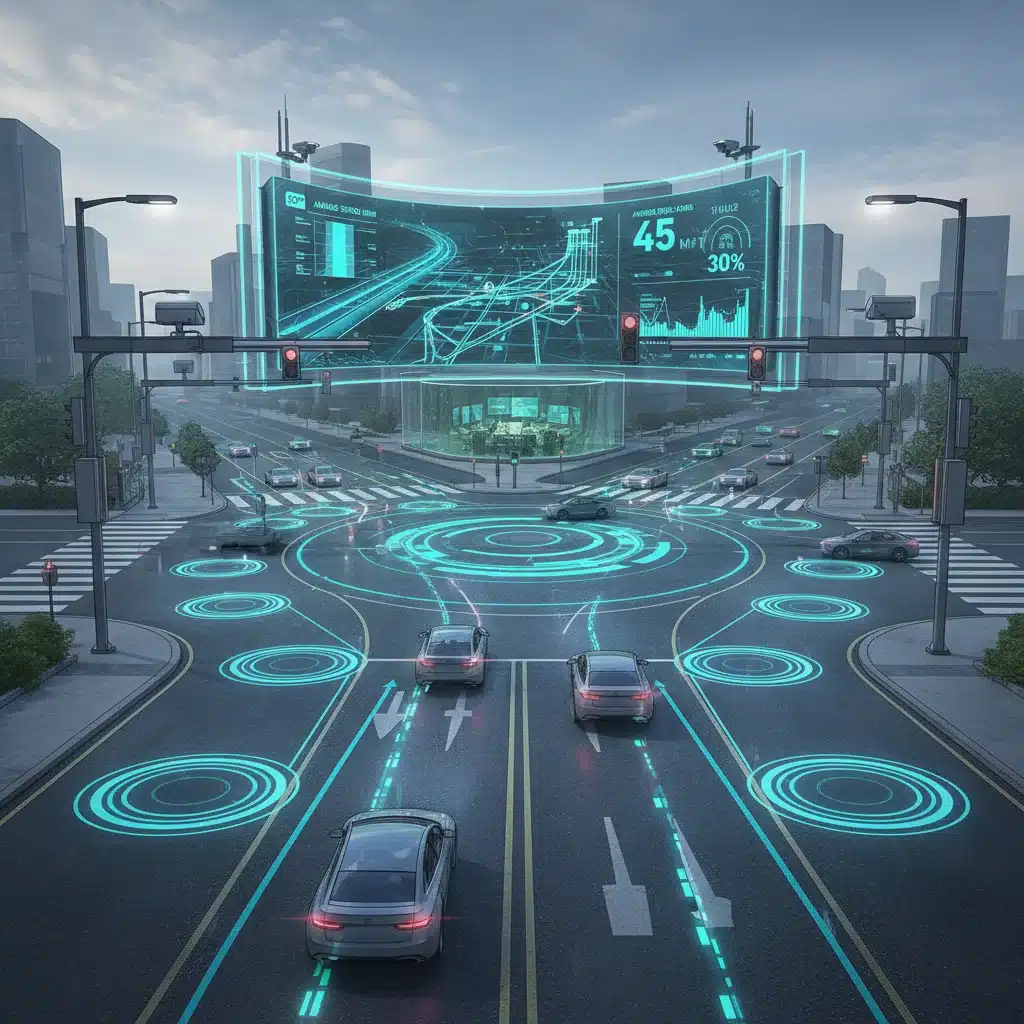
One of the most significant applications of AI in urban planning is in smart traffic management. AI algorithms can analyze real-time traffic data from sensors, cameras, and GPS devices to predict congestion patterns and dynamically adjust traffic signals. This not only reduces travel times but also significantly lowers carbon emissions from idling vehicles. In cities like Pittsburgh, AI-powered traffic lights have already demonstrated a substantial reduction in congestion and travel delays.
Beyond traffic, AI is transforming energy management. Smart grids, powered by AI, can forecast energy demand, optimize renewable energy integration, and identify inefficiencies in distribution. This leads to reduced energy waste and a more stable, sustainable power supply. Furthermore, AI-driven predictive maintenance for urban infrastructure, such as water pipes and public transport systems, can prevent costly failures and extend the lifespan of critical assets, contributing to long-term sustainability.
Urban planners are also leveraging AI for predictive modeling in areas like urban growth, climate impact, and resource allocation. By simulating various scenarios, cities can make more informed decisions about zoning, infrastructure development, and environmental protection. This proactive approach is crucial for building resilient cities capable of adapting to future challenges. The ability of AI to learn and adapt makes it an indispensable tool for the dynamic nature of Sustainable Urban Planning.
2. Internet of Things (IoT) for Hyper-Connected Cities
The Internet of Things (IoT) is the backbone of smart cities, creating a vast network of interconnected devices that collect and exchange data. This ubiquitous data collection provides unprecedented insights into urban dynamics, enabling more responsive and efficient city management. From smart streetlights to environmental sensors, IoT devices are painting a comprehensive picture of urban life, crucial for effective Sustainable Urban Planning.
IoT sensors distributed throughout a city can monitor air quality, water levels, noise pollution, and waste levels in real-time. This environmental monitoring allows city officials to identify problem areas quickly and implement targeted interventions. For example, smart waste bins equipped with sensors can signal when they are full, optimizing collection routes and reducing fuel consumption for waste management vehicles. This not only saves costs but also minimizes the environmental footprint of waste collection.
Public safety is another area where IoT is making a significant impact. Connected cameras and sensors can enhance surveillance, improve emergency response times, and provide valuable data for urban security strategies. In the realm of transportation, IoT devices are integral to the development of autonomous vehicles and smart public transit systems, offering real-time tracking, predictive maintenance, and optimized routing. This enhances efficiency and encourages the adoption of more sustainable modes of transport.
Moreover, IoT is empowering citizens by providing them with real-time information about their urban environment. Apps powered by IoT data can guide residents to available parking spaces, inform them about public transport delays, or alert them to local environmental conditions. This transparency and access to information foster greater civic engagement and support for sustainable initiatives, making IoT a cornerstone of modern Sustainable Urban Planning.
3. Advanced Green Infrastructure and Nature-Based Solutions
While technology often brings to mind digital innovations, Sustainable Urban Planning also heavily relies on advanced green infrastructure and nature-based solutions. These approaches integrate natural systems into the urban fabric to deliver ecological, social, and economic benefits. The goal is to mimic natural processes to manage stormwater, improve air quality, enhance biodiversity, and mitigate the urban heat island effect.
Green roofs and walls, for instance, are becoming increasingly common. These living systems help insulate buildings, reduce energy consumption, absorb stormwater, and provide habitats for urban wildlife. Permeable pavements, bioswales, and rain gardens are critical components of advanced stormwater management systems, reducing runoff, filtering pollutants, and recharging groundwater. These solutions are vital for managing the increasing frequency and intensity of extreme weather events driven by climate change.
Urban forests and strategically placed green spaces play a crucial role in improving air quality by absorbing pollutants and producing oxygen. They also provide cooling through evapotranspiration, significantly reducing the urban heat island effect, which can make cities several degrees hotter than surrounding rural areas. This natural cooling reduces the demand for air conditioning, leading to lower energy consumption and greenhouse gas emissions.
Beyond their environmental benefits, green infrastructure elements enhance the aesthetic appeal of cities, improve public health by providing spaces for recreation and relaxation, and foster a sense of community. The integration of nature into urban design is a fundamental aspect of Sustainable Urban Planning, creating cities that are not only environmentally sound but also more livable and enjoyable for their residents.
4. Renewable Energy Integration and Smart Grids
The transition to renewable energy sources is a cornerstone of Sustainable Urban Planning. Cities are increasingly moving away from fossil fuels towards clean energy alternatives like solar, wind, and geothermal power. The integration of these intermittent renewable sources requires sophisticated management systems, leading to the rapid development of smart grids.
Smart grids use digital communication technology to detect and react to local changes in electricity usage. They can balance supply and demand in real-time, incorporate distributed energy resources (like rooftop solar panels), and allow for two-way communication between utilities and consumers. This enables consumers to monitor and manage their energy consumption more effectively, potentially selling excess energy back to the grid.
Microgrids are also gaining traction in Sustainable Urban Planning. These localized energy grids can operate independently from the main grid, providing enhanced energy security and resilience, especially during outages. They are particularly beneficial for critical infrastructure such as hospitals, emergency services, and community shelters. By combining renewable generation with battery storage, microgrids offer a robust and sustainable energy solution.
Furthermore, cities are encouraging the widespread adoption of solar panels on residential and commercial buildings through incentives and streamlined permitting processes. Public buildings, transportation hubs, and even streetlights are being equipped with solar technology. This decentralized energy generation reduces reliance on large, centralized power plants, minimizes transmission losses, and empowers communities to become more energy self-sufficient, aligning perfectly with the goals of Sustainable Urban Planning.
5. Advanced Materials and Sustainable Construction
The construction industry is a major contributor to global carbon emissions and resource consumption. However, emerging advanced materials and sustainable construction techniques are revolutionizing how urban infrastructure is built, making it more environmentally sound and durable. This shift is vital for achieving truly Sustainable Urban Planning.
New materials like self-healing concrete, which can repair its own cracks, significantly extend the lifespan of infrastructure, reducing the need for frequent repairs and the associated carbon footprint. Recycled and low-carbon concrete alternatives are also gaining prominence, drastically cutting down the embodied energy in construction. Timber, particularly cross-laminated timber (CLT), is emerging as a sustainable alternative to steel and concrete for mid-rise and high-rise buildings, offering excellent structural properties and carbon sequestration benefits.
Modular and prefabricated construction methods are also contributing to sustainability. By manufacturing building components off-site in controlled environments, these methods reduce waste, improve efficiency, and minimize disruption at construction sites. This streamlined process results in faster construction times and often leads to higher quality, more energy-efficient buildings.
Beyond materials, smart building technologies are integrating sensors and automation to optimize energy consumption, lighting, and ventilation in real-time. Buildings are becoming ‘living’ entities that respond to their environment and occupants’ needs, leading to significant reductions in operational energy. The focus on circular economy principles in construction, where materials are reused and recycled, is another critical aspect of sustainable building practices that will define urban development by 2026.
6. Autonomous Vehicles and Integrated Mobility Systems
The advent of autonomous vehicles (AVs) and the development of integrated mobility systems promise to fundamentally alter urban transportation, offering a pathway toward more sustainable and efficient cities. These technologies are set to reduce traffic congestion, improve safety, and decrease the environmental impact of urban travel, which are key objectives of Sustainable Urban Planning.
Autonomous vehicles, particularly in shared fleet models, have the potential to significantly reduce the number of privately owned cars on city streets. Fewer cars mean less demand for parking spaces, which can then be repurposed for green spaces, housing, or commercial development. The optimized routing and smoother acceleration and deceleration of AVs can also lead to more fuel-efficient journeys, further reducing emissions.
Integrated mobility systems go beyond AVs, encompassing a seamless network of public transit, ride-sharing, bike-sharing, and pedestrian infrastructure. Mobile applications will serve as central hubs, allowing users to plan and pay for multi-modal journeys with ease. This ‘Mobility as a Service’ (MaaS) approach aims to make car ownership less necessary and more convenient, promoting the use of sustainable transportation options.
The data generated by these integrated systems will provide invaluable insights for urban planners, enabling them to optimize public transport routes, identify areas for infrastructure improvements, and anticipate future transportation needs. By reducing reliance on individual car ownership and promoting efficient, shared, and electric mobility solutions, cities can dramatically lower their carbon footprint and improve urban air quality, aligning perfectly with the vision of Sustainable Urban Planning.
7. Digital Twins for Comprehensive Urban Management
Digital Twins are perhaps one of the most transformative technologies for Sustainable Urban Planning. A digital twin is a virtual replica of a physical asset, process, or system. In the context of cities, a digital twin is a dynamic, real-time virtual model of an entire urban area, integrating data from countless sources to provide a comprehensive and interactive representation of the city.
This virtual city allows urban planners and decision-makers to simulate various scenarios and predict the outcomes of different interventions before they are implemented in the physical world. For example, a city’s digital twin can model the impact of a new transportation route on traffic flow and air quality, or assess the effectiveness of different green infrastructure projects in mitigating flood risks. This predictive capability significantly reduces risks and optimizes resource allocation, making urban development more efficient and sustainable.
Digital twins integrate data from IoT sensors, building information models (BIM), geographic information systems (GIS), and even social media to create a living, breathing model of the city. This real-time data flow allows for continuous monitoring of urban performance, from energy consumption and waste generation to public safety and infrastructure health. Any change in the physical city is reflected in its digital twin, providing an up-to-the-minute operational overview.
The power of digital twins lies in their ability to facilitate collaborative decision-making among various stakeholders – city departments, private developers, and citizens. By visualizing complex urban challenges and potential solutions in an accessible format, digital twins foster greater transparency and engagement in the planning process. This holistic approach to urban management is instrumental in achieving the ambitious goals of Sustainable Urban Planning, allowing cities to evolve intelligently and sustainably.
The Road Ahead for Sustainable Urban Planning
The integration of these seven emerging technologies is not merely a trend; it is a fundamental shift in the paradigm of Sustainable Urban Planning. By 2026, US cities will be well on their way to becoming smarter, more resilient, and truly sustainable urban ecosystems. The challenges are significant, ranging from data privacy concerns to the equitable distribution of technological benefits, but the potential rewards are immense.
The journey towards sustainable cities requires continuous innovation, substantial investment, and a collaborative spirit among governments, private sectors, academia, and local communities. It’s about leveraging the power of technology to create urban environments that not only thrive economically but also foster social well-being and protect our planet for future generations.
The future of our cities is being built today, brick by digital brick and green initiative by green initiative. The commitment to Sustainable Urban Planning, empowered by these transformative technologies, holds the key to unlocking a brighter, more sustainable urban future for all.