Smart Cities 2.0: IoT for 20% Energy Savings in US Urban Centers by 2026

The urban landscape of the United States is undergoing a profound transformation, evolving into what many are calling Smart Cities 2.0. This isn’t just about adding more technology; it’s about intelligently integrating the Internet of Things (IoT) to create more efficient, sustainable, and livable environments. A significant driver behind this evolution is the pressing need for energy conservation. As urban populations swell and energy demands escalate, U.S. urban centers are strategically deploying IoT solutions with an ambitious goal: to achieve a remarkable 20% IoT energy savings by 2026. This target is not merely aspirational; it represents a tangible commitment to sustainability, economic prudence, and enhanced quality of life for residents.
The concept of a ‘smart city’ has been around for some time, but ‘Smart Cities 2.0’ signifies a new era. It moves beyond isolated smart initiatives to a more holistic, interconnected ecosystem where data from various IoT devices is collected, analyzed, and acted upon in real-time. This integrated approach allows cities to optimize resource allocation, reduce waste, and, crucially, significantly cut down on energy consumption. The financial implications of such savings are enormous, freeing up municipal budgets for other critical services and fostering economic growth.
In this comprehensive exploration, we will delve into the mechanisms by which U.S. urban centers are harnessing IoT to realize these ambitious energy saving goals. We will examine the practical solutions being implemented, from intelligent street lighting to smart grids and building management systems. Furthermore, we will analyze the financial impacts of these initiatives, demonstrating how upfront investments in IoT technology are yielding substantial long-term returns. Understanding the challenges, successes, and future outlook of this movement is essential for anyone interested in the future of urban living and sustainable development.
The Imperative for IoT Energy Savings in Urban Centers
The rationale behind the aggressive pursuit of IoT energy savings is multi-faceted. First and foremost, cities are massive energy consumers. Buildings, transportation, public infrastructure – all contribute to a significant carbon footprint and hefty utility bills. Reducing this consumption is not only environmentally responsible but also economically advantageous. With fluctuating energy prices and increasing pressure to meet climate goals, efficiency has become a top priority for urban planners and policymakers.
Secondly, the rapid advancements in IoT technology have made these ambitious goals achievable. Sensors are becoming smaller, cheaper, and more powerful, capable of collecting vast amounts of data on everything from ambient light levels to traffic flow and building occupancy. This data, when processed through advanced analytics and artificial intelligence, provides actionable insights that were previously unattainable. Cities can now move from reactive energy management to proactive optimization, anticipating needs and adjusting consumption in real-time.
Thirdly, the concept of resilience plays a crucial role. A more energy-efficient city is a more resilient city, better equipped to handle power outages, natural disasters, and other disruptions. By diversifying energy sources, optimizing distribution, and reducing overall demand, IoT contributes to a more stable and secure urban energy infrastructure. This holistic view of energy management goes beyond simple cost-cutting; it’s about building robust, future-proof urban environments.
Finally, public demand for sustainable practices is at an all-time high. Citizens are increasingly aware of environmental issues and expect their local governments to take concrete steps towards a greener future. Implementing visible and effective IoT energy savings initiatives can enhance public trust and engagement, fostering a sense of shared responsibility for urban sustainability. The 20% target by 2026 is a bold statement, signaling a serious commitment to addressing these complex challenges head-on.
Key Areas of IoT Implementation for Energy Reduction
Achieving a 20% reduction in energy consumption by 2026 requires a multi-pronged approach, targeting various sectors within the urban fabric. Several key areas are emerging as prime candidates for IoT integration, each offering substantial potential for IoT energy savings.
Smart Street Lighting: Illuminating the Path to Efficiency
Perhaps one of the most visible and widely adopted IoT applications in smart cities is intelligent street lighting. Traditional streetlights operate on fixed schedules, consuming electricity regardless of actual need. Smart streetlights, equipped with IoT sensors, can detect ambient light levels, traffic density, and even pedestrian movement. This allows them to dim or brighten automatically, providing optimal illumination only when and where it’s needed. Beyond simple on/off functionality, these systems can also monitor their own performance, report outages, and schedule maintenance proactively.
Cities like Los Angeles have been pioneers in this field, replacing thousands of traditional streetlights with LED fixtures equipped with networked controls. The results have been dramatic: significant reductions in energy consumption, lower maintenance costs, and improved public safety due to better-managed lighting. The data collected by these smart lights can also be used for other urban planning purposes, suchando as traffic analysis and environmental monitoring, further amplifying their value.
Intelligent Building Management Systems (IBMS): Optimizing Urban Infrastructure
Buildings are enormous energy consumers, accounting for a substantial portion of a city’s total energy footprint. Intelligent Building Management Systems (IBMS) leverage IoT to monitor and control various building systems, including HVAC, lighting, security, and access control. Sensors within the building track occupancy, temperature, humidity, and even air quality, feeding data into a central platform. This data is then used to optimize energy use, ensuring that heating, cooling, and lighting are only activated when and where necessary.
For example, in an office building, an IBMS can learn occupancy patterns and automatically adjust climate control settings to pre-cool or pre-heat spaces before employees arrive, and then reduce energy consumption in unoccupied areas. Similarly, lighting can be adjusted based on natural light availability and occupancy. The integration of IoT in IBMS not only leads to considerable IoT energy savings but also enhances occupant comfort and productivity.
Smart Grids and Energy Management: A Holistic Approach
Beyond individual buildings and streetlights, IoT is revolutionizing the entire energy grid. Smart grids utilize IoT sensors and advanced analytics to monitor energy production, distribution, and consumption in real-time. This allows utilities to identify inefficiencies, predict demand fluctuations, and respond dynamically to changes in the energy landscape. For instance, during peak demand, smart grids can automatically shed non-essential loads or encourage consumers to reduce consumption through demand-response programs.
Furthermore, smart grids facilitate the integration of renewable energy sources, such as solar and wind power, into the existing infrastructure. IoT devices can monitor the output of these intermittent sources and balance them with traditional power generation, ensuring grid stability. The ability to manage energy flow more intelligently across the entire city-wide network is crucial for achieving large-scale IoT energy savings and transitioning towards a more sustainable energy future.
Waste Management and Water Conservation: Indirect Energy Benefits
While not directly related to electricity consumption, IoT in waste management and water conservation also contributes to overall energy efficiency. Smart waste bins equipped with sensors can signal when they are full, optimizing collection routes and reducing fuel consumption for waste trucks. Similarly, smart irrigation systems use weather data and soil moisture sensors to water parks and green spaces only when needed, conserving water and the energy associated with pumping and treating it. These indirect IoT energy savings add up, contributing to the holistic sustainability goals of Smart Cities 2.0.
The Financial Impact of IoT Energy Savings
The drive for IoT energy savings is not purely environmental; it’s also a sound financial strategy. Cities face ever-increasing budget pressures, and reducing operational costs is paramount. Investments in IoT infrastructure, while substantial upfront, offer compelling returns over the long term.
Reduced Operational Costs
The most direct financial benefit comes from reduced energy bills. A 20% reduction in energy consumption translates directly into millions, if not billions, of dollars in savings for large urban centers over several years. These savings can then be reinvested into other public services, infrastructure improvements, or further smart city initiatives. Beyond direct energy costs, IoT also leads to lower maintenance expenses. Predictive maintenance, enabled by sensor data, allows cities to address issues before they become major problems, avoiding costly emergency repairs and extending the lifespan of infrastructure assets.
Economic Development and Job Creation
The implementation of smart city technologies, including those focused on IoT energy savings, stimulates local economies. It creates demand for new technologies, fostering innovation and attracting technology companies. This, in turn, leads to job creation in areas such as data science, IoT development, urban planning, and infrastructure management. Cities that embrace these technologies position themselves as leaders in the digital economy, attracting talent and investment.
Improved Public Services and Quality of Life
While harder to quantify in purely financial terms, the improved quality of public services and enhanced quality of life also have economic benefits. A more efficient city with better lighting, cleaner air (due to reduced emissions from energy generation), and more responsive services is more attractive to residents and businesses alike. This can lead to increased property values, higher tax revenues, and a more vibrant urban core, contributing to long-term economic prosperity.

Challenges and Solutions in Achieving 20% IoT Energy Savings
While the potential of IoT is immense, cities face several challenges in achieving their ambitious energy savings targets. Addressing these challenges requires careful planning, collaboration, and innovative solutions.
Data Security and Privacy Concerns
IoT systems collect vast amounts of data, much of which can be sensitive. Ensuring the security of this data and protecting citizen privacy is paramount. Cities must implement robust cybersecurity protocols, adhere to data protection regulations, and be transparent with residents about how their data is being used. Ethical guidelines and clear policies are essential to build public trust and avoid potential backlash.
Interoperability and Standardization
A major hurdle is the lack of universal standards for IoT devices and platforms. Different vendors often use proprietary technologies, making it difficult to integrate various systems and share data seamlessly. Cities need to advocate for open standards and procure solutions that are interoperable, allowing for a more cohesive and scalable smart city ecosystem. This includes ensuring that data can be easily exchanged between different departmental systems, such as traffic management and energy management, to maximize the benefits of integrated data analysis.
Funding and Investment
The initial investment in IoT infrastructure can be significant. Cities need creative funding models, including public-private partnerships, grants, and green bonds, to finance these projects. Demonstrating the clear return on investment (ROI) from IoT energy savings is crucial for securing the necessary funding. Often, the long-term operational savings far outweigh the upfront capital expenditure, but communicating this effectively to stakeholders is key.
Talent and Expertise
Implementing and managing complex IoT systems requires a skilled workforce. Cities need to invest in training existing staff and attracting new talent with expertise in areas like data analytics, cybersecurity, and IoT engineering. Collaborations with local universities and technical colleges can help develop the necessary talent pipeline.
Scalability and Future-Proofing
Smart city initiatives must be designed with scalability in mind. Technologies evolve rapidly, and cities need systems that can adapt to future innovations without requiring complete overhauls. Modular designs, open architectures, and a focus on software-defined infrastructure can help future-proof these investments. The goal is not just to implement a solution for today but to build a foundation for continuous improvement and adaptation.
Case Studies: U.S. Cities Leading the Charge in IoT Energy Savings
Across the U.S., various cities are already demonstrating significant progress in leveraging IoT for energy efficiency. Their experiences offer valuable lessons and blueprints for others.
Chicago’s Array of Things
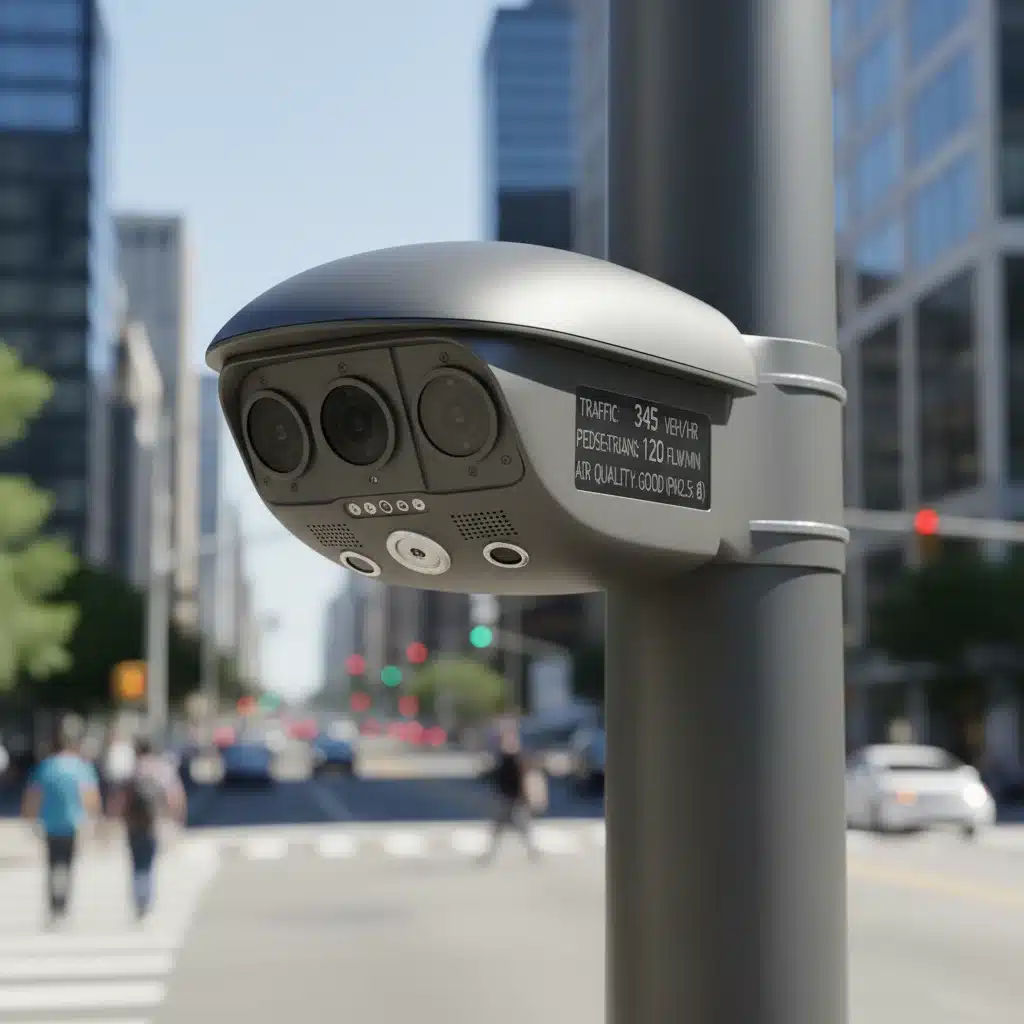
Chicago’s ‘Array of Things’ project deploys a network of sensor nodes across the city, collecting real-time data on air quality, traffic, pedestrian movement, and climate. While not solely focused on energy, the insights gained from this data can inform energy consumption patterns and optimize infrastructure. For instance, understanding pedestrian flow can help optimize heating and cooling in public spaces or adjust public transport schedules, leading to indirect IoT energy savings. The open data policy also allows researchers and developers to build applications that further enhance urban efficiency.
San Francisco’s Smart Streetlights and Buildings
San Francisco has been aggressive in deploying smart streetlights that adjust illumination based on real-time conditions, leading to substantial reductions in electricity use and maintenance costs. Furthermore, the city has implemented policies and incentives for smart building technologies, encouraging property owners to adopt IBMS and other energy-efficient solutions. These efforts contribute significantly to the city’s overall energy reduction goals and serve as a model for other dense urban environments.
Kansas City’s Smart City Corridor
Kansas City has established a ‘Smart City Corridor’ that integrates smart streetlights, public Wi-Fi, and sensor technology along a 2.2-mile stretch. This initiative focuses on improving public services, but a core component is energy efficiency. The smart streetlights alone have generated significant IoT energy savings, and the data collected from various sensors helps optimize traffic flow, reducing vehicle idling and associated fuel consumption, which indirectly lessens the energy burden on the grid.
The Path Forward: Achieving the 20% Target by 2026
Reaching a 20% IoT energy savings target by 2026 is ambitious but achievable. It requires sustained commitment, innovative thinking, and collaborative efforts from all stakeholders – city governments, technology providers, utility companies, and citizens.
Policy and Regulatory Frameworks
Strong policy and regulatory frameworks are essential to drive adoption and ensure consistent implementation of IoT solutions. This includes setting clear energy efficiency targets, offering incentives for smart technology adoption, and establishing guidelines for data governance and privacy. Cities can also learn from each other’s successes and failures, sharing best practices and developing standardized approaches.
Public-Private Partnerships (PPPs)
PPPs will continue to be crucial for financing and implementing large-scale smart city projects. Private companies bring technological expertise, innovation, and capital, while city governments provide the regulatory framework, public infrastructure, and a deep understanding of community needs. These partnerships can accelerate the deployment of IoT solutions and share the risks and rewards of these complex undertakings.
Citizen Engagement and Education
Ultimately, the success of Smart Cities 2.0 hinges on citizen engagement. Educating residents about the benefits of IoT technologies, particularly in terms of energy savings and environmental impact, can foster greater acceptance and participation. Empowering citizens with data about their own energy consumption and providing tools for smart home management can extend the impact of city-wide initiatives into individual households, amplifying the overall IoT energy savings.
Continuous Innovation and Adaptation
The IoT landscape is constantly evolving. Cities must adopt a mindset of continuous innovation and adaptation, regularly evaluating new technologies and approaches. This includes exploring emerging areas like edge computing, 5G connectivity, and advanced AI models that can further enhance the efficiency and intelligence of urban systems. Staying at the forefront of technological advancements will be key to maintaining momentum towards and beyond the 20% energy savings goal.
Conclusion: A Brighter, More Efficient Urban Future
The journey towards Smart Cities 2.0, driven by the strategic implementation of IoT, represents a pivotal moment for U.S. urban centers. The ambitious goal of achieving 20% IoT energy savings by 2026 is not just a numerical target; it’s a commitment to a more sustainable, resilient, and economically vibrant future. By embracing intelligent street lighting, advanced building management systems, smart grids, and other innovative solutions, cities are not only drastically reducing their energy footprint but also creating more livable and responsive environments for their residents.
The financial benefits are clear: reduced operational costs, stimulated economic development, and improved public services. While challenges related to data security, interoperability, and funding remain, the proactive approaches being adopted by leading cities demonstrate that these hurdles are surmountable. The collaborative spirit of public-private partnerships, coupled with robust policy frameworks and active citizen engagement, will pave the way for widespread success.
As we move closer to 2026, the impact of IoT energy savings will become increasingly evident, transforming our urban landscapes into beacons of efficiency and sustainability. This evolution signifies more than just technological advancement; it represents a fundamental shift in how we conceive, build, and manage our cities, ensuring a brighter, more efficient future for generations to come. The era of Smart Cities 2.0 is here, and its potential to revolutionize urban energy consumption is truly transformative.